Ecuador’s move to raise tariffs on Colombian goods to one hundred percent is more than a trade fight. It shows how security fears, ideological rivalry, and the collapse of regional trust are remaking Andean politics at a time when cooperation is needed most.
When Security Starts Setting the Customs Rate
There are moments when a tariff stops looking like a technical measure and becomes a political mood. Ecuador has reached one of those moments.
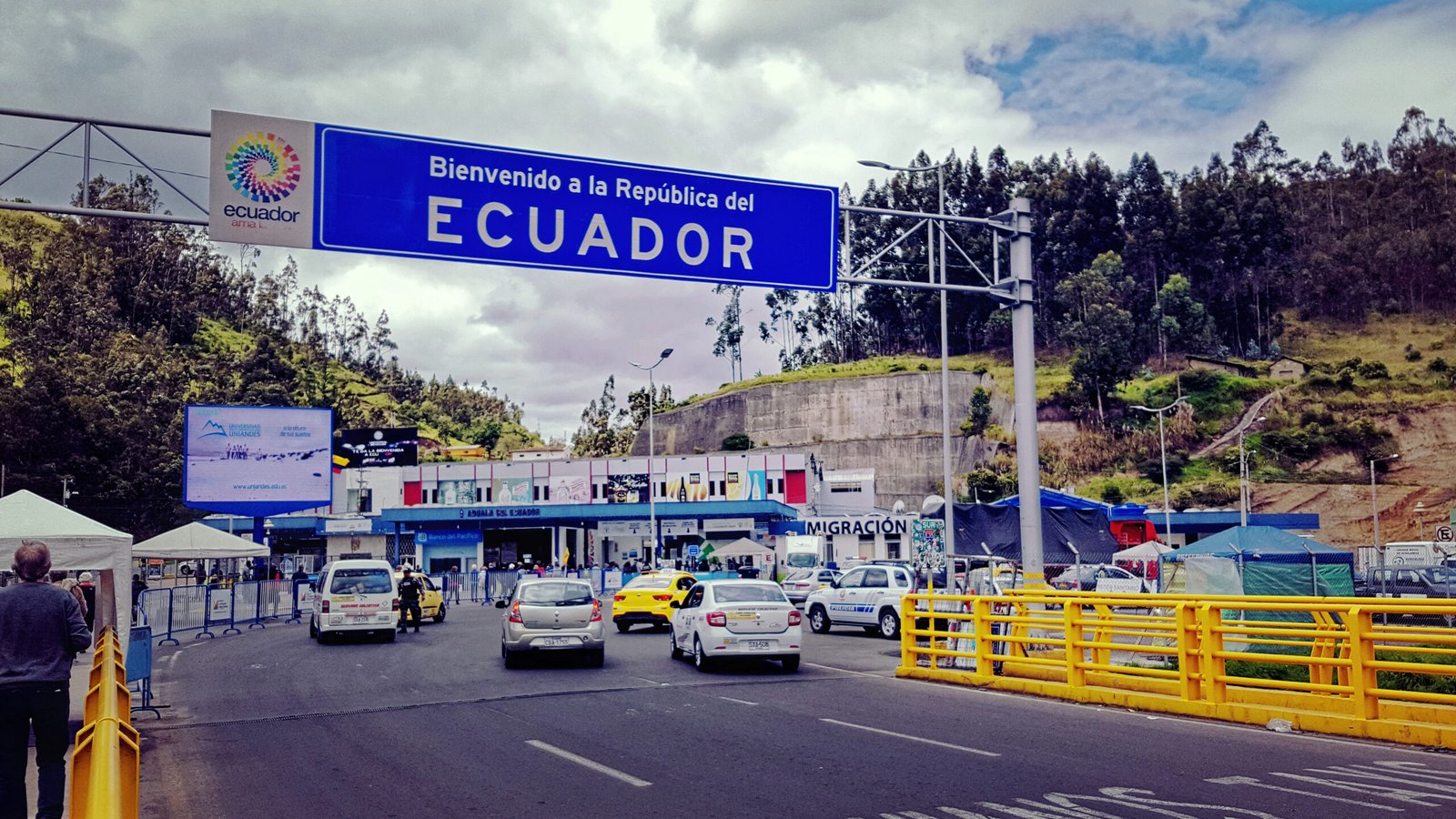
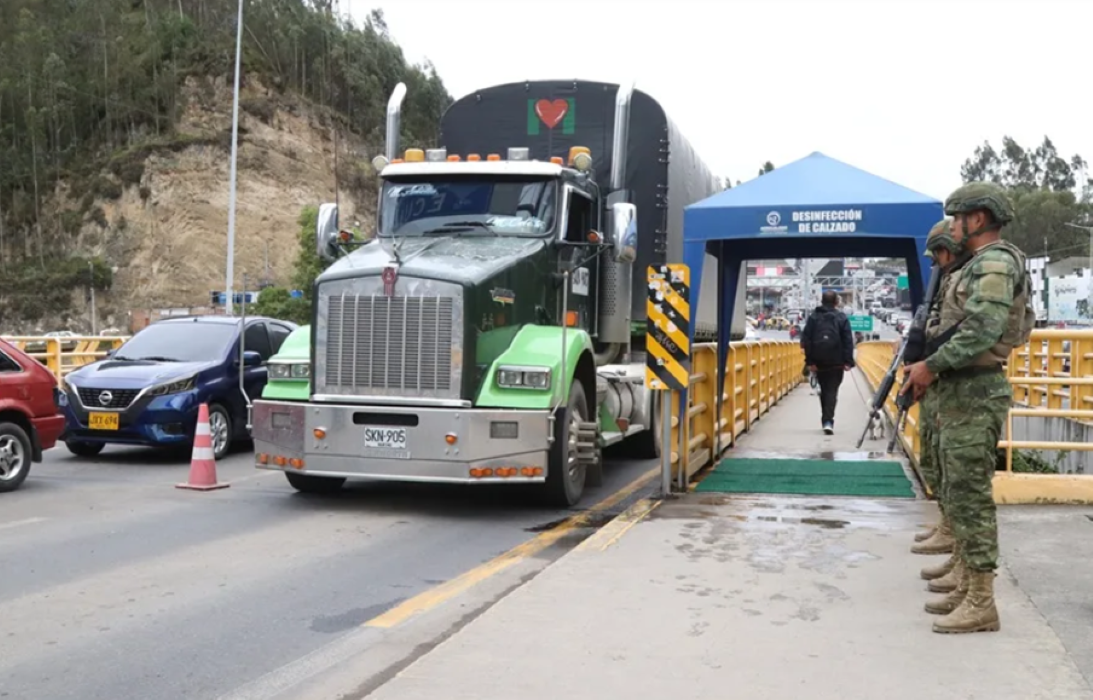
President Daniel Noboa’s government has imposed a 100 percent tariff on neighboring Colombia, effective May 1, and is not pretending this is merely about trade balances or industrial policy. Ecuador’s Ministry of Production said Colombia had failed to implement concrete and effective measures on border security and drug trafficking. It argued that Ecuador was therefore obliged to take “sovereign actions.” The ministry called the increase a necessary incentive to confront the presence of drug trafficking on the border. It said security, along with the fight against corruption and drug trafficking, was a non-negotiable priority.
That language matters. It means customs policy is now being used as a security doctrine. It means the border is no longer being framed mainly as a place of exchange, but as a zone of contamination, risk, and political accusation. And in Latin America, once that framing takes hold, it rarely stays limited to trade. It spreads outward into diplomacy, ideology, and public identity.
The escalation has also been swift enough to feel theatrical. Noboa’s government had already imposed a 30% tariff, effective in February. By March, that rate rose to fifty percent. Now it has doubled again. The sequence tells its own story. This is not a reluctant adjustment. It is an intentionally rising confrontation.
The backdrop is months of personal and political feuding between Noboa, the right-wing leader in Quito, and Colombia’s left-wing president Gustavo Petro. Their dispute has become one of those modern Latin American quarrels where ideology, security, and sovereignty all begin speaking through the same microphone. Each side says it is defending the nation. Each side implies the other is either reckless or dishonest. And somewhere beneath all that, actual regional integration starts to fray.
A Border Feud Becomes an Ideological Test
Petro reacted just over an hour after the new rate was announced, writing on social media that Ecuador’s actions were causing the collapse of the Andean Pact, the regional free trade agreement whose roots stretch back to the nineteen sixties. He called the move “a monstrosity” and said Colombia had no business there anymore. He urged his foreign minister to pursue full membership in Mercosur and push the country more vigorously toward the Caribbean and Central America.
That response sounds dramatic, but it also reveals how much bigger this dispute has become. The argument is no longer confined to Ecuadorian tariffs. It now touches the future of regional architecture itself. The Andean idea, however battered, has long rested on the belief that neighboring states with overlapping histories and economies have more to gain from shared frameworks than from retaliatory nationalism. Ecuador’s tariff surge and Petro’s answer both suggest that belief is weakening fast.
The timing is especially sharp because Petro is in the final months of his presidency. He came into office as Colombia’s first left-wing president, carrying the complicated weight of a former rebel in a country shaped by a long internal conflict. His signature approach to security has been “Total Peace,” an effort to negotiate with rebel groups and criminal networks rather than relying solely on force. That has made him a magnet for right-wing criticism at home and abroad.
Noboa has echoed many of those criticisms. So has Donald Trump. Both have attacked Petro for not doing enough against the drug trade, despite historic drug seizures during his term, including the seizure last November of cocaine worth roughly $388 million, described as the largest bust in a decade. But politics rarely rewards complexity in a moment like this. Colombia remains the world’s largest producer of cocaine, a reality that predates Petro but now sits on his presidency like a permanent accusation.
Noboa has aligned himself closely with Trump on several foreign policy fronts, including pressure on Cuba. He joined the “Shield of the Americas” coalition, a right-leaning regional effort to confront criminal networks and cartels. When he first announced the tariff volley in January, he said Ecuador had shown a “genuine commitment” to fighting drug trafficking while Colombia had not, even as Ecuador faced a trade deficit of more than $1 billion annually.
That is the broader ideological shape of the dispute. Noboa is presenting Ecuador as a disciplined state, one willing to punish, harden, and draw lines. Petro, by contrast, is defending a more negotiated approach while also trying to keep Colombia’s regional options open. One side treats force as proof of seriousness. The other treats escalation as a sign that regionalism itself is being sacrificed.
The Price of Breaking the Andean Habit
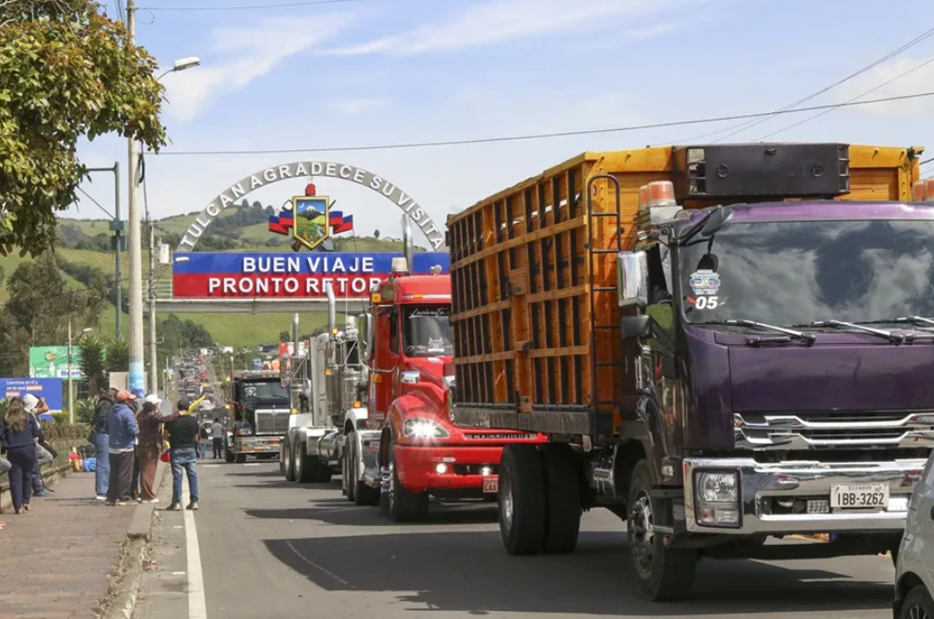
What makes this conflict more than symbolism is that real interdependence is already being damaged. Since Ecuador first imposed tariffs, Colombia has suspended cross-border energy sales, which had been important in helping Ecuador manage electricity shortages linked to recent droughts. Colombia has also imposed retaliatory tariffs on certain Ecuadorian products.
That detail should keep the whole argument grounded. For all the rhetoric about sovereignty, these are still neighboring countries bound by practical need. Ecuador can raise tariffs in the name of territorial integrity, but electricity shortages do not care about political theater. Colombia can denounce the end of an old trade pact, but its own retaliatory measures also push the relationship deeper into estrangement. Once security language takes over everything, even ordinary dependence begins to look suspicious.
Other grievances have deepened the split. Ecuador recalled its ambassador from Colombia after Petro described left-wing politician Jorge Glas as a “political prisoner.” Noboa called that rhetoric an assault on Ecuadorian sovereignty. Petro has meanwhile accused Noboa of bombing near the Colombian border during joint military operations with the United States, and Colombian officials say they recovered twenty-seven charred bodies from the border region. This is no longer a policy disagreement managed through channels. It is a relationship filled with insults, injuries, and competing moral narratives.
That is why the tariff story matters beyond customs policy. It shows how quickly Latin American regionalism can be hollowed out when insecurity becomes the master language. The old promise of integration was never just commercial. It was also a way of lowering the continent’s emotional temperature, making neighbors less likely to turn every crisis into a test of sovereignty. But Ecuador and Colombia are now doing exactly that.
For Noboa, the political wager is clear. In a region where fear of organized crime can reorder entire electorates, a harder line may seem like strength. For Petro, the risk is equally obvious. Any gesture that seems conciliatory can be painted as weakness, especially by leaders who thrive on sharper borders and simpler enemies.
What falls apart first in that climate is not only trade. It is a habit. The habit of cooperation. The habit of assuming the neighbor remains a partner even when politics shift. The habit of believing that the Andean space is still a common project rather than a temporary arrangement waiting for the next crisis to snap it.
Ecuador’s tariff surge is, on paper, a sovereign measure. In practice, it looks like something more revealing and more troubling. It is a sign that in parts of Latin America, governments are once again finding it easier to weaponize the border than to govern through it. And when that happens, the bill rarely stops at the customs gate.
Also Read:
Mexico Chases Safer Fracking While Energy Sovereignty Gets More Complicated