Ecuador’s recent troop increases and curfews go beyond a local crackdown. It sends a clear message to the region, drawing Washington further into Andean security, turning borders into conflict zones, and challenging whether military actions can keep up with the drug cartels’ influence.
A Curfew That Sounds Like Sovereignty
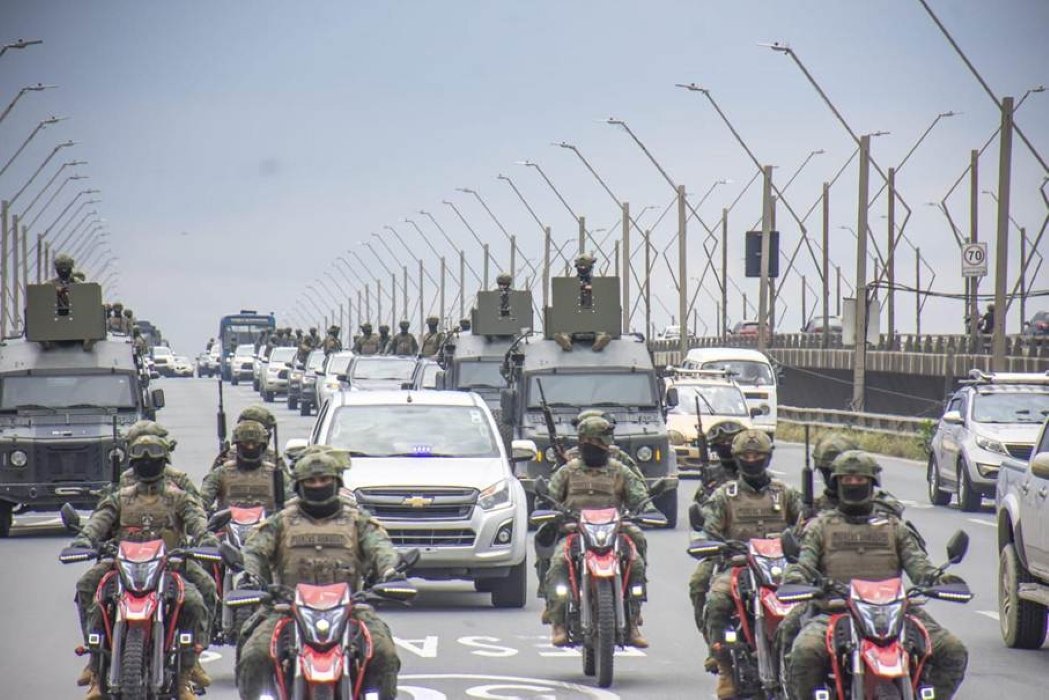
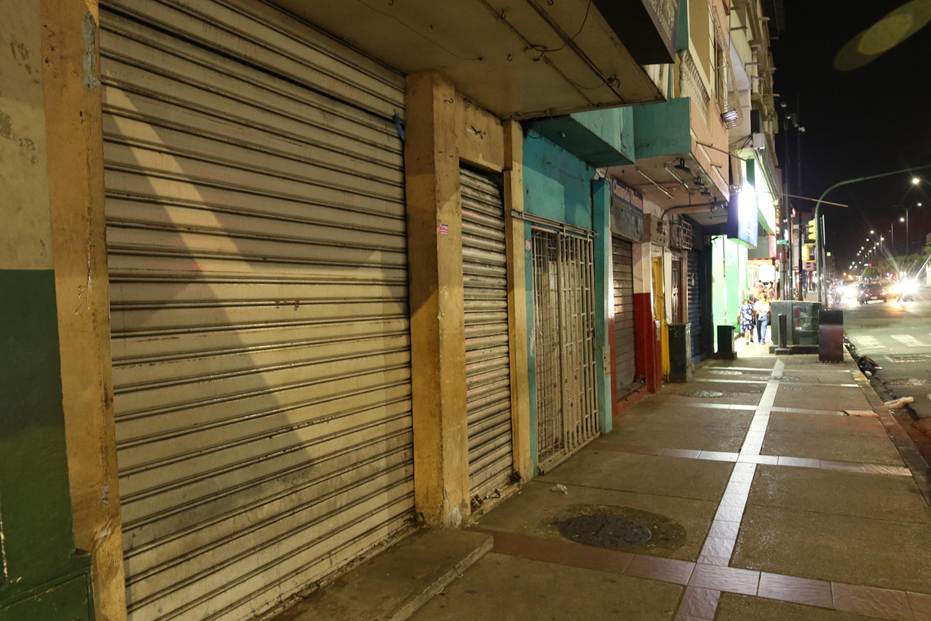
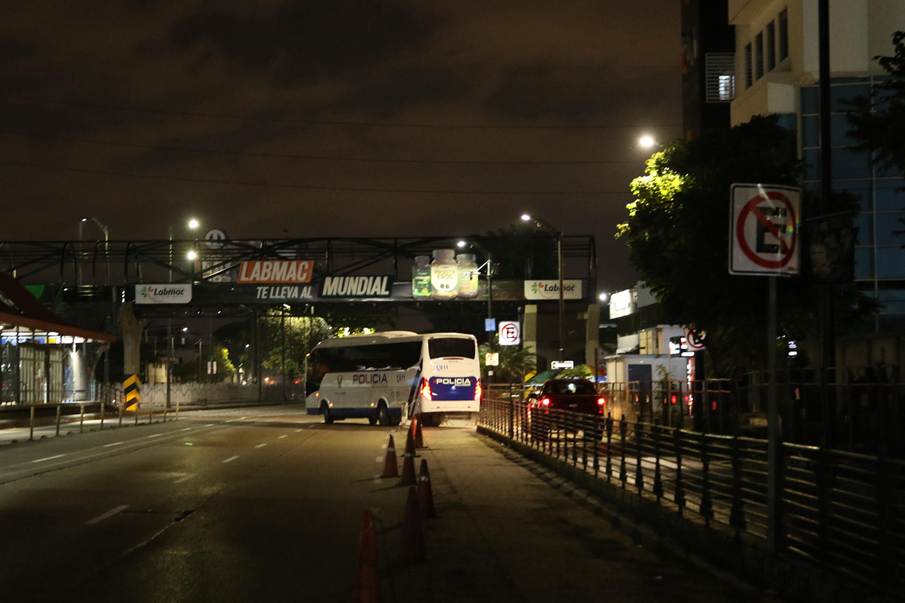
When Ecuador’s interior minister told people in El Oro, Guayas, Los Ríos, and Santo Domingo de los Tsáchilas that “we’re at war,” he wasn’t using a metaphor. It was a serious warning with clear instructions: “Don’t take any risks, don’t go out, stay at home.” The government imposed a night-time curfew and sent over seventy-five thousand police and soldiers to these violence-hit provinces, according to the BBC.
In Latin America, the word war is never simple. It brings memories of states of emergency turning into the norm, militaries taking on police roles, and communities stuck between armed groups and unfulfilled promises. Ecuador’s announcement carries this history. It’s called a “new phase” in the “war” on gangs, coming after President Daniel Noboa, who took office in November 2023, tried to reduce drug violence but still saw Ecuador hit a record murder rate in 2025, according to the BBC.
This tension highlights the bigger geopolitical issue. A country can declare war, send in troops, and impose curfews, yet still see violence increase. In Ecuador, the murder rate went up by more than thirty percent from 2024 to 2025, even with several states of emergency, according to the BBC. This isn’t just a number; it shows a challenge many countries in the region know well: security forces grow, but the drug, gun, and violence markets change faster than governments can keep up.
Ecuador’s location means it can’t treat this as just a local problem. Positioned between Colombia and Peru, the world’s biggest cocaine producers, Ecuador has become a major transit point for illegal drugs. About seventy percent of the cocaine from Colombia and Peru is believed to pass through Ecuador, according to the BBC. This flow brings international pressure, turning Ecuador into a strategic corridor.
Washington Returns With Badges and Summits
Here, the issue expands from local security to politics across the hemisphere. Noboa has joined a U.S.-led alliance of seventeen countries focused on fighting criminal cartels in the Western Hemisphere, the BBC reported. This wording is important because it shows the problem is shared and the solution must be coordinated. Alliances have leaders who set priorities and expectations about how to act and what success looks like.
The notes show how quickly Ecuador has entered this sphere. Noboa’s government has been working with U.S. President Donald Trump’s administration to reduce cocaine flow from Ecuador to the U.S., the BBC reported. Recently, the FBI opened its first office in Ecuador, shortly after the two countries started joint counter-narcotics operations. These moves aren’t just symbolic. An FBI office is a sign of commitment. Joint operations create ongoing cooperation. Over time, this can shift how Ecuador views its security priorities and how neighboring countries see its actions.
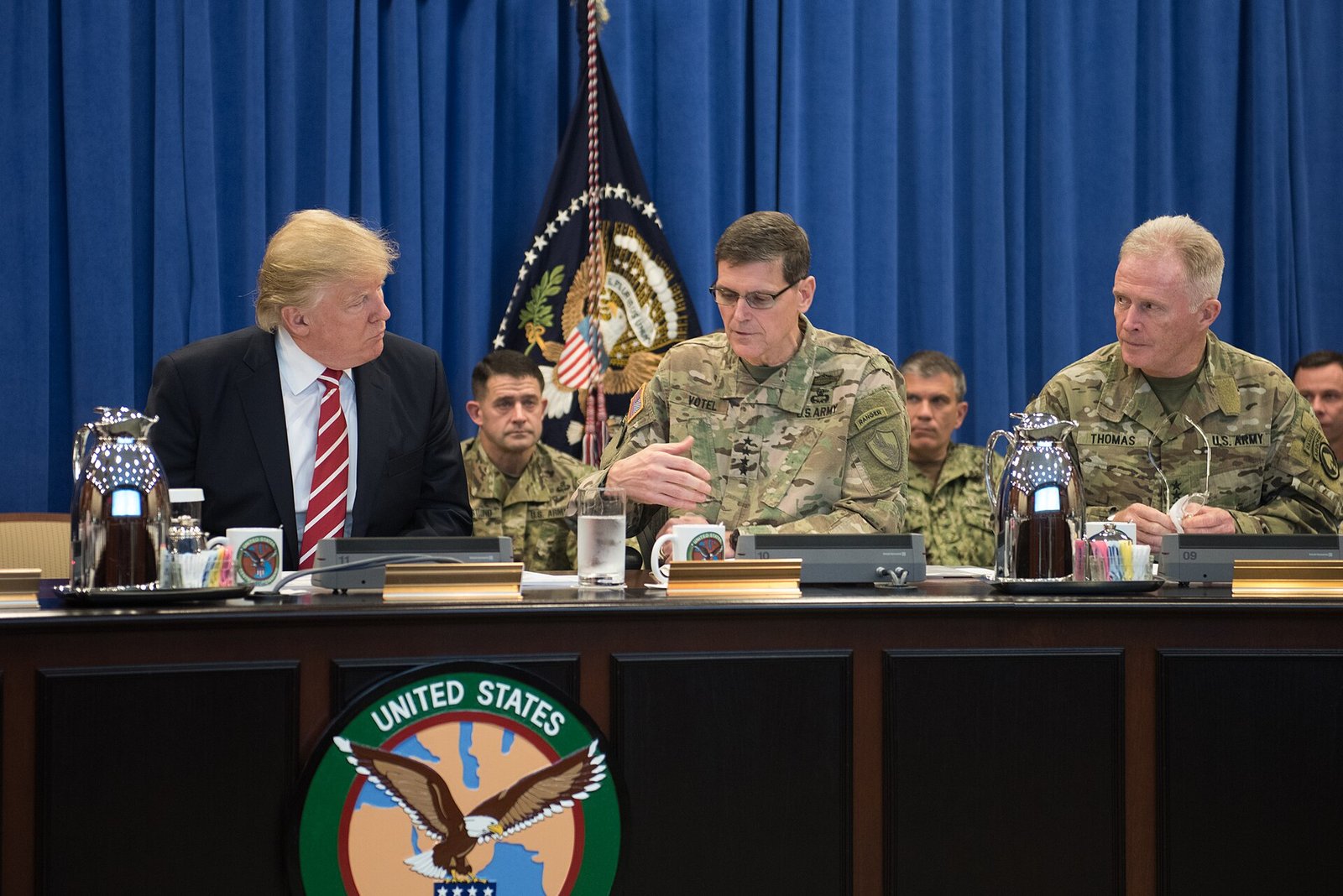
There is also the stage of leadership, showing who leads the conversation. Noboa attended an international meeting hosted by Trump at Mar-a-Lago, called the “Shield of the Americas” summit by U.S. officials, the BBC reported. At the summit, Trump compared criminal gangs to a “cancer” and urged Latin American leaders to use military force to eliminate them. “We don’t want it spreading,” Trump said, according to the BBC.
This kind of language serves a political purpose. It describes gangs as a disease rather than an economic system that thrives on drug routes, weak institutions, and global demand. It presents military force as the clear solution. It also puts the U.S. in the position of diagnosing the region’s problems and deciding the cure. For Latin America, this is a familiar stance, raising quiet questions: Whose war is this? Whose success counts? And what local costs will be paid while others claim victory?
After the meeting, Noboa embraced the idea of borders as battlefields. Standing beside Trump, he said, “For too long, the mafias thought that America was their territory,” adding that they crossed borders, moved drugs and guns, and spread violence without facing consequences, but “their time has run out,” the BBC reported. This message targets gangs but also speaks to a geopolitical audience. It signals to Washington that Ecuador is ready to be a frontline partner and tells the region that Ecuador’s crisis is now seen as a hemispheric struggle.
The Region Watches, Because Precedent Travels
Ecuador’s change is important for Latin American politics because it makes a certain approach seem normal, even though it isn’t bringing safety at home. The government has used a tough approach, declared states of emergency, and now stepped up with mass deployments and curfews, yet the murder rate still rose sharply and hit a record in 2025, according to the BBC. This contradiction doesn’t stay inside Ecuador. Others use it either to push for more force or to question if force alone can ever solve the problem.
It also strengthens the connection between a country’s internal security and its international alliances. When a nation becomes a major cocaine transit route, and a large share moves through its land, its internal violence becomes a global concern. This often means more foreign law enforcement, joint operations, summit diplomacy, and pressure to deliver quick results. The risk is that politics favors visible escalation over slow, steady reforms, since escalation looks impressive while reforms usually don’t.
Another tough truth is that Ecuador’s location won’t change. Colombia and Peru still border it. Drug routes don’t disappear because of a curfew; they shift, split, and change. If Ecuador is a corridor, cracking down in one area can push the problem into another. Declaring war can also make gangs more brutal as a way to send messages. The BBC’s related headlines about a “narco-sub” and growing cocaine routes to Europe are like background noise behind the curfew. They show a trafficking network that is clever, global, and not easily stopped by one government’s efforts.
So what does this mean for Latin American politics right now? It means Ecuador is quickly becoming part of a U.S.-led security system. Militarized responses are getting support from top diplomats, even though violence in Ecuador is rising. The region is once again being asked to view organized crime as a military enemy rather than a complex political economy. Ecuador’s crisis is turning into a test case, watched closely, because if this approach becomes the norm, its effects won’t stop at any border.
Also Read:
Ecuador Becomes Washington’s New Front in Latin America’s Drug War