No city is betting bigger on electric and autonomous transport than Dubai.
At the World Governments Summit earlier this month, Dubai’s Roads and Transport Authority signed agreements with three U.S. companies for transport systems that do not yet exist at any meaningful level anywhere.
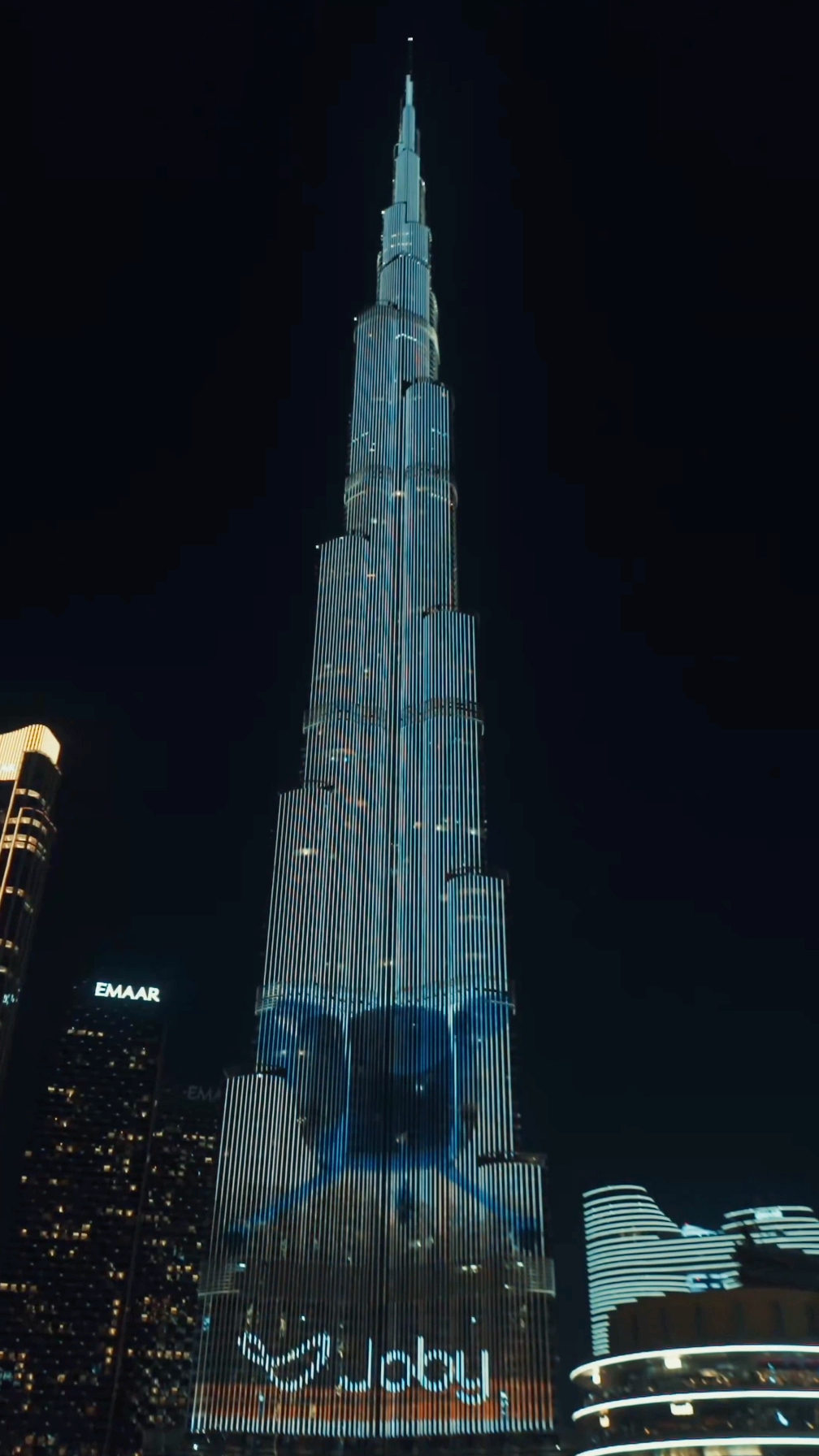
The biggest deal, worth $545 million overall, went to Elon Musk’s The Boring Company for underground tunnels. The second went to Glydways, a San Francisco startup building small self-driving pods that travel on narrow tracks. The third deal expanded a 2024 arrangement with Joby Aviation, a California company developing electric flying taxis backed by almost $900 million from the Japanese company Toyota.
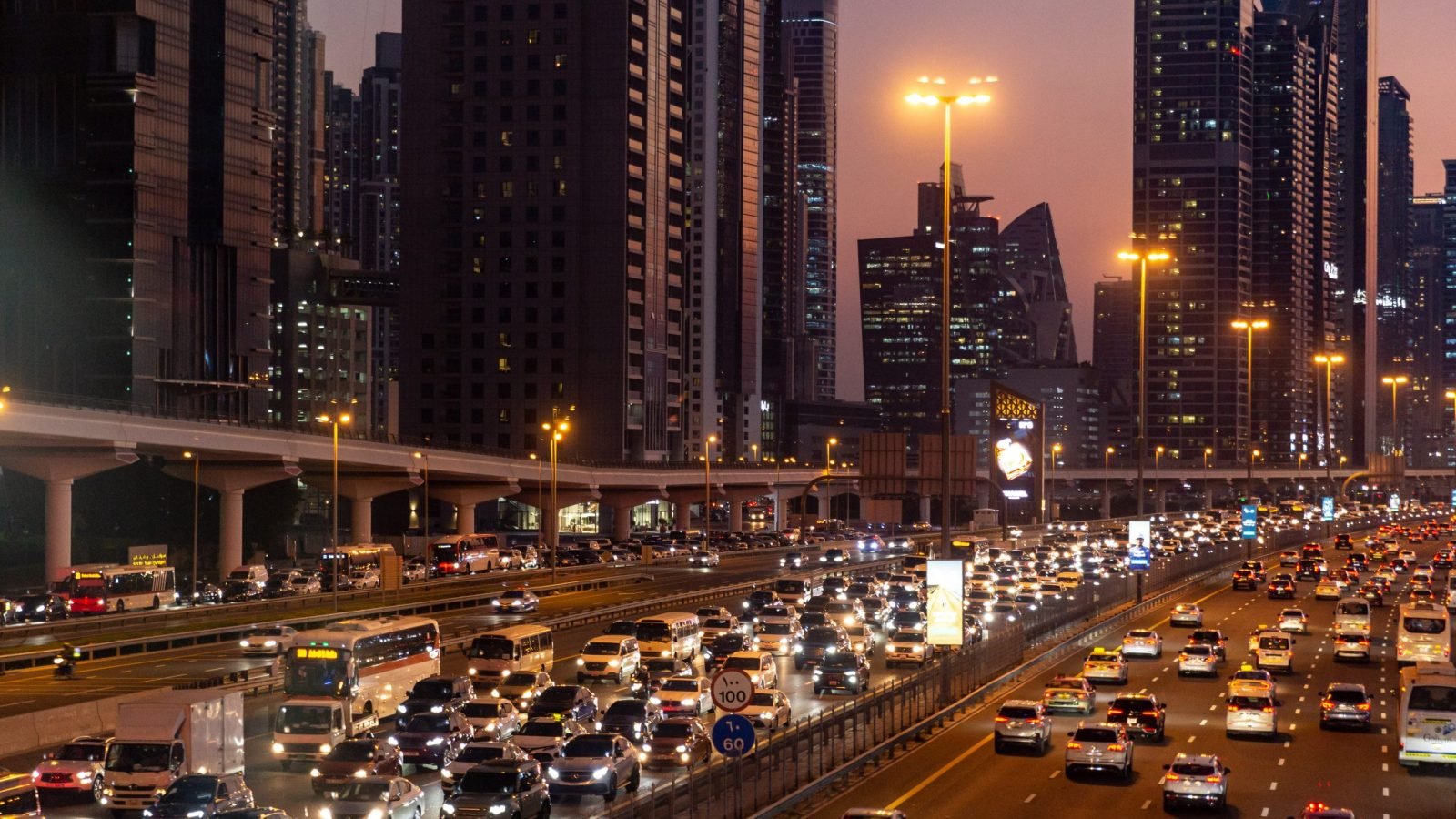
Dubai’s population has doubled in 15 years to more than 4 million. Registered vehicles are increasing at 10% per year, three times the global average rate, and residents lose an average of 35 hours annually to traffic delays. The challenge is whether three unproven technologies can deliver what the United Arab Emirates’ commercial capital actually needs.
“In a city scaling as rapidly as Dubai, there is a logic to exploring multiple solutions in parallel rather than relying on linear sequencing,” Martin Tillman, founder of Dubai-based transport planning advisory TMP Consult, told Rest of World. “The risk is reputational exposure if expectations run ahead of demonstrated performance.”
The Boring Company’s Dubai Loop, a network of underground tunnels designed to shuttle passengers in electric vehicles, would run 6.4 kilometers (4 miles) in its first phase, connecting the Dubai International Financial Centre to the Dubai Mall, the city’s most visited landmark. With four stations in the pilot phase, RTA director-general Mattar Al Tayer has said it could serve about 13,000 passengers daily.
The Boring Company’s only operating system, the Vegas Loop beneath the Las Vegas Convention Center, has carried about 3 million passengers since 2021 and uses human-driven Teslas at 30 to 40 miles an hour rather than the high-speed autonomous vehicles the company promised.
Marcus Enoch, professor of transport strategy at Loughborough University, has described the Loop as a high-end option comparable to helicopter taxis, which works for those who can afford it without meaningfully reducing congestion.
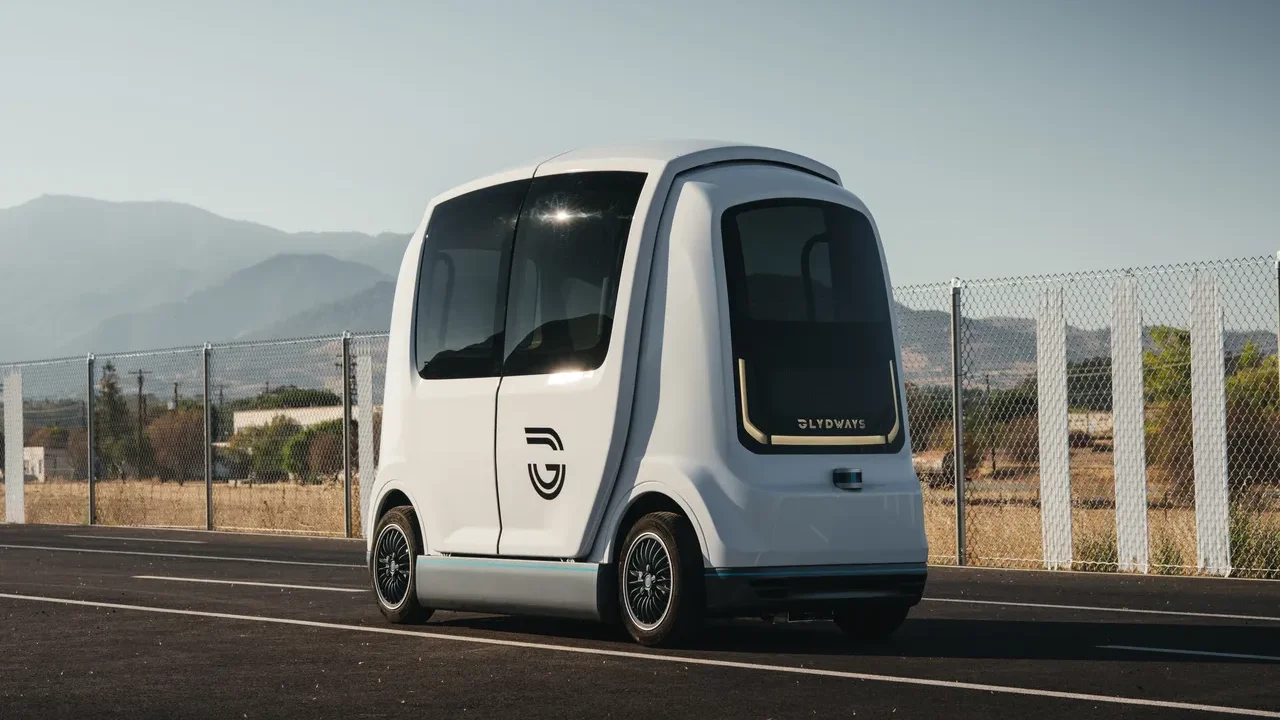
Glydways makes small, air-conditioned, and driverless electric pods that carry four to six passengers along narrow, dedicated tracks separated from road traffic. There are no fixed timetables and no strangers sharing the vehicle. The company says its system can move 10,000 passengers an hour in each direction at 90% less than the cost of conventional transport.
Glydways
Its first trial route in Dubai would run 2.8 kilometers from the National Paints Metro Station to Bluewaters Island, a waterfront entertainment district that is home to the world’s largest observation wheel. Trials could start by the middle of this year, CEO Mark Seeger said at the summit.
Glydways has yet to operate a commercial service anywhere. It has a test track in Concord, California, and recently broke ground on a pilot project near Atlanta airport.
“Glydways has been developing its solution over the past 10 years,” Amair Saleem, managing director of Glydways Transport Middle East, told Rest of World. “2026 marks an exciting period where its systems start to be deployed across various projects around the world, including Dubai.”
Operating enclosed pods in the Gulf heat presents an engineering challenge, a transport infrastructure expert in the region told Rest of World, requesting anonymity as they are not authorized to speak to the media. Each time a pod door opens in temperatures above 45 degrees Celsius (113 degrees Fahrenheit), the cooled air escapes and must be entirely replaced, compounding the energy cost at every stop.
Hundreds of pods making thousands of stops a day would sharply increase the cost of cooling alone, said the expert. The challenge is even greater in a city like Dubai, where experimental systems must be retrofitted into an existing car-dominated urban layout rather than built into a city designed from scratch.
Glydways’ pods have been designed to operate in temperatures as high as 50 degrees Celsius, and specific attention is being paid to cooling performance in the Gulf’s heat, Saleem said.
Joby Aviation is the furthest along of the three. The California company completed more than 850 test flights last year across the U.S., the UAE, and Japan, according to its own disclosures.
In November, Joby completed the first piloted point-to-point air taxi flight in the UAE, a 17-minute trip from its desert test facility to Al Maktoum International Airport. It is building vertiports at four Dubai locations with British infrastructure company Skyports.
Joby has not yet received type certification from U.S. regulators. Its president, Didier Papadopoulos, said in November it was “possible, depending on where things go” that the aircraft could carry passengers in the UAE before the Federal Aviation Administration’s approval.
Joby sought more time to comment on the certification timeline and the financial terms of the Dubai deal, while The Boring Company and Glydways did not respond to questions from Rest of World.
Dubai has tried placing big bets on experimental transport before.
In 2016, the city partnered with Hyperloop One to set up high-speed vacuum tube transportation between Dubai and Abu Dhabi. Despite raising $450 million and conducting a test run in the Nevada desert, Hyperloop One shut down in 2023 after failing to secure commercial contracts and facing significant engineering challenges.
In 2021, Dubai signed an exclusive deal with General Motors’ Cruise to deploy 4,000 self-driving taxis by 2030. Two years later, a Cruise robotaxi struck and dragged a pedestrian in San Francisco. GM shut down the program entirely, writing off $3.48 billion in losses in 2023 alone, and Cruise never carried a single passenger in Dubai.
Rest of World’s queries to the Dubai RTA about the current deals went unanswered.
The current round of deals appears to reflect “more implementation-ready frameworks” compared with earlier bets, said Tillman, who works with governments and developers across the Gulf. He was not aware, he said, of publicly available success criteria or time horizons for any of the three projects.
The city is also investing in proven infrastructure. Dubai’s existing metro runs on two lines, and a third, which would extend service to new parts of the city, is now under construction. Etihad Rail, a national passenger railway that will connect all seven emirates for the first time, is expected to begin service in 2026, Al Tayer told the summit.
The experimental deals position Dubai as the place where U.S. companies can test technologies that are still working through regulatory and technical hurdles at home. The question is how anyone will know whether that ambition has paid off.
The test should be practical, not promotional, and answer some key questions, Tillman said. How many people are actually riding? Is it safe? Does it cost less to run than it earns? And does it connect to the buses, metro, and sidewalks people already use?
None of those benchmarks has yet been publicly set.
“The balance will ultimately depend on how strongly pilots are scoped around specific local mobility challenges,” Tillman said.