European Commission announces provisional entry into force for the trade pillar of the EU-Mercosur deal
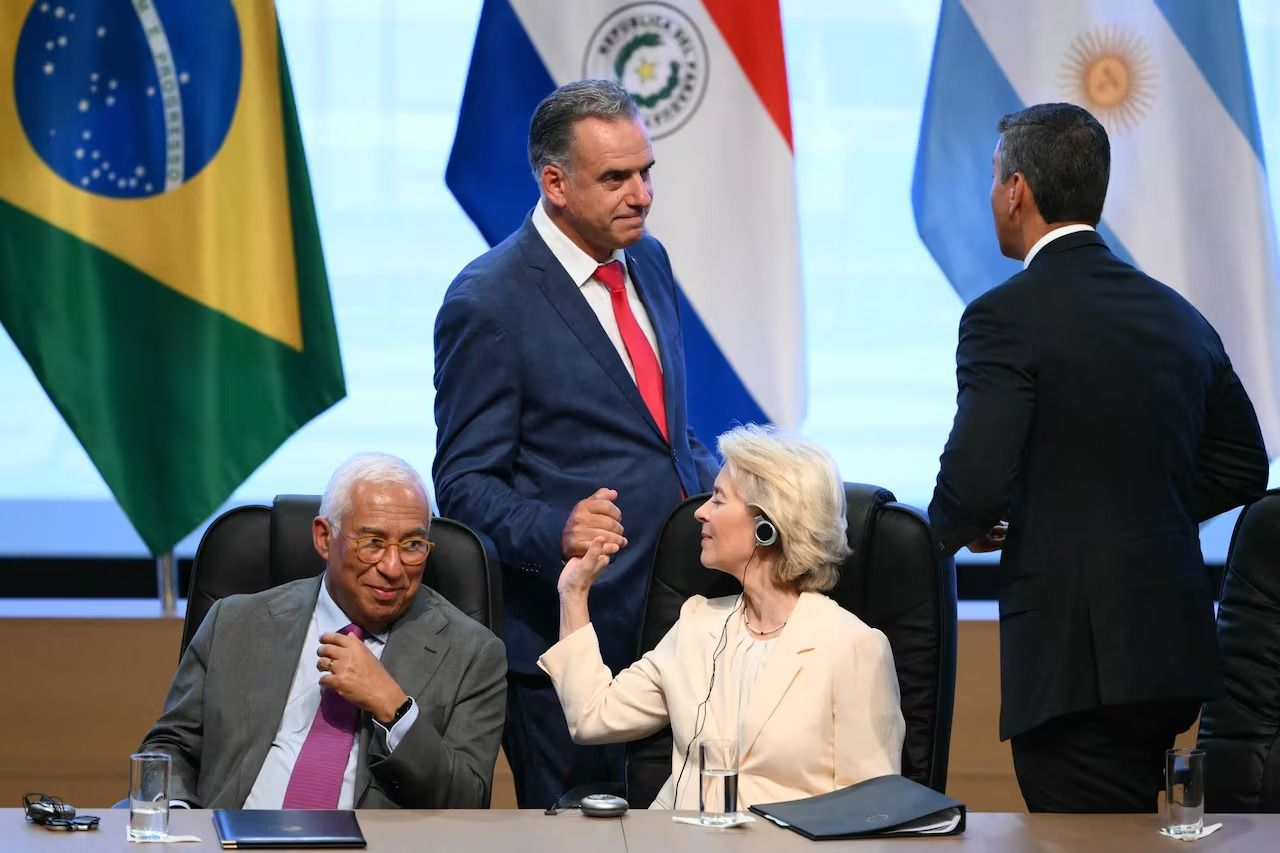
“I said before that when they are ready, we will be ready… On that basis, the Commission will now proceed with provisional application,” von der Leyen said
European Commission President Ursula von der Leyen on Friday announced the provisional application of the trade part of the EU-Mercosur association agreement, following parliamentary ratification in Argentina and Uruguay. The move activates trade commitments ahead of full conclusion of the treaty, which still requires the European Parliament’s consent.
“I said before that when they are ready, we will be ready… On that basis, the Commission will now proceed with provisional application,” von der Leyen said, according to remarks carried by European media and wire copy. She stressed that provisional application is “by its very nature, provisional” and that the agreement “can only be fully concluded once the European Parliament has given its consent.”
The deal was signed on 17 January in Asunción after roughly 25 years of negotiations. Under the broad architecture of the agreement, tariff cuts would be phased in over time and would cover most bilateral trade flows.
Legal track: CJEU opinion request and room to move
The announcement comes while the European Parliament keeps a legal review route open. On 21 January, lawmakers voted to request an opinion from the Court of Justice of the European Union (CJEU) on whether the agreement conforms with EU treaties. That process may delay final ratification, but it does not necessarily block provisional application if the Commission has Council authorisation and confines implementation to EU competences.
In her justification, von der Leyen pointed to Council backing for provisional application once at least one Mercosur country completed domestic ratification, arguing that Argentina and Uruguay’s “first-mover” step should be translated into practical effects.
Ratifications in the Southern Cone and next steps
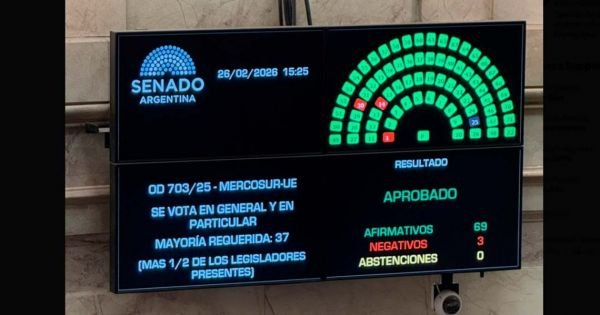
Argentina and Uruguay approved the agreement this week by large majorities, becoming the first founding Mercosur members to clear the legislative hurdle. Brazil and Paraguay, the bloc’s other founding partners, are expected to move forward with their own procedures in the coming weeks.
In Brussels, the working assumption discussed around provisional application is that it could operate on a bilateral basis between the EU and each ratifying Mercosur partner, allowing early use of trade preferences without waiting for all members—within the limits set by EU law and the eventual consent process.
A deal facing support and pushback inside the EU
The decision re-energises a politically sensitive debate in Europe, where farming and environmental groups have criticised the agreement’s potential effects. At the same time, EU leaders and several governments have framed it as a strategic market-opening tool amid broader global trade frictions.
Von der Leyen said the Commission will keep working with EU institutions, member states and “stakeholders” to ensure a “smooth and transparent” path toward the European Parliament’s final consent.