Extratropical cyclone strengthens off southern Brazil, raising flood and wind risks in Santa Catarina
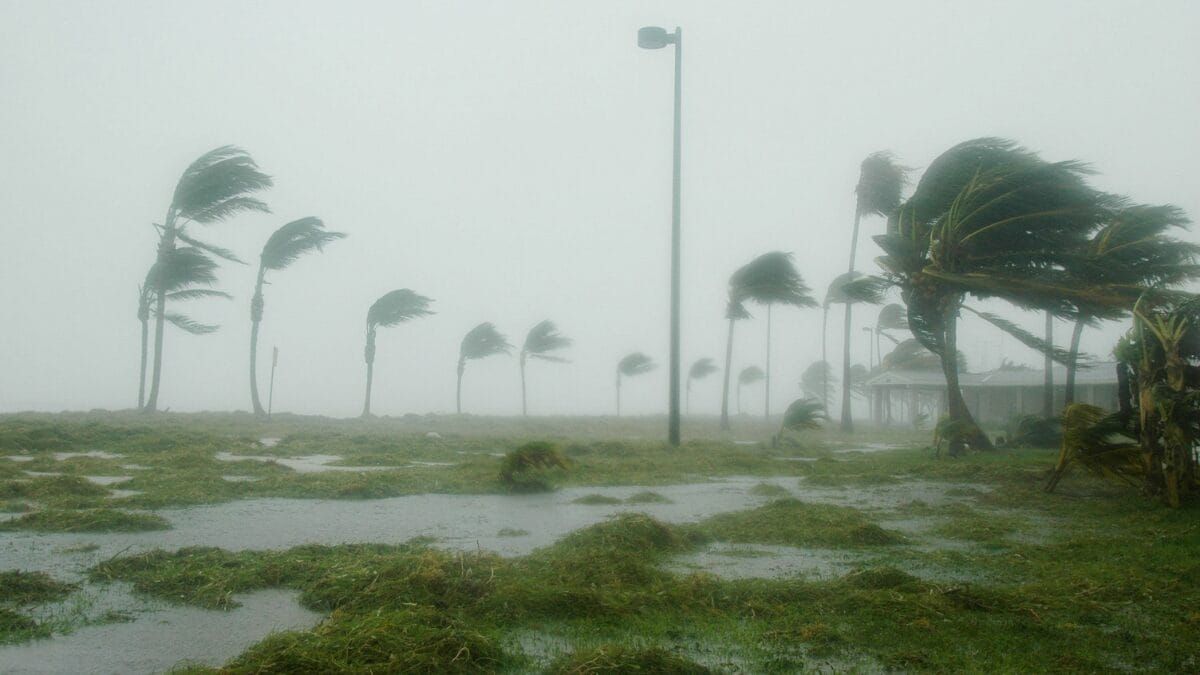
Civil Defense said the system is expected to form near Brazil’s Southeast and bring heavier rain back to Santa Catarina’s coastal strip
An extratropical cyclone forecast to develop offshore in the South Atlantic is already driving growing instability across Santa Catarina, with officials warning that conditions could worsen between Monday, Feb. 2, and Wednesday, Feb. 4. The alerts were issued by Defesa Civil de Santa Catarina and reported by Agência Brasil.
Civil Defense said the system is expected to form near Brazil’s Southeast and bring heavier rain back to Santa Catarina’s coastal strip. From early Tuesday, storms are likely to intensify—especially from the northern coast to the greater Florianópolis area—raising the risk of urban flooding, fast runoff and, in susceptible terrain, landslides.
Before that peak, the state has already seen isolated thunderstorms with lightning, strong wind gusts, possible hail and localized flooding, particularly along the coast and the Itajaí Valley. Civil Defense said individual storm cells may last two to three hours and still produce “point flooding” and spot damage.
Meteorologist Nicolle Reis, quoted by Agência Brasil, highlighted the expected shift from short-lived instability to sustained rainfall: “Unlike the weekend, when instabilities are fleeting, rain should occur in a persistent and high-volume way over the next days.” At the federal level, Instituto Nacional de Meteorologia (INMET) maintained a heavy-rain warning for the area, advising residents to avoid sheltering under trees during gusts and to take precautions around the power grid.
While the current system is still evolving, recent history underscores the region’s exposure: an extratropical cyclone in southern Brazil caused devastating floods and dozens of deaths in 2023. In 2025, an extratropical-cyclone-driven storm triggered widespread power outages in the São Paulo metropolitan area.
Authorities urged residents to monitor official bulletins and, in case of emergencies, to contact Civil Defense (199) or the Fire Department (193).