Caracas, Venezuela — In late November, just over a month before the US attack on Caracas that would result in the capture of President Nicolás Maduro, President Donald Trump issued a warning that airspace around Venezuela should be considered “closed in its entirety” as the US military build up mounted in the Caribbean sea.
It’s been over a month since the attacks and several airlines are taking steps to resume international flights to the country, opening up the possibility of improvements in connectivity as well as helping tourism in the Caribbean nation, known for its spectacular destinations.
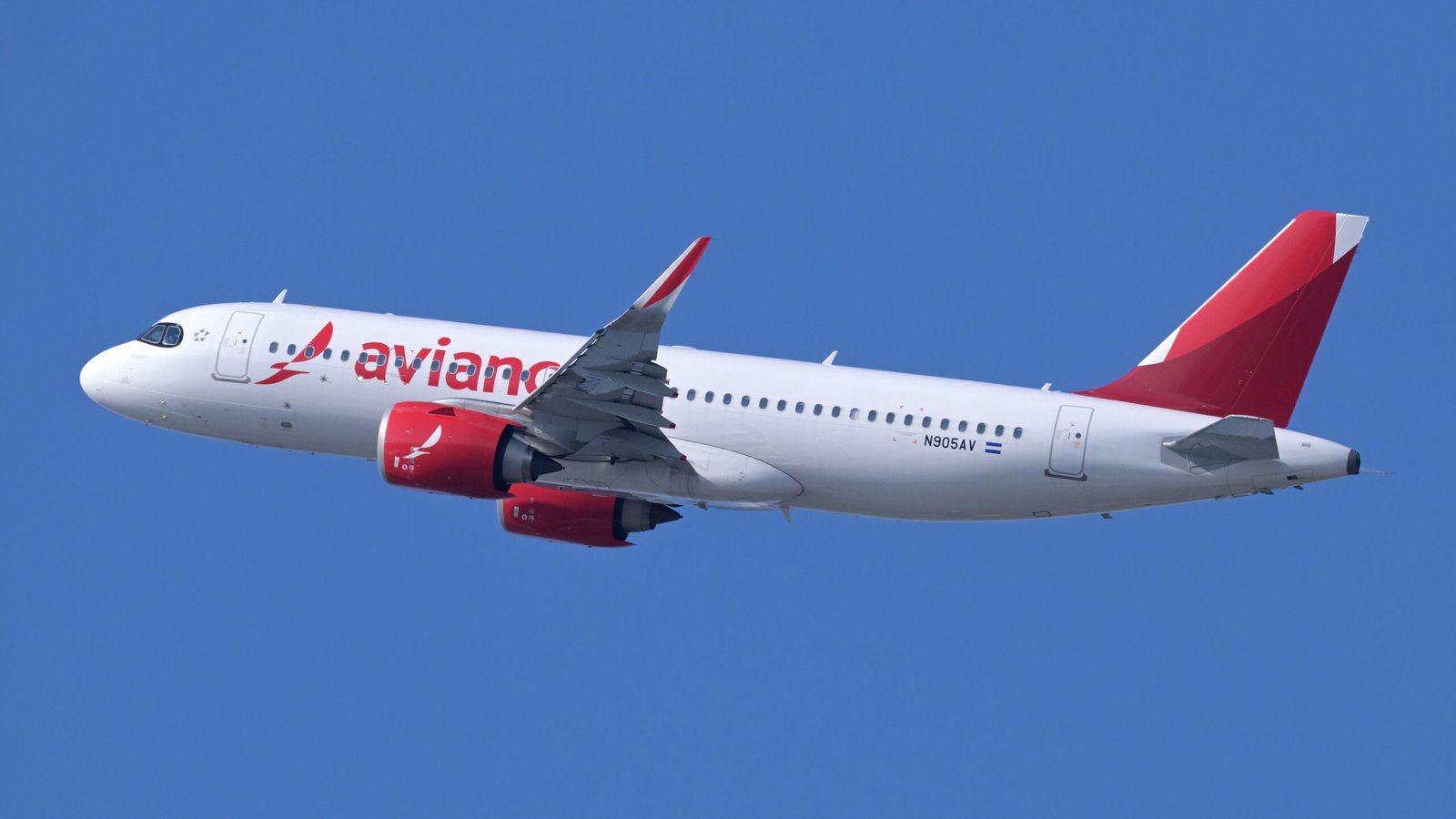
Avianca is leading the return by resuming its daily Bogotá-Caracas route on February 12, followed by Air Europa on February 17 and Laser Airlines (Caracas-Madrid) on February 18.
LATAM will resume its flights from Bogotá on February 23; Wingo will restart flights to Caracas from Medellín on March 1; Turkish Airlines and Plus Ultra will initiate flights on March 3; GOL will fly from São Paulo on March 8; and TAP Portugal will resume flights on March 30.
In the case of flights to the United States, Copa Airlines has already enabled ticket sales for the Caracas-Panama-Miami route since January 30, allowing passengers to travel again under the same reservation.
As for direct flights, American Airlines was the first US airline to formally announce its return, declaring itself “ready” to resume daily operations after being absent for nearly seven years in the country. However, there is still no formal date set for the start of these non-stop flights.
Most of these airlines suspended operations because, at the end of November 2025, the Federal Aviation Administration (FAA) issued a maximum alert for Venezuelan airspace, citing instability in navigation systems and military activity, leading several airlines to consider flying a risk and suspending operations.
For its part, the Venezuelan government responded by demanding that the airlines resume operations within 48 hours or lose their permanent permits, leaving several of them out of the country for months.
What does Venezuela’s tourism sector think?
Vicky Herrera, president of the Venezuelan Association of Travel and Tourism Agencies (Avavit), told Latin American Reports that the current situation is stabilizing and she expects a significant impact in the short term.
“I would describe it as a stabilization process. Why? Because at the moment, the airlines, both those that suspended operations and those that are re-entering the market, are somehow trying to adapt and establish everything related to operations in order to start flying again. I think that by March or April we will probably have a slightly more complete picture and we will be able to see more clearly which airlines will be operating in the country,” she said.
The tourism professional explained that it’s key for countries like the Dominican Republic and the United States to activate flights to Venezuela, something that will benefit the country.
However, her organization believes that connectivity to more nearby destinations should also be activated.
“Hopefully, some destinations related to South America will be added, because I think it is one of the areas that is a little neglected and the return of some of the important destinations in South America could probably be significant,” she added.
Another aspect she views as favorable is the predicted reduction of ticket prices as more and more flights are added.
Just after the disputed elections in 2024, Venezuelans complained of skyrocketing ticket prices, with common routes like Bogotá – Caracas hitting between USD $800 and $1,700 per ticket.
Herrera stressed that the tourism sector is eagerly awaiting an increase in flights.
“We have been working for a long time for this moment, for this possibility of opening up, for this possibility of improving something as important as connectivity,” she said. “We have been clear for a long time that it was necessary for connectivity to open up to new possibilities so that we could really begin to see competitive advantages for tourism.”
Of course, she also is cognizant of the challenges that remain for tourism in the country, saying that as the economy and public utilities stabilize, hoteliers can “offer a service without the need for an electric generator” — which increases their costs. “This will surely have an impact on prices and we will have a better offer,” she said.
Featured image: Avianca Airbus A320.
Image credit: Wikimedia Commons