Germany rejects sending ships to Hormuz as the EU seeks a diplomatic and logistical way forward
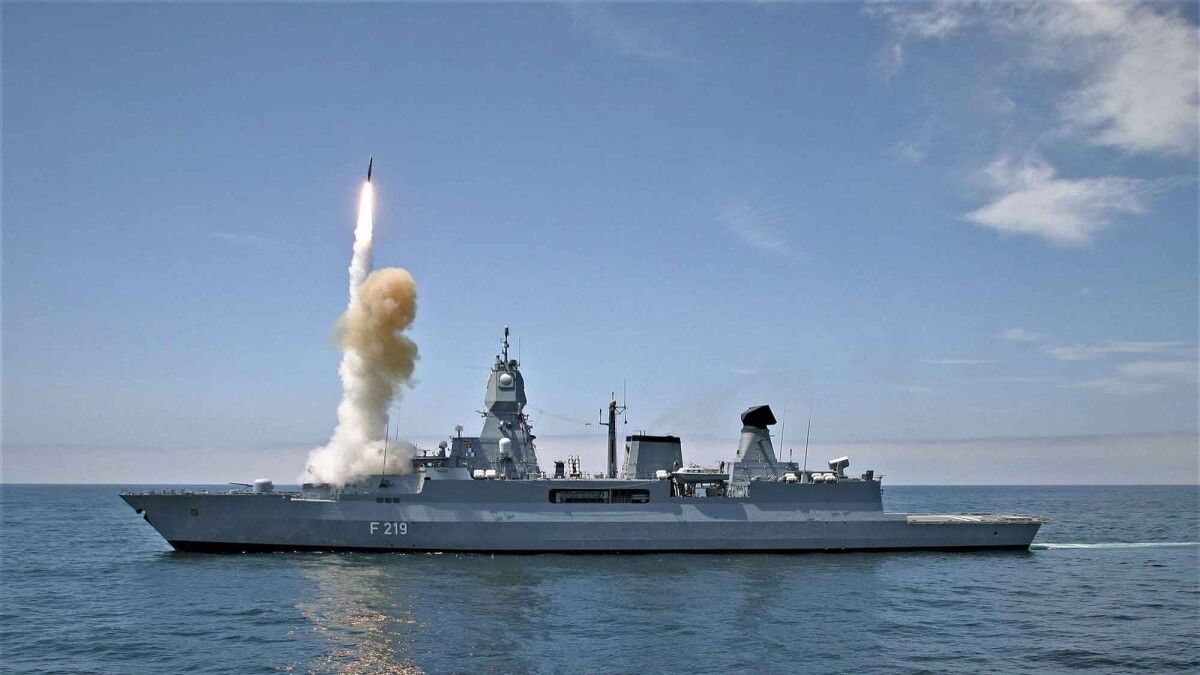
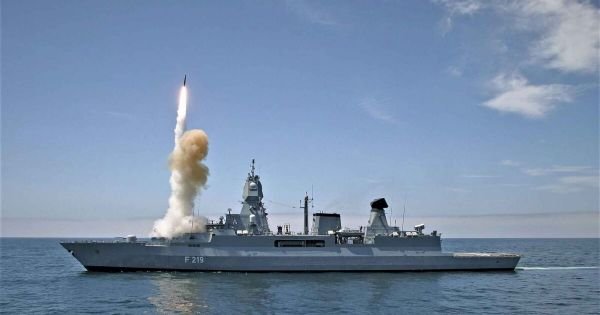
The German frigate FGS Sachsen (F-219) of the Sachsen class (Type 124) during a missile-firing exercise
Germany on Monday rejected U.S. President Donald Trump’s request for allies to send warships to the Strait of Hormuz to help reopen the shipping route. Defence Minister Boris Pistorius questioned what “a handful” of European frigates could do that the U.S. Navy could not already do, and summed up Berlin’s position bluntly: “This is not our war.” Chancellor Friedrich Merz’s spokesperson added that the conflict “is not NATO’s war” and that Germany had no plans to be drawn into it.
Germany’s refusal fits into a broader pattern among U.S. allies. Spain and Italy also ruled out military participation in the Gulf for now, while Britain and Denmark left open the possibility of considering some form of support, though both stressed the need to avoid escalation and not be pulled into a wider conflict. Trump had asked partners to help secure navigation through Hormuz and warned that a negative response would have consequences for NATO’s future.
From Brussels, EU foreign policy chief Kaja Kallas said keeping Hormuz open is in Europe’s interest and confirmed talks with the United Nations on a possible mechanism modeled on the Black Sea grain arrangement used during the war in Ukraine. She also said EU ministers were discussing whether the Aspides naval mission, currently focused on the Red Sea, could have its mandate adjusted. Greece, which leads that mission, has already made clear it intends to keep its role limited to the Red Sea, underscoring the divisions inside the bloc over any broader military move.
Spain reinforced that cautious line. Defence Minister Margarita Robles said Madrid would not take part in any military mission in Hormuz, and Foreign Minister Jose Manuel Albares said Europe must avoid any step that would add further tension. At the same time, Spain’s government has been preparing an economic and political response package to the Middle East war, following consultations with parliamentary groups and social partners, with measures expected to go before an extraordinary cabinet meeting later this week.
As European capitals debate how to respond to U.S. pressure, Israel has expanded its military front in Lebanon. The Israeli military said its troops were operating in new areas of southern Lebanon in a “limited and targeted” offensive against Hezbollah. According to Lebanon’s health ministry figures cited by Reuters, more than 880 people have been killed and over 800,000 displaced in Lebanon since the latest escalation. At the same time, Israel has continued strikes inside Iran in a war that has already disrupted energy shipping and pushed oil prices sharply higher.