In San Antonio, a viral insult directed at Hispanic fans turned into something bigger: a community response, a story about the borderlands, and a reminder that for Latin America, identity is more than just a label. It represents power, memory, class, and a sense of belonging.
A Slur That Misread the City
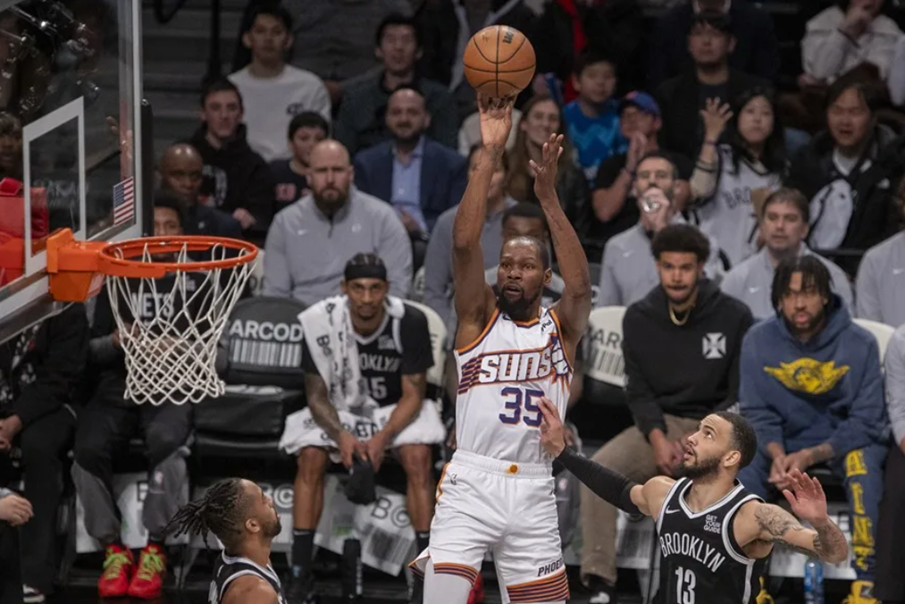
There are moments when politics slips into view through something small and ugly, a sentence tossed off in public, casual enough to sound almost ordinary, sharp enough to reveal the architecture underneath. During the San Antonio Spurs’ win over the Phoenix Suns on Thursday, that sentence arrived on a phone screen. A video showed a woman responding to a message that read, “A lot of crazy Hispanic fans,” with the line, “All Hispanic! How can they afford it?”
The clip went viral. By Saturday, the fans had answered.
The important thing isn’t just that the comment was offensive. It revealed two old assumptions: one about race, the other about money. Hispanic presence was seen as too much, then as suspicious. First, there were too many of them. Then people questioned if they belonged in a place where tickets cost money and leisure is on display, where public happiness is judged by someone else’s idea of class.
This moment matters beyond the arena and Texas. For Latin America and Latino communities shaped by shared history, this kind of insult feels familiar. It doesn’t always come with political words. Often, it shows up as disbelief: How are they here? How can they afford it? Why do they sound like that? Why are they so visible? The words may change, but the pattern stays the same.
According to The New York Times, the Spurs responded quickly in a way that showed the city better than the viral video did. The team said San Antonio shines and thrives because of its Latino culture and contributions. They ended with the phrase that means the most: “Por Vida.”
That phrase is important. It’s not just decorative Spanish. It’s the Spurs’ official slogan and hashtag, used in their promotions. It sums up the emotional bond between the team and the city. It means “for life.” Not a trend or a marketing gimmick. In a city where Latino culture is central, those words carry real meaning.
Here’s why that matters: San Antonio has 1.5 million people, and 64.6 percent are Hispanic or Latino, according to the U.S. Census Bureau. Among Texas’s four biggest cities, San Antonio is closest to Mexico. People commute back and forth for work all week. The city is also preparing for Fiesta San Antonio, an 11-day celebration founded in 1891. So, the insult didn’t just target a group—it misunderstood the city’s heart.
What the Border Already Knows
This misunderstanding is telling because San Antonio isn’t just close to Mexico. It’s part of a bigger borderlands rhythm where identity is complex and mixed. The city’s everyday life already shows what the woman didn’t get: Spanish is everywhere, Mexican family ties are common, and Latino presence isn’t an interruption—it’s part of the city’s foundation.
That’s why De’Aaron Fox’s reaction felt so right. He seemed shocked that the video even existed. “My high school was 60 percent Hispanic. I’m from Texas. Like, what do you expect?” he said. He went further, saying complaining about Hispanic fans in San Antonio is as pointless as going to Boston and complaining about White people. The comparison was blunt, and that’s what made it powerful.
Fox also made the conversation personal, where these debates often get real. He said his kids are a quarter Mexican because his wife’s mother was born in Mexico. He described a family where “all his uncles are Black, all his tias are Mexican.” Then he said something important: “This should be normalized.”
For Latin America, that sentence is the one to remember. The real issue isn’t just one woman’s comment. It’s that everyday mixing, shared spaces, visible differences, and bilingual life are still seen by some as unusual instead of normal. But this is exactly what the region has looked like for a long time, even when official stories tried to hide it, rank people, whiten some, or make others explain themselves more.
The border already knows this. So do families. So do cities built by migration, return, remittance, and repetition. What the viral moment revealed is how far everyday reality can still outrun the prejudices aimed at it.
When the Crowd Answers Back
The Spurs fans’ response was more than emotional. It was political in a deep civic way. They took the insult and made it laughable. On Saturday, fans showed up wearing custom “Crazy Hispanic Fan” shirts. They acted quickly, within 24 hours, doing what confident communities often do when mocked: they took back the phrase and wore it with pride.
This was more than a joke. It was a way for the community to take control of the story.
Frank Soliz, part of the Jackals fan section, said, “We’ve got to do something about that. We’re undeniable. We’re the Jackal out here. We’re family.” The keyword is family. It shows up again and again, and that’s no accident. Soliz said his mom is from Mexico. Aidan Sterling said the whole city came together with camaraderie, and that Spurs fans are, above all, familia. He added that San Antonio’s culture puts family first and is mostly Hispanic.
This is where the story connects most clearly to Latin America. The response wasn’t about revenge. It was about belonging. Fans showed up with flags, sombreros, and other signs of Latino heritage. Sterling was touched by the Mexican and Puerto Rican flags in the stands. The message was simple but powerful: We are here. We were already here. We are not a problem to be ignored.
Then AJ Reygadas added another perspective, one familiar in Latin American political culture. He said he didn’t agree with the remark, but didn’t want the woman to be destroyed over it. He said she made a mistake, and no one got her face on camera. He said, “We’re all San Antonio people, man.” He believed most Spurs fans would still welcome her and give her a hug.
That’s not a weakness. It’s confidence. It’s a community saying it doesn’t need cruelty to prove who it is. For Latin America, where identity has often been questioned, mocked, priced, and controlled, that response says a lot. The crowd didn’t ask to be accepted. It acted like it already belonged—because it does. In the end, that might have been the most political moment of the weekend.
Also Read:
Mexican Squad Bets on Nostalgic Memory as World Cup Pressure Builds