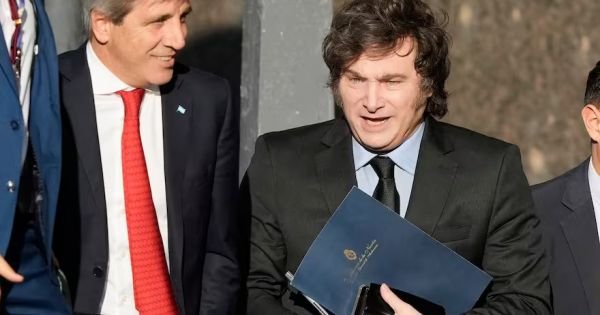
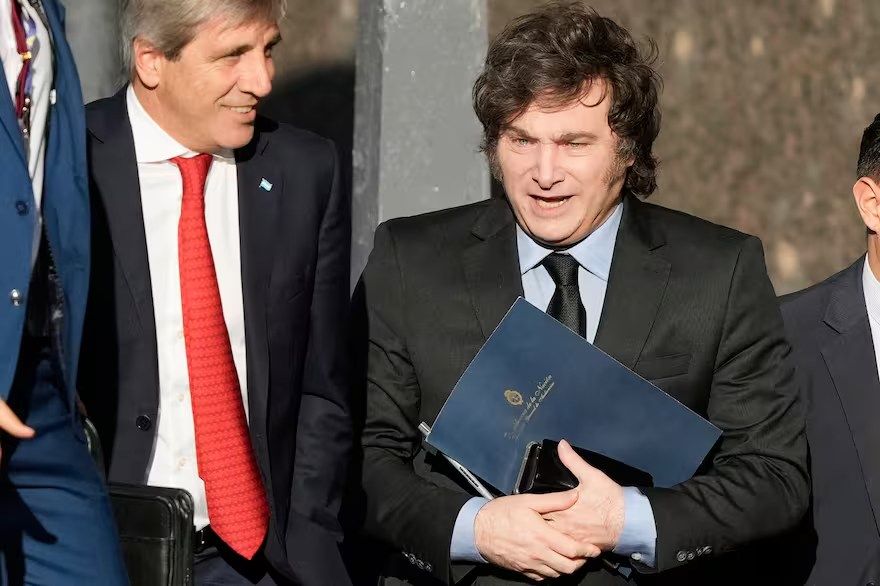
In 2024, President Javier Milei told business leaders that those who “escape the claws of the State” are “heroes,” criticizing what he called “stupid taxes.”
Argentina’s federal courts have begun closing hundreds of tax-evasion in bulk following the rollout of the so-called Fiscal Innocence framework, a reform that sharply raised the monetary thresholds required for tax evasion to qualify as a criminal offense and that is being applied retroactively under the “more benign criminal law” principle.
The measure —Law 27,799, according to official information released by the Customs and Revenue Agency (ARCA)— sets the new “simple evasion” threshold at 100 million pesos and “aggravated evasion” at 1 billion pesos. The official release also cites changes to the statute of limitations (from five to three years) and states that, once an infringement is detected, a notified taxpayer could settle the debt without going through a criminal case.
The judicial impact is concentrated in cases opened under far lower thresholds, in an economy shaped by years of high inflation. Because constitutional doctrine requires applying the law that is more favorable to defendants when rules change, judges must reassess pending files against the new limits: if the alleged amount falls below the updated threshold, the conduct no longer meets the criminal definition and the case is dismissed.
Retroactive application of updated monetary triggers has already been endorsed by Argentina’s Supreme Court in Vidal (2021). In that ruling, the court rejected the idea that higher thresholds should be treated automatically as mere inflation adjustments and reaffirmed that the “most benign law” principle can apply to criminal tax thresholds.
President Javier Milei had signaled his stance on taxation and economic behavior in 2024. Addressing business leaders, he said those who managed to “escape the claws of the State” would be “heroes,” not criminals, and derided “stupid taxes.” From within the judiciary, an official quoted by local reporting described the immediate consequence: “we now have to leave a huge number of cases in impunity.”
In the private sector, tax adviser César Litvin argued that criminal thresholds had not been updated since 2018 and that inflation had turned the system into a pipeline for low-value cases: “A $1,000 evasion was already punishable; even a small kiosk could get caught,” he said. Litvin added that the reform aims to prevent future distortions, including periodic updates and rules meant to narrow retroactivity disputes going forward.
Dismissal of criminal cases does not eliminate administrative exposure. Argentina’s tax procedure framework still provides for financial penalties for “tax fraud,” including fines ranging from two to six times the evaded tax, alongside other enforcement tools.
Inside the courts, the debate continues over whether reduced caseloads will enable authorities to focus on larger, more complex schemes — or whether the reform will weaken incentives and capacity to pursue high-value prosecutions. The government’s messaging frames the policy as a “paradigm shift,” stating it “returns to Argentines the freedom to use their money without having to explain it to anyone,” language critics read as a political signal of lower punitive intensity in fiscal matters.
The move adds uncertainty to Washington’s trade relationships
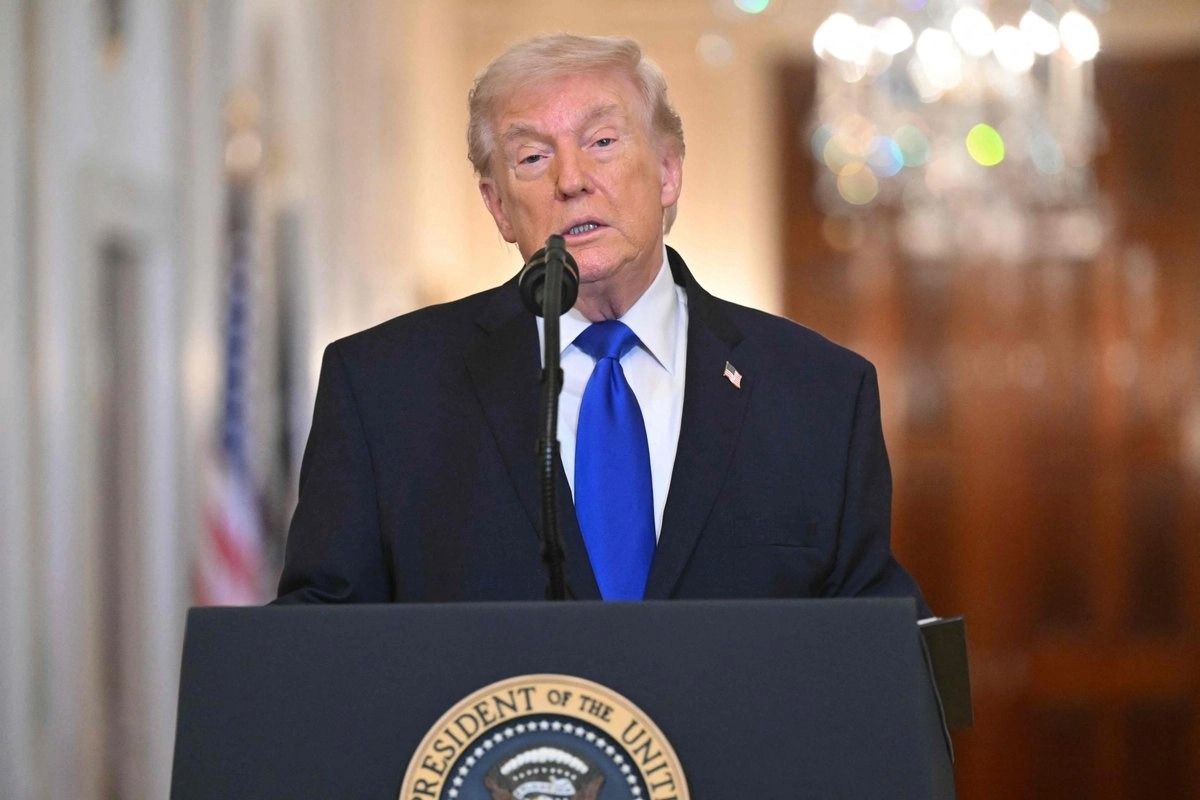
A fresh round of tariff moves announced by U.S. President Donald Trump has reintroduced market volatility and added pressure on the dollar, as investors and banks debate whether the currency is losing part of its traditional safe-haven role.
The latest episode followed a Supreme Court decision holding that the International Emergency Economic Powers Act (IEEPA) does not authorize the president to impose tariffs, striking down a large share of the previous tariff framework.
In response, the White House shifted to Section 122 of the Trade Act of 1974, a provision that allows temporary import surcharges for up to 150 days to address “fundamental” balance-of-payments problems. A broad 10% surcharge took effect on Tuesday, while Trump has kept the option of raising it to 15%, the maximum under that legal route.
The move adds uncertainty to Washington’s trade relationships. In Europe, the European Parliament froze the ratification process of a trade deal with the United States pending clarity on the practical scope of the new tariff and whether it aligns with agreed commitments.
Carsten Brzeski, ING Research’s global head of macro, said the Supreme Court ruling “sent a clear signal” about limits on presidential power, but he does not expect Trump to treat it as an off-ramp from his tariff agenda. ING also warned the time-limited structure could be prolonged if the administration declares new emergencies or seeks alternative legal tools.
In FX markets, the euro was trading around $1.18. Jefferies’ Europe economist Mohit Kumar argued that a Federal Reserve easing cycle, political uncertainty in the U.S., and efforts by some investors to reduce dollar exposure support the case for a more sustained weakening of the currency over coming quarters.
The debate also intersects with inflation and monetary policy. U.S. consumer prices rose 2.4% year-on-year in January, fuelling discussion about rate cuts later in the year, though analysts caution the timing may not be near-term. Natixis IM Solutions portfolio manager Jack Janasiewicz said that, with November midterms approaching, “affordability” has moved to the forefront and the time required to implement alternative tariffs could provide a temporary respite for prices.
Even so, ING flagged a tail risk: a synchronized sell-off in Treasuries, equities and the dollar if markets conclude that a core pillar of U.S. economic policy is starting to erode.
As reinforcements arrive, authorities are working to clear highways, secure critical facilities and prevent further attacks
Mexico has deployed thousands of additional soldiers and security personnel to contain a wave of violence reported across at least 20 states after the death in custody of Nemesio Oseguera Cervantes — known as “El Mencho” — leader of the Jalisco New Generation Cartel (CJNG), according to federal officials.
Defense Secretary Ricardo Trevilla said an extra 2,500 soldiers were sent to western Mexico on Monday, bringing the overall deployment since Sunday to about 9,500 troops, according to government figures.
The unrest escalated after Mexican special forces captured Oseguera Cervantes in Jalisco. Official accounts carried by international media said he was seriously wounded in a firefight during the operation and died while being transported toward the capital.
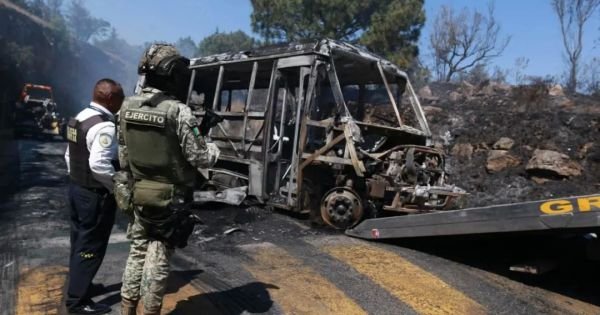
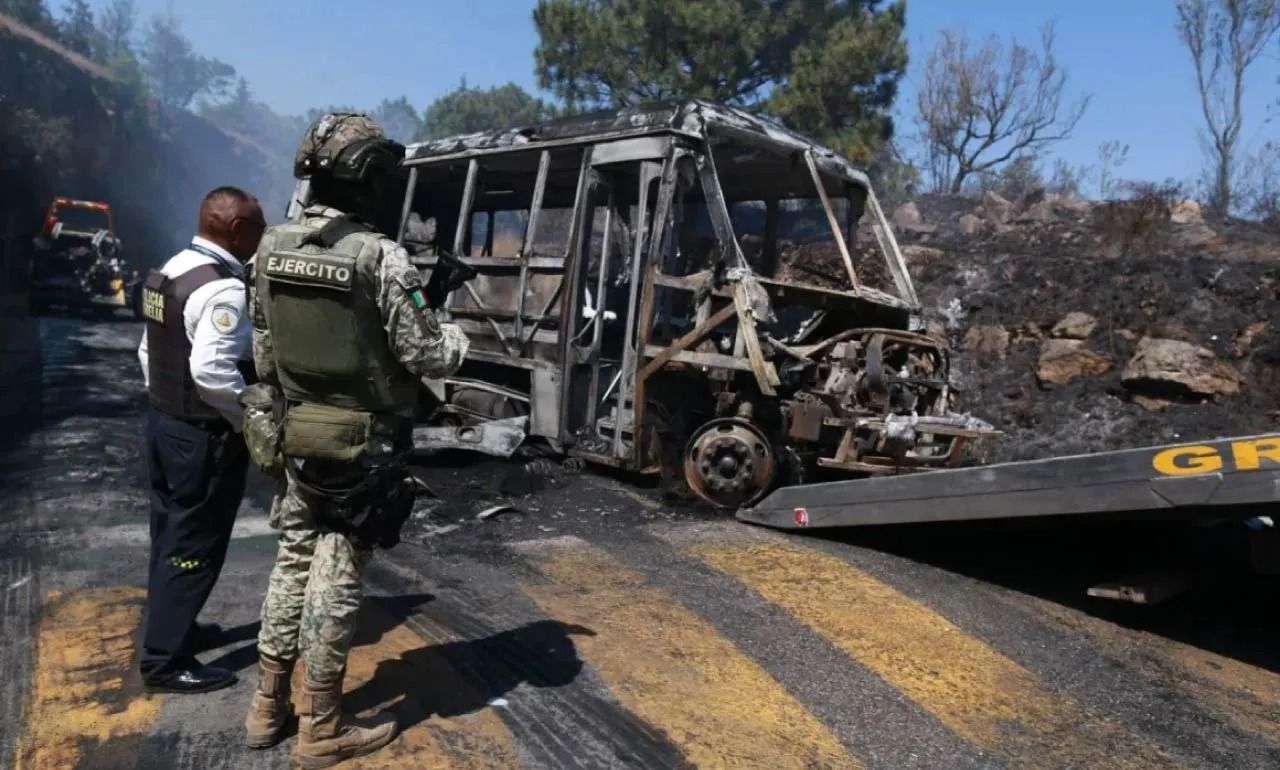
In retaliation, CJNG gunmen set up roadblocks, torched vehicles and launched attacks affecting security forces and local infrastructure in areas where the cartel operates. In some towns, attackers scattered spikes and nails across highways to halt traffic; in others, they hijacked buses and trucks and set them ablaze to block key routes.
Security Secretary Omar García Harfuch said at least 25 National Guard members were killed in Jalisco as the violence unfolded, and that operations remain underway to restore order.
AFP, citing García Harfuch, also reported casualties among prison and local justice personnel, as well as dozens of cartel members killed during the unrest and ensuing confrontations.
President Claudia Sheinbaum praised the military operation and said the government’s priority is to guarantee peace and security nationwide. “There is calm, there is government, there are armed forces, and there is a lot of co-ordination,” she said, according to international reporting.
As reinforcements arrive, authorities are working to clear highways, secure critical facilities and prevent further attacks. In Jalisco tourist areas, including Puerto Vallarta, fires and smoke plumes were reported, with verified footage showing military helicopters flying low over hotel zones as smoke rose in the distance.
As reinforcements arrive, authorities are working to clear highways, secure critical facilities and prevent further attacks
Mexico has deployed thousands of additional soldiers and security personnel to contain a wave of violence reported across at least 20 states after the death in custody of Nemesio Oseguera Cervantes — known as “El Mencho” — leader of the Jalisco New Generation Cartel (CJNG), according to federal officials.
Defense Secretary Ricardo Trevilla said an extra 2,500 soldiers were sent to western Mexico on Monday, bringing the overall deployment since Sunday to about 9,500 troops, according to government figures.
The unrest escalated after Mexican special forces captured Oseguera Cervantes in Jalisco. Official accounts carried by international media said he was seriously wounded in a firefight during the operation and died while being transported toward the capital.
In retaliation, CJNG gunmen set up roadblocks, torched vehicles and launched attacks affecting security forces and local infrastructure in areas where the cartel operates. In some towns, attackers scattered spikes and nails across highways to halt traffic; in others, they hijacked buses and trucks and set them ablaze to block key routes.
Security Secretary Omar García Harfuch said at least 25 National Guard members were killed in Jalisco as the violence unfolded, and that operations remain underway to restore order.
AFP, citing García Harfuch, also reported casualties among prison and local justice personnel, as well as dozens of cartel members killed during the unrest and ensuing confrontations.
President Claudia Sheinbaum praised the military operation and said the government’s priority is to guarantee peace and security nationwide. “There is calm, there is government, there are armed forces, and there is a lot of co-ordination,” she said, according to international reporting.
As reinforcements arrive, authorities are working to clear highways, secure critical facilities and prevent further attacks. In Jalisco tourist areas, including Puerto Vallarta, fires and smoke plumes were reported, with verified footage showing military helicopters flying low over hotel zones as smoke rose in the distance.
Alckmin replied that the discussion should not be rushed and must reflect the diversity of realities across Brazil’s productive sectors
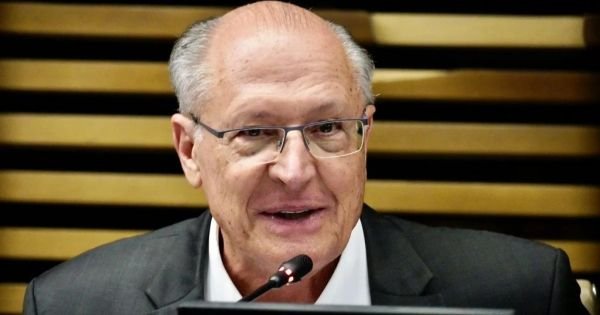
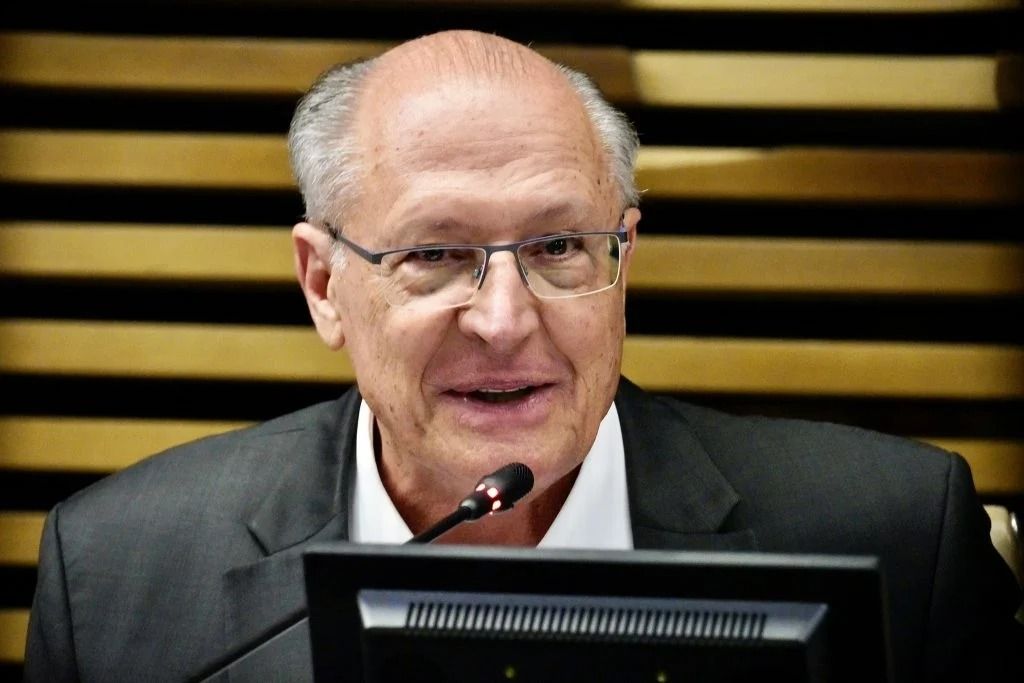
Brazil’s Vice President and Industry and Trade Minister Geraldo Alckmin said on Monday that shorter working hours are a “global trend” and that Brazil should debate the issue in depth, as business leaders push to delay discussion of ending the widely used 6×1 work schedule.
Alckmin spoke at the Federation of Industries of the State of São Paulo (Fiesp), where he signed two memorandums of understanding with the group—one focused on trade defence and countering unfair practices in foreign trade, including anti-dumping instruments, and another aimed at improving Brazil’s regulatory environment by cutting red tape and boosting competitiveness.
During the event, Fiesp president Paulo Skaf asked that debate over ending the 6×1 schedule be postponed “to 2027,” arguing that an election year can amplify tensions and distort policymaking. “In an election year, emotions… often conflict with the country’s interests,” he said.
Alckmin replied that the discussion should not be rushed and must reflect the diversity of realities across Brazil’s productive sectors. At the same time, he framed the issue as part of a broader international movement. “There is a global trend toward a reduction… this has already been happening,” he said.
Trade defence and regulatory agenda
Under the trade-defence protocol, the ministry and Fiesp will cooperate institutionally, share technical tools and experience, and develop a “dumping margin calculator” intended to speed up calculations in trade-defence investigations. The regulatory protocol aims to reduce red tape, improve regulatory quality and expand digitalisation and system integration in public services, with the stated goal of lowering administrative and compliance costs for businesses and society.
Rates and US tariffs
Addressing industrial executives, Alckmin also said he expects Brazil’s central bank to begin cutting the benchmark Selic rate — currently at 15% a year — at its next meeting in March, citing a stronger real and easing food inflation. He additionally described the United States’ newly announced 15% global tariff as “positive” for Brazil, arguing that a uniform rate applied across countries reduces relative disadvantages against competitors.
Under the legislative schedule cited by lawmakers and local media, the bill is due to be voted in the Senate on Wednesday, Feb. 25
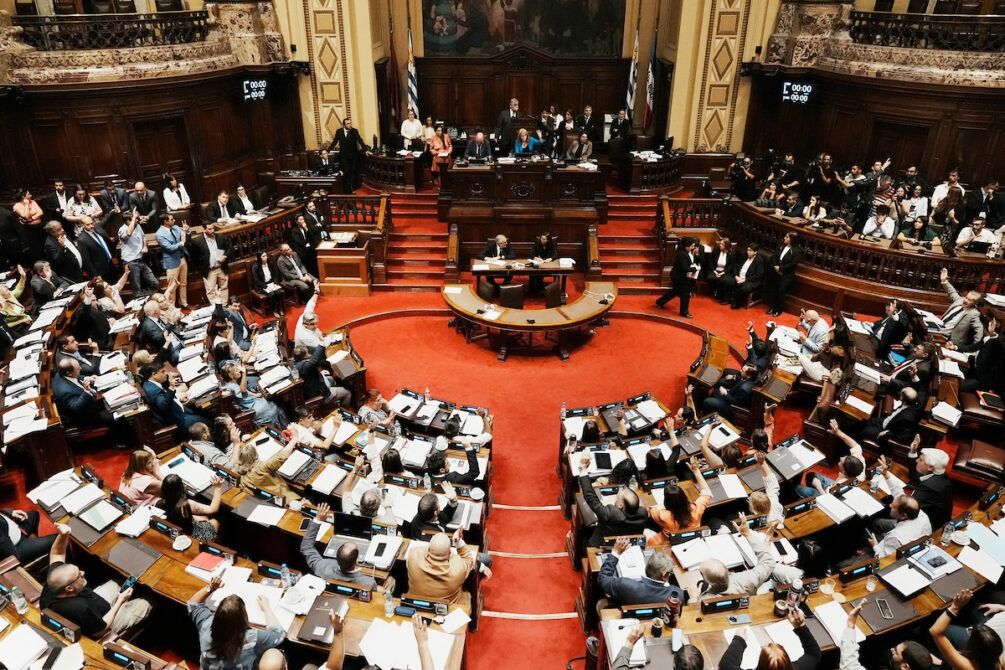
A special committee of Uruguay’s parliament tasked with reviewing the EU–Mercosur agreement approved the ratification bill on Monday, clearing the way for floor votes in the Senate and lower house in the coming days — a timetable that could make Uruguay the first Mercosur member to complete domestic approval.
Under the legislative schedule cited by lawmakers and local media, the bill is due to be voted in the Senate on Wednesday, Feb. 25, and, if passed, sent to the Chamber of Deputies on Thursday, Feb. 26. The committee backed the initiative unanimously after hearing from an executive delegation led by Foreign Minister Mario Lubetkin and Economy Minister Gabriel Oddone, who outlined sector-by-sector implications and implementation considerations.
The EU–Mercosur agreement was signed on Jan. 17 in Asunción after more than 25 years of negotiations, setting out an association framework and trade provisions between the European Union and Mercosur partners.
Regional pace inside Mercosur
Uruguay’s move comes as other Mercosur members continue their own legislative procedures. In Argentina, the agreement has already cleared the lower house and is still pending in the Senate, according to regional parliamentary tracking carried in dispatches from the EFE wire. Brazil and Paraguay are also expected to move through their domestic processes in the coming weeks, amid political efforts to accelerate approvals and unlock the next phase of the deal.
What happens on the EU side
In Europe, the ratification track now includes a legal step: the European Parliament voted to request an opinion from the EU Court of Justice on whether the agreement is compatible with the bloc’s founding treaties, effectively pausing a formal parliamentary ratification until the court rules.
Even so, EU procedures allow for provisional application of parts of the agreement through a Commission-led route, subject to the necessary EU authorisations, without waiting for a final parliamentary vote. In recent weeks, the Commission has signalled readiness to trigger provisional application once at least one Mercosur country completes domestic ratification, according to specialised reporting from Brussels.
Uruguay’s debate has focused on implications for export industries and sensitive sectors, with the government arguing that early ratification would provide predictability for businesses and position the country at the start of the new trade framework, while EU-level discussions continue over safeguards and the pending legal assessment.
News Americas, NEW YORK, NY, Tues. Feb. 24, 2026: A resurfaced claim about Florida Congressman Byron Donalds’ early use of a Jamaican accent is igniting more than political gossip – it’s opening a broader conversation about Caribbean identity, assimilation, and authenticity in American politics.
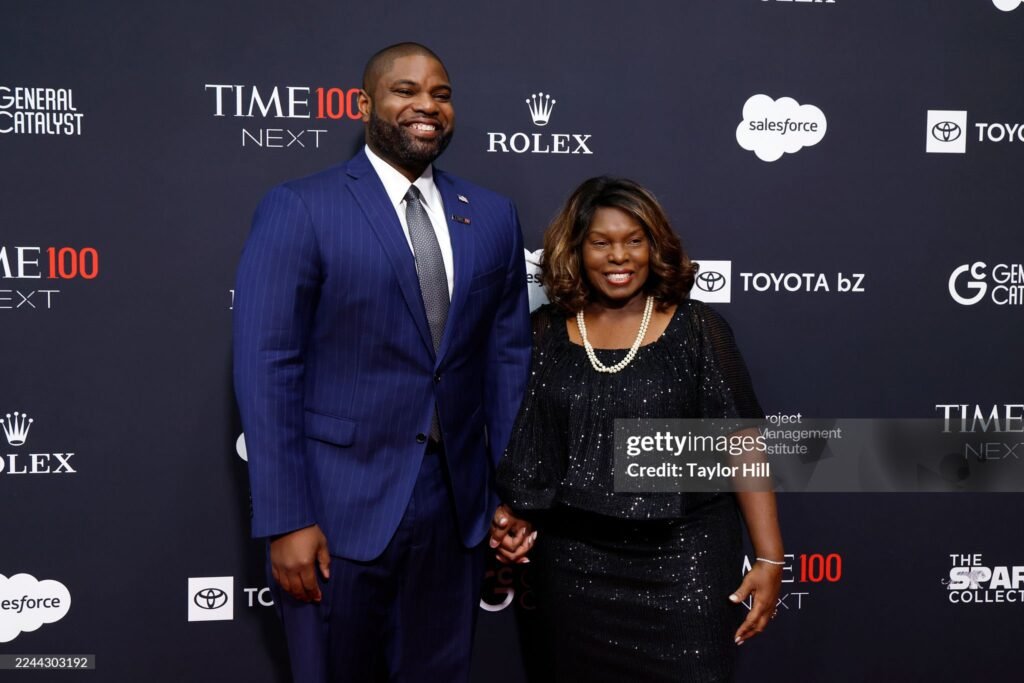
FLASHBACK- Byron Donalds and his mother, Meredith Brown, attend Time100 Next at Current at Chelsea Piers on October 30, 2025 in New York City. (Photo by Taylor Hill/WireImage)
Donalds, a Brooklyn, NY-born lawmaker of Jamaican and Panamanian heritage, is currently campaigning to become Florida’s next governor. But comments from his former wife alleging that he once spoke with a pronounced Jamaican accent – and later dropped it – have raised deeper cultural questions within Caribbean diaspora communities.
For many Caribbean Americans, accents are not simply speech patterns. They are markers of belonging, migration history, pride, and sometimes vulnerability. Across the United States, Caribbean immigrants and their children have long navigated a delicate balance: when to lean into their heritage and when to neutralize it. In professional spaces, politics especially, accent often intersects with perceptions of credibility, electability, and “mainstream” appeal.
It is not uncommon for first- and second-generation Caribbean Americans to modulate their speech. Some do so to avoid discrimination. Others to integrate. Still others as part of natural cultural evolution. What makes this moment notable is that Donalds has publicly celebrated his Caribbean roots – often referencing his Jamaican heritage and likening himself to prominent Jamaican-American figures such as Colin Powell in the past. Yet today, his public bio and speaking carries no audible trace of that ancestry.
The larger question is not whether someone once had an accent. It is whether Caribbean identity in American politics must be softened, reshaped, or strategically curated to win statewide office.
For a diaspora community that has contributed significantly to U.S. public life – from Shirley Chisholm to Kamala Harris to Caribbean-descended lawmakers across Congress – authenticity remains a sensitive subject. Caribbean voters in Florida, New York, and beyond are increasingly influential. In South Florida alone, Jamaican, Haitian, Trinidadian, and other Caribbean communities represent decisive voting blocs.
The debate therefore moves beyond personal history and into political optics:
• Does shedding an accent reflect assimilation or ambition? • Does it represent growth or distancing? • And in an era where identity politics remains central, how much of one’s cultural presentation is strategy versus self-expression?
Accent adaptation is not unique to Caribbean Americans. Politicians across ethnic groups often adjust tone, cadence, and speech patterns depending on audience and geography.
But for diaspora communities historically marginalized or stereotyped, accent carries emotional weight. The discussion unfolding now is less about personal relationships and more about representation. Caribbean Americans are increasingly visible in American political leadership. As that visibility grows, so does scrutiny – not only from opponents but from within the community itself.
Ultimately, voters tend to judge candidates on policy, governance, and leadership. Yet, moments like this reveal an enduring truth: identity in politics is never purely personal.
For Caribbean Americans watching this race unfold, the real story may not be about accent at all – but about how heritage is expressed, preserved, or recalibrated in pursuit of power. One of Donalds’ Republican rivals in the gubernatorial primary, James Fishback, has has previously come under attack for referring to Donalds as “By’rone” in racially-charged social media posts, including one in which he claimed his opponent was seeking to turn Florida into a “ghetto.”
Like this:
LikeLoading…
Help Sustain Independent Caribbean Diaspora Media.
Support NewsAmericas
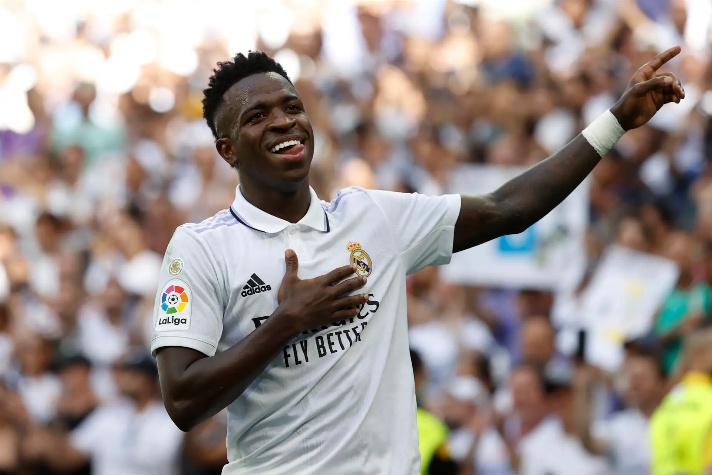
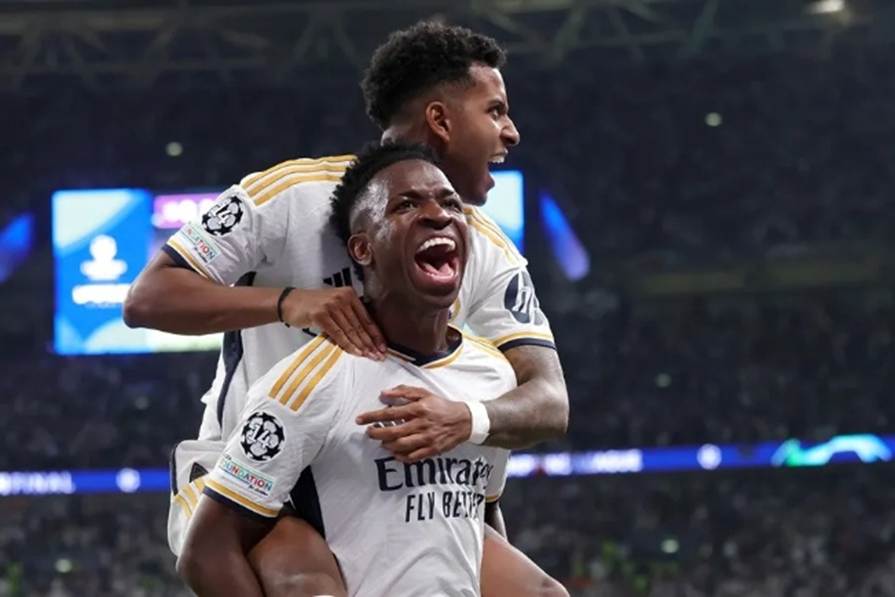
In Lisbon, Vinícius Junior’s celebration, a paused Champions League match, and a UEFA investigation revived football’s oldest debate: is racism truly punished or just managed? For Real Madrid’s Brazilian star, this moment reflects years of abuse and avoidance in Spain.
A Corner Flag, a Covered Mouth
The ball had just hit the net when Vinícius Junior turned to the corner flag and danced, close enough to make the celebration feel personal. Four minutes into the second half, Real Madrid was leading Benfica, and the Estadio da Luz was filled with a tense silence as thousands held their breath.
Then everything changed.
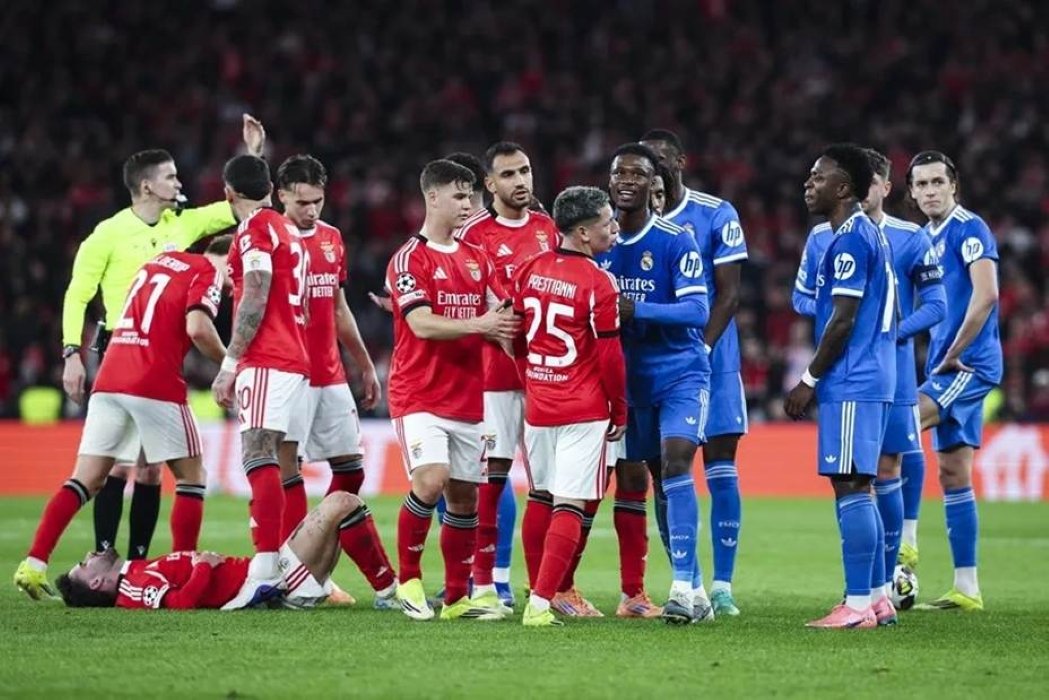
Benfica players converged. Words came fast. Gianluca Prestianni, their winger, pulled his shirt up to cover his mouth as he spoke, a familiar habit in modern football, private speech in public. Vinícius told referee Francois Letexier he had been racially insulted, The Athletic reported, and Prestianni later denied it.
Letexier activated UEFA’s anti racism protocol. The match stopped, The Athletic reported, and for a stretch it looked as if it might not restart. Vinicius left the pitch and sat on the bench before he and his teammates returned. It stops. It restarts. That rhythm is part of the policy now, and it is also part of the problem.
Real Madrid’s account is based on more than feelings—it’s backed by evidence. The club confirmed on Thursday that it gave UEFA all available proof about Tuesday’s incidents and the alleged racist insult. It said it has been actively cooperating with UEFA’s investigation into what it called “unacceptable episodes of racism.” The club also shared images it says show fans making monkey gestures from the stands.
UEFA, as reported by Real Madrid, is investigating and has appointed an ethics and disciplinary inspector to conduct the procedure.
The problem is how blurry the line is between following protocol and facing real consequences when the key moment is spoken, hidden, and disputed. Real Madrid said that neither Letexier nor any official heard the alleged insult, so the match continued under protocol instead of punishment. According to IFAB’s Laws of the Game, rule twelve calls for a direct red card if the referee hears a racist insult. But in this case, the crucial sound was missing, even as the stadium made its own noise.
Real Madrid reported that objects were thrown from the stands onto the field and that the game was halted for about eight minutes amid threats by Vinícius and other Madrid players, including Kylian Mbappe, to leave the pitch. Mbappe’s account, as cited by Real Madrid and also reported by The Athletic, was blunt: “The number twenty-five said five times to Vini that he is a monkey.”
Prestianni responded later on social media, denying the claims, as reported by Real Madrid and The Athletic. “At no time did I direct racist insults to Vini Jr,” he wrote. He added that Vinicius “misunderstood what he thought he heard” and said he had received threats from Real Madrid players. Vinícius responded like someone who knows how these nights unfold. “Racists are, above all, cowards,” he wrote on Instagram after the match, as reported by Real Madrid and The Athletic. “They need to put their shirts over their mouths.”
Real Madrid’s Brazilian forward Vinícius Jr. EFE/JuanJo Martín
Deja Vu and the Politics of Denial
The Athletic described Tuesday’s allegation as a painful sense of deja vu, and it’s more than just a feeling. It’s a repeated pattern backed by records.
In figures cited by The Athletic, La Liga has recorded twenty-six incidents of racist abuse directed at Vinícius Jr at ten different football grounds in Spain since October two thousand twenty one. Those numbers are more than a tally. They are a map of repetition, a route traced by chants, gestures, and the slow work of institutions deciding what they can prove.
The story The Athletic shares from recent seasons is sadly familiar: racist chants before, during, and after an Atletico Madrid match in September 2022; a mannequin made to look like Vinícius Jr hung from a bridge near Real Madrid’s training ground the next January; and later, suspended prison sentences for members of Frente Atletico involved in that act, in June 2025.
And then there is Valencia, where the conflict became global and also local in the sharpest sense. The Athletic described “dramatic scenes” at Mestalla in May two thousand twenty three, when Vinícius confronted a group of home fans behind one of the goals during a break in play. A Spanish football federation report later detailed the language he faced, The Athletic reported, and three supporters were found guilty of a hate crime. Yet The Athletic also reported that many around Valencia came to believe they were the ones wronged, turning a racist incident into a civic grievance.
Moha Gerehou, a Spanish writer and anti-racism activist, explained this reversal to The Athletic with clear insight. “There was a choice between protecting a victim of racism or protecting the interests of their football team,” he said. “They had no problem downplaying what Vinicius Jr went through.” active. The Athletic reported that Spanish media wrongly characterized Vinícius’s court testimony, that Valencia demanded an apology, that a newspaper depicted him as Pinocchio, and that Valencia later filed a lawsuit against Netflix over alleged inaccuracies in a documentary about his battles against racism. Each step is different. The direction is the same.
The Athletic also highlighted an argument that follows Vinícius across Spain: it’s not about whether racism happened, but whether he provoked it. Alberto Edjogo Owono, a former Equatorial Guinea international and Spanish TV pundit, said in a conversation reported by The Athletic: if you’re against Real Madrid, “often the conversation isn’t about the racist abuse but whether he provokes it.” Football, he added, is emotional, and that emotion “brings out the most primitive.”
Real Madrid’s Brazilian forward Vinícius Jr. EFE/Neil Hall
Benfica: It’s A “Defamation Campaign”
Vinícius has been pushing back for years, often in cultural terms that link his Latin American identity closely to the debate. When a Spanish football agents association president criticized his celebrations in 2022, Vinícius defended dance as “cultural diversity,” in a post reported by The Athletic. He mentioned samba and Brazilian funk alongside reggaeton and Black American dances, showing that the real issue is always about who gets to be joyful, and how.
Gerehou described a similar divide with words that stick: “It’s more about who is the ‘good’ Black person and who is the ‘bad’ Black person,” he told The Athletic. The incident, as described by The Athletic, fit the older script. After the final whistle, manager Jose Mourinho appeared to blame Vinícius for provoking the moment, The Athletic reported, and he spoke in terms that redirected the debate from racism to etiquette. “When you score a goal like that, you celebrate in a respectful way,” Mourinho told Amazon Prime, in comments quoted by The Athletic.
He went on. He pointed out that Benfica’s greatest player, Eusebio, was Black, and insisted the club was “the last thing that it is” racist, The Athletic reported. He also hinted at a pattern that feels like an accusation itself: “There is something wrong because it happens in every stadium,” he said, as reported by The Athletic. “Always.”
Benfica later called it a “defamation campaign” against Prestianni and promised to cooperate with UEFA, according to Real Madrid’s report. The club also posted on social media saying it would have been impossible for Madrid players to hear what was said because they were too far away, The Athletic reported. Mbappe’s reply was straightforward: he said he heard it.
This shows how modern anti-racism efforts can get stuck in arguments about angles and distances while the main issue remains unresolved. UEFA’s protocol can stop a game and force a pause. But a pause isn’t punishment, and a restart isn’t accountability.
Real Madrid’s statement on Thursday focused on the consequences. The club said it would keep working “in collaboration with all institutions” to fight racism, violence, and hate in sport and society, Real Madrid reported. It also said Vinícius had received “unanimous support” from all parts of world football. The longer arc noted the unevenness of institutional support around Vinícius over time, from Bernabeu tributes and public slogans to moments when critics suggested his anti-racism commitment was a distraction. That tension matters because Latin America’s export stars do not just carry goals and sponsorships into Europe. They carry the contradictions of being celebrated for talent while being policed for presence. The same celebration that sells a sport can be framed as provocation when the player is Black, Brazilian, and unapologetically visible.
UEFA’s investigation now hangs over the second leg at the Bernabeu on Wednesday, a football event that will also test governance. The process will either lead to visible sanctions or another familiar restart. The crowd will roar. The paperwork will move. And Vinícius will once again have to decide how much of himself he must give up just to play.
International football tournaments arrive like travelling capitals: new signage, new security perimeters, a sudden shortage of hotel rooms. A World Cup or continental championship compresses years of planning into a few weeks of matches, but its financial footprint is wider than any fan zone. Economic impact is never one clean figure. It is a bundle of spending choices, revenue streams, and after-effects: what gets built, who captures visitor money, how media rights flow, and which habits stick once the final has been played.
Before kickoff, the cranes arrive
The most obvious costs sit in concrete and steel, yet the decisive spending often happens off camera: airports, rail links, public space, policing, and temporary infrastructure. Brazil’s pre-tournament modelling for the 2014 World Cup projected an additional R$142.39bn of economic flow over 2010-2014, alongside higher tax collection and millions of job-years tied to World Cup-related activity. The point is less about repeating those numbers and more about recognising the trap: a tournament can be a deadline for projects a city genuinely needs, or a justification for projects that lack a post-event purpose.
Visitors in the streets, money in the tills
Tournament weeks create the quickest wins because spending is immediate: accommodation, food, transport, and entertainment. UEFA credited UEFA EURO 2016 with injecting over €1.2bn into the French economy via visitor spending during the event, and UEFA EURO 2024 in Germany was assessed as generating a multi-billion-euro economic impact in the host country. Media and sponsorship amplify that surge. Broadcast rights and commercial packages pay for production, hospitality, and supplier contracts. At the same time, global coverage reshapes the long-term “brand value” of host cities in ways that are hard to price but easy to recognise.
Second screens, second economies
Modern fans do not just watch; they participate in a parallel digital tournament built from clips, chats, fantasy squads, and live statistics. That layer sells ads, subscriptions, and data services in real time, turning attention into inventory. Betting-style interaction fits neatly into the same rhythm, because odds and in-play markets reward constant monitoring; many supporters use melbet to react to a late line-up change, track live prices, and stay engaged deep into stoppage time. The knock-on effect is physical as well as digital: longer sessions in bars, steadier footfall at fan zones, and more matchdays that feel like whole-day events.
Where tournament hype meets betting economics
Prediction markets thrive on uncertainty, and international tournaments compress uncertainty into a daily schedule. Team news moves prices, and prices move conversation: studio analysis, live blogs, and post-match breakdowns that keep audiences clicking. This also creates a micro-industry around coverage built on analysts, creators, and affiliate-driven publishers, because the audience is hungry for context that travels faster than rumours. Qatar 2022 offers a neat illustration of scale without mythology: an IMF paper estimated tourism spending and World Cup-related broadcasting revenue in the low single-digit billions of US dollars, translating into a modest but measurable share of annual GDP. The economic takeaway is simple: betting does not replace tourism or broadcasting, but it intensifies engagement and monetises it minute by minute.
Fandom’s long tail, page by page
The confetti falls, the supporters fly home, and then the quieter value begins: sustained attention. Sponsors and rights-holders care about that persistence because it supports repeat campaigns, merchandise drops, and streaming subscriptions between major tournaments. Betting brands care for similar reasons, because ongoing conversation keeps interest alive during qualifiers; a community hub built around MelBet Facebook Somalia shows how fandom is organised into many localized channels that keep the calendar ticking. That continuity is soft infrastructure, but it affects hard numbers by raising the lifetime value of rights packages and making it easier to sell future events.
What hosts should measure when it’s over
The most credible strategies are modest in tone and strict in planning. FIFA’s March 2025 socioeconomic impact analysis for the 2026 World Cup frames value across borders, estimating global GDP and employment effects driven by event expenditure and tourism rather than new stadium builds. Hosts tend to do better when they build only what has a tenant afterward, open procurement routes for local firms, and publish post-event audits that admit both gains and costs. Football will always sell emotion; the economic impact depends on whether the host treats the tournament as a short festival or as a design brief for the next decade.
The ministry said the Labour Secretariat opened an administrative investigation
Argentina’s government said on Sunday it had reported a theft of IT equipment and other items from offices linked to the Labour Secretariat in central Buenos Aires, launching both a federal court case and an internal probe.
In a statement, the Ministry of Human Capital, which oversees the Labour Secretariat, said unidentified individuals “forced the entrance bars” and gained access to the building on Sunday afternoon. A preliminary inspection found that “computer equipment and televisions, among other elements” had been taken, while an inventory was still under way to determine the full extent of the losses.
Local outlets reported the affected offices are connected to public-facing services and said investigators also noted missing metal parts from fire-hydrant fittings, a detail mentioned in early assessments circulated about the incident.
The complaint was filed with Federal Criminal and Correctional Court No. 8. Argentina’s Federal Police carried out forensic work at the site and investigators were reviewing security-camera footage as part of the inquiry, the ministry said.
Separately from the court case, the ministry said the Labour Secretariat opened an administrative investigation “to determine any responsibilities and fully clarify what happened.”