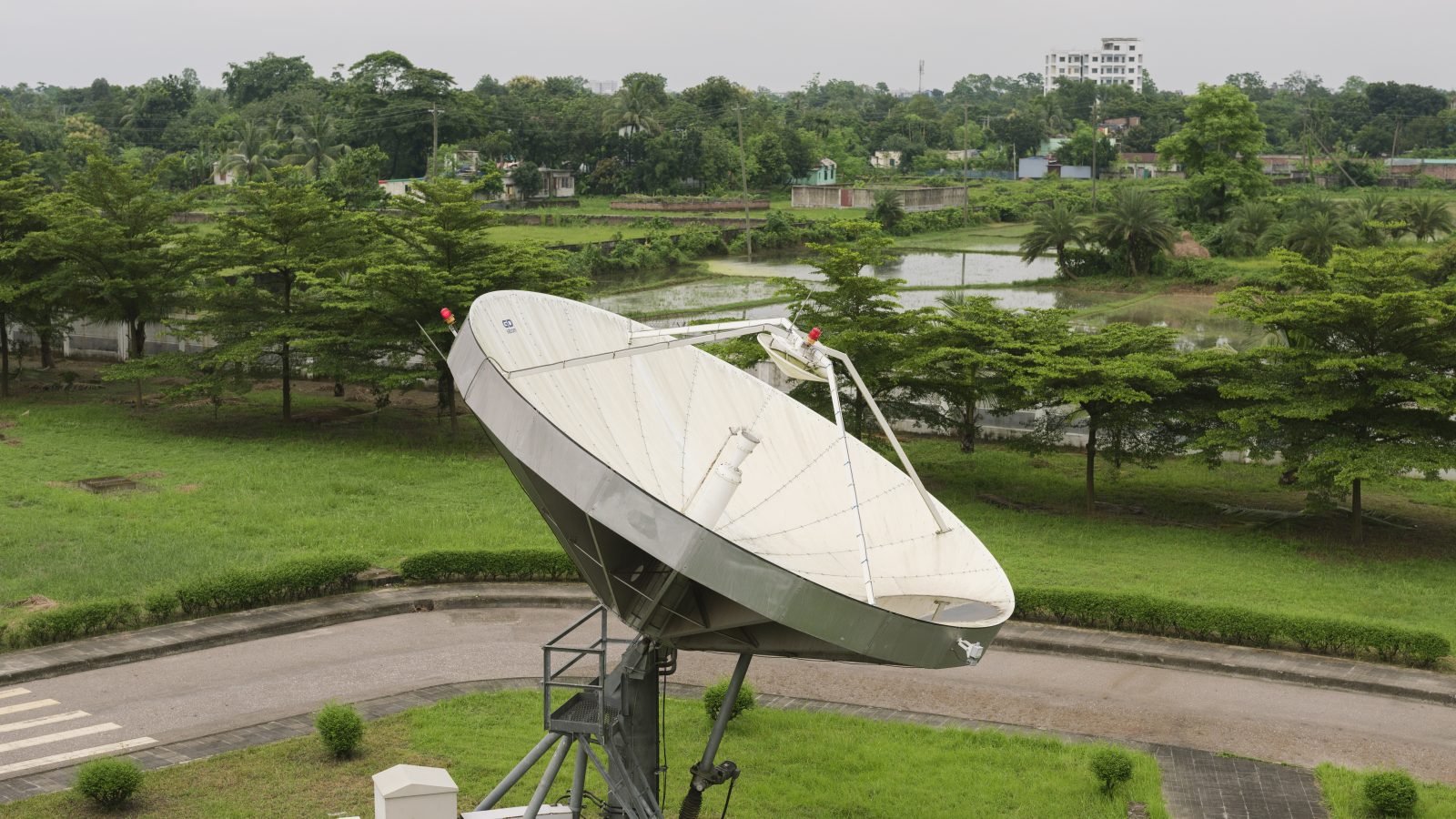
Starlink, the satellite internet service run by Elon Musk’s SpaceX, launched in 2019. Since then, it has become available in more than 150 markets, with 8 million users.
Starlink’s expansion has at times struggled against regulatory red tape. But during the period of time Elon Musk served in U.S. President Donald Trump’s government, Musk’s Starlink was activated or approved in at least 13 countries, including India, Vietnam, Pakistan, and Bangladesh. In some of these places, Starlink’s applications had stalled for years until they were suddenly greenlit. Rest of World’s recent investigative feature explores the way Musk’s business benefited from his close ties to Trump: “There were [American] government officials, whether authorized or not, who were basically saying, if you want favorable treatment from Trump, you better be good to Musk,” said Blair Levin, who led the Obama administration’s National Broadband Plan and was formerly chief of staff with the Federal Communications Commission.
Part of space-based internet’s appeal is that it reaches areas where traditional internet infrastructure is sparse or nonexistent. Starlink — and the companies trying to compete with it — is now fueling a satellite boom. It’s estimated that in 2025, a SpaceX rocket has, on average, brought Starlink satellites into space every three days. Despite the billions of dollars of investment, and the thousands of satellites zipping around our planet, it’s still hard to really picture the satellite internet industry, which is why Rest of World put together this visualization.
In some places, Starlink has been heralded as an affordable alternative to standard terrestrial internet services, which can be expensive and unreliable. In at least five of the 16 African countries where the service was available in January 2025, Starlink was cheaper than the leading fixed internet provider. In Zimbabwe, where users long suffered from slow speeds, frequent outages, and high data costs, demand for Starlink was so high that it sold out within weeks of its launch. It has become one of Nigeria’s top internet providers, unsettling local companies, who complain about unfair competition. When Bolivia banned Starlink in August 2024, people began smuggling Starlink kits from Peru and Chile. Last month, the U.S. secretary of state said that Bolivia’s new president has agreed to approve the service.
In Myanmar, where government-led internet blackouts are common, opposition forces have set up Starlink systems in dozens of areas. “Starlink, for us, has really improved our ability to do humanitarian assistance, to know what’s going on, provide quicker relief, document and report human rights abuses, and be able to save lives,” said David Eubank, director of humanitarian group Free Burma Rangers. “It’s really been a huge blessing for us.”