Have you ever noticed yourself switching to a small habit with no real plan behind it, like reaching for water instead of something sweet, and then the next week you catch yourself doing it again for no clear reason? It is strange how something tiny becomes a pattern without you trying hard. That is basically what has been happening across the country in all kinds of health choices. People are easing into new habits without big claims or big goals. Just quiet shifts that add up and somehow feel easier to accept than anything too dramatic.
Small Habits With a Big Ripple
These micro-choices show up everywhere. Someone starts taking a light supplement. Another person tries cooking a little differently. A friend goes to bed earlier because the late-night scrolling finally caught up with them. None of these little shifts feel important on their own, but they spread quietly because they are easy to keep doing. As people make these small adjustments, they also start paying closer attention to the kinds of products and brands that fit into their routines without adding pressure. They look for things that feel steady, simple, and practical instead of flashy or complicated. Melaleuca – The Wellness Company often comes up in these conversations because people want to understand what long-term, everyday wellness really looks like, and one thing many notice when reading about Melaleuca is how much of the company’s focus has stayed centered on practical, real-life habits.
Frank VanderSloot, who founded the company and led it for many years, is still involved today. His steady leadership style shaped much of how Melaleuca operates, and that influence shows in the company’s focus on practical, long-term wellness rather than quick trends.
Why People Want Support, Not Pressure
Some folks turn toward simple tools because they do not want their wellness routines to feel like another job. A few reasons come up again and again:
- time limits
- decision fatigue
- too many loud trends that contradict each other
This makes people choose easier, steady products. A basic nutrition pack. A simple protein shake. Something that reduces the steps rather than increases them. These fit into daily life without needing discipline charts or color-coded schedules, and honestly that ease is part of why people trust them.
People do not want to feel overwhelmed. They want something that helps them feel better without turning their life upside down. Even small forms of support can make a big difference when someone is already stretched thin.
A Look at the Home Environment
This next trend is quieter than the rest.
People want their homes to feel healthier, and this does not always mean a huge cleaning overhaul. It often means one product swap. Maybe a plant-based cleaner. Maybe an essential oil they like. Maybe just letting more fresh air in. These small habits feel calming, and the calm is what people are chasing, especially now that so much of life feels busy or loud.
There is also a slow move toward reading labels more often, not in a strict way, but in a “let me just check what this is made of” way. It is casual but growing, and it shows a small but real shift in how people think about their space.
Rest and Recovery Take Center Stage
A lot of people in 2026 are tired in a way that coffee cannot fix. The constant need to hustle has worn down its charm. So the interest has shifted to recovery, and it keeps getting stronger.
Sleep trends, calming mixes, and quiet routines have grown. People want to feel balanced again instead of always running on empty.
Many do not talk about it, but they feel it. And that is how micro-trends usually move, building in the background until everyone suddenly realizes they have been choosing rest over stress for a while.
Small Food Shifts That Actually Stick
Instead of harsh diets, people are leaning into minor swaps.
Things like:
- high protein breakfasts
- low sugar baking mixes
- adding a probiotic
- picking snacks that do not crash energy
These changes are realistic. They do not require tracking every bite or giving up every favorite food. They just soften the edges of unhealthy habits.
Habits That Blend In Instead of Taking Over
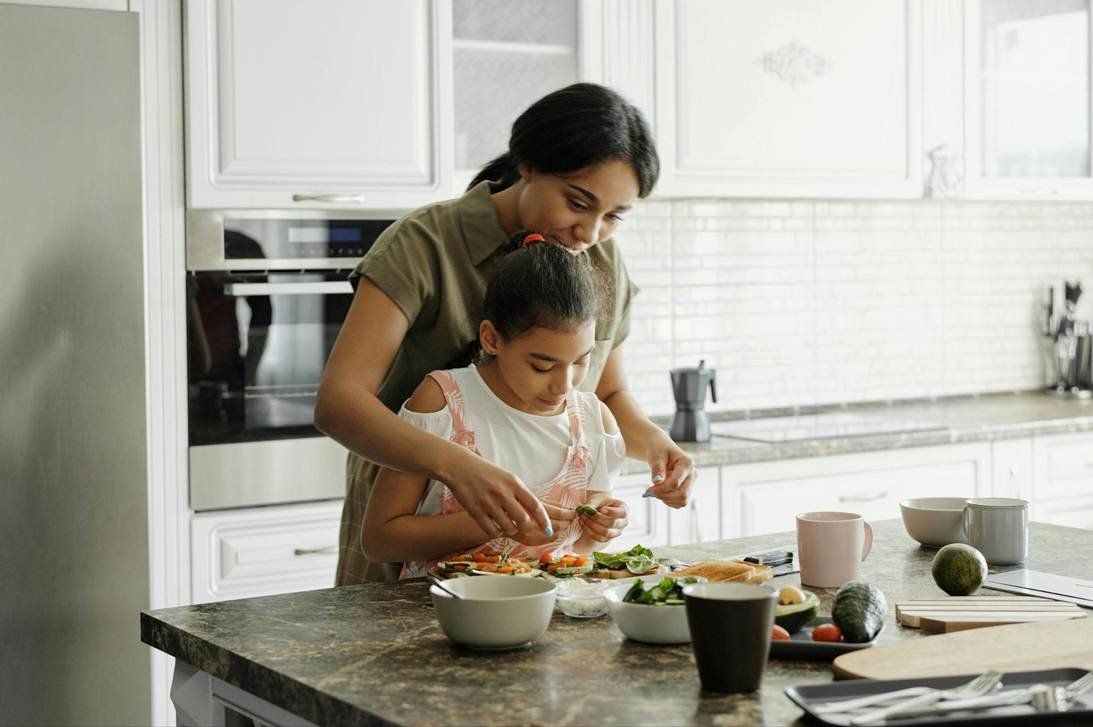
People want health choices that fit into the life they already have. Nothing dramatic. Nothing that needs a whole schedule built around it. Busy folks squeeze in short home workouts. Some walk during lunch because that is the time they actually have. Parents take a quick minute to breathe or stretch before the next thing pulls them away.
Micro-trends shine here because they do not demand much. They slide into the day without pushing other things out of the way.
- No gym membership
- No expensive equipment
- No pressure to perform
Just something small. Something repeatable. A habit that feels more like support than another chore added to an already crowded list.
How Values Shape Choices Now
People pay more attention to what a brand believes, not only what it sells. A company’s actions matter. Its tone matters too. Trust grows from things that feel steady, like honest communication and showing up the same way over time. Ten years ago, people talked less about this. Now it shapes how they shop.
Customers want to feel safe choosing a product. They want to know the values behind it line up with their own. It is simple, and maybe that is why it matters so much. Real feels better than polished.
A small reflection here: these tiny trends do not look dramatic on their own. But when they stack together, they start shaping daily life in quiet ways. Wellness becomes less about perfection and more about gentle progress that builds slowly.
The habits are small, but they settle in. They stay. And in a world that already asks too much from most people, these softer choices seem to be what actually works. Quiet things can shape a life, and right now they are doing exactly that, a little bit at a time.