By NAN Business Editor
News Americas, NEW YORK, NY, Mon. Feb. 17, 2026: For decades, the Caribbean has been defined in global imagination by tourism – sun, sea, and sand. But new economic data and shifting investment patterns suggest a deeper transformation may be underway. Increasingly, the region is positioning itself not merely as a destination for visitors, but as a platform for global capital, strategic investment, and wealth creation.
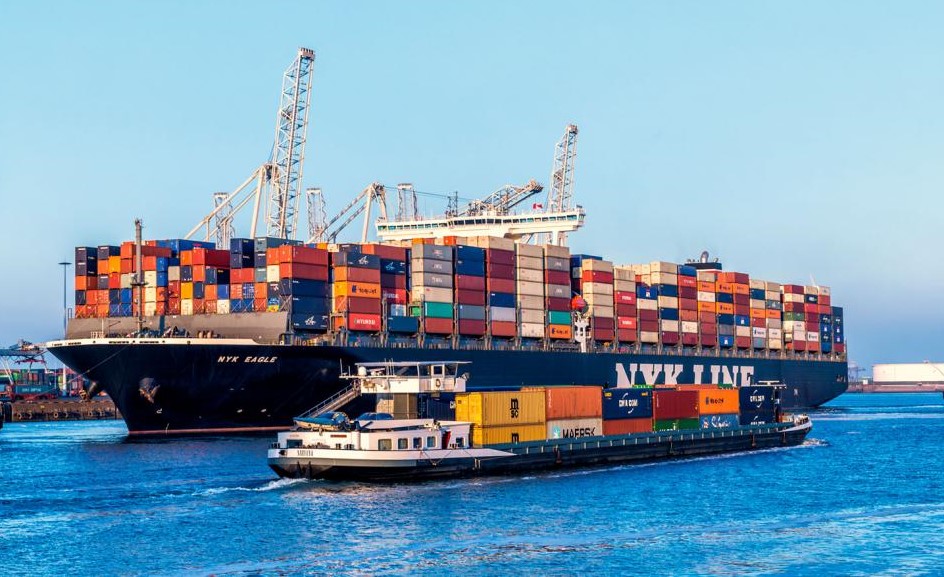
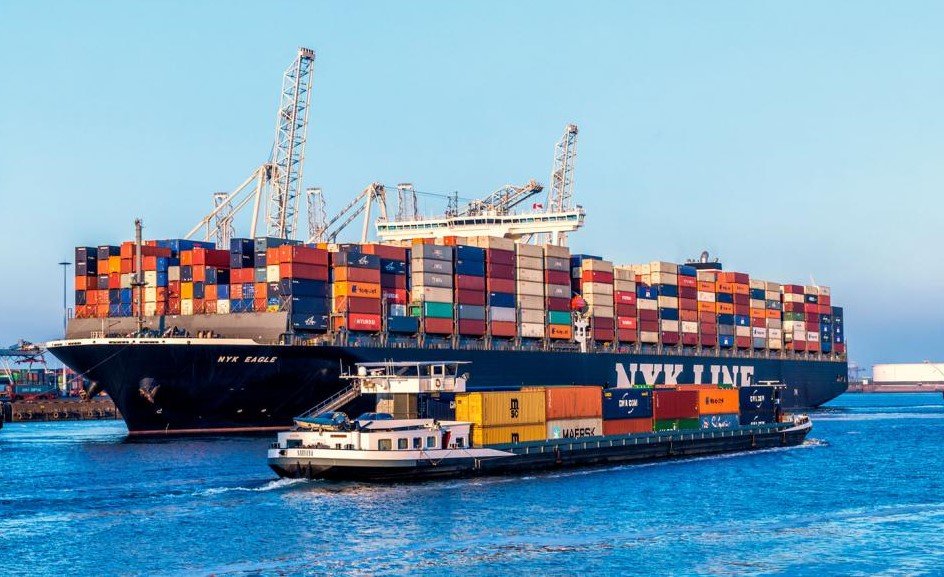
Recent analysis from FDI Intelligence confirms what regional leaders and investors have begun to recognize: the Caribbean is diversifying beyond tourism into sectors such as energy, logistics, agribusiness, financial services, and infrastructure.
This shift is being driven by several converging forces. Oil discoveries in Guyana and Suriname have drawn billions in foreign investment. Nearshoring trends are positioning Caribbean countries as strategic gateways for companies seeking alternatives to Asia-based supply chains. Financial services, corporate structuring, and cross-border trade infrastructure are expanding. And regional integration efforts are lowering barriers to capital movement.
As FDI Intelligence noted, “FDI remains vital to the Caribbean’s competitiveness and economic diversification,” reflecting the region’s growing appeal to global investors.
The numbers tell a compelling story. Capital commitments reached $17.6 billion in 2022 and remained elevated at $15.7 billion in 2023, driven largely by energy investment and strategic infrastructure development. Meanwhile, Guyana’s economy alone has experienced historic expansion, with GDP increasing nearly fivefold between 2020 and 2025.
But beyond energy, the Caribbean’s appeal lies in its unique structural advantages: political stability, geographic proximity to North and South America, an educated workforce, and tax-efficient financial frameworks that attract multi-national corporations and investors.
Felicia J. Persaud, CEO of Invest Caribbean and founder of AI Capital Exchange, believes the region is entering a defining moment.
“The Caribbean is no longer simply a tourism economy – it is emerging as one of the most overlooked wealth and investment platforms globally, something I have been saying since 2011,” Persaud said. “From energy and logistics to financial structuring and capital markets, the region offers strategic entry points for investors seeking growth, diversification, and long-term value.”
She cautioned that global investors risk missing a generational opportunity if they continue to view the Caribbean through outdated lenses.
“What we are witnessing is structural transformation,” Persaud added. “The Caribbean is becoming a bridge between capital and opportunity- connecting global investors with projects in energy, infrastructure, real estate, and private enterprise. Those who recognize this shift early will benefit most.”
This transformation is also reinforced by regional integration policies aimed at creating a more unified economic space. Agreements allowing free movement of people, expanding trade partnerships, and improving logistics infrastructure are reducing historic fragmentation that once limited scale. Diversification of export markets and investment sources has become a top priority for businesses and governments amid global trade tensions and uncertainty that is affecting FDI decisions. Merchandise exports from 12 Caribbean small states, tracked by the World Bank , reached a record high of $31bn in 2024.
At the same time, global geopolitical shifts are accelerating interest in the Caribbean. Companies seeking to diversify supply chains away from geopolitical risk zones are increasingly turning to the region as a stable, strategically located alternative.
The Caribbean’s evolution reflects a broader global trend: capital is no longer flowing exclusively to traditional financial centers. Instead, investors are seeking emerging platforms where regulatory frameworks, geographic advantages, and growth potential intersect.
This shift does not mean tourism will disappear. Rather, tourism is becoming one component of a more diversified economic foundation that includes energy production, logistics hubs, financial structuring, and investment facilitation.
For Caribbean nations, this moment presents both opportunity and responsibility. Building durable institutions, improving capital markets access, and strengthening regional coordination will be essential to sustaining momentum.
For global investors, however, the message is increasingly clear. The Caribbean is no longer simply a vacation destination. It is becoming an investment destination.
Support NewsAmericas