It is all-or-nothing for EU-Mercosur FTA in Brussels
If Italy votes “yes,” France will fail to reach the 35% needed o halt the initiative
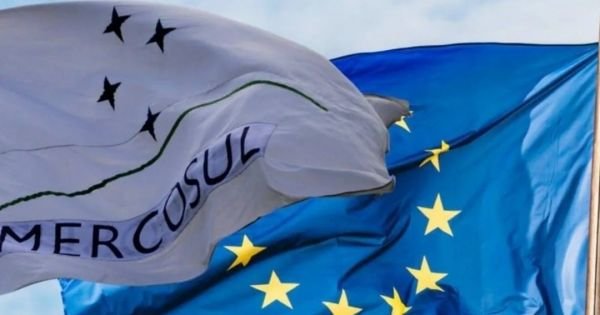
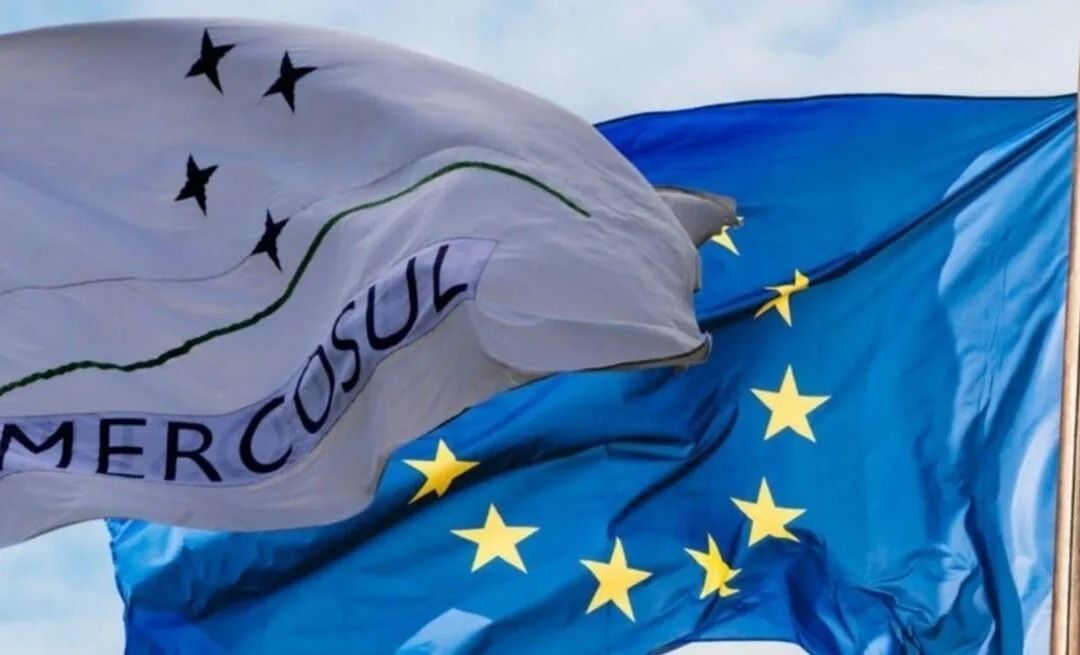
The feasibility of the long-awaited Free Trade Agreement (FTA) between the Southern Common (Market) and the European Union (EU) seems to be just hours away from its all-or-nothing hour, as France, Poland, Hungary, and Ireland have confirmed they would vote against it.
Hundreds of French farmers defied a government ban on Thursday, breaking through police checkpoints and blockading central Paris with tractors. The escalation comes on the eve of a decisive vote in Brussels. The protests, organized by the right-wing Coordination Rurale union, paralyzed traffic and underscored mounting tensions between the agricultural sector and President Emmanuel Macron’s administration.
Roughly 100 tractors breached security cordons before dawn, reaching the Eiffel Tower and Arc de Triomphe. Farmers drove along the Champs-Élysées, forming a perimeter quickly encircled by riot police. The Transport Ministry reported jams stretching over 150 kilometers.
Government Spokesperson Maud Bregeon condemned the action as “illegal,” while Transport Minister Philippe Tabarot adopted a softer tone, stressing that “farmers are not our enemies.”
Unions warn the EU-Mercosur deal will flood European markets with cheaper imports from Argentina, Brazil, Paraguay, and Uruguay, which -they argue- fail to meet EU health and environmental standards.
Despite France’s historical stance against the understanding, Paris’ ability to block its ratification has reportedly weakened as the European Commission has proposed a €45 billion support package for farmers and reduced import duties on fertilizers to sway hesitant nations.
With Germany and Spain remaining firm backers. Italy’s support would secure the two-thirds majority required, even if France abstains or casts a thumbs-down vote. In this scenario, conservative leaders in Paris warn that failure to block the deal could trigger a censure motion against Macron’s government.
If the deal is approved, EU Commission President Ursula von der Leyen is expected to travel to Paraguay on Jan. 12 to sign the treaty. But if it is not, most South American leaders have pledged not to give the idea a new chance after 25 years of negotiations, and seek business partners elsewhere instead.