January ranks as fifth warmest globally despite severe cold spells, Copernicus says
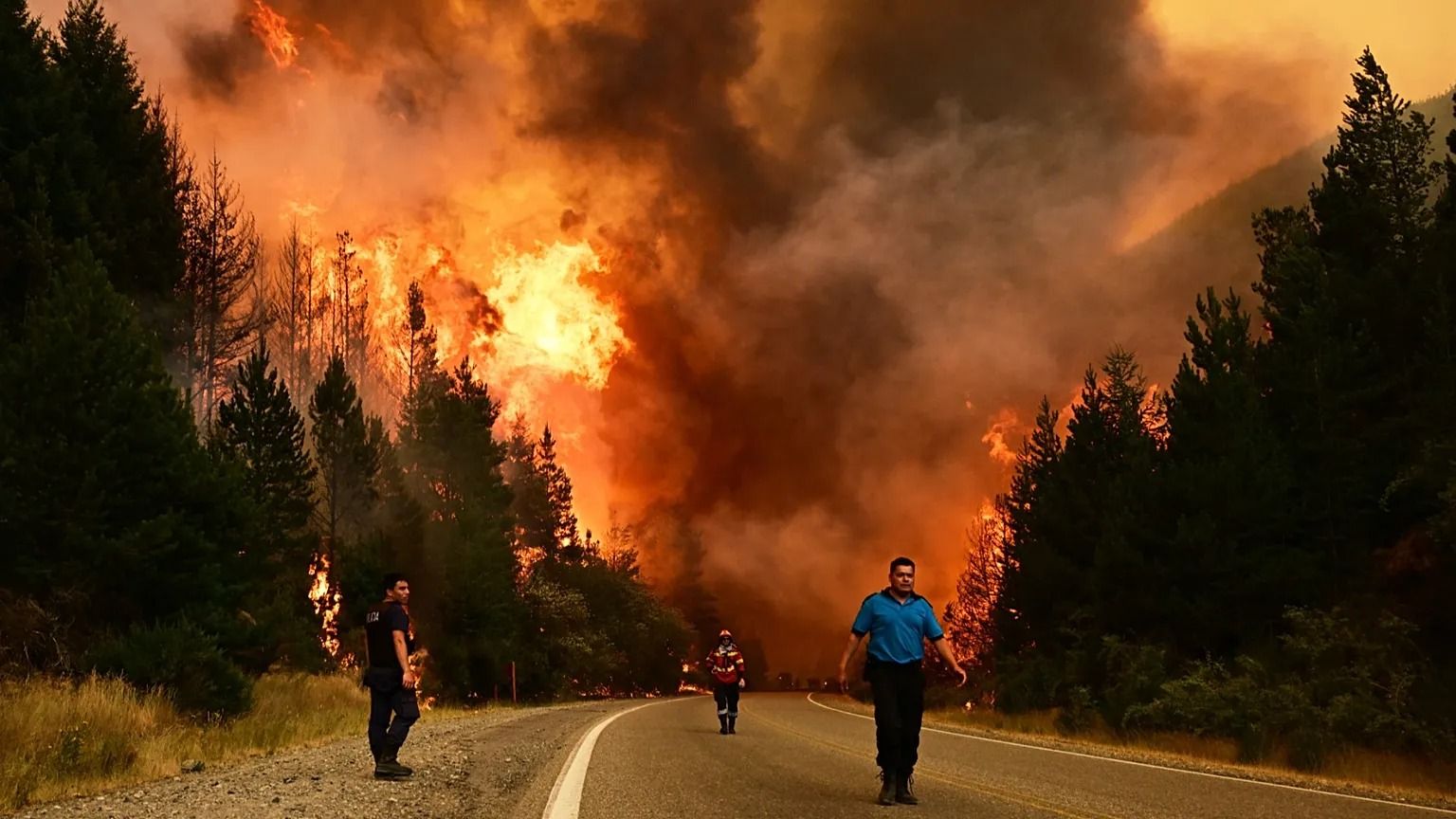
In the Southern Hemisphere, Copernicus linked unusual heat to escalating wildfire activity in late January, pointing to major blazes that intensified in Australia, Chile and Patagonia
Last month was the world’s fifth-warmest January on record, the EU’s Copernicus Climate Change Service (C3S) reported, even as sharp cold spells hit large parts of the Northern Hemisphere in the second half of the month. Global mean surface air temperature reached 12.95°C, 0.51°C above the 1991–2020 January average and 1.47°C above the estimated 1850–1900 “pre-industrial” baseline used for climate comparisons.
Copernicus stressed the “mixed signals” are not contradictory: January 2026 was only 0.28°C cooler than the warmest January on record (2025), while a more undulating polar jet stream helped funnel Arctic air into mid-latitudes, driving severe cold across North America, Europe and Siberia for stretches of the month.
Europe stood out on the cold side of the ledger. C3S said the continent experienced its coldest January since 2010, with an average temperature of −2.34°C, 1.63°C below the 1991–2020 norm. Widespread cold conditions were observed across Fennoscandia, the Baltic states and eastern Europe, while monthly temperatures still finished above average across much of the globe, including large parts of the Arctic and western North America.
The bulletin also highlighted extremes in rainfall. January was wetter than normal across much of western, southern and eastern Europe, where heavy precipitation contributed to flooding and related damage in areas including the Iberian Peninsula, Italy, Ireland and the UK. By contrast, a broad swath from central Europe into parts of Scandinavia and Iceland was drier than average.
In the Southern Hemisphere, Copernicus linked unusual heat to escalating wildfire activity in late January, pointing to major blazes that intensified in Australia, Chile and Patagonia. The service also reported that exceptionally heavy rains in southern Africa during the final week of the month triggered serious flooding in Mozambique, with “catastrophic” impacts on lives and livelihoods.
Samantha Burgess, C3S’s climate strategy lead, said January offered a stark reminder that the climate system can deliver very cold weather in one region and extreme heat in another simultaneously, arguing that adaptation and resilience will become increasingly crucial as human-driven warming continues to raise the risks and costs of extreme events.