Judge refuses to dismiss Maduro case but questions blocking of funds for his defense
The defense had requested dismissal in February after the Office of Foreign Assets Control (OFAC) denied the defendants a license to pay their lawyers with Venezuelan government funds
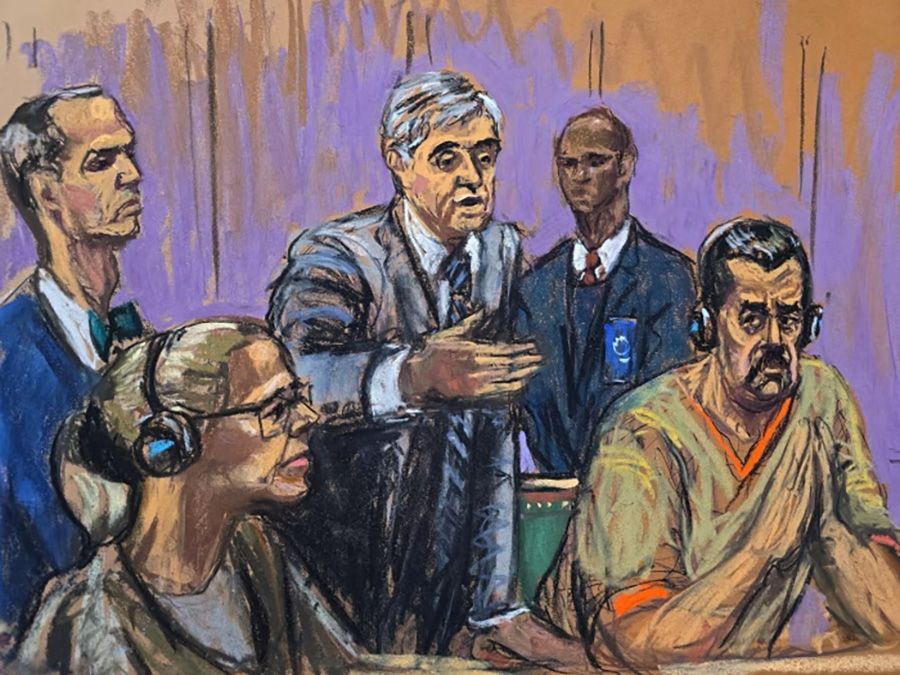
Federal Judge Alvin Hellerstein rejected on Thursday the defense’s motion to dismiss the charges against former Venezuelan President Nicolás Maduro and his wife Cilia Flores, in a second hearing at the Southern District Court of New York that ran unusually long due to the debate over funding their legal representation.
I am not going to dismiss the case, declared Hellerstein, 92, though he has yet to confirm his decision officially. The defense had requested dismissal in February after the Office of Foreign Assets Control (OFAC) denied the defendants a license to pay their lawyers with Venezuelan government funds. OFAC briefly granted a license on February 9, only to revoke it three hours later.
While rejecting dismissal, Hellerstein questioned the Justice Department’s justification for blocking access to those funds. The defendant is here; Flores is here. They no longer represent any threat to national security, the judge noted, pointing out that Washington has eased sanctions on Venezuela since Maduro’s capture on January 3. The right at issue here — and it overrides other rights — is the right to constitutionally guaranteed legal counsel, he added.
Prosecutor Kyle Wirshba countered that the sanctions are grounded in current national security and foreign policy interests, and that allowing the defendants to access Venezuelan funds to pay for their defense would undermine the sanctions. Prosecutors maintain that Maduro and Flores can use public defenders if they cannot afford private attorneys, which the defense considers a violation of the Sixth Amendment.
Maduro’s lead attorney, Barry Pollack — who represented WikiLeaks founder Julian Assange — has repeatedly stated he intends to withdraw from the case if the Venezuelan government cannot cover his fees. Hellerstein will rule later on the funding question and set a date for the next hearing.
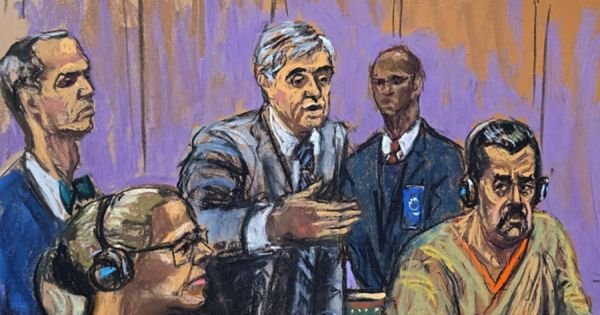
Maduro and Flores appeared in court wearing beige prison uniforms. The former president entered smiling but appeared nervous during the proceedings. He looked thinner than at the January hearing, according to observers in the courtroom. Flores’s attorney requested the judge order an electrocardiogram for her due to unspecified health concerns.
Before the hearing, President Donald Trump told reporters that additional charges would be brought against Maduro, without offering details. Lead prosecutor Jay Clayton also requested that the defendants be barred from sharing evidence with four fugitive co-defendants, including Diosdado Cabello and Maduro’s son, citing a real risk of violence against witnesses and their families in Venezuela.
The trial could take one to two years, raising questions about Hellerstein’s capacity to preside over such a lengthy proceeding. According to the New York Times, the judge was seen falling asleep during a hearing last year.