Low government approval deepens internal tensions within Uruguay’s Frente Amplio
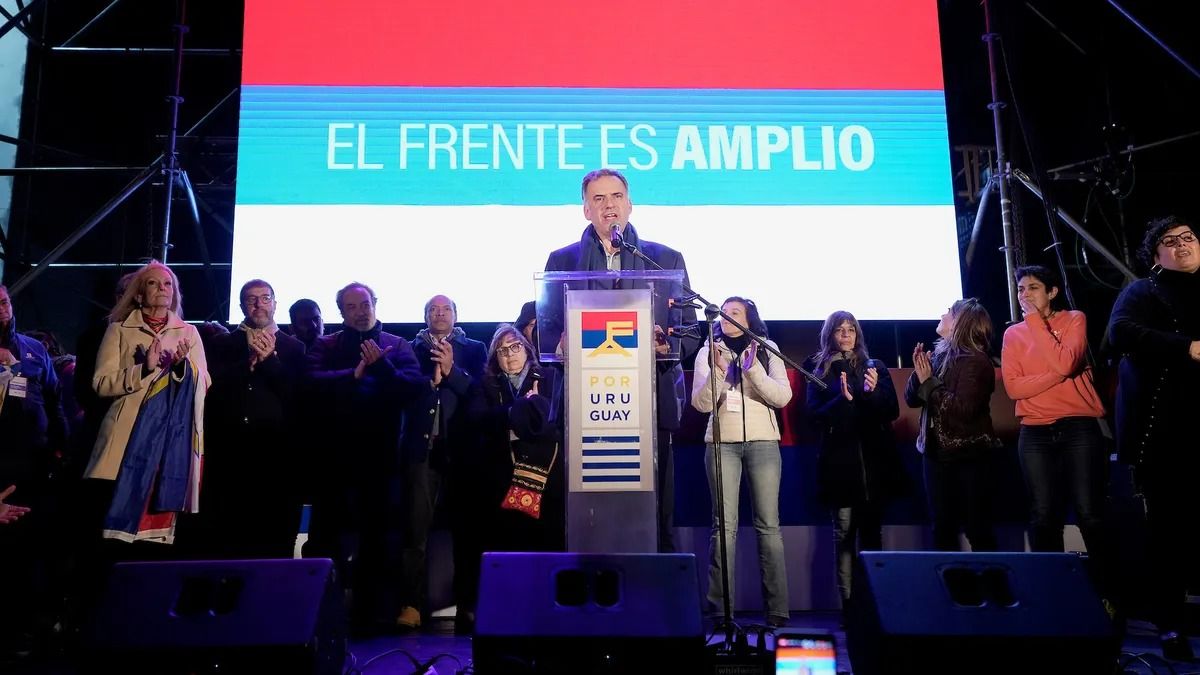
According to polling firm Factum’s data for the first two months of 2026, President Yamandú Orsi’s approval stands at 37%, against a disapproval rating of 41%
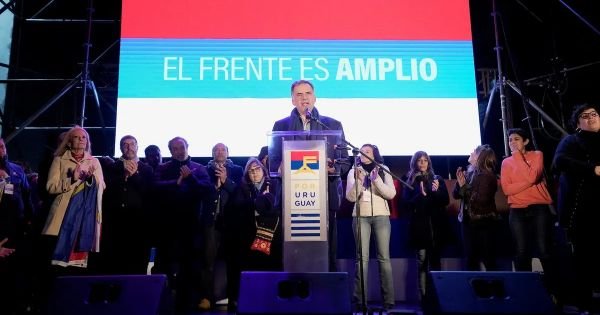
Just over a year into the Frente Amplio’s (FA) fourth administration, polls from Uruguay’s leading survey firms show an unusual level of discontent among the left-wing coalition’s own voters, intensifying internal disputes between its factions ahead of party elections expected in late 2026 or early 2027.
According to polling firm Factum’s data for the first two months of 2026, President Yamandú Orsi’s approval stands at 37%, against a disapproval rating of 41%. Among FA voters specifically, approval dropped from 75% to 70% over the past six months, while disapproval rose from 4% to 10%. In Montevideo, Mayor Mario Bergara faces disapproval levels exceeding 52%, according to the firms Cifra and Equipos.
FA president Fernando Pereira was the first to flag the problem. What is happening within the Frente Amplio is not logical, he said on Radio Oriental. Neither the national nor the departmental government can be said to deserve these numbers based on the job they are doing. We need to go out and talk to people, because that is where you find the reasons why a segment of the Frente Amplio base is not supporting the administration, he said.
Bergara, for his part, pointed to a dimension beyond governance. There is a political factor affecting both the national and the departmental government, he said on the program Desayunos Informales, citing internal tensions over a proposed tax on the wealthiest 1%, the government’s stance on the conflict in Gaza — particularly the debate over using the term genocide — and a proposal by presidential secretary Alejandro Sánchez to allow small savers to invest in state-owned enterprises. I feel that the core of the discontent has more to do with these issues, he said.
The differences pit the coalition’s two main blocs against each other. The Movement of Popular Participation (MPP), the dominant faction leading the government with a pragmatic approach, clashes with the positions of the Socialist Party (PS) and the Communist Party (PCU), which seek to push the coalition further to the left through social organizations and unions. The PS and PCU each hold one cabinet post — Gonzalo Civila at Social Development and Juan Castillo at Labor — but believe the space to influence the government’s direction must also be built outside the executive branch.
Ahead of the FA’s internal elections, neither the PS nor the PCU has decided whether to back Pereira’s reelection as party president or promote an alternative candidacy. The MPP has not formalized its support either, though it is expected to do so. Within the coalition’s more orthodox sectors, according to sources cited by Montevideo daily El País, the central question is whether an FA president with a profile more aligned with the left would unite or divide the coalition.
The internal struggle is also seen as a precursor to how the factions will position themselves ahead of the 2029 national elections, when the relative weight of each current within the FA will once again be measured at the ballot box.