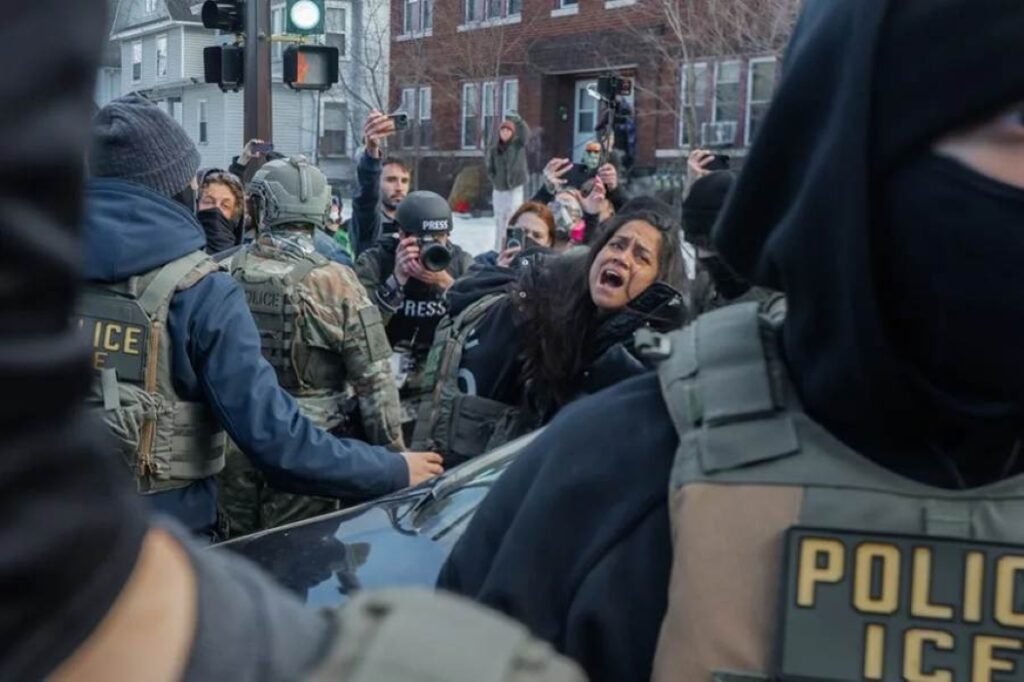
Mexico’s plan to pursue criminal complaints over deaths in ICE custody turns private grief into a diplomatic showdown, raising questions about accountability, outsourced detention, and whether Latin American governments can protect migrants once they cross the border alive or dead.
A Builder Becomes a Test Case
When Lorenzo Salgado Araujo left for work in Houston on Tuesday, he had reportedly spent three decades doing what immigrants are praised for and overlooked in life. He built things. His family says the 52-year-old was driving to work when an ICE agent shot him dead.
His son, Ronaldo Salgado, understood how public language could flatten a man. His father, he said, did not deserve to become “Mexican man shot and killed by ICE.” That protest is grief and an argument over whose account becomes official and whose life is allowed to be detailed.
The Department of Homeland Security said ICE officers were conducting a vehicle stop. The agency said Salgado tried to escape, rammed an enforcement vehicle, ignored commands, and used his vehicle as a weapon, prompting an officer to fire in self-defense. His relatives dispute that portrait. Four Democratic members of Congress demanded an independent investigation, saying the explanation echoed a familiar script.
Over a thousand people reportedly gathered in Houston the next day. Immigration enforcement usually isolates its target. A roadside stop becomes a case number. The crowd reversed that isolation, placing Salgado back among coworkers, relatives, neighbors, and strangers who recognized the frightening ordinariness of his route to work.
Mexico Pushes Past Diplomatic Ritual
Mexico emphasizes that the deaths of 14 Mexican citizens in ICE custody highlight the need for accountability, prompting the audience to value justice and fairness in migrant protection.
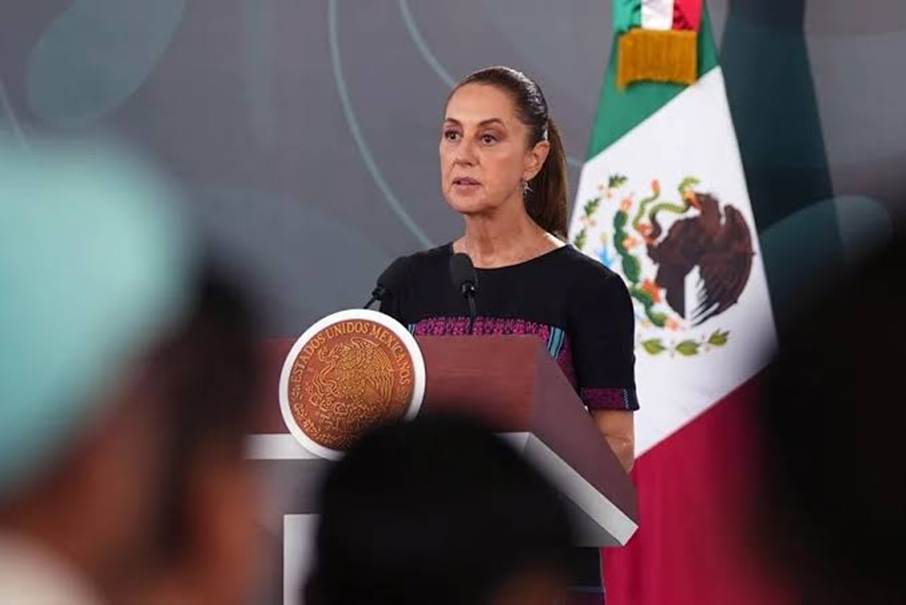
President Claudia Sheinbaum’s instruction to go beyond diplomatic notes marks a turn. Mexico’s consular network has long helped nationals navigate courts, hospitals, jails, and deportation systems. Yet consular protection has limits. A government may protest, monitor, hire counsel, preserve evidence, and press prosecutors, but it cannot command an American grand jury.
That is why the legal strategy matters, as criminal complaints can frame migrant deaths as violations requiring investigation, pushing for accountability.
Four Mexican nationals have died at the Adelanto detention facility in California, according to Mexican officials. Those cases will test whether civil litigation can penetrate that chain of power. Discovery could expose staffing levels, medical delays, internal warnings, training records, and contract incentives. Even cases that never reach trial can produce the public record families often lack.
The reported training cuts, which may weaken officer judgment, should concern the audience, as they affect the safety and rights of migrants and raise accountability concerns.
This is not bureaucratic trivia. Rapid expansion can multiply the consequences of weak judgment. A missed lesson on probable cause becomes a wrongful stop. Poor de-escalation becomes panic beside a car window. An officer who has not been rigorously tested still carries federal authority. Judges ordering further constitutional training after improper arrests suggest the issue is not just academy hours, but what officers can do correctly under pressure.

A Warning for the Migrant Continent
For Latin America, Mexico’s move challenges an old regional bargain. Migrant labor travels north, remittances travel south, and governments denounce abuses while remaining dependent on the relationship. Families absorb the risk. They pay smugglers, wait for calls, send documents, borrow for lawyers, and receive bodies when systems fail.
Mexico is uniquely placed and compromised in making this challenge. It is a country of origin, transit, return, and destination. It defends Mexicans in the United States while enforcing migration controls against Central Americans, Caribbeans, and others moving through its territory. Its case against ICE will carry more moral weight if it deepens scrutiny of detention, disappearance, and abuse at home.
Mexico’s efforts could set a regional precedent, encouraging policymakers and advocates to view migrant protection as a collective responsibility that extends beyond national borders.
The deeper issue is belonging. Salgado reportedly lived and worked around Houston for 30 years, longer than many citizens remain in one city or in the same trade. Immigration law may have classified him as removable. Daily life had another classification: builder, father, worker, neighbor. The collision between those identities is where American immigration politics becomes most brutal.
Mexico’s complaints will not settle what happened on that Houston road. Evidence must do that. But they can contest the assumption that migrant deaths belong to an administrative shadowland, beyond standards applied to other encounters with state power. For Mexico and the wider region, that may be the real case now beginning: whether citizenship determines whose death earns a full investigation, or whether a human life carries jurisdiction of its own.
Also Read:
Venezuela Races for Prefab Homes as Quake Camps Keep Filling