Noboa imposes curfew in four provinces of Ecuador deploys 75,000 personnel in new anti-crime offensive
The new phase of Noboa’s plan also rests on emergency powers
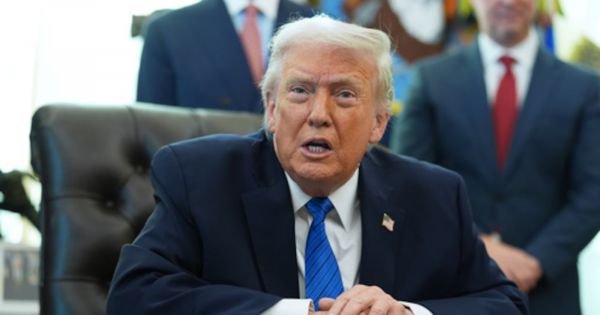
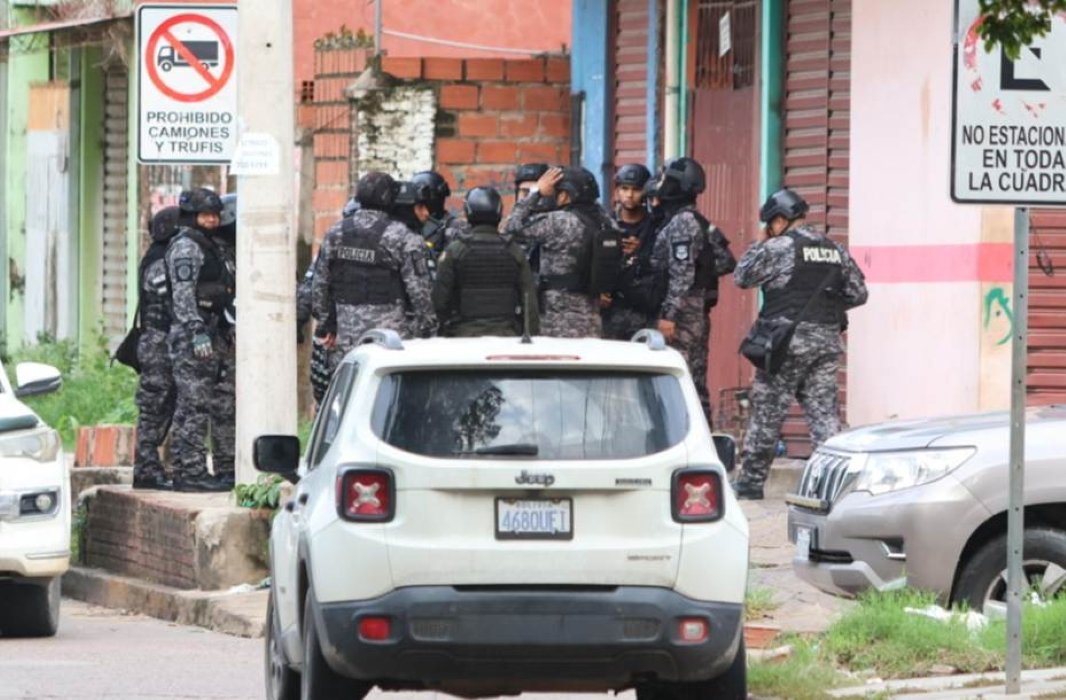
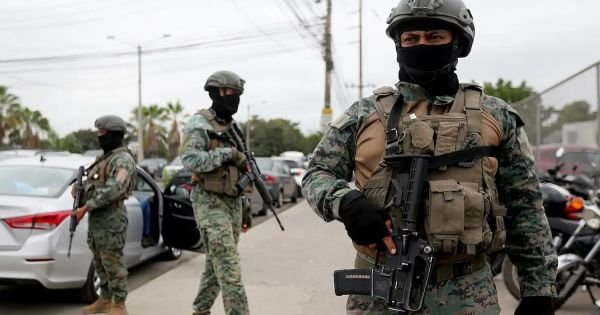
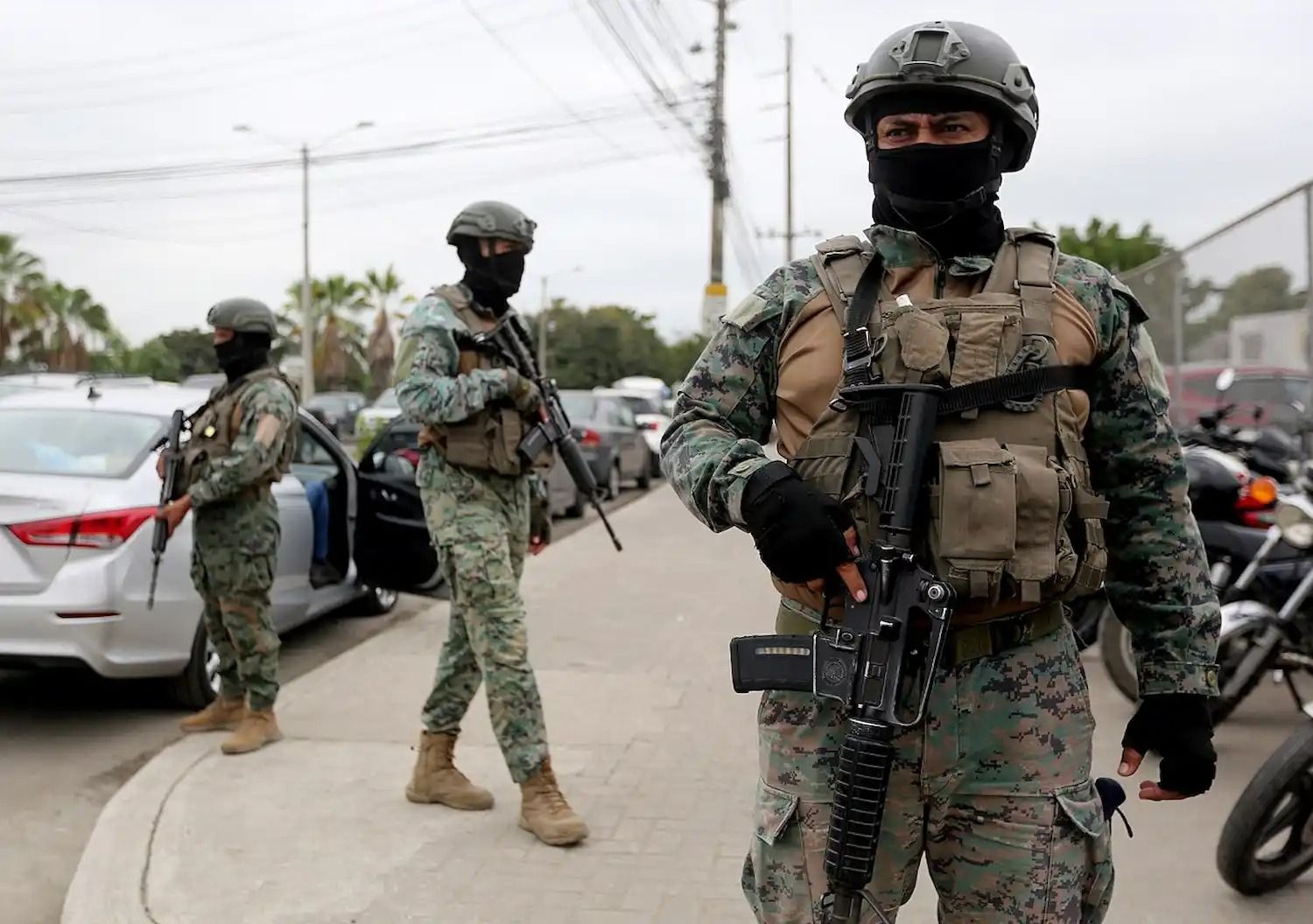
Ecuador’s President Daniel Noboa has launched a new security offensive with a nightly curfew in four violence-hit provinces and the deployment of 75,000 soldiers and police officers. The restriction runs from 11 p.m. to 5 a.m. in Guayas, El Oro, Los Ríos and Santo Domingo de los Tsáchilas, began on Sunday night and is expected to remain in force for two weeks. In the first hours of the operation, authorities reported 253 arrests for violating the measure.
Interior Minister John Reimberg said the operation is part of a large-scale offensive against criminal organizations entrenched along the coast and in drug-trafficking corridors. AP reported that days earlier he had said the offensive would receive logistical support from the United States and urged residents to stay home to avoid “collateral victims” while troops and equipment move through the affected areas.
The deployment comes amid a sustained deterioration in public security. Ecuador ended 2025 with 9,216 homicides, a 30% increase from the previous year, according to Interior Ministry figures cited by Reuters. AP added that the homicide rate reached 50 per 100,000 residents, the country’s highest in decades, driven by turf wars among local gangs and networks linked to Colombian and Mexican cartels that use Ecuadorian ports to ship cocaine to the United States and Europe.
The new phase of Noboa’s plan also rests on emergency powers. AP said the president recently extended a state of exception allowing joint military-police patrols and warrantless home searches in affected zones. The offensive also follows a joint Ecuador-U.S. operation announced this month against a camp attributed to Comandos de la Frontera, as well as an agreement to open the first FBI office in the country inside the U.S. Embassy in Quito.
The strategy, however, is coming under greater international scrutiny. On March 13, the U.N. Committee on Enforced Disappearances concluded its review of Ecuador and raised concerns over the repeated use of states of emergency, the prolonged role of the armed forces in domestic security and allegations of abuses during operations. Ecuador’s delegation argued that the state of exception is not being used as a permanent tool and said the armed forces maintain a “zero tolerance” policy toward abuse.
The government is presenting the new offensive as a necessary response to the expansion of organized crime, but the political and operational challenge remains unresolved. With killings at record levels and growing questions over the cost in rights and civil liberties, Noboa is once again betting on militarization to regain territorial control in Ecuador’s most conflict-ridden coastal belt.