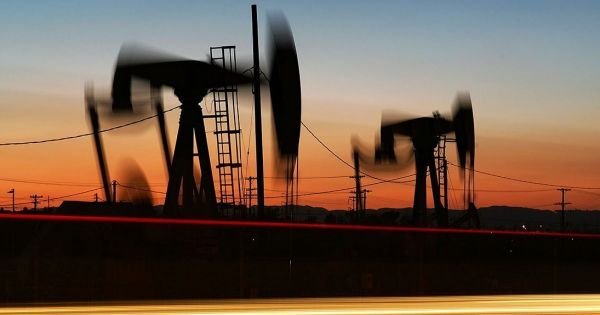
Oil posts its biggest weekly jump since 2020 as the Iran war disrupts Hormuz
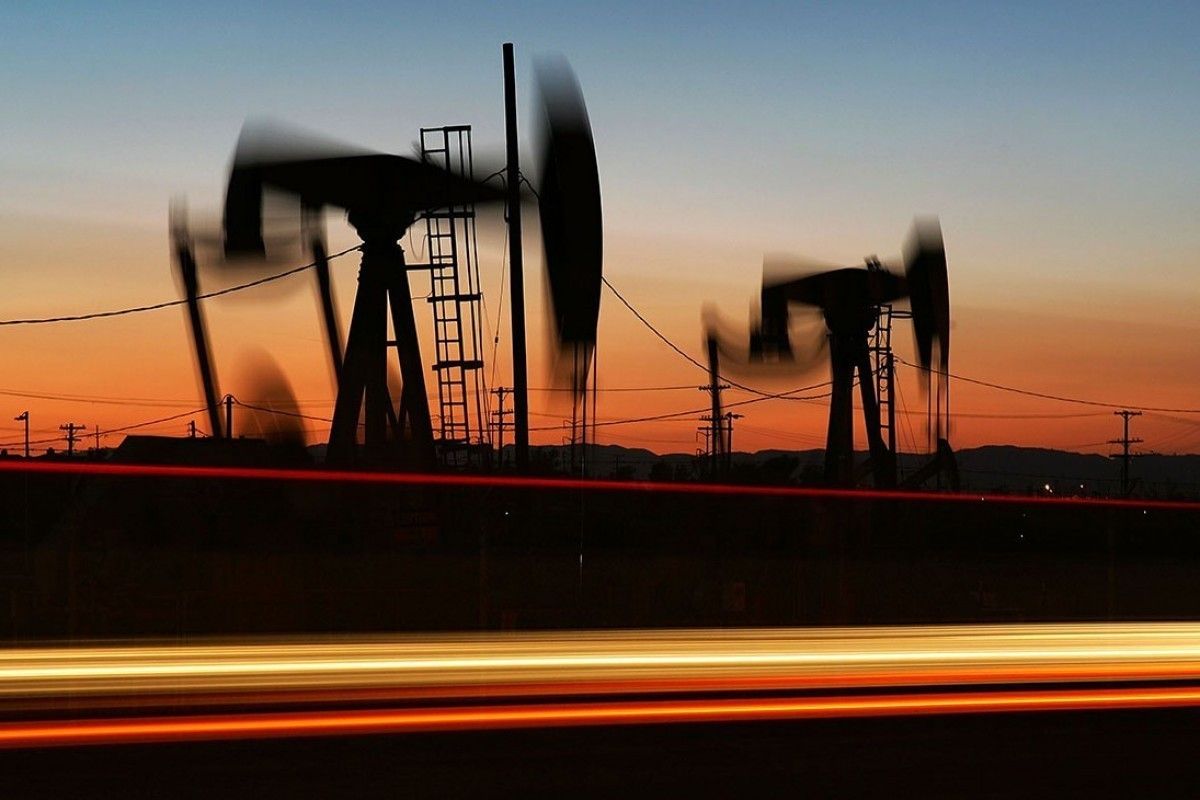
The market is no longer reacting only to the fighting, but to the concrete risk to supply
Oil became this week’s clearest barometer of the Middle East crisis, with Brent hovering near US$90 a barrel and WTI around US$87.5, putting both contracts on track for their biggest weekly advance since 2020. The same factor sits behind the surge: the de facto blockage of the Strait of Hormuz, through which roughly one-fifth of the world’s oil normally passes.
Brent was up 24% on the week and WTI nearly 30%, after the war disrupted shipments and left energy traffic through the world’s most sensitive maritime chokepoint paralyzed for seven days. By that estimate, some 140 million barrels failed to reach the market over that period, equivalent to about 1.4 days of global demand.
The market is no longer reacting only to the fighting, but to the concrete risk to supply. Hormuz links the Persian Gulf to the Gulf of Oman and channels exports from Saudi Arabia, Iraq, Kuwait, Qatar, Bahrain, the United Arab Emirates and Iran. Although some alternative pipeline routes exist, “most” of the volumes that cross the strait have no viable way out, according to the US EIA reference cited by AP.
Upward pressure intensified with fresh warnings from the Gulf. Qatar’s energy minister said all Gulf energy exporters could be forced to suspend shipments within weeks, a scenario that could push crude to US$150 a barrel, Reuters reported. That threshold is not yet the market’s base case, but it does show that traders are beginning to price in a prolonged disruption rather than a brief shock.
The reaction across financial assets was immediate, but secondary to oil. On Wall Street, the crude rally coincided with a drop in equities: by midday Friday, the Dow Jones was down 1.85%, the S&P 500 had fallen 1.57%, and the Nasdaq was off 1.40%, while airlines were among the hardest-hit sectors because of expected higher fuel costs.
Rising energy prices are also complicating the inflation debate again. The deterioration in the US labor market — with a loss of 92,000 jobs in February and unemployment rising to 4.4% — revived bets on rate cuts, but more expensive oil pulls in the opposite direction because it threatens to feed through into fuel, transport and consumer prices.
The key question now is not only how far crude has risen, but how long it can stay elevated. Analysts estimate that a partial disruption lasting one or two weeks could be absorbed, but that a near-total shutdown lasting a month or more would clearly push oil into triple digits. In other words, the market has moved beyond the initial fear phase and begun pricing in a real scarcity scenario.