Roberto Sánchez wants Peru’s overseas ballots erased because they favor Keiko Fujimori. The demand is legally audacious, politically antidemocratic, and rooted in a genuine institutional failure that deserves scrutiny. Yet administrative incompetence, however spectacular, is still not evidence of fraud.
When the Margin Becomes the Method
With 99.71 percent counted, Fujimori holds 50.11 percent of the valid votes to Sánchez’s 49.88 percent, a 40,600-vote lead. That is only 0.23 percentage points, about one vote in 435. Remove the overseas vote, however, and Sánchez leads by 40,793. The diaspora changes the balance by 81,393 votes. That arithmetic explains his legal strategy. It does not justify it.
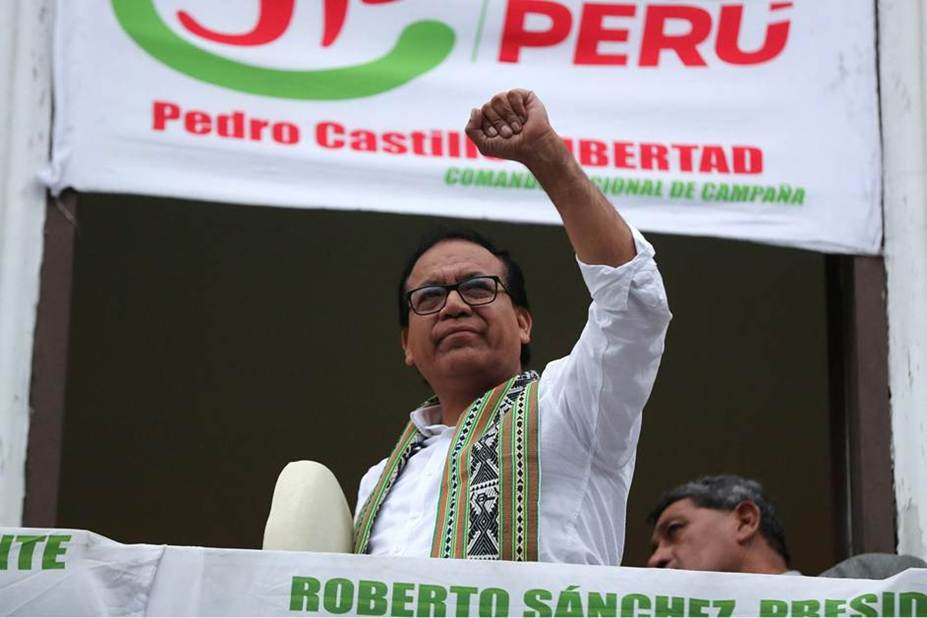
Sánchez is asking the National Jury of Elections to annul voting conducted through 119 consular offices, arguing that procedural changes requested by the Foreign Ministry gravely damaged the process. The cure is astonishingly broad. He is not asking judges to isolate proven false ballots or repair a documented error in a particular tally. He is asking them to erase an entire electorate whose votes happen to decide the race.
That is where a challenge becomes antidemocratic. Peruvians abroad are not guests in the republic. The nurse in Madrid, the restaurant worker in New Jersey, and the family rebuilding a life in Buenos Aires remain citizens. Many left because Peru failed to provide work or stability. Their ballots do not result in loss of citizenship at customs. Discarding them collectively would turn migration into civic banishment.
The narrowness of the result makes restraint more important, not less. A margin of 40,600 votes feels microscopic in a nation of millions, but small margins remain margins. Democracy does not promise emotionally satisfying outcomes. It promises equal rules applied before anyone knows who benefits. A remedy tailored to flip the winner, rather than to correct demonstrated harm, looks less like electoral justice than electoral subtraction.
A Broken Count Is Not a Stolen Vote
None of this absolves Peru’s electoral authorities. Their performance has been painfully poor. After the April 12 first round, nearly a month passed before an official result was announced. Logistical failures forced voting into a second day in three Lima districts. Piero Corvetto, then head of the National Office of Electoral Processes, resigned as thousands of contested tally sheets were dragged through the review process. European Union observers reported no evidence of fraud, but institutional credibility had already been dented.
Now, more than two weeks after the June 7 runoff, Peru still lacks a proclaimed president. For a country that has cycled through eight presidents in roughly a decade, delay does not feel technical. It feels like another room in the same collapsing house. Citizens have watched Congress topple governments, prosecutors become political protagonists, and parties operate as temporary vehicles. Suspicion grows naturally in that soil.
But suspicion is not proof. Incompetence leaves missed deadlines, contradictory instructions, and exhausted officials. Fraud requires evidence of intentional manipulation connected to actual votes. The distinction is not semantic. It is the wall between demanding accountability and delegitimizing democracy. International observer missions from the Organization of American States and the European Union said the runoff proceeded normally and urged the country to await the official result.
Sánchez may lawfully challenge procedures. He should. A republic needs candidates willing to test institutions through institutions. Yet the burden is on him to show how the alleged changes affected the chain of custody, where the breach occurred, and which results became unreliable. The foreign minister has denied interference and noted that observers, watchdogs, and party representatives found no overseas irregularities to support the accusation. A blanket annulment cannot substitute for that missing causal evidence.
Democracy Cannot Exile Its Voters.
Peru has seen this script from the other ideological shore. In 2021, Fujimori narrowly lost to Pedro Castillo and pursued claims heavily focused on rural ballots from regions that favored him. Sánchez, who later served in Castillo’s government, now targets overseas ballots favoring Fujimori. The symmetry should sober both camps. Each side discovers a defective electorate when the count turns against it.
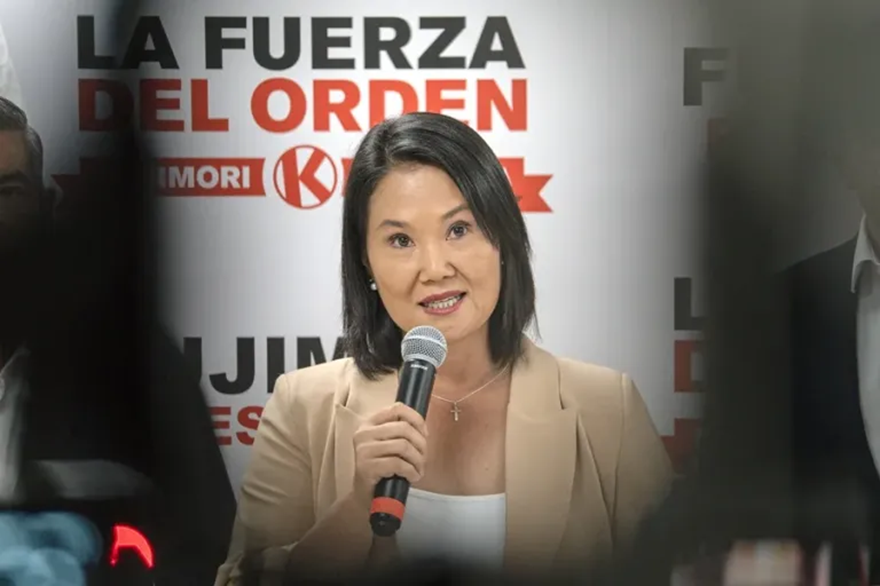
Rejecting Sánchez’s demand is not an endorsement of Fujimori. Her family name carries the achievements, abuses, and institutional wreckage of Alberto Fujimori’s rule. She also used congressional power destructively after earlier defeats. Many Peruvians fear her for reasons grounded in memory, not prejudice. Defending ballots cast for her means defending those voters, not forgiving her history.
That principle matters because neither finalist began with a broad mandate. More than 70 percent of voters chose someone else in the first round. Whoever wins will govern a fragmented country divided between Lima and the interior, formal commerce and illegal economies, demands for order and memories of authoritarianism. The next president will need legitimacy that no court can manufacture after selectively deleting citizens.
The JNE should investigate every credible allegation, publish its reasoning, and punish any proven misconduct. It should also reject the idea that an administrative controversy permits mass disenfranchisement. Peru’s electoral machinery has earned criticism. Perhaps even contempt. What it has not yet produced is evidence that 119 consular electorates were fraudulent.
The country deserves a faster count, clearer procedures, and officials capable of inspiring confidence. It also deserves political leaders who understand that democracy is tested most severely when losing becomes likely. Sánchez can challenge the process without declaring inconvenient citizens disposable. Incompetence may explain Peru’s agonizing wait. It does not authorize rewriting the electorate.
Also Read:
A Nation Split by a Sliver: De la Espriella’s Narrow Win Tests Colombia’s Democracy