The Russian tanker Anatoly Kolodkin has entered Cuban waters, according to the Russian news agency Interfax.
The vessel, which is sanctioned by the European Union, United States and United Kingdom due to the ongoing Russia-Ukraine war, appears to be en route to the Cuban port of Matanzas, according to Marine Traffic.
The ship’s arrival comes after U.S. President Donald Trump told reporters late on Sunday night that he had “no problem” with Russia supplying the island with oil, having previously threatened to impose tariffs on any foreign oil supplier of the communist-run nation.
If delivered, the 100,000 tonnes of crude oil aboard the vessel would represent the first non-private foreign shipment of oil to reach Cuba since January, when the Trump administration’s oil blockade of the island began.
The U.S. has allowed private companies to import fuel to the island, though these supplies have been negligible for the island’s needs as a whole.
Tensions between Havana and Washington have defined bilateral relations since the Cuban Revolution of 1959 and the subsequent nationalization of U.S. assets in the Caribbean nation. But in recent months, the long-running dispute escalated after the White House forcibly removed Venezuelan President Nicolás Maduro from power and took him into U.S. custody.
Maduro was a staunch ally of the current Cuban regime and Venezuela was its primary oil supplier.
While the U.S. and Cuban governments are engaged in diplomatic talks, this has not stopped high-ranking officials in Washington from repeatedly threatening the Cuban communist leadership with regime change
On Friday U.S. Secretary of State Marco Rubio told reporters that, in order for Cuba’s problems to be solved, “you need to change the people in charge, you need to change the system that runs the country.”
Rubio also blamed the Cuban government, rather than U.S. sanctions, for the island’s oil shortages, accusing the state of wanting foreign nations to supply them with oil for free; this had supposedly been the case with Maduro and the former Soviet Union.
Though both nations provided the island with heavily subsidized oil shipments at below-market prices, Cuba supplied the Soviet Union with sugar and sent its medical professionals to Venezuela in exchange for oil.
The Cuban government blames U.S. sanctions for the current crisis.
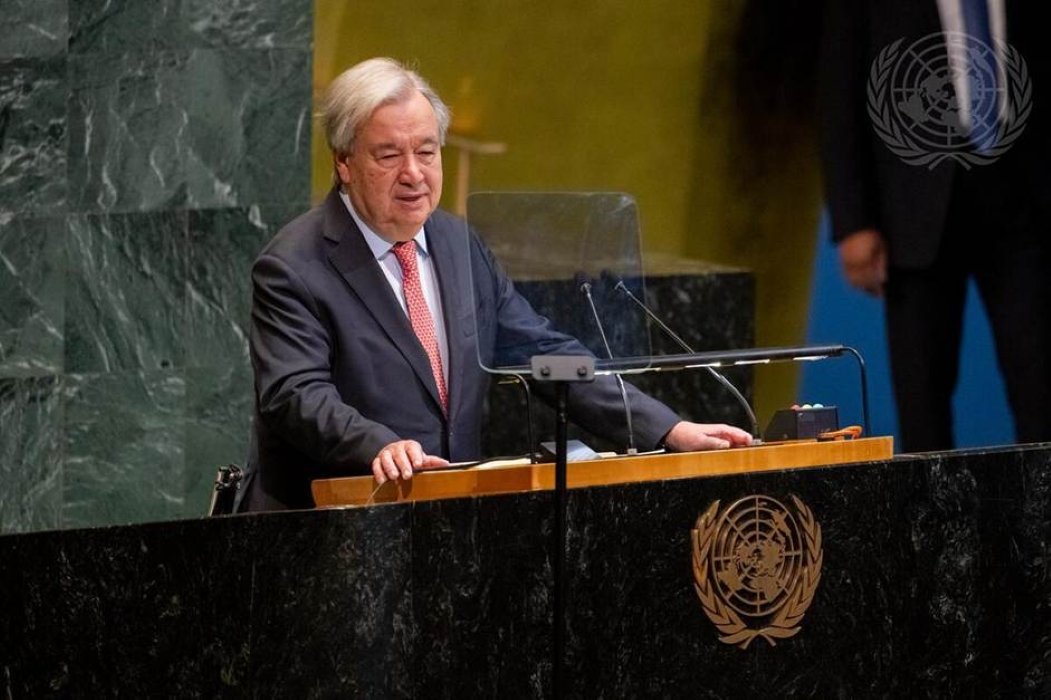
Their cause notwithstanding, the shortages of fuel on the island have provoked a grave humanitarian crisis; United Nations Secretary General Antonio Guterres warned last month of impending “collapse” if no oil reached the island.
Cuban hospitals have had to cancel emergency surgeries due to a lack of power and Cubans have resorted to burning wood to cook food.
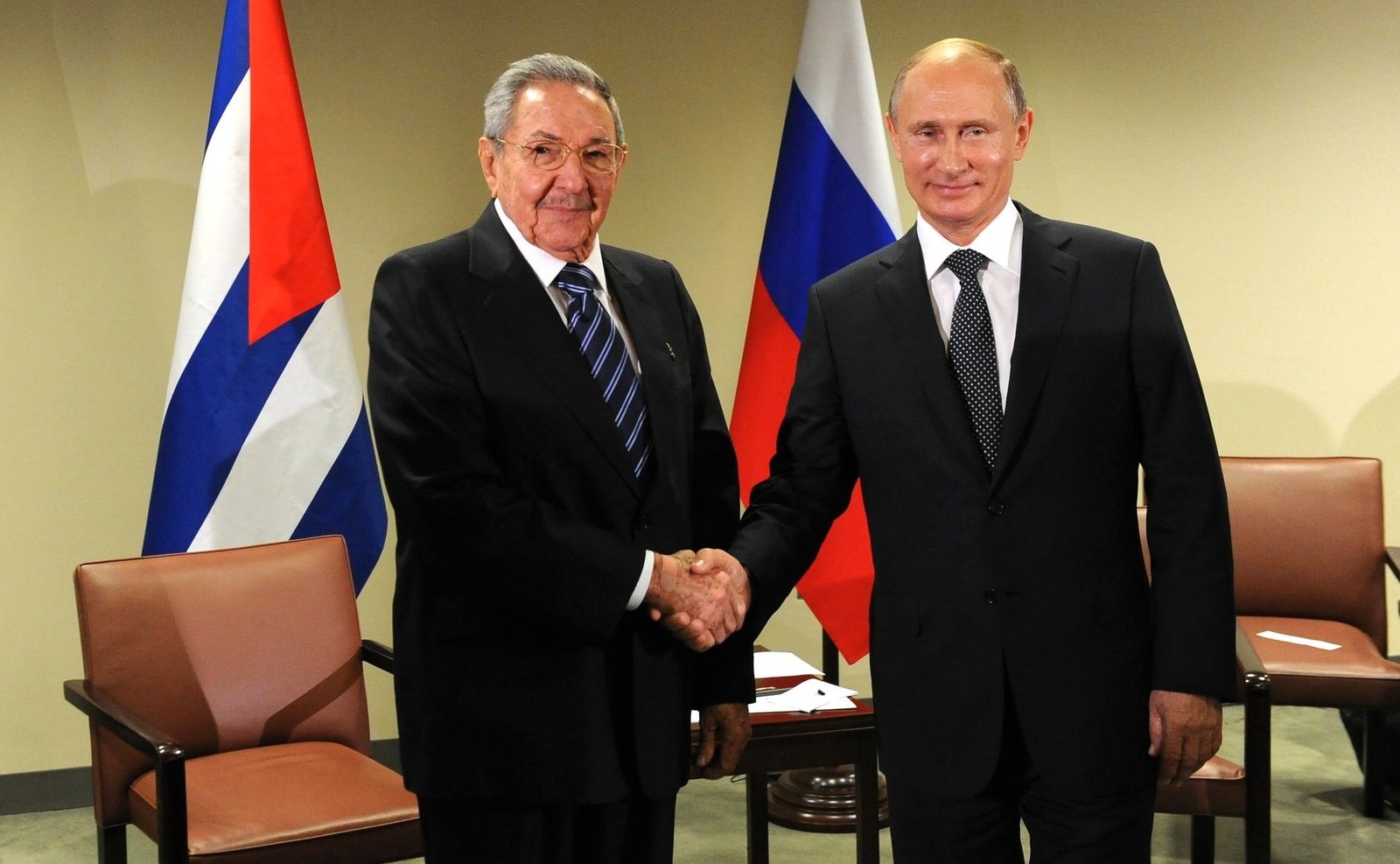
Featured Image: Current Russian President Vladimir Putin and former Cuban President Raúl Castro in 2015.
Image Credit: The Presidential Press and Information Office via Wikimedia Commons
License: Creative Commons Licenses