Medellín, Colombia – The repressive tactics of the Venezuelan state have continued following Nicolas Maduro’s capture, including reports of 87 political detentions since January 3, according to a new United Nations (UN) report.
The UN’s Independent International Fact-Finding Mission announced an update this Thursday that investigated arbitrary detentions, torture, and gender-based violence committed by the Venezuelan state since September, criticising failures of the so-called ‘amnesty law’.
Those arrested in this period include 14 journalists, 27 people accused of celebrating Maduro’s capture, and 15 children.
Government officials and military officers previously linked by the UN to crimes against humanity have retained their positions, while the judiciary, Public Prosecutor’s Office, and telecommunications authority all continue to facilitate state repression, according to the report.
The UN also reiterated that the U.S. operation to capture Maduro violated international law while stressing the need for the long-time strongman to be held accountable for possible crimes against humanity through due judicial process.
“Although the official line tells us that there is a new political moment […] the sector of the government related to repression and the state security forces remains intact; there hasn’t been a single change there, not even a cosmetic one,” Alí Daniels, lawyer and director of Venezuelan human rights NGO Acceso a la Justicia, told Latin American Reports.
Following Maduro’s capture, the UN noted that early decisions made by interim-president Delcy Rodríguez were “encouraging”. These include the release of political prisoners and the adoption of the Law on Amnesty for Democratic Coexistence on February 20.
However, the UN also detailed the limits of the “arbitrarily restrictive” law which fails to recognise the responsibility of the state for human rights violations.
“It does not establish transparent or comprehensive processes, independent investigations, or mechanisms to uncover the truth. Nor does it recognize the victims of repression, who continue to be characterized as criminals, without access to effective reparations.”
Families of political prisoners and exiles have raised similar concerns about the amnesty law that excludes military members imprisoned for rebelling against the government.
The true number of political prisoners released since Rodríguez’s interim presidency continues to be debated. Her government’s claims far outnumber the 690 verified releases of political prisoners by human rights group Foro Penal, whilst the UN maintains that the figures are unverifiable.
“There is still a long way to go before we can say that the situation in Venezuela has changed,” Daniels added, noting that it is unclear whether recent developments represent “a genuine willingness” for change on the part of the Venezuelan state or not.
“A far deeper and more enduring transformation is required so that the population can trust that the long years of repression and violence have truly come to an end,” the UN report concluded.
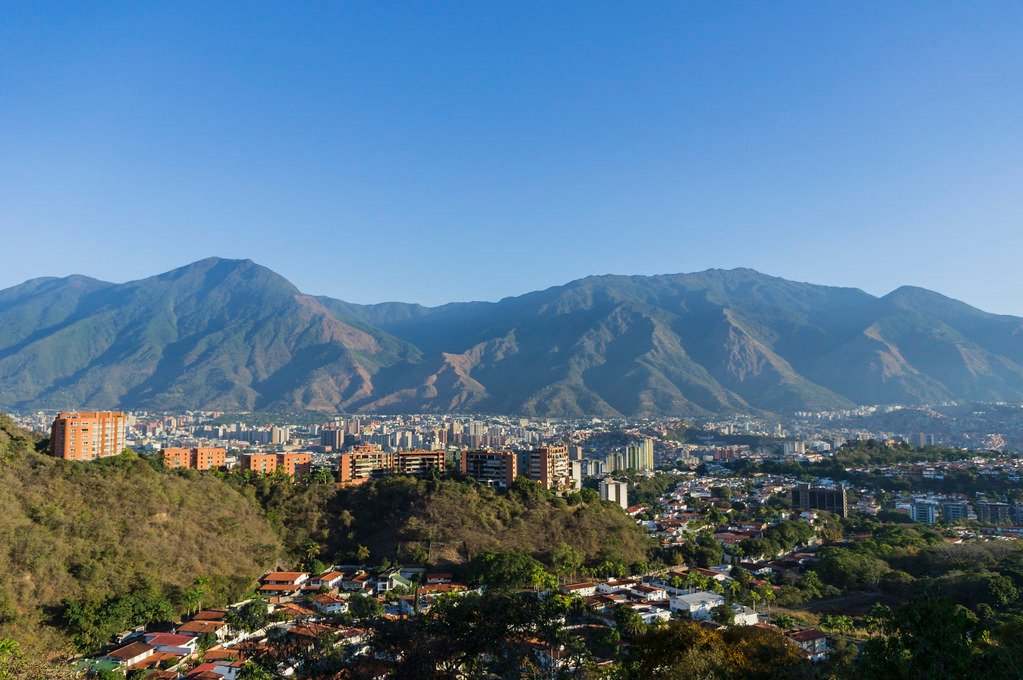
Featured image: Caracas, Venezuela via Flickr. Image License.