Trump vows new 10% global tariff after Supreme Court curbs emergency levies
In a 6–3 decision, the Supreme Court held that the administration exceeded its authority by setting and shifting global tariffs under the International Emergency Economic Powers Act (IEEPA)
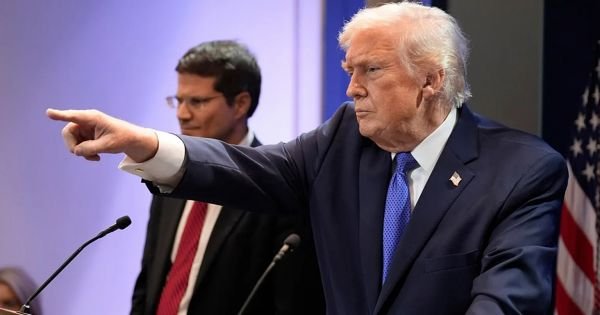
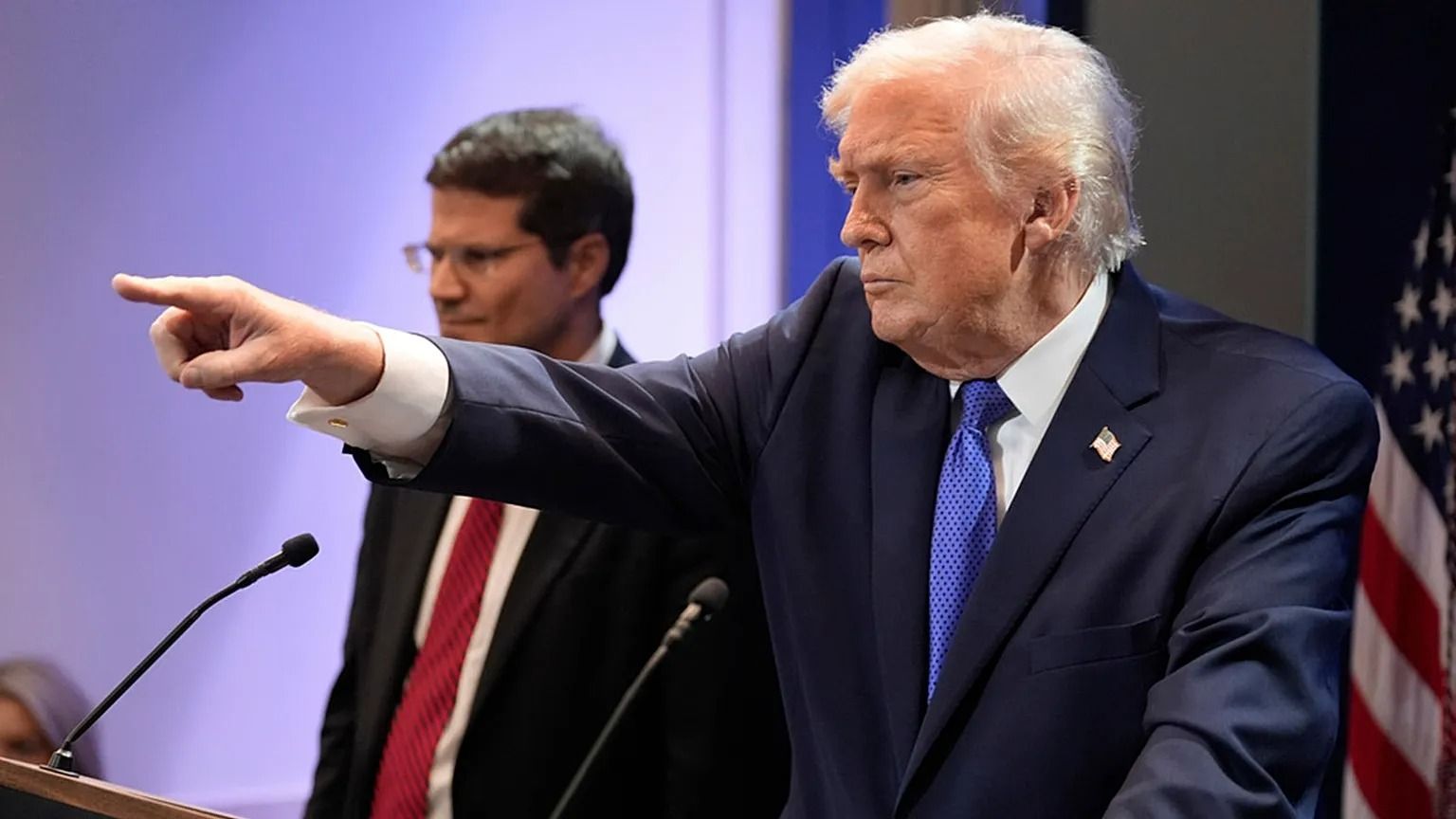
US President Donald Trump lashed out at the Supreme Court hours after it curtailed his ability to impose sweeping tariffs under emergency powers, and signaled he intends to press ahead with his trade strategy. “I’m ashamed of certain members of the court, absolutely ashamed,” he said at the White House.
In a 6–3 decision, the Supreme Court held that the administration exceeded its authority by setting and shifting global tariffs under the International Emergency Economic Powers Act (IEEPA), underscoring that the power to levy duties rests with Congress. The opinion was written by Chief Justice John Roberts.
On Friday, Trump signed an executive order repealing the tariffs struck down by the ruling and issued a proclamation imposing a new temporary 10% duty on most imported goods for 150 days, according to the White House. The plan includes exemptions for certain categories, including critical minerals, metals and energy products.
The new levy relies on “Section 122” of the Trade Act of 1974, a pathway that places explicit caps on both duration and rate and which Reuters said has not previously been invoked by a president to impose tariffs.
The statute provides that, in cases of “fundamental” balance-of-payments problems, the president may proclaim a temporary import surcharge for up to 150 days, not exceeding 15%, with any extension requiring an act of Congress.
The ruling also raised questions about trade deals negotiated under the threat of higher tariffs and about what happens to revenue already collected. Reuters put the amount collected from US importers under the contested framework at US$175 billion.
Vice President JD Vance attacked the decision on X, calling it “lawlessness from the Court” and arguing it would make it harder for the president to protect US industries and supply-chain resilience.
With the administration now weighing other, more procedurally demanding tariff authorities to rebuild parts of its trade program, the court’s intervention has injected fresh uncertainty for businesses and consumers, as tariff policy remains a central tool in Trump’s economic and foreign-policy approach.