U.S. temporarily allows sales of Russian oil already loaded on tankers to ease energy pressure
The conflict in the Middle East had entered a broader regional phase and that pressure on energy infrastructure had again pushed oil above $100 a barrel.
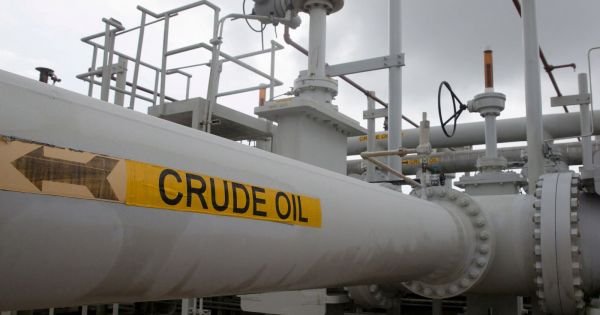
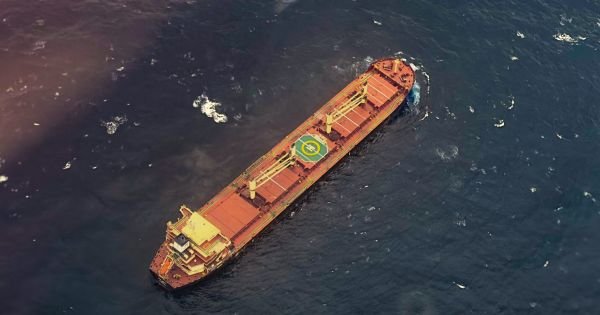
The United States has temporarily authorized the sale of Russian oil and petroleum products already loaded on tankers, in a limited easing of sanctions adopted as global energy prices rise because of the Middle East war. The measure was announced by the Treasury Department and will remain in force until April 11.
The license covers Russian-origin crude and petroleum products that had been loaded onto vessels at 12:01 a.m. on March 12 or earlier. According to Washington, the authorization is designed to allow existing supply to reach the market without presenting the move as a broader rollback of the energy restrictions imposed on Moscow since its invasion of Ukraine.
Treasury Secretary Scott Bessent said the decision is intended to “increase the global reach of existing supply” and described it as a “narrowly tailored” short-term step. He also argued that it would not provide a significant financial benefit to the Russian government because most of the Kremlin’s energy revenue comes from taxes collected at the point of extraction.
The decision follows an earlier authorization issued on March 5 that allowed the delivery and sale in India of Russian oil already loaded on vessels. That earlier measure, identified by OFAC as General License 133, was seen as a targeted outlet to avoid deeper supply strain. The new authorization widens that flexibility at a moment of greater stress in energy markets.
The shift comes as the war involving Iran, Israel and the United States continues to disrupt shipping and oil flows around the Strait of Hormuz. The conflict had entered a broader regional phase and that pressure on energy infrastructure had again pushed oil above $100 a barrel.
Washington has tried to respond to that pressure through several measures at once. In recent days it also approved a major release from the U.S. Strategic Petroleum Reserve and backed a coordinated action by the International Energy Agency to increase global supply. The partial opening for Russian oil already at sea fits the same logic: adding available barrels without fully dismantling the sanctions regime.
The market reaction was limited but clear. Oil prices fell on Friday after news of the U.S. license, suggesting that traders viewed the move as a short-term supply relief measure for the international market.