Uruguay hosts DEA summit that warns of new drug trafficking routes in South America
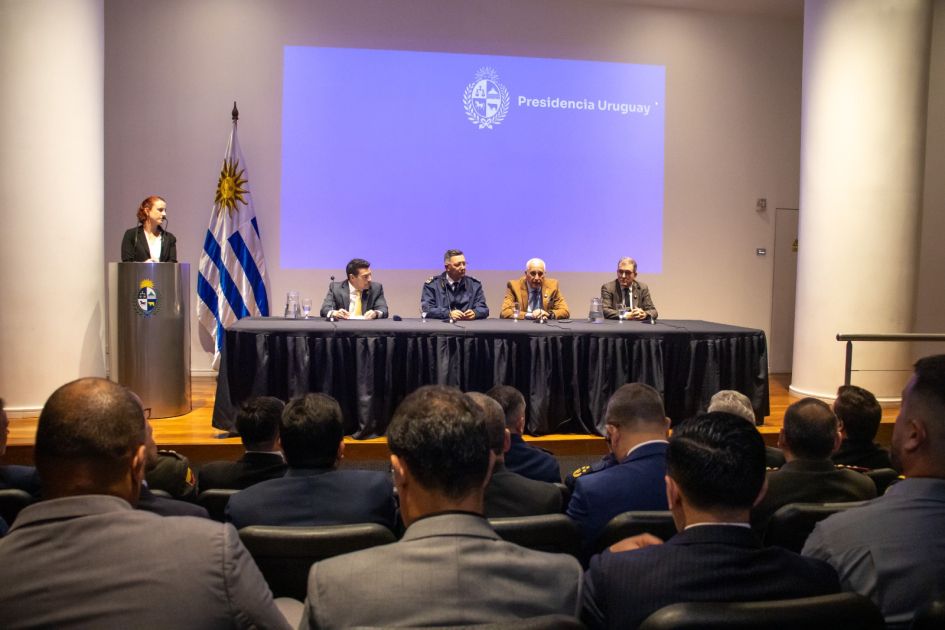
Uruguayan Interior Minister Carlos Negro opened the conference and stressed that regional security requires coordinated action beyond national borders
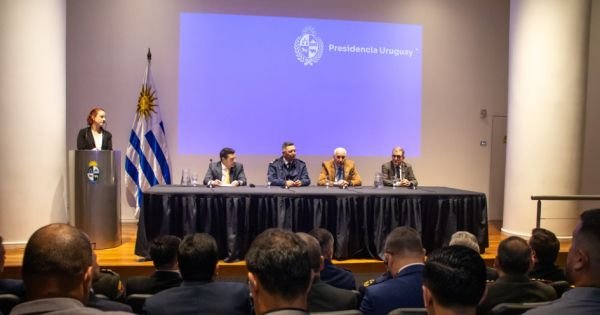
Uruguay hosted the 2nd Regional Coordination Meeting of the US Drug Enforcement Administration’s (DEA) Southern Cone Division, a conference held on April 9–10 in Montevideo that brought together representatives from Argentina, Brazil, Bolivia, Chile, Colombia, Ecuador, Paraguay, Peru and the United States to strengthen cooperation against drug trafficking and transnational organized crime.
Uruguayan Interior Minister Carlos Negro opened the conference and stressed that regional security requires coordinated action beyond national borders. Security is not decreed — it is built through coordinated work and the commitment of all actors, he said. Negro emphasized the need to translate multilateral meetings into concrete operational tools. Deepening information exchange, improving coordination in investigations and strengthening joint work are key to confronting our common challenges more effectively, he added.
DEA Southern Cone Regional Director Michael Cabral framed the initiative around the scale of the threat. We formed this group to confront threats that affect us all, he said, expressing hope that the sessions would contribute to strengthening shared objectives.
Among the summit’s most notable findings, the Bolivian delegation — led by Vice Minister for Social Defense and Controlled Substances Ernesto Justiniano — identified two emerging threats: a rise in hashish trafficking into South America from Africa and North America, reflecting a diversification of illicit routes and markets, and the diversion of chemical precursors such as ethyl acetate and sodium carbonate used in drug processing. Justiniano said, according to Bolivia’s state news agency ABI, that these developments confirm that drug trafficking is constantly evolving and that the response demands greater regional coordination.
Uruguayan National Police Investigations Director Julio Sena described the complexity of the current landscape. Organized crime cuts across all offenses and especially drug trafficking. There is no drug trafficking without money laundering, without contract killings, kidnappings and extortion, he said. Sena also noted that, unlike criminal organizations, law enforcement agencies must operate within geographic and legislative boundaries, reinforcing the need for international cooperation.
Although the DEA does not maintain offices in Uruguay — its Southern Cone regional headquarters operates from Argentina — Sena highlighted the ongoing communication and regular visits between officials from both countries for operational information sharing.
The conference took place as Uruguay reports significant results in the field. On the same Thursday, Negro presented the Senate with a first-year performance review that included more than 200 operations against organized crime, over nine tons of drugs seized in 2025 and assets confiscated worth more than $250 million.