Uruguay moves toward ratifying EU–Mercosur deal after special committee approval
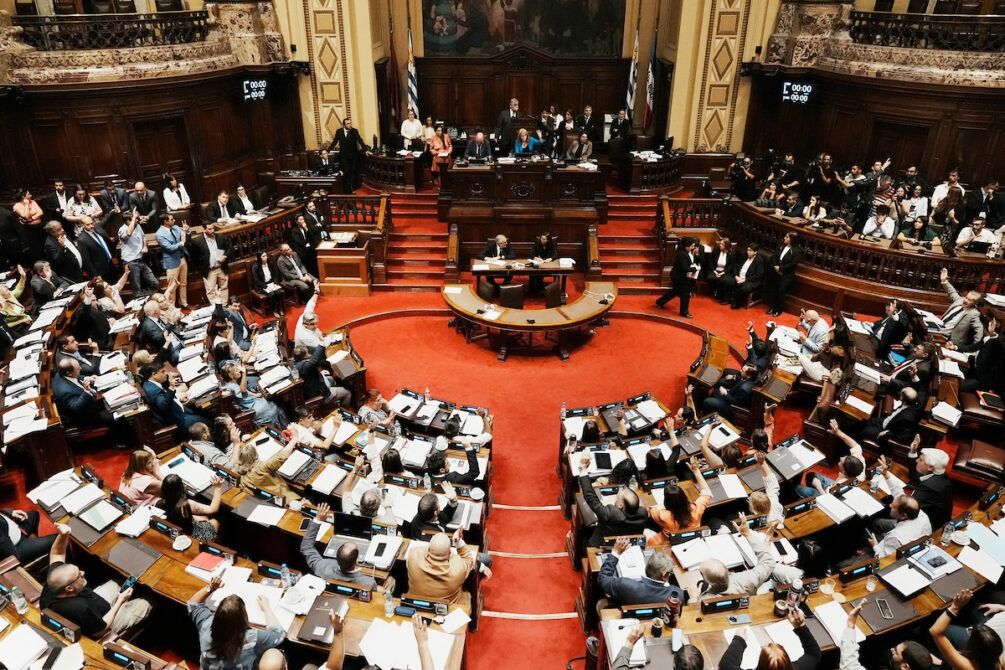
Under the legislative schedule cited by lawmakers and local media, the bill is due to be voted in the Senate on Wednesday, Feb. 25
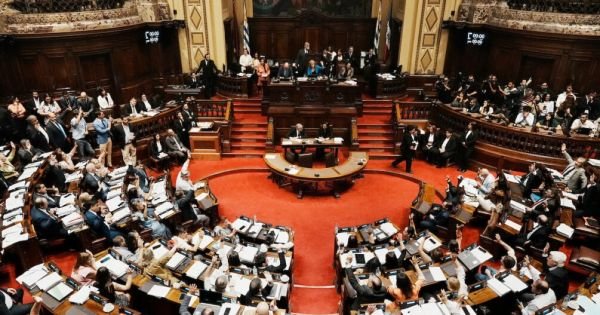
A special committee of Uruguay’s parliament tasked with reviewing the EU–Mercosur agreement approved the ratification bill on Monday, clearing the way for floor votes in the Senate and lower house in the coming days — a timetable that could make Uruguay the first Mercosur member to complete domestic approval.
Under the legislative schedule cited by lawmakers and local media, the bill is due to be voted in the Senate on Wednesday, Feb. 25, and, if passed, sent to the Chamber of Deputies on Thursday, Feb. 26. The committee backed the initiative unanimously after hearing from an executive delegation led by Foreign Minister Mario Lubetkin and Economy Minister Gabriel Oddone, who outlined sector-by-sector implications and implementation considerations.
The EU–Mercosur agreement was signed on Jan. 17 in Asunción after more than 25 years of negotiations, setting out an association framework and trade provisions between the European Union and Mercosur partners.
Regional pace inside Mercosur
Uruguay’s move comes as other Mercosur members continue their own legislative procedures. In Argentina, the agreement has already cleared the lower house and is still pending in the Senate, according to regional parliamentary tracking carried in dispatches from the EFE wire. Brazil and Paraguay are also expected to move through their domestic processes in the coming weeks, amid political efforts to accelerate approvals and unlock the next phase of the deal.
What happens on the EU side
In Europe, the ratification track now includes a legal step: the European Parliament voted to request an opinion from the EU Court of Justice on whether the agreement is compatible with the bloc’s founding treaties, effectively pausing a formal parliamentary ratification until the court rules.
Even so, EU procedures allow for provisional application of parts of the agreement through a Commission-led route, subject to the necessary EU authorisations, without waiting for a final parliamentary vote. In recent weeks, the Commission has signalled readiness to trigger provisional application once at least one Mercosur country completes domestic ratification, according to specialised reporting from Brussels.
Uruguay’s debate has focused on implications for export industries and sensitive sectors, with the government arguing that early ratification would provide predictability for businesses and position the country at the start of the new trade framework, while EU-level discussions continue over safeguards and the pending legal assessment.