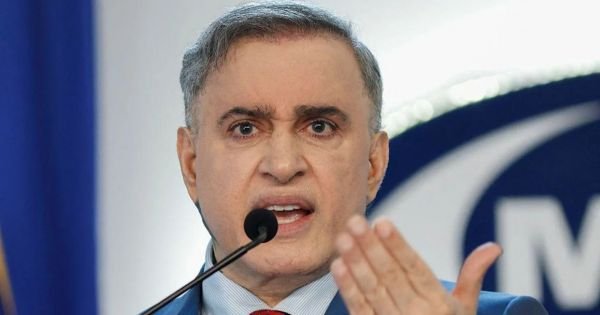
Venezuela attorney general Tarek William Saab resigns, takes interim ombudsman role
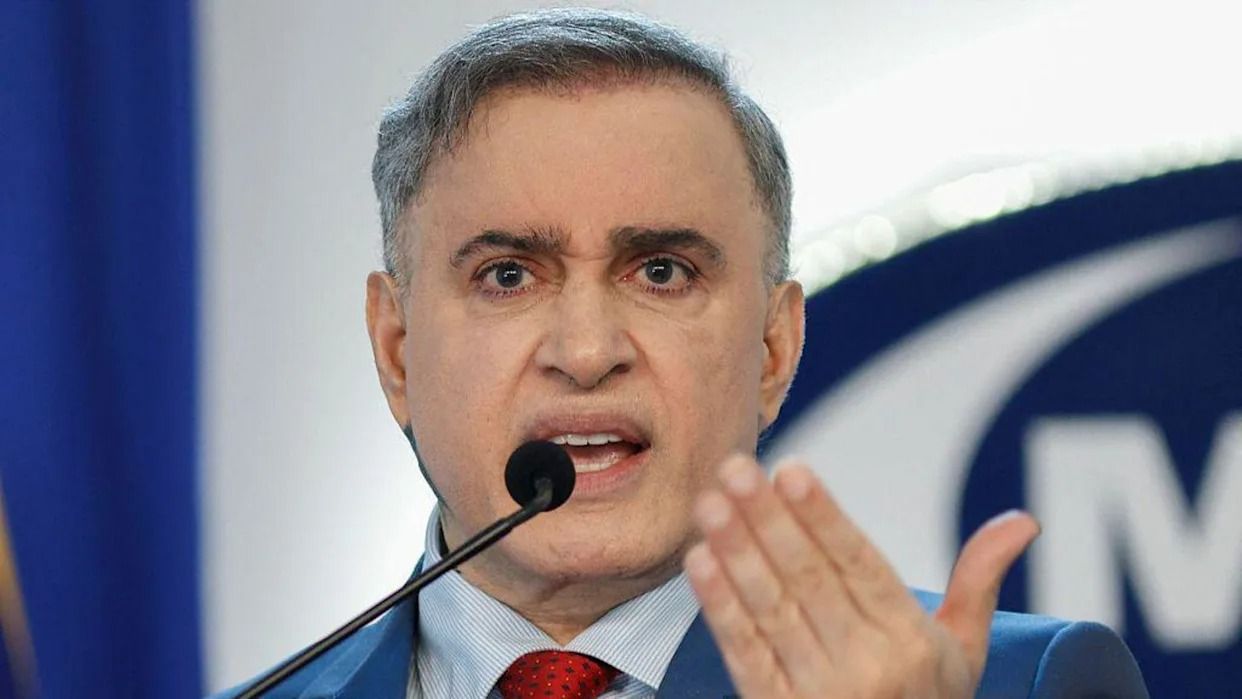
Human Rights Watch said Saab played a “leading role” in the persecution of critics and opponents and argued his appointment as acting ombudsman undermines victims’ claims and accountability
Venezuela’s National Assembly, dominated by the ruling bloc, on Wednesday 25 February accepted the resignation of Attorney General Tarek William Saab and Ombudsman Alfredo Ruiz, and immediately named temporary replacements: Saab will serve as acting ombudsman and lawyer Larry Devoe was appointed acting attorney general.
Parliament’s secretary, María Alejandra Hernández, told lawmakers that the legislature had received formal letters addressed to Assembly Speaker Jorge Rodríguez, signed by Saab and Ruiz. The chamber then moved to swear in the officials “in charge” while the process for permanent appointments is launched.
In his resignation letter, read to the chamber, Saab said he had carried out the office “with integrity and honor” under “exceptional challenge,” arguing the prosecutor’s office played a constitutional role in preserving peace and protecting human rights. He did not publicly set out specific reasons for stepping down.
Criticism and the amnesty backdrop
Human rights organisations have criticised Saab’s tenure as prosecutor. Human Rights Watch said he played a “leading role” in the persecution of critics and opponents and argued his appointment as acting ombudsman undermines victims’ claims and accountability.
The reshuffle comes as the government pushes through institutional changes following the recent passage of an amnesty law. In an interview with Reuters earlier this month, Saab said he hoped the measure would deliver a “100% pacified” country and insisted those detained are not political prisoners: “I call them prisoners, I don’t give anything any additional label.”
Foro Penal — a Venezuelan NGO that tracks politically linked detentions — described the amnesty as a “positive” step while warning its scope is technically restrictive and that repression would persist without deeper institutional change.
Devoe, presented to lawmakers as a human-rights-trained lawyer, headed the National Council of Human Rights and will lead the prosecutor’s office on an interim basis while committees are formed to select permanent authorities.