Venezuela’s earthquake recovery is entering its hardest phase, making rebuilding trust, enforcing safer building codes, and deciding which walls can rise first crucial to restoring confidence among policymakers and engineers.
When Cement Becomes Triage
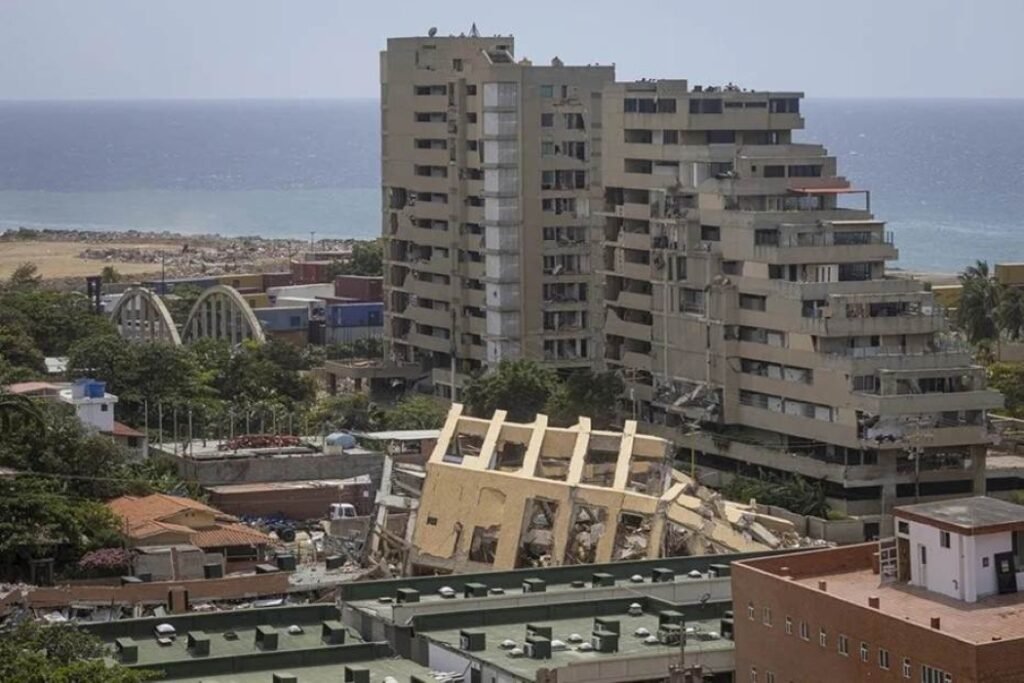
In Catia La Mar, where damaged buildings face the Caribbean and rubble has reached the shoreline, a crack is no longer just a crack. It can be a warning, a bill, or an eviction notice that hasn’t been written yet.
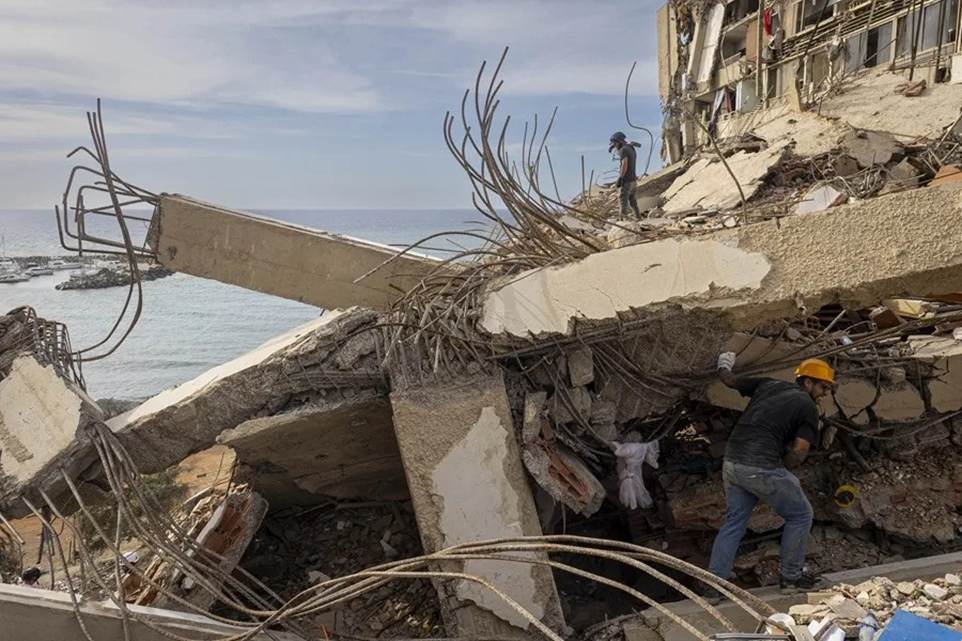
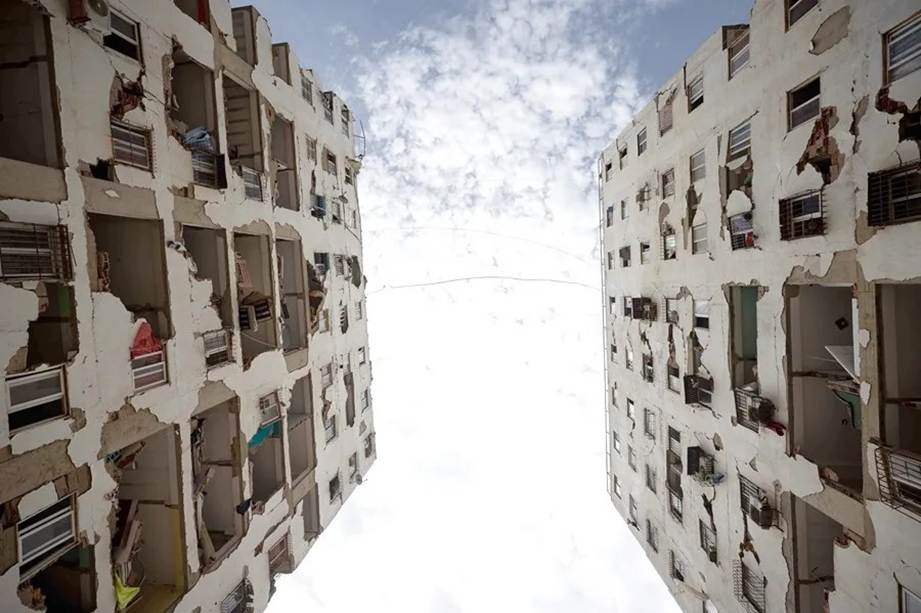
Venezuela’s government says at least 856 buildings were affected by the recent earthquakes, including 190 that collapsed. The count could rise because inspectors have not reached every structure, and some buildings still standing may be unsafe. Nearly 18,000 people lost their homes. Authorities estimate that 25,000 dwellings may ultimately be needed.
That scale turns reconstruction into a contest over ordinary things. Cement, concrete blocks, trucks, engineers, and masons experienced enough to know when a wall can be repaired and when it must come down.
“Everyone wants to repair their cracks quickly,” structural engineer Esteban Tenreiro told EFE. He then posed the question hanging over neighborhoods: Will people begin fighting over the remaining cement and skilled labor?
They may, unless the response is carefully sequenced. Venezuela is not starting from abundance. Years of inflation, shortages, institutional decay, and professional migration have weakened household savings and technical capacity. A rebuilding rush could drive prices upward, favoring families with dollars, transportation, or connections. At the same time, poorer residents wait beside damaged homes.
Tenreiro, son of National Architecture Prize winner Oscar Tenreiro, says hospitals, schools, and severely damaged public buildings should come first. That is social triage. A functioning clinic or classroom steadies an entire district.
Families want to return indoors and recover a daily rhythm. But repairs made before structural evaluation can conceal damage or create false confidence. Urgency can become another hazard.
A Color Code Is Not a Safety Net
The government has introduced a green, yellow, and red language. Green means a building is considered safe. Yellow calls for warning and review. Red marks a high-risk and prohibited zone.
For residents, those colors are not abstractions. Green can mean going home. Yellow can mean weeks of uncertainty. Red can mean that a family’s largest asset, often its only inheritance, has effectively disappeared.
Not every building has been evaluated. Tenreiro told EFE that inspecting yellow and red structures will be costly and slow, requiring clear criteria and transparent procedures. Understanding these processes helps engineers and policymakers prioritize safety and resource allocation.
In La Guaira, Tenreiro believes the earthquakes exceeded the seismic demand that many structures were designed to withstand. Yet design limits do not explain everything. Failure has a chain of responsibility, including deficient plans, unauthorized alterations, excessive loads, poor materials, weak supervision, and years without maintenance.
Raúl Estévez, a geophysicist at the University of the Andes, told EFE that buildings surviving the 1967 Caracas earthquake also need inspection, even without visible damage. Age, corrosion, renovations, and hidden deterioration still matter.
The ground complicates the picture. Estévez said soft soils in Caracas and La Guaira can amplify seismic waves. Venezuela’s post-1967 standards incorporated the interaction between soil and structure, he noted, but those principles were not always respected.
“The true culprits are bad construction, corruption, and state incompetence,” Estévez told EFE. Addressing these governance issues is essential, as earthquakes are natural, but disaster outcomes are shaped by effective policies and accountability.
Codes on paper do not brace a column. Inspections, honest procurement, qualified supervision, and public records do. Without accountability for who designed, approved, built, modified, and maintained each structure, reconstruction may reproduce old vulnerabilities under fresh paint.
Rebuilding Beyond the Rubble
The government says it will create temporary single-family camps, possibly with prefabricated homes, while identifying land for permanent, earthquake-resistant communities. An aerial survey of devastated La Guaira located more than 40 sites totaling 584,000 square meters for low-rise construction.
Land is only the beginning of a resilient city. A safe neighborhood requires stable soil, proper drainage, water, electricity, transport, schools, clinics, and jobs. Urban planners must develop strategies to avoid the emergence of informal settlements that lack services and increase vulnerability.
Venezuela should resist that pattern. Low-rise housing may reduce some structural risks, but it cannot compensate for poor site selection or rushed foundations. Prefabricated units can provide dignity during displacement, yet “temporary” must not become a bureaucratic word for forgotten.
Tenreiro expects reconstruction to take years, emphasizing that this long-term effort can foster resilience and shared responsibility among urban planners and disaster professionals.
Estévez offered the clearest long-term frame. Venezuela must learn to live with seismic danger, he told EFE, much as societies manage chronic disease. Earthquakes cannot be predicted with useful precision, but their damage can be reduced through preparation.
The rebuilding project is larger than replacing walls; it’s an opportunity to restore confidence through transparent permits, inspections, and documented decisions, encouraging trust among all stakeholders.
The shaking lasted minutes. Reconstruction will take years. Between them lies Venezuela’s decisive question: whether scarcity and haste will deepen inequality, or whether disaster can force a more honest architecture, built not only to stand, but to deserve trust.
Also Read:
Argentina Declares Independence Again as Milei Rewrites the Economic Script