Venezuela’s new defense chief signals more than a personnel change. It shows post-Maduro power consolidating through intelligence, military loyalty, and survival politics, offering Latin America a stark lesson on how fragile transitions can harden rather than open.
The Military Is Still the Real Center
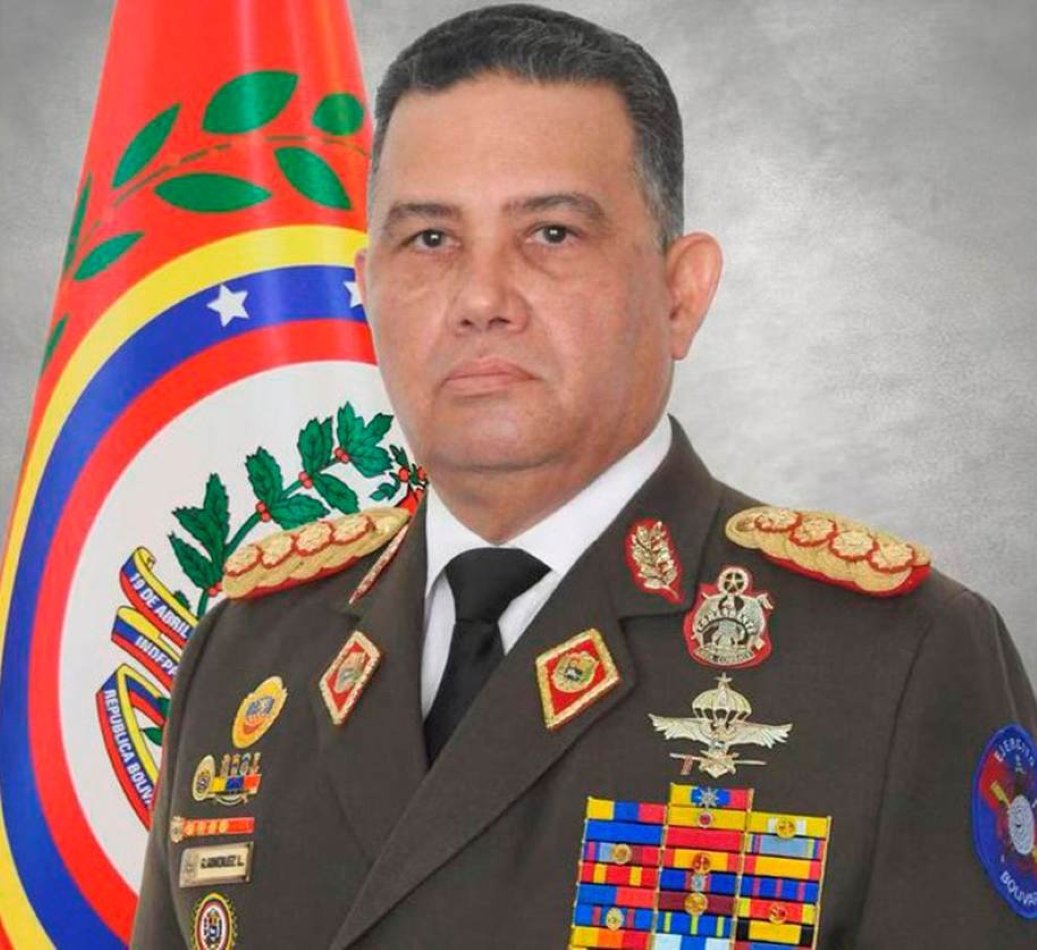
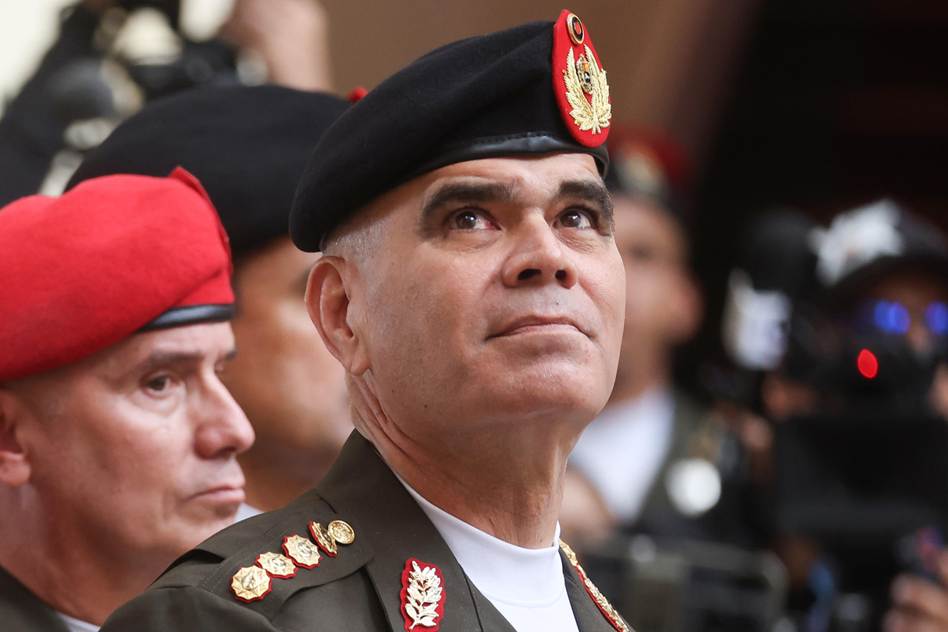
In Venezuela, cabinet reshuffles reflect nerves, loyalties, and the enduring question: who holds the state together as the old political order fractures. Acting President Delcy Rodríguez’s replacement of Gen. Vladimir Padrino López with Gen. Gustavo González López as defense minister fits this pattern. Though it appears as a personnel change, it signals that the leadership expects a different kind of guardian for the next phase.
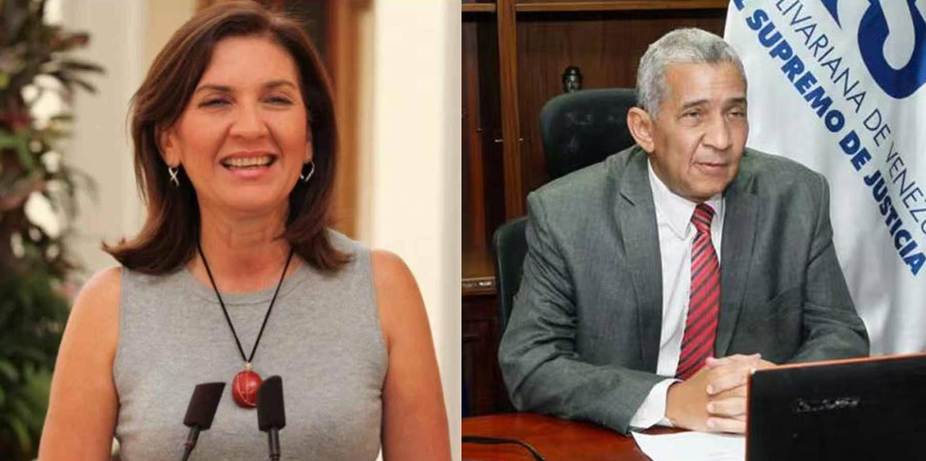
Rodríguez announced the transition on her Telegram channel, thanked Padrino for his “loyalty to the Homeland,” and expressed confidence in his future roles. The respectful, almost ceremonial tone usually masks strain. However, the timing reveals more: the reshuffle occurs over ten weeks after Rodríguez became acting head of state following the January 3 U.S. military operation that captured Nicolás Maduro on drug trafficking charges. Since then, the Trump administration has intensified pressure on Maduro loyalists governing the oil-rich country.
Padrino symbolized continuity as one of Maduro’s longest-serving cabinet and defense ministers. In Venezuela, such longevity is political architecture, not mere bureaucracy. He embodied the formula in which military discipline, institutional inertia, and personal loyalty sustained chavismo despite its lost legitimacy elsewhere. Replacing him signals an update, not abandonment, of that formula.
This matters for Latin America because Venezuela exemplifies how civilian rule, military power, and intelligence fuse into a survival machine. When a key part changes, neighboring governments, diplomats, and generals take notice—not expecting immediate collapse or liberalization, but recognizing that defense ministries signal political shifts and reveal rising fears.
An Intelligence State Steps Forward
Gustavo González López represents a specific fear. He is not a neutral caretaker but brings an extensive intelligence background and U.S. sanctions for his role in suppressing the 2014 protests. Since January 6, after Rodríguez reshuffled her security detail, he has served as commander general of the presidential honor guard and head of the military’s feared counterintelligence agency. Reuters reports he is part of Rodríguez’s close inner circle, and his promotion signals tighter control rather than political easing.
This is the story’s core. Venezuela’s acting government is not broadening its political base or promoting reconciliation post-Maduro. Instead, it is embracing an intelligence-heavy command model. Replacing a long-serving military stabilizer with a figure shaped by surveillance, counterintelligence, and repression suggests the leadership sees the next threat as infiltration, defection, and palace vulnerability. Simply put, the state is preparing to endure, not negotiate.
For Latin America, this is a familiar and sobering pattern. External pressure, especially from Washington, often aims to break authoritarian cohesion. Sometimes it succeeds, but other times it backfires, pushing embattled rulers to abandon balance and rely on those skilled in monitoring, punishing, and preempting. The region has seen this before under various ideologies. Under siege, governments often securitize rather than democratize.
This appointment should be carefully noted across the continent. Removing or capturing a regime’s figurehead does not dissolve its operating logic. Networks and reflexes persist, and personnel may become more specialized. Post-Maduro Venezuela signals not an exit from coercive governance but its refinement. This is a vital lesson for any Latin American government that expects authoritarian systems to collapse when its leader departs.
What Latin America Is Meant to Notice
A second regional lesson concerns the military. Democratic transitions in much of Latin America aimed to confine armed forces within a narrower constitutional role. Venezuela has shown how reversible that promise is when the military becomes central to economic survival, political discipline, and state legitimacy. This week’s reshuffle reinforces that the military remains decisive, with intelligence branches now possibly more important than the public command structures outsiders focus on.
This appointment also challenges the hope that post-Maduro Venezuela would quickly become more transparent, governable, and easier to reintegrate into Latin American diplomacy. That hope was overly optimistic. Rodríguez’s government still faces a hostile U.S. administration, sanctions, and the fallout from a major leadership rupture. In this context, appointing a sanctioned intelligence chief to lead defense signals to neighbors that Caracas prioritizes internal discipline above all. Stability, yes, but a guarded, suspicious kind built on trusted insiders rather than institutional openness.
So what does this mean for Latin America? It means the region is watching. What does this mean for Latin America? The region is witnessing a transition that is not yet a true transition. Venezuela remains a laboratory for a harsh political truth: when power is cornered, it often retreats into the security state before leaving office. It also reminds Latin America—regardless of political leaning—that the most significant shifts are not always loud. Sometimes they come in a Telegram post, wrapped in formal gratitude, as the state quietly entrusts its future to the man who knows its secrets best.
Also Read:
El Salvador Tests the Extent to Which Security Can Reshape Democracy