A World Baseball Classic chant transformed food into a symbol of pride, insult, diaspora memory, and racial tension, revealing how Latin American celebrations can shift from playful bravado to sharper conflict when amplified by cameras, memes, and historical sensitivities online.
When Food Becomes a Symbol of Identity
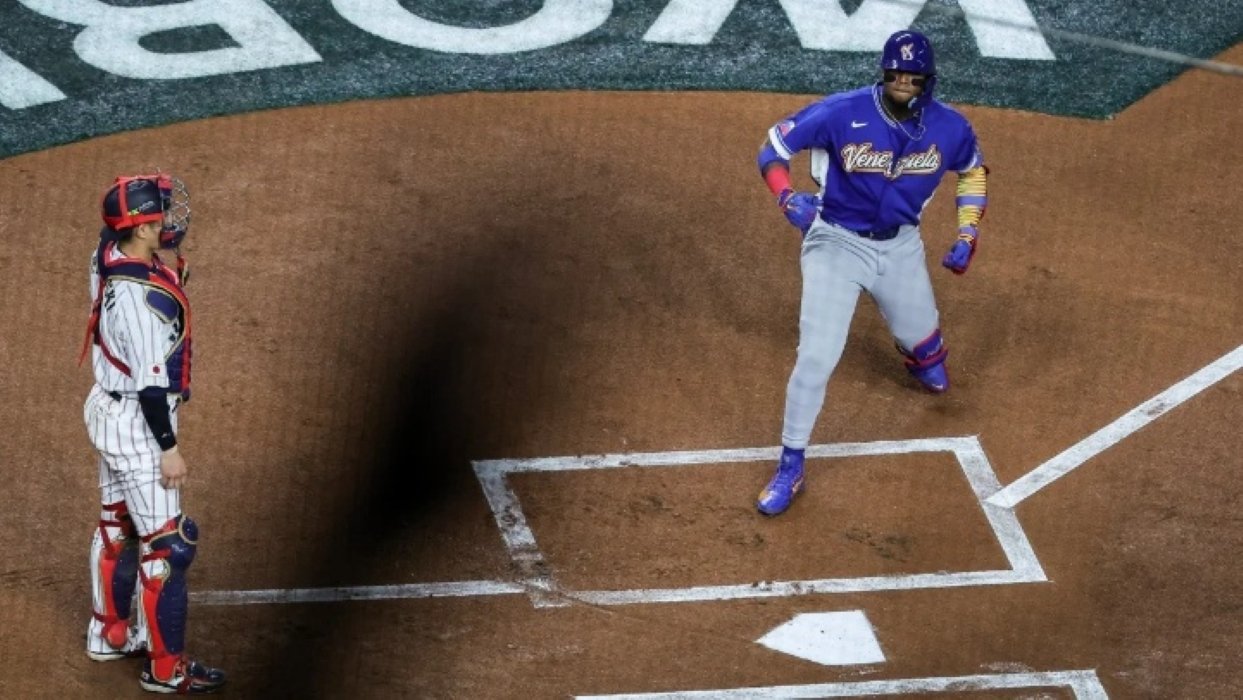
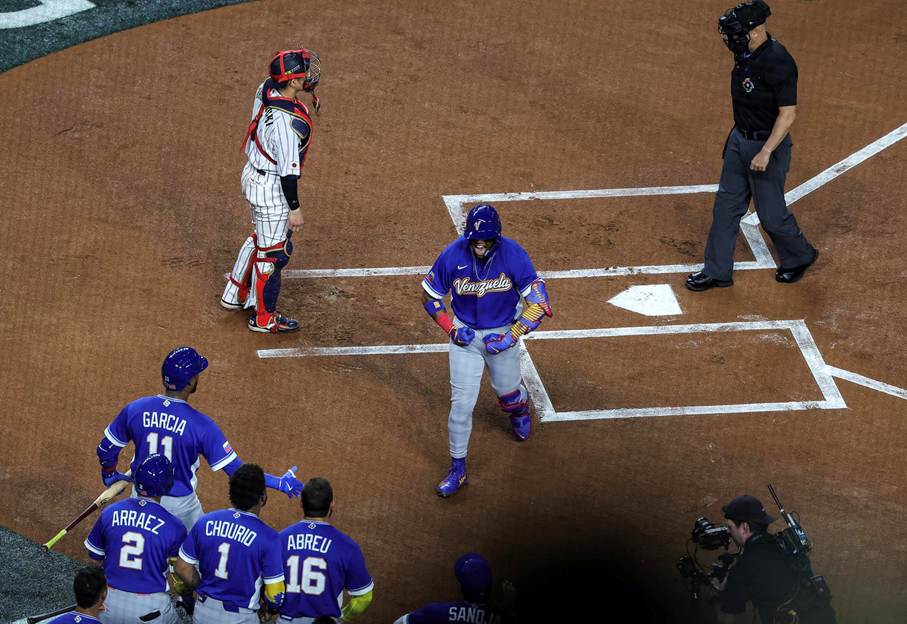
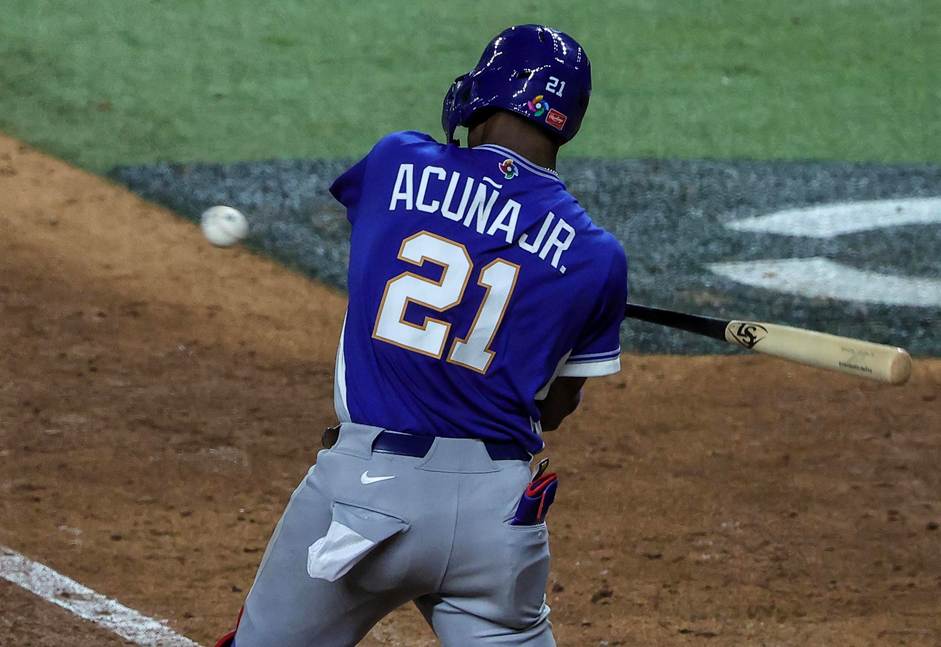
In Miami, following Team Venezuela’s unexpected victory over three-time champion Samurai Japan in a World Baseball Classic quarterfinal, Ronald Acuña Jr. shouted, “We ate sushi! We ate sushi!” The phrase spread rapidly due to its simplicity and resonance with the excitement of the moment. According to The New York Times, the celebration soon sparked broader debate regarding tone, appropriateness, and the ambiguous boundary between sports theatrics and racially charged expression.
This complexity renders the controversy worthy of careful consideration. Superficially, the chant resembles typical sports banter—athletes and fans boasting, mocking rivals, and moving on. However, the World Baseball Classic transcends a conventional tournament; it serves as a platform where nationhood is condensed into uniforms, accents, songs, flags, and, in this instance, food. Within this context, sushi and arepa transcend their culinary identities to become symbols representing entire countries, capable of being consumed, disparaged, or ridiculed.
This symbolic compression explains why some perceived Acuña’s chant as harmless banter and by others as offensive. The phrase did not emerge in isolation. The New York Times reports that Dominican fans, following a victory over Venezuela, chanted, “Arepa has been burnt.” Before Venezuela’s game against Japan, a Dominican baseball meme account circulated an AI-generated image depicting Acuña eating sushi and Shohei Ohtani eating an arepa, questioning which would be consumed that day. After the Dominican Republic’s mercy rule victory over Korea, the same account humorously claimed that a knockout had been delivered to K-pop.
None of this emerged. These dynamics did not originate in diplomatic settings. Still, they arose organically from stadium concourses, meme pages, and active fans within a tournament atmosphere where humor can shift rapidly from communal to cutting. This context explains the controversy’s contemporary nature. The joke is not merely spoken; it is recorded, shared, detached from the game, and disseminated to a broader public where diverse histories and sensitivities intersect. sist that outsiders are missing the vibe. Sometimes they are right. Inside a stadium, chants breathe differently. They can be mischievous, local, improvised, and deeply tied to the emotional release of winning. But once those chants leave the ballpark, they no longer belong only to the people who were there.
The Stadium and the Internet as a Unified Space
The Acuña incident clearly reveals this phenomenon. The stadium stands and the internet now function as a single interconnected space. When a player shouts in triumph, meme accounts have often prepared the context, fans have rehearsed the language, and social media amplifies the message. By Sunday, the discussion had shifted from a single outburst to the broader cultural implications of the tournament.
The observations from The New York Times are particularly insightful as they avoid a simplistic moral narrative. The same tournament that generated sushi and arepa taunts also featured videos of Japanese fans dancing with Venezuelans. Additionally, Dominican fans were filmed encouraging a Team Korea supporter dancing during a significant loss. These instances demonstrate that the event’s emotional dynamics cannot be reduced solely to xenophobia or insult; they also encompass admiration, improvisation, playfulness, and mutual recognition.
This tension constitutes the central narrative. The same crowd may both cheer and mock. A chant perceived as mischievous by one individual may be humiliating to another. Cultural shorthand that feels intimate within Latin American stadium traditions can appear careless when viewed through a global perspective. This contradiction is not a flaw but rather the essence of the story.
An underlying class dimension permeates these dynamics, even though the chants do not explicitly address it. In Latin America, food rarely functions solely as sustenance; it embodies home, migration, dignity, scarcity, memory, and national self-respect. Transforming a rival into a dish is effective because it appeals to something ordinary and intimate, bypassing formal political discourse to engage everyday symbols embedded in mouths, kitchens, and family narratives. This duality renders the joke both powerful and potentially dangerous.
The Latin American Interpretation of the Joke
From a Latin American perspective, that danger is familiar. The region knows what it means to be reduced from the outside to a crop, a product, a stereotype, a caricature. So when its own sports cultures similarly reduce others, even playfully, the joke lands inside a larger historical irony. Celebration can start sounding like domination in miniature. Not because every fan means harm, but because symbolic conquest is built into the language of “we ate” and “burn the arepa.” The rival is not just defeated. The rival is consumed.
This context explains the persistence of the controversy. The issue extends beyond whether Acuña intended offense; the available accounts do not resolve this question, nor would it be appropriate to speculate. Instead, they reveal a deeper concern: the World Baseball Classic encourages countries to perform their identities in concentrated form, which is its strength, but it also risks reducing them to simplistic mascots.
Even the closing speculation in the notes carries that restless energy. If Venezuela beats Italy, will the next meal be pizza, spaghetti, and espresso? If the D.R. beats Team U.S.A., will fans again shout about burning the arepa? The questions are half-joke, half-warning. They suggest that this language has become part of the tournament’s bloodstream.
This may explain why the Acuña chant appears less as an isolated controversy and more as a reflection of contemporary culture. Pride is now prepackaged for virality; banter transforms into discourse overnight. National affection and mockery coexist within the same media clip. While the World Baseball Classic continues to provide moments of cultural warmth that seem nearly utopian, it also highlights that joy under pressure often resorts to the most immediate symbol, typically the one closest to the table.
In Miami, that table featured sushi and arepas. The resulting discourse extended beyond mere trash talk to a more profound debate about the implications when victory becomes intertwined with another’s cultural identity.
Also Read:
Mexico’s Liga MX Keeps Turning Fading Legends into Unforgettable Folklore