Chile’s far-right President-elect José Antonio Kast pulled his incoming administration out of transition talks with leftist outgoing President Gabriel Boric on Wednesday, days before the inauguration.
Kast claimed that Boric and his administration had withheld information regarding the construction of an underwater sea cable connecting Chile to China. Boric disputed this, telling the press that Kast had been informed weeks before.
Boric’s transport secretary, Juan Carlos Muñoz, had approved the cable in January, but did not give a public announcement. The process was paused in February due to cybersecurity concerns. The U.S. then sanctioned three Chilean transport ministry officials, including Muñoz.
In a statement, the U.S. State Department said Muñoz had “knowingly directed, authorized, funded, provided significant support to, and/or carried out activities that compromised critical telecommunications infrastructure and undermined regional security in our hemisphere.”
Democratic backsliding?
The collapse of the transition, the first instance since the return to democracy in 1990, has raised hairs in Chile.
Kast, who has voiced support for Chile’s brutal dictator Augusto Pinochet, even campaigning for his rule to be extended in 1988, has long had his democratic credentials challenged by the left.
Assistant Professor at Carnegie Mellon University Ignacio Arana Araya tells Latin America Reports that by making his grievances public and halting the meetings, Kast is breaking with a “cherished informal institution.”
“Chile is losing the mature, collaborative and efficient transfer of power that has characterized post-Pinochet politics,” Arana Araya says.
He suspects that Kast is attempting to create a clear distinction between the current and incoming administrations, “expanding the space to criticize Boric more forcefully when he takes office.”
Kast and his supporters were accused in the 2025 election of using bots and trolls to spread hate and misinformation on social media, with the majority of comments angled at Kast’s female rivals.
Javiera Arce Riffo, a professor at the University of Valparaiso, fears that the break in the transitional meetings is the beginning of a more hostile political environment where members of the left are targeted and vilified.
She sees this as Kast adopting a Trump-style of politics that solidifies his strongman image, belittling his rivals in the process, and “concentrates executive power,” — all signals of what, Arce Riffo says, can be expected once Kast is in power.
“Kast’s incoming government is one in his figure. It is largely made up of unaccountable business leaders with little political experience, making it easy to see how Kast may be tempted to elude congress and rule by decree — both signs of democratic backsliding,” Arce Riffo told Latin America Reports.
A blip?
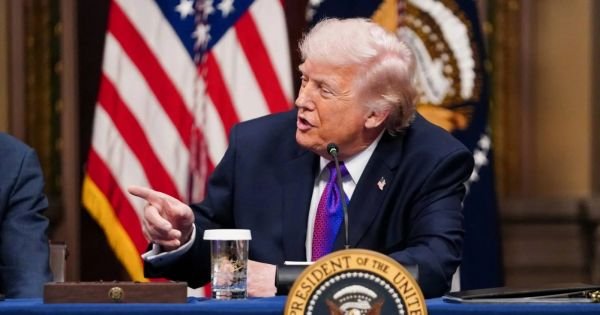
Before the inauguration next week, Kast will travel to the U.S. with other Latin American heads of state for the Shield of the Americas summit and to meet U.S. President Donald Trump. Robert Funk, a political analyst at GlobalSource Partners, a consultancy, sees Kast’s decision to halt transition discussions with this meeting in the backdrop.
“This is the first time that there is a sense that the ideological backgrounds of both Boric and Kast are impeding the possibility of a smooth transition, but really this is to do with the particular case of the Chinese cables,” Funk tells Latin America Reports.
The Trump administration has rallied against Chinese intervention in Latin America as Boric has deepened ties with Beijing, which has invested in large construction projects and Chile’s crucial lithium industry.
Kast’s public disagreement over Chinese infrastructure sends a strong signal to the U.S. that his government may be more hostile towards Chinese collaboration.
“This disagreement between Kast and Boric is a blip. The bigger story here is how Kast moves forward managing the relationship with China and the U.S. — that is the headache that Kast is going to have going forward,” Funk adds.
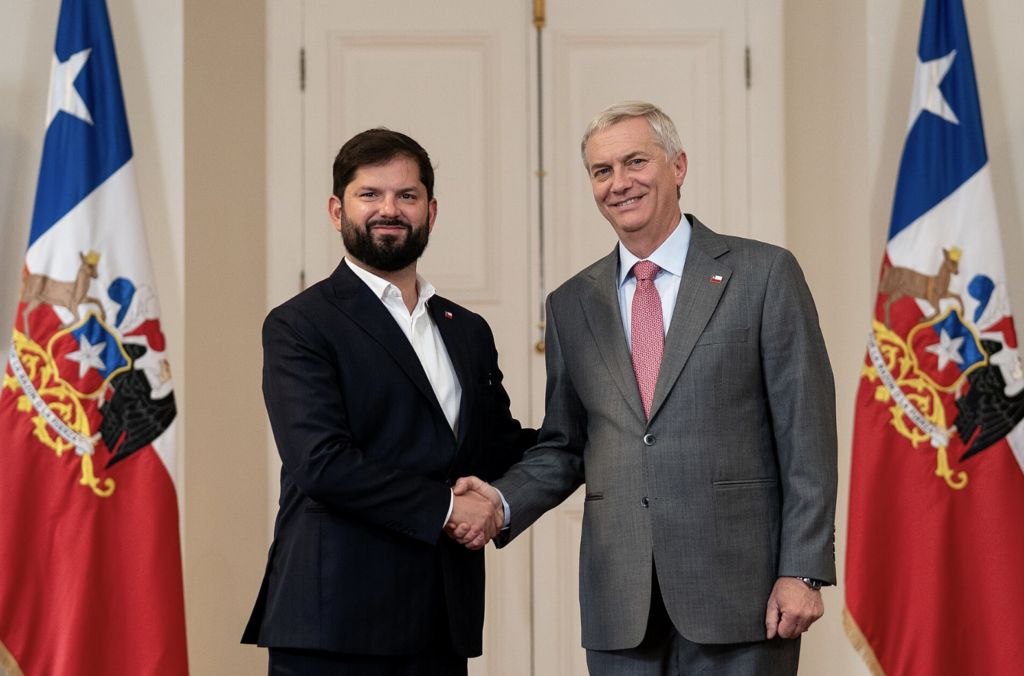
Featured Image: President of Chile Gabriel Boric receives President-elect José Antonio Kast in La Moneda after Kast’s election victory
Image credit: Gobierno de Chile via Creative Commons License