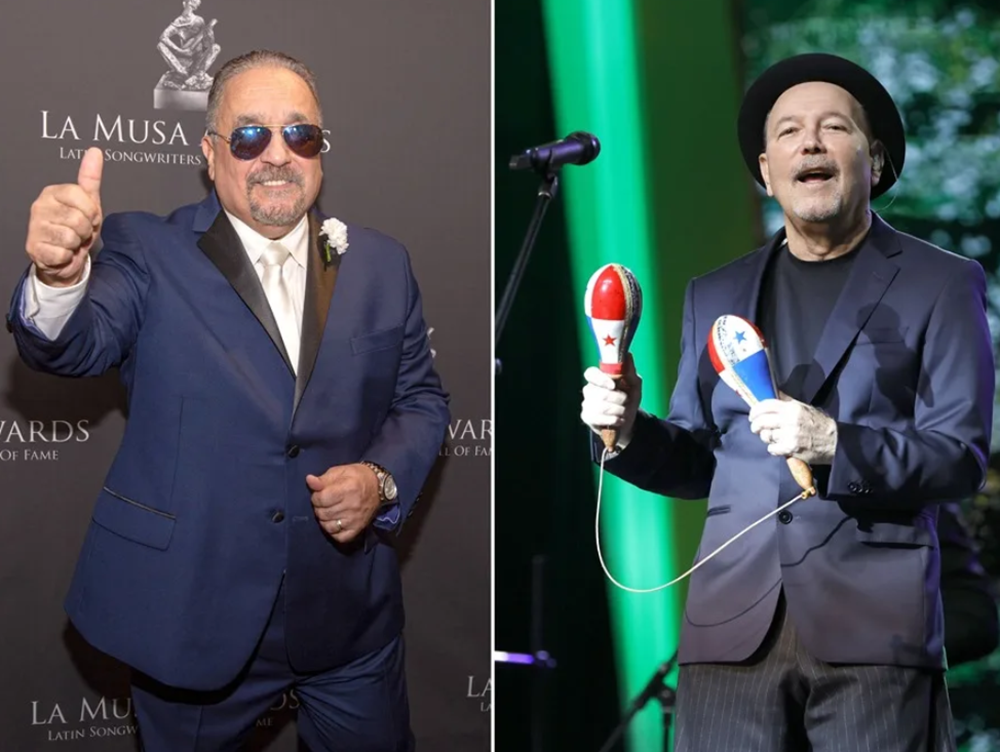
Willie Colón died Saturday at seventy-five in New York, but Panama keeps hearing him in its own key. From early Carnival stages to late return visits, his music served as a bridge, and his passing reopened a debate about cultural belonging and memory.
A Carnival Stage That Kept Calling Him Back
There is a particular kind of night Panamanians know by instinct, the one where the air feels busy, and the street noise carries farther than it should. Carnival energy, not quiet, not polite. In those nights, music is not decoration. It is a public language.
That is where Willie Colón first lands in the Panamanian story, arriving with Héctor Lavoe in the nineteen seventies and getting the kind of welcome that makes an artist come back. He did come back. He returned in the following years to perform at Carnival, alternating with local groups, the way a visiting star becomes part of a neighborhood lineup rather than floating above it.
The everyday observation is simple: people remember who returns. Panama remembers who returns.
Mario García Hudson, a Panamanian music researcher, writer, and dedicated listener, says Colón’s bond with the country was shaped early by that reception and then deepened into something more intimate. “Siempre tuvo una relación muy íntima y cercana con el país por la acogida que le brindó,” García Hudson told EFE. He described Colón as an artist who even wove the imagery of the murga into his repertoire, making a local imagination audible in a broader salsa world.
Colón died Saturday at seventy-five in New York, but in Panama, his death lands like the closing of a long musical loop. He performed there repeatedly over the years, and the last time, the notes say, was last year at the opening of Premios Juventud, staged in Panama City for the first time outside the United States. He played “La Murga de Panamá.” A song with a place-name in its mouth, performed in the place it names.
That kind of moment does not feel like a coincidence. It feels like a farewell written in advance, even when nobody knows it yet.
The trouble is that when an artist like Colón dies, the conversation is never only about grief. It is also about ownership, about how a country claims a relationship without flattening the complexity that made it real.
Songs That Turned Salsa Into a Social Ledger
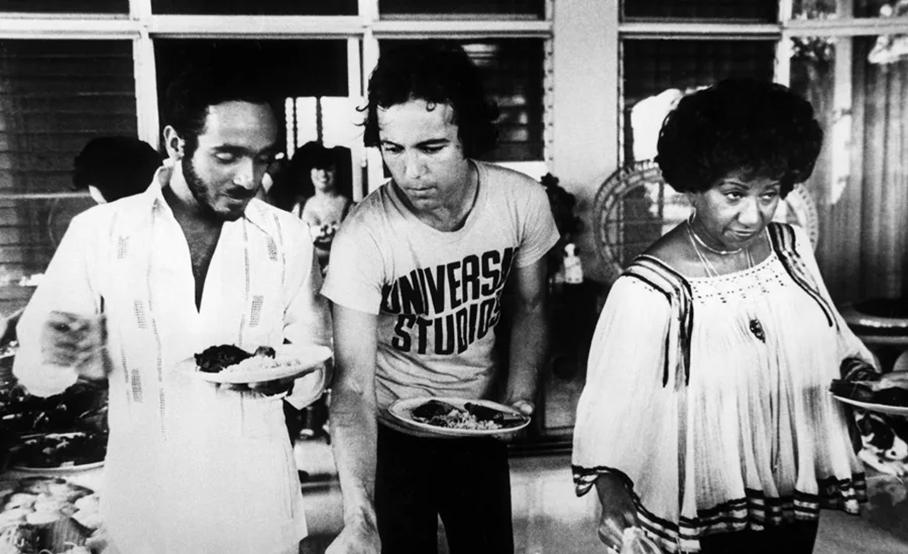
Colón’s relationship with Panama was personal but also structural, built into collaborations that shaped what salsa could do in public. His partnership with Rubén Blades in the nineteen seventies produced albums that became historical markers: Siembra, released in nineteen seventy-eight, and Maestra vida, released in nineteen eighty, under Fania Records.
Together, the notes say, they did more than elevate salsa. They pushed a new aesthetic that made the genre a social chronicle of Latin America and the Caribbean. It is a big claim, but it matches what listeners hear in the songs named here, “Pablo Pueblo” and “Pedro Navaja,” where narrative and critique are not add-ons but the engine of the music.
This matters in Panama because Panama does not just consume salsa. It participates in what salsa says about the region. The genre has long been a way of writing about Latin America’s contradictions with rhythm rather than policy papers. The city and the barrio. The dream of mobility and the reality of inequality. The humor that keeps people upright. The sadness that never fully leaves.
In that sense, Colón’s bond with Panama is not only sentimental. It is political in the broadest Latin American way, tied to how culture circulates in a region where borders are real but music crosses them anyway.
Colón also worked with Omar Alfanno, the Panamanian composer behind “El Gran Varón,” a nineteen eighty-nine hit credited here as a collaboration. The song’s endurance is part of the larger story of how Panamanian writers and performers shaped salsa’s global footprint while still fighting to be recognized as central rather than peripheral.
Colón’s Panama songs anchor that relationship in a more literal way. The notes name “La Murga de Panamá” and “Panameña,” both from nineteen seventy and co-authored with Lavoe. Place becomes title. Title becomes identity. Identity becomes something audiences can carry.
García Hudson describes how Colón’s presence in Panama sat inside a broader history of Puerto Rican figures performing there, but he emphasizes how Colón’s visit hit differently. “En Panamá se habían presentado otras figuras de Puerto Rico,” he told EFE, then explained that Colón arrived during salsa’s development, liked the Panamanian stage, and took elements of Panamanian repertoire to record. The implication is not that Panama borrowed from Colón, but that Colón borrowed back, and the exchange was mutual.
That is the cultural dispute hiding inside the elegy. Who gave what to whom, and who gets to narrate it after the artist is gone.
What this does is force Panama, once again, to look at its role in regional music history not as a footnote, but as an active site of creation and influence.
A Second Home and a Public Goodbye
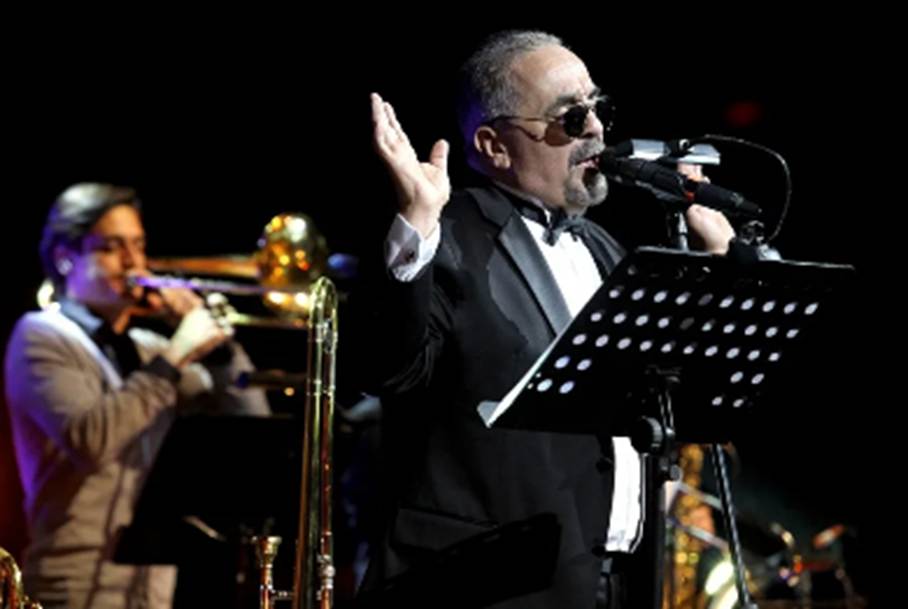
News of Colón’s death echoed quickly in Panama. Politicians and musicians who worked with him offered condolences and gratitude to his family. Rubén Blades posted a brief message promising to expand later, confirming what he had resisted believing, and sending condolences to Colón’s wife, Julia, and his children and loved ones.
Omar Alfanno, in a text posted on Instagram, mourned Colón as a musician whose arrangements, songs, trombone, and unmistakable voice carried the barrio and brought joy for decades. He praised their shared song, saying that no one else could have given it the vocal mystique that made it immortal. He ended with an image that feels like a last wink of stage persona: there is salsa in heaven because “El Malote” arrived, accompanied by photos of their last meeting in Panama.
Then there is the civic gesture, the way governments sometimes reach for symbolic acts when culture has done more for national pride than policy ever could. Juan Carlos Navarro, Panama’s current environment minister and a former mayor of Panama City, recalled that in December two thousand five, he had the honor of presenting Colón with the keys to the city for his contributions to Latin music and his ties to Panama. He described an embrace and a sentence that reads like a seal on the relationship: Colón told him what everyone already knew, that Panama was his second home.
The memorable line here is not mine; it is the country’s, repeated through different voices in different forms. Panama was his second home.
A second home is not a legal category. It is a moral one. It is built from returns, from collaborations, from audiences that receive you as something more than a guest.
In the end, that is what Panama is mourning. Not only a famous salsero, not only a New York death felt far away, but a relationship that made Panama audible in the wider story of salsa. A relationship that, for a long time, sounded like it would keep going.
And then, on a Saturday, it stopped.
Also Read:
Willie Colón: Architect of Latin America’s Salsa Soundtrack for Decades