Irregular Venezuelans in Chile want to leave but can’t: no papers, no consulate, no return mechanism
Of the more than 336,000 migrants in irregular status in Chile, 75% are Venezuelan
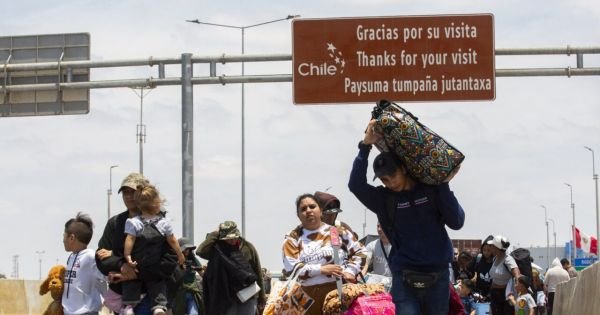
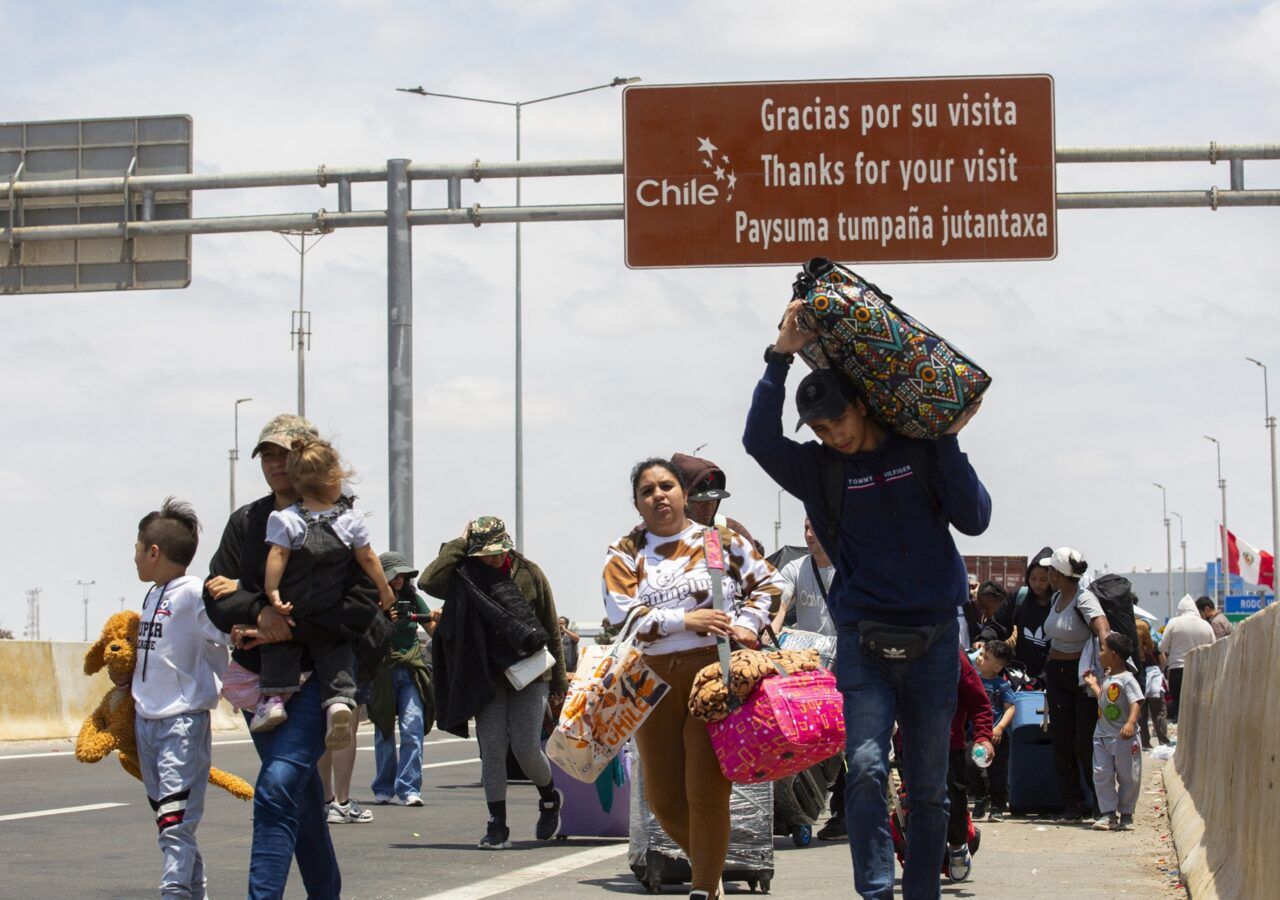
As President José Antonio Kast’s government ramps up its campaign against irregular immigration with deportation flights and promises of mass expulsions, thousands of undocumented Venezuelans in Chile face a paradox: they want to leave but cannot do so legally. Without valid passports, without Venezuelan consular services in the country and without a formal voluntary return mechanism, they are trapped between a government that does not want them and a homeland they cannot reach.
Every day I want to go back to Venezuela, because I have a 12-year-old son there in my mother’s care, and because in Chile, being without papers is like rowing and never moving forward, said a 34-year-old Venezuelan migrant identified only as Mariel for fear of workplace retaliation.
Of the more than 336,000 migrants in irregular status in Chile, 75% are Venezuelan. Venezuela severed diplomatic relations with Santiago after the 2024 elections and withdrew its consular services, making it impossible to obtain valid identity documents — an essential requirement for legal departure. Chilean Foreign Minister Francisco Pérez Mackenna told El Mercurio that the government has begun efforts to restore consular relations with Caracas, calling it a priority for establishing order on migration.
Since Kast’s election in December, only 2,180 irregular Venezuelans have chosen voluntary departure, a modest figure compared to the 24,525 who left between 2022 and 2025. The government announced it is evaluating ways to facilitate voluntary departure, according to Deputy Interior Minister Máximo Pavez, but details remain undefined.
The obstacles are multiple. To leave legally, migrants need valid identity documents, must pay fines for irregular entry or stay, and must obtain a special permit from the Investigative Police (PDI) and the National Migration Service. Additionally, voluntary departure carries a re-entry ban of up to five years.
Gabriela Hilliger, legal director of the Jesuit Migrant Service, noted that there are nationality groups facing that documentary challenge and that a diplomatic effort working with airlines is needed to address it. Juan Pablo Ramaciotti of the Center for Migration Policies warned that without formal mechanisms there is a risk of pushing migrants toward irregular routes controlled by traffickers: It is a very bad option because they are exposed to risks along the way and may end up paying criminal groups.
A UNHCR survey released in March showed that only 35% of Venezuelans in Latin America intend to return to their country, despite the departure of Nicolás Maduro from power in January following the US military intervention.
The Kast government has ruled out a mass regularization during its four-year term. On Thursday it carried out its first deportation flight with 40 migrants from Colombia, Bolivia and Ecuador, but included no Venezuelans due to the absence of consular relations. Authorities said more than 44,000 people are ready for expulsion and 75,000 deportation orders are pending, half corresponding to Venezuelan nationals who, for now, cannot be returned.