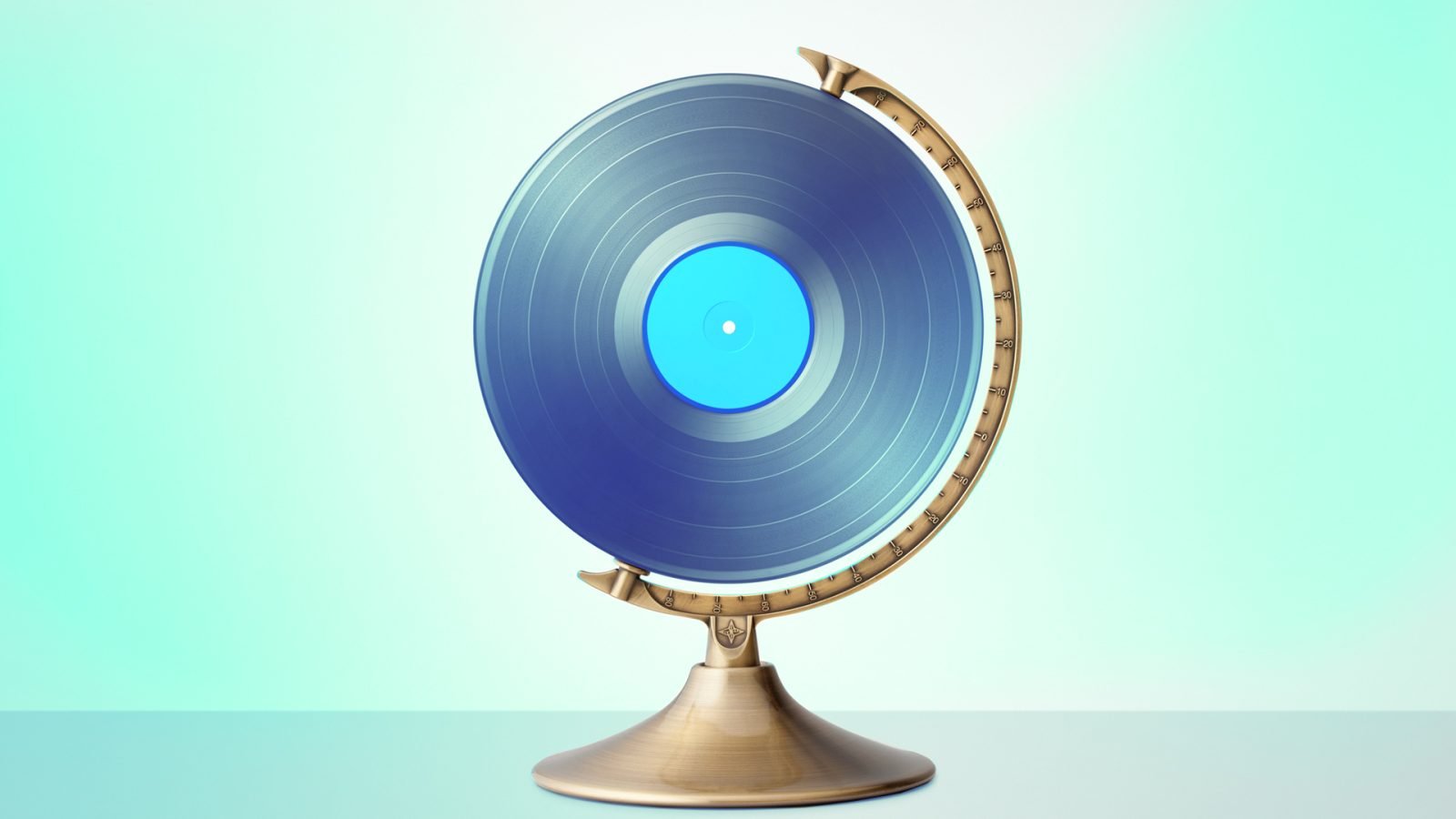
When I took my son to Mirza Ghalib Street in Kolkata to find Bollywood soundtracks for his new turntable, I was struck by the economics of our mission. Why trade the convenience of 100 million songs on Spotify for a dusty vinyl record that plays for 45 minutes and then needs to be flipped?
Mirza Ghalib Street, formerly known as Free School Street, has a strip of stores that have been home for old records since the 1940s. Streaming arrived and most of the world stopped buying physical music. These shops kept selling the pressings, for anywhere between $18 and $42.
I was flipping through the frayed sleeves when the numbers hit me. A decent turntable and speakers cost $300 to $500. A streaming subscription costs $10 a month and has every song I could want. Why would anyone choose the hard way?
I suspect the question is playing on several other minds. Global vinyl sales have been rising for 19 consecutive years. The market hit $2.1 billion in 2025, and is projected to reach $3.6 billion by 2034. In the U.S. alone, sales crossed $1 billion last year, with Gen Z driving the trend.
Surveys say half of them want a break from digital life. They want to hold something. Writers have called it analog privilege, a way for the affluent to opt out of algorithms.
That’s the U.S. story. The answers look different depending on where you ask.
In Japan and South Korea, buying a record is how you prove loyalty to an artist. Physical purchases unlock event access and voting. Streaming gives you the music, but vinyl gives you belonging. Japanese-style listening bars — where a curator plays vinyl through high-fidelity speakers and patrons just sit and listen — are now opening across London, New York, and Barcelona.
In Brazil, all the pressing plants closed by 2008. When one reopened in 2011, labels started reissuing recordings that had never made it to streaming. A singer named Cátia de França, who blended psychedelic rock with traditional rhythms in the 1970s but was ignored by her label, is performing to new audiences for the first time in her late 70s. Her music only exists on vinyl.
Back on Mirza Ghalib Street, I asked a young couple browsing the albums what the appeal was. They said they wanted to break free from algorithms, to experience the ritual of dropping a needle.
These shops have always been here for people like them. What’s new is that India finally has the infrastructure to press new records. The first pressing plant in India in four decades opened in Mumbai in August 2024.
What started as a birthday gift for my son turned up a global truth: Some things survive every format shift simply because someone decides they are worth keeping.