
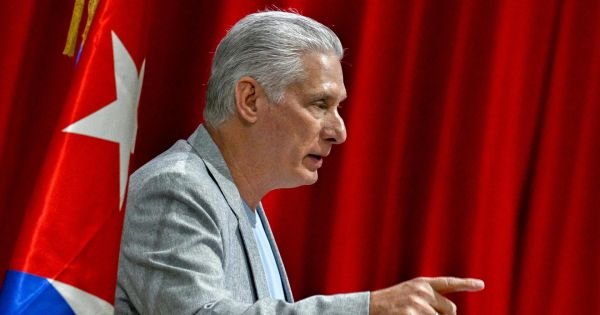
After CIA director’s trip to Havana, Cuba warns of bloodbath in case of attack
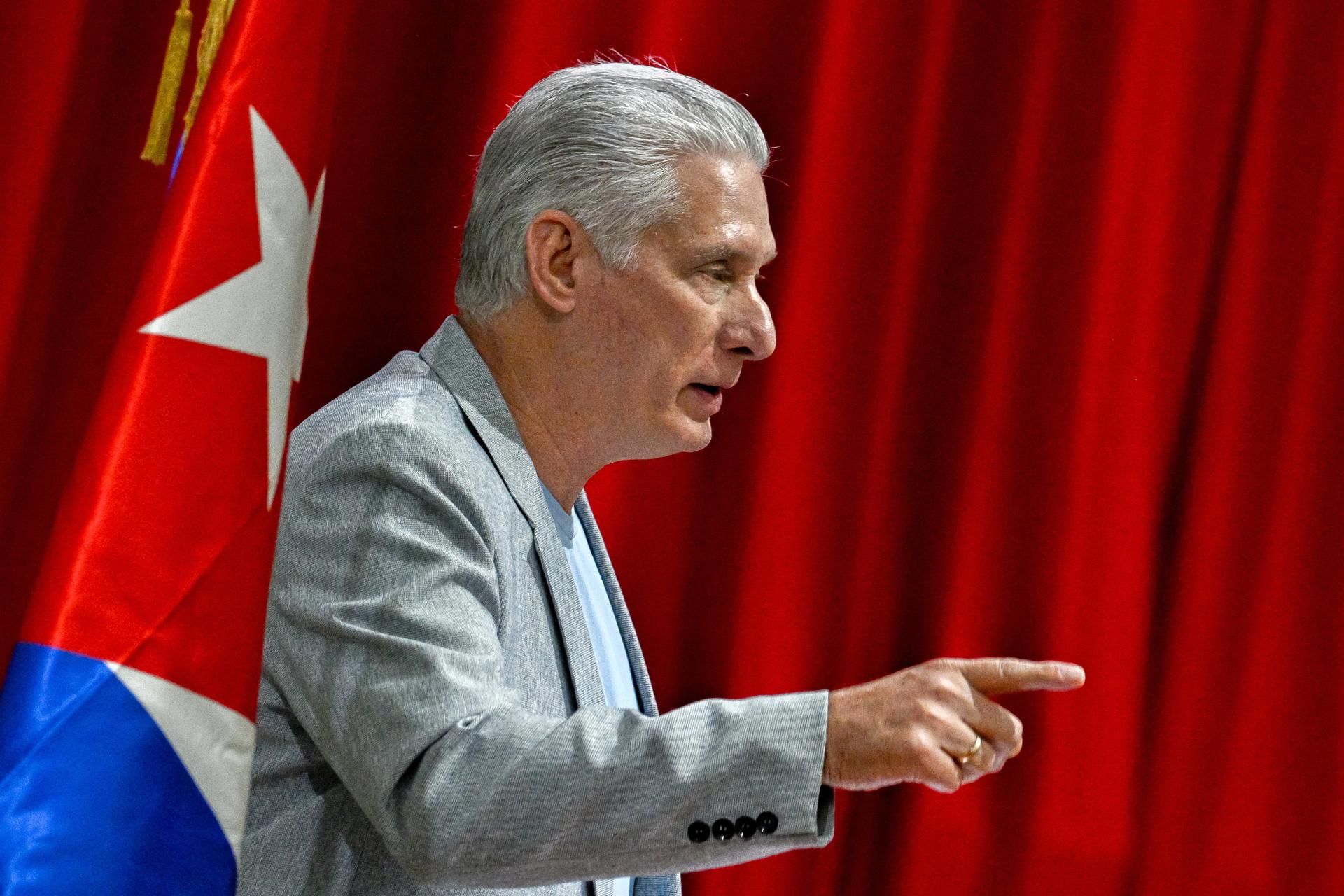
The threats of military aggression against Cuba from the greatest power on the planet are well known, Díaz-Canel argued
Cuban President Miguel Díaz-Canel warned on Monday that a possible US military attack on the island will provoke a bloodbath of incalculable consequences, in the most explicit hardening of Havana’s discourse toward Washington since the start of the oil blockade imposed in January. The message, released through the X social media platform, coincided with the public confirmation that the Cuban government has acquired more than 300 drones from China and Iran, a purchase that island authorities framed as part of the exercise of their legitimate defense. The rhetorical shift comes just four days after the visit to Havana by the director of the US Central Intelligence Agency, John Ratcliffe.
The threats of military aggression against Cuba from the greatest power on the planet are well known, Díaz-Canel argued, stressing that the very formulation of such threats constitutes an international crime. The president insisted that Cuba does not represent a threat, nor does it have aggressive plans or intentions against any country and that the non-hostile nature of the island is known to the defense and national security agencies of the United States. The acquisition of the drones was disclosed by the US outlet Axios, which cited an unnamed Trump administration official who described the unmanned aircraft as a growing threat and said they could be used against the US base at Guantánamo Bay, against military vessels, or in operations near Key West, in southern Florida. The source acknowledged uncertainty about the island’s actual operational plans.
The exchange unfolds amid a contradictory diplomatic sequence. President Donald Trump and Secretary of State Marco Rubio had in recent days signaled a willingness to talk with the Cuban government and the possibility of granting it an opportunity, while Ratcliffe held closed-door meetings in Havana with Interior Minister Lázaro Álvarez Casas and with security adviser Raúl Rodríguez Castro, grandson of former president Raúl Castro. Following that meeting, the Cuban government released a statement assuring that the island does not harbor, support, finance, or permit terrorist or extremist organizations nor host foreign military or intelligence bases on its territory.
The acceptance, three days ago, of a US offer of USD 100 million in humanitarian aid channeled through the Catholic Church had opened an unprecedented cooperation track. The drone revelation and the presidential warning suggest, however, that Havana is seeking to consolidate simultaneously a deterrent posture. The overall picture combines the US oil blockade in force since January, the prolonged blackouts that have generated internal alerts about the activation of Option Zero, reports of drone overflights of Cuban territory, and US military exercises in the Caribbean.