Author: americalatinanews.com

  • El Salvador Pet Prosthetics Turn One Dog’s Pain into Policy

    El Salvador Pet Prosthetics Turn One Dog’s Pain into Policy


    A baby stroller replaces a dog’s legs, but its owner keeps pushing, insisting on hope where care and dignified options are lacking. In El Salvador, a small veterinary prosthetics project offers more than a remedy for pets; it sparks questions about care, affordability, and the deeper value society grants to animal life.

    A Stroller, a Leash, and a Decision Not to Quit

    The stroller is the first thing you see, because it is not supposed to be part of this picture.

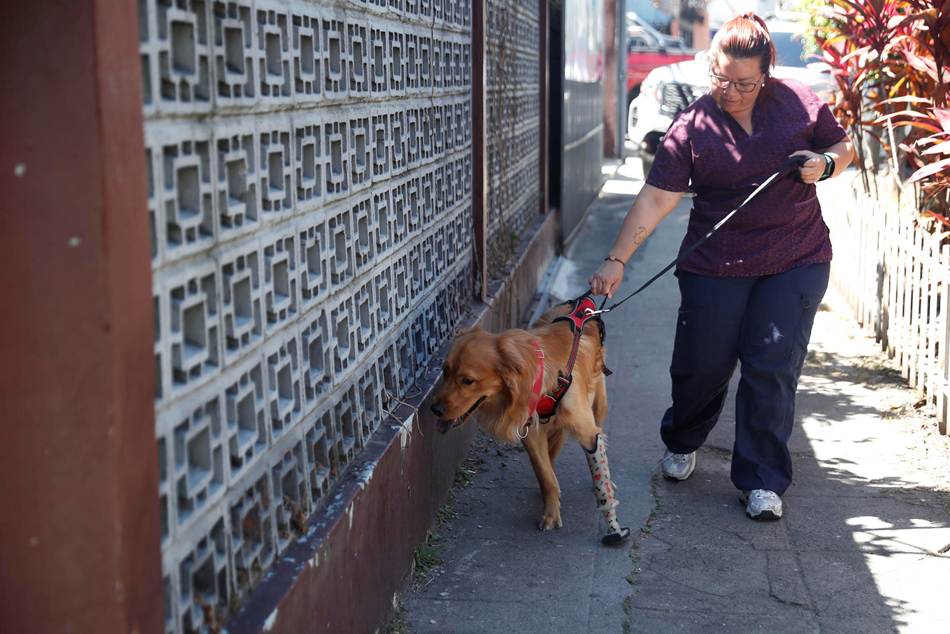
    Pepito, a dog, rides in a baby stroller pushed by his owner, Lorena Hernández. His body remains alert, as if expecting to walk. The leash is present not for walking but as a meaningful ritual people cling to when the body fails.

    Lorena watches him, carrying the heavy hope that he will walk—something she has never witnessed.

    “I want to see him walking. I have never seen him walk,” she told EFE, visibly emotional.

    This statement reflects the central argument: the level of medical and orthopedic care pets should receive, who should have access to it, and how society responds when options are limited.

    Many owners fear euthanasia as the only alternative. Prosthetics or orthotics can help some avoid putting their pets to sleep after limb loss or progressive mobility conditions.

    The challenge lies in the gap between the desire to provide better care for pets and the costs it may entail for owners. This divide not only affects individual families, but also drives the ongoing policy conversation about whether society should support broader access, even in the absence of formal government legislation.
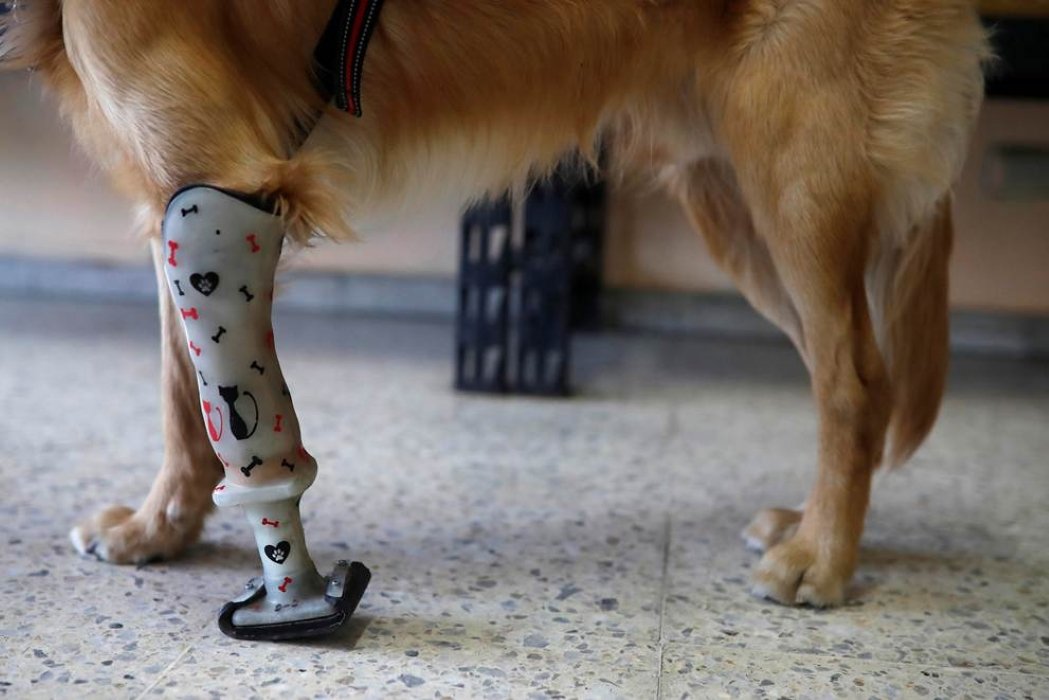
    Prosthetics for dogs in El Salvador. EFE/ Rodrigo Sura

    From Human Orthopedics to a Dog Named Grace

    The project at the center of this story, Orth-vetgrace, was built out of necessity, not branding.

    Marta de Ponce, a Salvadorean specialist in human orthotics and prosthetics, and her husband started the venture to help their dog, Grace. At six years old, Grace needed orthotics on all four legs due to arthrosis and hyperlaxity, which impaired her tendons and stopped her from walking and jumping.

    “Two years ago, my dog was diagnosed with arthrosis and hyperlaxity in her legs, and she lost the natural angle of her legs because her tendons genetically did not develop well, and she stopped doing normal activities, like walking and jumping,” she told EFE.

    Such ventures in Latin America often begin not with venture capital but with a family problem and a refusal to accept helplessness. Medical skills for humans are adapted to animals.

    Marta and her husband chose to specialize in biomechanics and anatomy to develop orthopedic devices for Grace, addressing the lack of custom pet orthopedic solutions in El Salvador.

    The principle is simple yet challenging: if the system fails, build your own.

    Out of that came an idea that sounds modest and is actually radical in its implications: give pets a second chance and improve their quality of life. Marta also offered a wider diagnosis of the region. She said neither El Salvador nor Central America has a specialization in pet-specific orthopedics, and she attributed this to Latin America being behind in pet awareness and care.

    “Neither El Salvador nor Central America has a specialization in pet-specific orthopedics because in Latin America, we are a bit behind in awareness of pets and their care,” she told EFE.

    This dispute is about more than logistics—it’s a question of what societies believe animals deserve and the lasting effects of that belief.
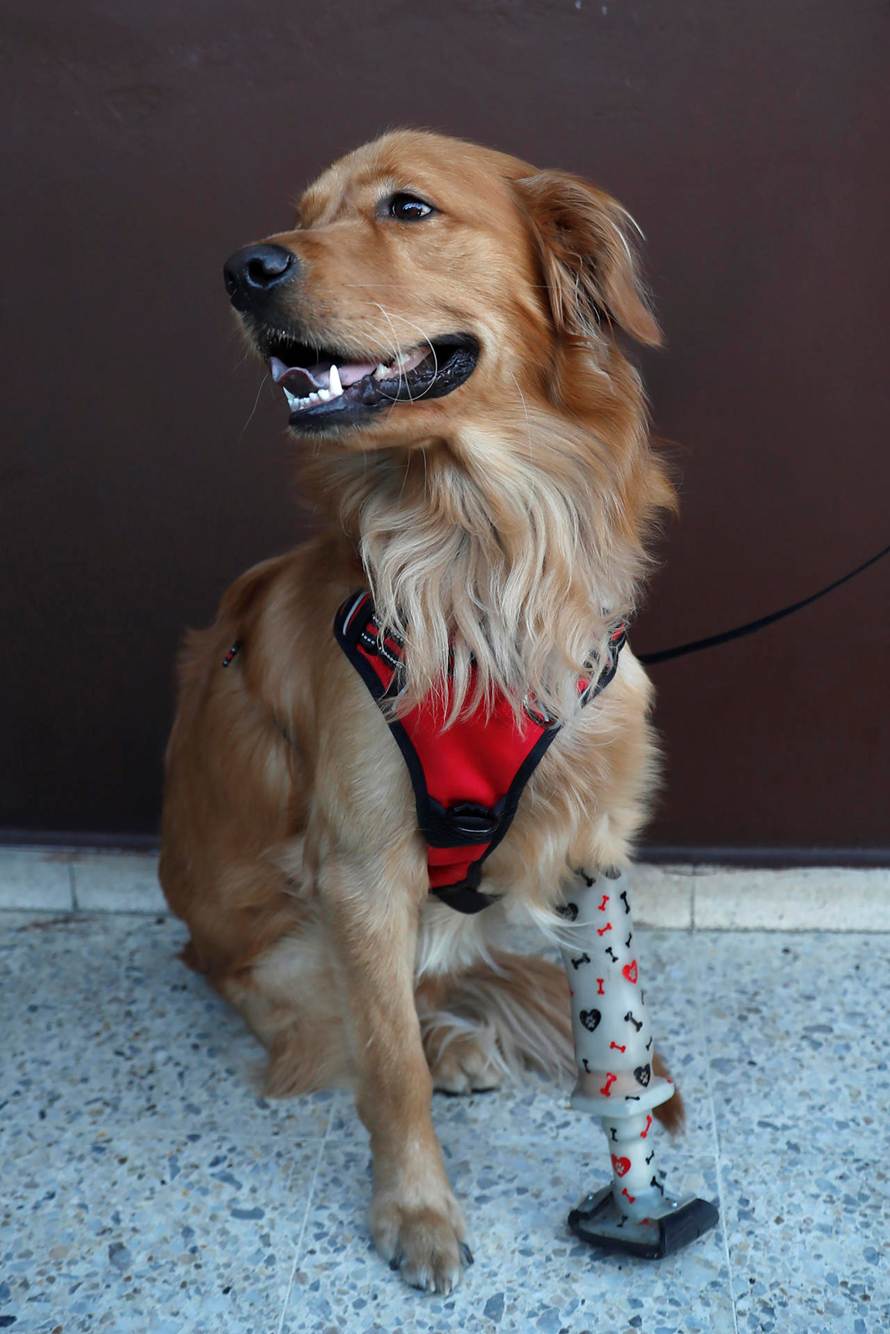
    Prosthetics for dogs in El Salvador. EFE/ Rodrigo Sura

    Trust, Process, and the Cost of a Second Chance

    Orth-vetgrace operates through a process that draws on clinical disciplines because the stakes are not sentimental. A poorly made device can harm an animal. A good one can change the arc of a life.

    Marta adapted her human orthopedic knowledge to the world of prosthetics for dogs and other pets, with advice from experts in the United States. When people request the service, they submit photographs, videos, and a history of the pet’s conditions. There is also a clinical analysis in a veterinary clinic to understand the animal’s situation. With veterinary approval, Marta designs and builds the device.

    The prosthetics are made with high-end materials and come with a one-year guarantee, according to the notes.

    “Our goal is to design and give the best orthopedic device,” she told EFE, and she emphasized that this kind of service is only offered in Mexico, Colombia, and the United States.

    That comparison matters. It places El Salvador in a regional map of pet care where solutions are concentrated in a few countries, and where cross-border travel can become a hidden requirement for medical dignity. For many families, traveling for a pet’s prosthetic is not realistic. So local innovation becomes more than convenience. It becomes accessible.

    Marta said that since the service became known through social media, they have had a different case every month, and demand has continued. She said clients give them the trust to do the work.

    Trust is the currency here because regulation and specialization are limited. People are entrusting an animal’s future to a small venture built around one dog’s original need.

    Then there is money—not an abstract concept but a tangible obstacle.

    Pepito’s story makes that clear. When he was nine months old, his back legs were amputated because of a malformation. He has veterinary approval to use prosthetics. His owner says she will do whatever is necessary to raise the funds so he can walk.

    Here, a personal medical story becomes social. When prosthetics exist, the question shifts from possibility to affordability. Moral pressure grows as owners feel compelled to try and families begin budgeting.

    Another dog, Nemo, shows what happens when the process works. Nemo was born without a leg and now has a prosthetic made through Marta’s work. His owner, Melisa Peña, said she initially planned to get a prosthetic for Nemo in Mexico, but chose Marta after learning about her service.

    “On social media, I saw the Orth-vetgrace ad. I wrote, we started talking, and we met to start the process,” she told EFE.

    Nemo has been using the prosthetic for about three months and is still adjusting. Melisa described animals as resilient, noting that while Nemo always tried to move, the prosthetic provides greater stability and support. I did everything I could to move, but the prosthetic gives him more stability, and you can see him lean on it. He has been getting used to it,” she told EFE.

    The lesson is clear: animals adapt, and people do too when the right tools are available.

    The larger dispute is whether the region will regard those tools as unnecessary luxuries or as essential to responsible care. A stroller rolling through a street is not simply an image of hardship; it also asserts the right to dignity and normalcy.

    Not a promise. Not a slogan.

    A decision, made each day again, to try.

    Also Read:
    Venezuelan Firefighter Turns Dominican Jet Set Tragedy Into Protocol Lessons Today


    Source link

  • Petro reinstates minimum wage increase as thousands march in support across Colombia

    Petro reinstates minimum wage increase as thousands march in support across Colombia


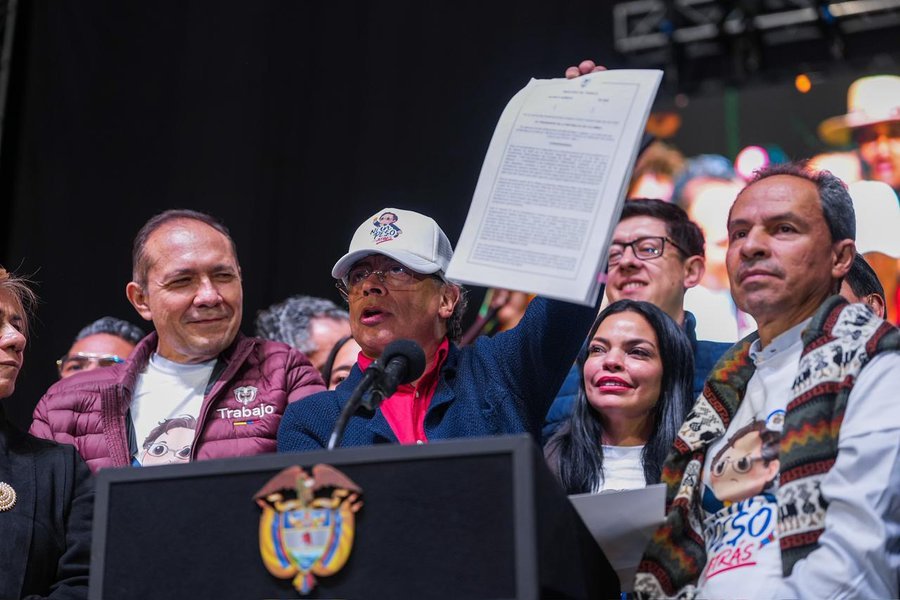
    Medellín, Colombia — Colombian President Gustavo Petro signed a new decree Thursday evening in Bogotá’s Plaza de Bolívar to increase the legal monthly minimum wage by 23.7%. This follows the suspension of the original wage hike by the Council of State last week.

    Petro’s defiant announcement was met with applause in the Colombian capital from the assembled crowd as similar marches and protests were organized in major cities across the country, following the president’s call to action this Monday.

    The new minimum legal monthly salary of COP$1,750,905 (USD$480) along with a transport allowance of COP$249,095 (USD$68) was originally announced on December 29. 

    However it was provisionally suspended by the Council of State, the highest administrative court, on February 12 who gave Petro’s administration eight days to come up with a new transitional decree or justify the existing one.  

    The judicial body said that the increase lacked a “verifiable legal and economic justification,” as it did not take inflation and productivity into account, as stipulated by a 1996 law. The suspension said that the measure represented a “misuse of power and violation of the principle of legality.”

    The precautionary suspension of the salary increase, the first of its kind, followed lawsuits by business owners, citizens, and unions. The National Business Association of Colombia (ANDI) expressed their support for its suspension that in their words protected “the rule of law, the separation of powers, and the strength of Colombian democratic institutions.”

    In his Thursday evening speech, Petro defended the wage hike by highlighting the results of a study by the International Labour Organization that recommended a minimum salary of COP$2,000,000 (USD$540), arguing that the new decree complied with the Council’s wishes. 

    The president said he didn’t want to “overdo it” and therefore decreed the same wage change as the original December increase. 

    He also attacked the “mega-rich” and “parasites” of Colombia who opposed his decision, claiming that they only saw opportunities for “business in every square centimetre” of the country. 

    Some conservatives have backed the minimum salary increase, such as independent presidential candidate Vicky Dávila who expressed her support for the climb, while criticizing Petro’s “politicized marches” in the run up to the election period. 

    Featured image: Petro in Plaza de Bolívar last Thursday.

    Featured image credit: @petrogustavo via X.


    Source link

  • Celtic chairman seeks end to ‘debilitating’ conflict with fans

    Celtic chairman seeks end to ‘debilitating’ conflict with fans


    “Last night was deeply disappointing for the club in many respects,” Wilson said. “This started with an orchestrated disruption of the game, causing a delay to an important match.

    “Over the past two weeks, I have met with a range of supporters groups and individual supporters.

    “I have met in good faith with representatives of the Green Brigade and was hopeful that progress could have been made; indeed this remains the case. I also met in good faith with representatives of the Celtic Fans Collective.

    “When I came into this role, I asked for unity inside the stadium to support the team while trying to resolve other issues. I want to see suspensions lifted and differences set aside, but this cannot be unconditional.”

    Wilson had taken over as interim chairman after former chief executive Peter Lawwell stood down in December citing “abuse and threats”.

    However, relations appeared to be thawing in January when the Celtic Fans Collective praised Wilson’s appeal for unity and appealed for common ground while again calling for changes to the club’s hierarchy.

    However, the latest tennis ball protest led to criticism from team boss O’Neill.

    “Last night’s disruption and the reasoning behind it illustrate the difficulty we face and have repeatedly had to contend with,” Wilson added.

    “This is not intended to deflect from other issues that affect the club and are fully recognised. However, the possibility of further disruptions needs to be addressed urgently.

    “Surely the priority must be to give Martin and our players every opportunity to achieve their objectives within the remainder of the season.

    “On that basis, I will continue to seek an end to this debilitating and unnecessary atmosphere of conflict.”


    Source link

  • Cuba habla: “Que Cuba sea libre”

    Cuba habla: “Que Cuba sea libre”


    Desde la capital de la isla, cubana expresa su más grande aspiración y envía un mensaje a quienes dirigen el país: “dejen el poder…”.


    Source link

  • Kinea zera posição na Panvel em block trade

    Kinea zera posição na Panvel em block trade


    A Kinea zerou sua posição na Panvel em um block trade no final da manhã de hoje.

    A gestora de private equity vendeu 8,2 milhões de ações – ou 5,4% da rede de drogarias gaúcha – num leilão intermediado pela corretora Itaú. 

    A ação saiu a R$ 15,55, um desconto de 2,6% em relação ao fechamento de ontem. O Itaú havia dado garantia firme a R$ 14,96, um desconto de 6,5% sobre ontem. 

    A operação movimentou R$ 128 milhões, quase 10x o volume médio do papel dos últimos 30 dias, e deve aumentar a liquidez da ação. 

    Cerca de 17 investidores compraram o bloco: 80% ficou com locais e 20% com gestores internacionais. 

    A Kinea entrou na Panvel em 2019, quando comprou uma fatia de 10,59% que pertencia à IP Capital Partners. Em 2020, vendeu um pedaço dessa participação num follow-on

    A Kinea estava no acordo de acionistas da Panvel, mas sem lock-up.

    A partir de agora, estão vinculadas ao acordo as famílias Mottin (16,90%), Weber (16,20%) e Pizzatto (11,05%), que somam 44,15% da empresa. 

    Os donos de redes de farmácias listadas estão rindo à toa ultimamente. 

    De novembro para cá, o setor foi reprecificado na Bolsa graças ao impacto positivo das vendas de medicamentos GLP-1 em suas receitas. 

    Nesses quase quatro meses, a Panvel sobe 66%, com a ação agora negociando a 12,5x lucro. A Pague Menos tem alta de 92% e está a 13x lucro. Já a Raia Drogasil – de longe o maior market cap do setor – avança 33% para 25x lucro.

    A Panvel vale R$ 2,4 bilhões na Bolsa.


    Ana Paula Ragazzi


    Source link

  • Cobra el crudo a 3.4 dólares el litro, el doble que México – El Financiero

    Cobra el crudo a 3.4 dólares el litro, el doble que México – El Financiero


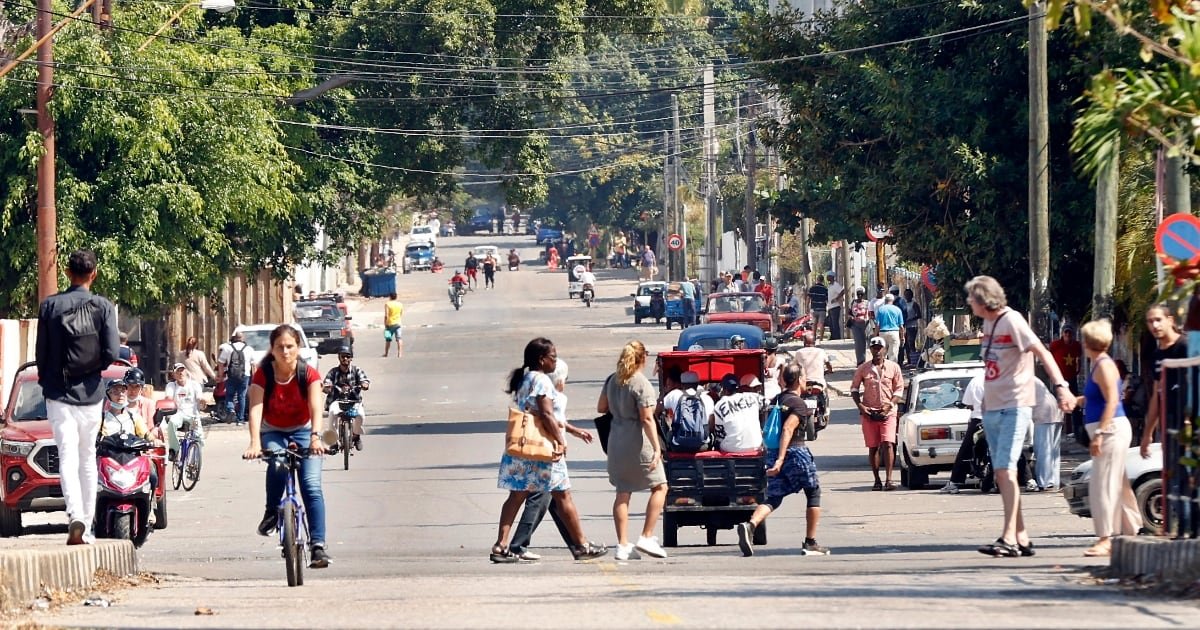
    A pesar de las sanciones de Donald Trump contra países que decidan vender petróleo a Cuba, una empresa china, identificada como Fujian Trebor Trading Company, está comcercializando gasolina en la isla para su venta en dólares a micro, pequeñas y medianas empresas (mipymes).

    La compañía, que en internet se presenta como distribuidora mayorista de calzado, ofrece hasta 25 mil litros, detalló el medio cubano 14ymedio.

    El combustibel se vende a 2.50 dólares por litro (43 pesos mexicanos) cuando el comprador entrega un isotanque vacío, y a 3.45 dólares (59 pesos mexicanos) por litro si adquiere el depósito. En el mercado cambiario, el dólar se cotiza actualmente en 17.16 pesos mexicanos HOY 20 de febrero.

    El proveedor garantiza la entrega 21 días después de recibido el pago. Además, las mipymes interesadas deben realizar la operación a través de la empresa estatal importadora Quimimport, dedicada a la adquisición de productos químicos. Para obtener la gasolina, los solicitantes deben “calificarse como clientes”.

    En México, el precio aproximado de la gasolina es de 23.26 pesos por litro para la Magna y 25.69 pesos por litro para la Premium.

    Petróleo llega a Cuba… pero solo para empresas extranjeras

    Pequeñas empresas privadas en Cuba comenzaron a importar combustible de forma directa, mientras compañías extranjeras instaladas en la isla evalúan acogerse a este mecanismo.


    En los últimos días, el Gobierno cubano sostuvo encuentros con empresarios extranjeros y emprendedores locales para explicar el procedimiento mediante el cual podrían gestionar estas importaciones, en un contexto de dificultades económicas y limitaciones en el suministro energético por parte de EU.

    La medida concreta el anuncio del ministro de Comercio Exterior e Inversión Extranjera, Óscar Pérez-Oliva, quien señaló que “en breve” se permitiría a empresas extranjeras y mixtas importar su propio combustible “cuando sea necesario”.

    Hasta ahora, el Estado cubano mantenía el monopolio de la importación de petróleo y combustibles —principalmente a través de buques propios o rentados— así como de la comercialización minorista de productos refinados dentro del territorio nacional.

    Con información de EFE


    Source link

  • José Maria Balcázar elected Peru’s latest interim president

    José Maria Balcázar elected Peru’s latest interim president


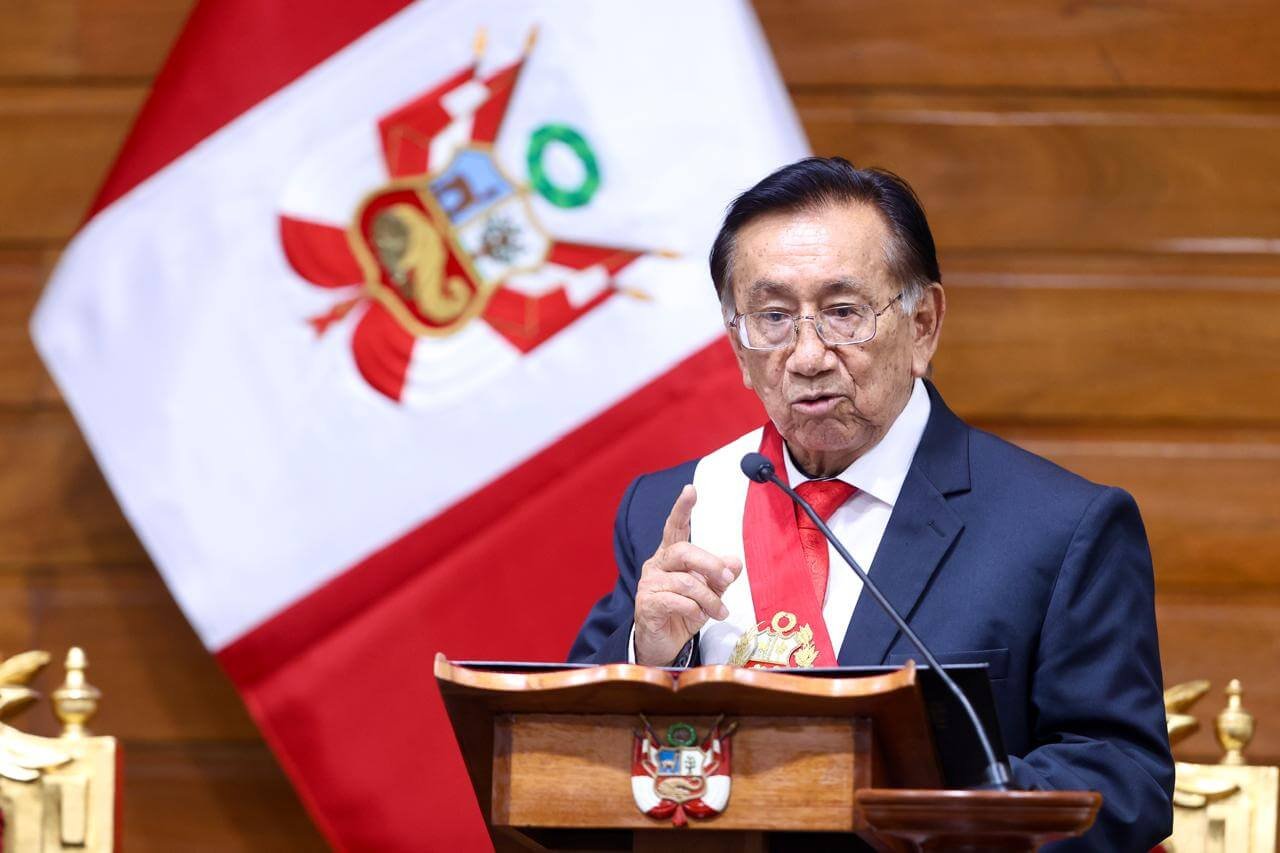
    São Paulo, Brazil José Maria Balcázar was elected president of Peru’s Congress on Wednesday following the removal of José Jerí and will assume leadership of the transitional government. 

    Balcázar, 83, defeated María del Carmen Alva in a run-off congressional election, where he won 60 out of 113 votes. He will serve as head of state until April 12, when Peru will head to the ballot box to vote for a new president. 

    Balcázar, from the left-wing Peru Libre (Free Peru) party, has become the country’s ninth president in a decade marked by extreme political instability. 

    In his first address to congress as the new head of state, Balcázar said that he will seek to “guarantee the people of Peru that there will be a peaceful and transparent democratic and electoral transition, leaving no doubt about the elections.”

    Peruvian newspaper El Comercio reported that Balcázar promised to pardon former president Pedro Castillo in order to secure the votes he needed. In November, Castillo was sentenced to over 11 years in prison for his 2022 attempt to dissolve congress and rule by decree.

    Read more: Peru’s Supreme Court sentences former President Pedro Castillo to over 11 years in prison for failed 2022 self-coup

    Balcázar, however, told Peruvian outlet RPP that a pardon “is not on the agenda.” 

    “He has an ongoing criminal case,” the new president added. 

    Balcázar himself is currently under investigation for a series of alleged crimes including embezzlement and fraud. The 13 accusations include alleged misconduct committed while he was serving as a provisional Supreme Court judge. 

    The decision to elect Balcázar has faced significant criticism in the Peruvian press, in large part due to his support for child marriage. 

    In June 2023, Balcázar was the only congressman to abstain from voting on a bill to end child marriage. He argued in congress that “early sexual relations help the future psychology of a woman.” 

    Prior to 2023, Peruvian children as young as 14 were legally able to marry.

    Later that year, Balcázar also said that it was normal for teachers to have sexual relations with their students, prompting condemnation from Peru’s Ministry of Women and Vulnerable Populations.

    José Jerí, who himself took over following the ousting of Dina Boluarte in October, was impeached by Peru’s powerful congress on Tuesday. 

    Jerí had been at the center of a scandal surrounding secret meetings with a Chinese business executive, Zhihua Yang, who had received state concessions, prompting allegations of influence peddling. 

    He is one of four Peruvian presidents to be impeached and removed from power in the past 10 years. 
    Read more:Peru’s congress ousts President José Jerí

    Featured image: José Maria Balcázar elected Peru’s interim president

    Image credit: Congreso de la República de Perú


    Source link

  • Frenchman accused of abusing 89 minors may have victims in Colombia

    Frenchman accused of abusing 89 minors may have victims in Colombia


    Bogotá, Colombia – On February 10, the Grenoble Prosecutor’s Office launched a worldwide call for victims or witnesses of Jacques Leveugle, a teacher arrested in 2024 in France and accused of sexually assaulting at least 89 minors around the world since 1967.

    During a press conference, French prosecutor Étienne Manteaux said that the sexual predator was reported in 2023 by one of his nephews, who discovered a USB drive containing written memoirs, pictures, and other documents related to the abuse of teenagers. 

    The French Embassy in Colombia called for witnesses to come forward to identify potential abuse victims in the country, as Leveugle worked as a teacher in Bogotá on two occasions between 1996 and 2023.

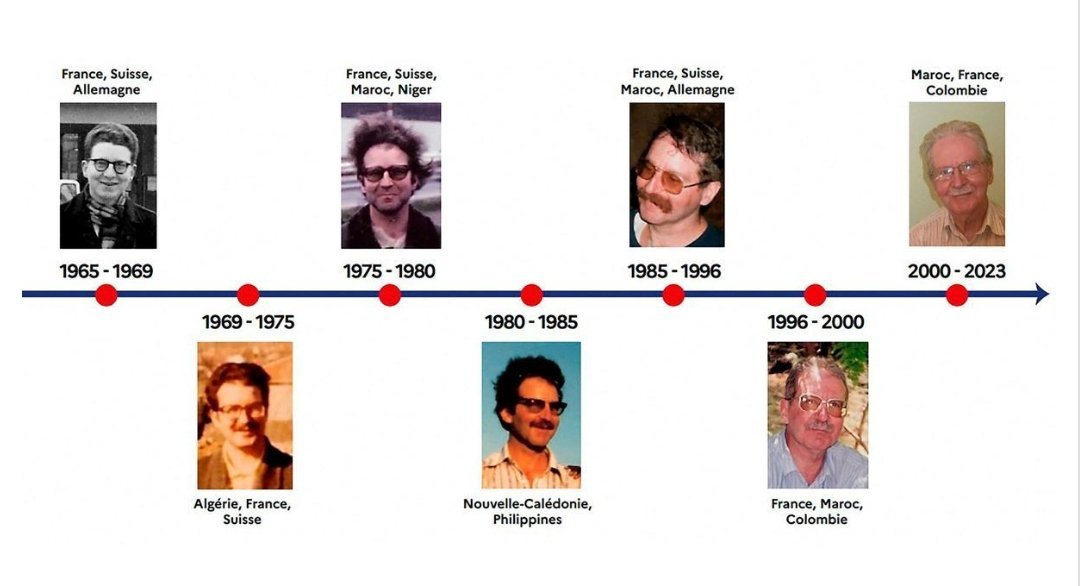
    The suspect was living in Morocco when the investigation began, but had spent his life moving between Switzerland, Germany, Portugal, Algeria, Nigeria, the Philippines, New Caledonia, Colombia, and France. In all of these countries, he allegedly targeted minors while working in educational or social roles.

    Authorities revealed that in his “autobiography,” the alleged abuser gave horrendous details about 89 teenagers, between 13 and 17 years old, being manipulated and abused from 1967 to 2022.

    “We need Jacques Leveugle’s name to be known because the objective is to reach the victims and encourage them to come forward,” Manteaux confirmed.

    He said that 40 of the 89 victims had been identified and that authorities were working to find the rest. 

    “Sometimes names are not even mentioned; we are facing a wall in certain situations… This call for witnesses is to allow victims we haven’t been able to identify to come forward,” the prosecutor explained. “Perhaps not all victims are recorded in these documents.”

    Manteaux also said that the man, who has been under arrest since 2024 and never officially graduated as an educator, also confessed in his writings to killing two women: his mother and one of his aunts.

    The uphill battle to find victims in Colombia

    Investigations revealed that Jacques Leveugle spent several years living in and visiting Colombia between 1996 and 2000, and again from 2000 to 2023. 

    In an interview with Caracol Radio, the prosecutor confirmed that the sexual predator worked as a French teacher in a shelter for children and teenagers in the capital city, Bogotá.

    “It’s hard to reach victims outside France; that’s why we have made a special invitation to Colombian victims. We need them and their experiences to understand what this man really did,” he said during the call, adding that they decided to take a “traditional” approach due to the difficulty of reaching witnesses.

    Authorities are also trying to determine if Leveugle had collaborators and what his “modus operandi” was to ensure that none of the teenagers ever complained or reported the abuse to the police.

    Latin America Reports contacted the Grenoble Prosecutor’s Office, and they confirmed that the investigation remains active and ongoing in Colombia. They also committed to briefing the media on any significant breakthroughs as they continue to work toward identifying more victims internationally.

    The French Embassy in Bogotá has shared the channels established to find Colombian victims:

    Anyone with information or seeking to report an incident can communicate via email at [email protected] or by calling the international hotline at +33 800 005 321.

    Featured image description: Timeline of Jacques Leveugle’s location.

    Featured image credit: Grenoble Prosecutor’s Office.

    This article originally appeared on The Bogotá Post and was republished with permission.


    Source link

  • Neymar: Brazil striker considering retiring at end of year

    Neymar: Brazil striker considering retiring at end of year


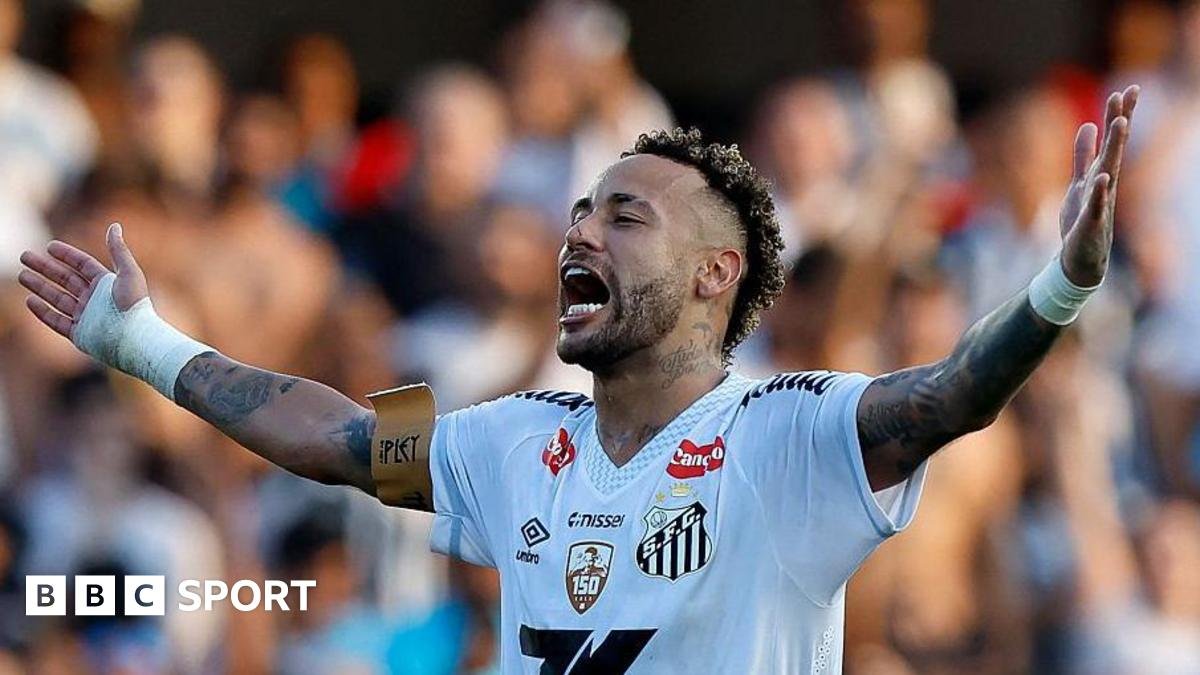
    Brazil striker Neymar says he is considering retiring at the end of the year.

    The 34-year-old – whose £200m move from Barcelona to Paris St-Germain in 2017 remains the highest fee paid for a player – has been blighted by injuries in recent seasons.

    But he hopes to play in the World Cup for his country this summer.

    Neymar rejoined his boyhood club Santos from Saudi club Al-Hilal in January 2025 and extended his contract until the end of 2026.

    However after an injury-hampered first year he then missed the start of the Brazilian season in January following knee surgery in late December, and only returned to action last week.

    “I don’t know what will happen from now on, I don’t know about next year,” he told Brazilian online channel Caze.

    “It may be that when December comes, I’ll want to retire. I’m living year to year now.”

    Neymar is the all-time leading scorer for Brazil, with 79 goals – two more than the legendary Pele.

    However he last featured for the national team in October 2023 and admitted it was a “huge challenge” to force his way into Carlo Ancelotti’s World Cup squad.

    “This year is a very important year, not only for Santos, but also for the Brazilian national team, as it’s a World Cup year, and for me too,” he added.


    Source link

  • Hammer discutirá con el Vaticano las aspiraciones de libertad del pueblo cubano

    Hammer discutirá con el Vaticano las aspiraciones de libertad del pueblo cubano


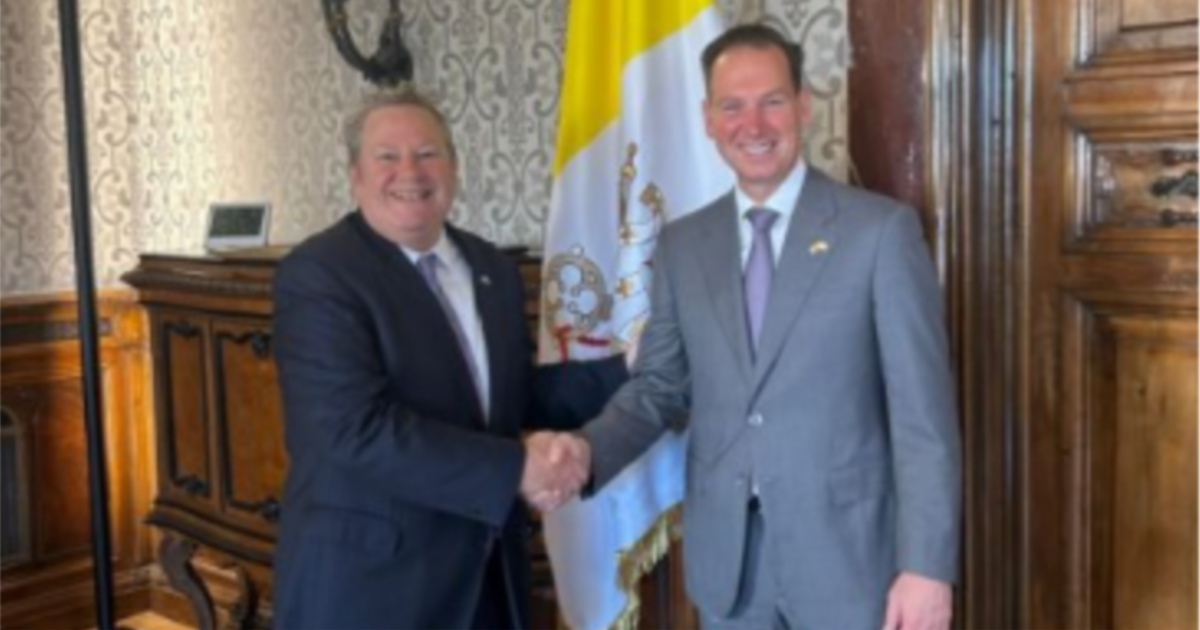
    La Santa Sede recibió al jefe de misión de la Embajada de Estados Unidos en Cuba, Mike Hammer, para abordar con el Vaticano y socios latinoamericanos el respaldo de la Administración Trump a “las aspiraciones del pueblo cubano de vivir en libertad”, señaló la representación diplomática en un mensaje difundido en redes sociales.

    Hammer se reunió con el embajador Burch y el Arzobispo de la Santa Sede, Monseñor Gallagher, “para hablar de la situación en Cuba y el importante papel de la Iglesia Católica en la isla”.

    Esta semana Hammer se reunió en Madrid con exiliados cubanos y reiteró que Washington “apoya y quiere que se concreten las aspiraciones de apertura política y económica del pueblo”.

    “En eso estamos”, dijo el jefe de Misión.

    En la reunión, el diplomático comentó que el futuro de Cuba lo deben decidir los cubanos en la isla, en ejercicio de su libertad.

    “Estén seguros que la Embajada aquí, o en cualquiera de los países europeos, está a su disposición. Si quieren hablar con nuestras embajadas, pasar informes, información, preocupaciones, ideas, proposiciones. Es para que ustedes lo trabajen de la manera que vean apropiada”, aseguró.

    En una entrevista reciente con Martí Noticias, Hammer apuntó que la revolución “no solo ha fracasado, sino que ha traicionado al pueblo”. El Asimismo, rechazó que el embargo estadounidense sea el responsable de la crisis y enumeró carencias en la isla.

    “No hay medicinas, no hay electricidad, no hay combustible, no se recoge la basura. Eso no es culpa de Estados Unidos”.


    Source link

Translate »