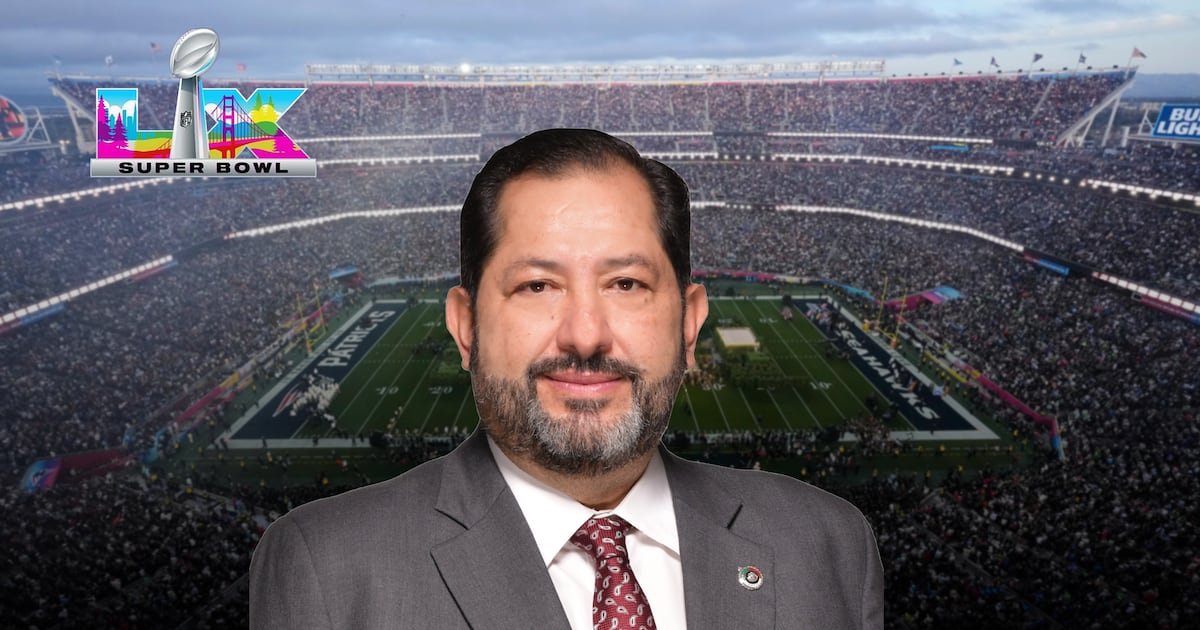
Dicho material fue subido a redes sociales y de ahí retomado por algunas cuentas. En las fotos, aparece el legislador morenista junto con su esposa e hijos en el estadio de Santa Clara, California, el pasado 8 de febrero.
Higinio Martínez, senador de Morena, también criticó la forma en la que se dio a conocer el viaje del diputado de Morena tras no haberlo declarado y haber sido exhibido en redes sociales.
Higinio Martínez critica que coordinador de Morena en Edomex haya sido exhibido en el SB
“Eso que hoy sale a la luz no es porque lo hayan grabado, sino que su propia familia publica eso, es un ejemplo de lo que no puede permitirse, es lo que nos daña, lo que se debe corregir”, agregó Higinio Martínez.
Sin embargo, al preguntarle por qué se toleran ese tipo de acciones, Martínez aseguró que él no es quien debe revisarlo sino el partido y diputados locales.
“Va a ver el Super Bowl con todo y familia, lo que procede es que declare. Si hay una línea de que ese tipo de eventos se pueden ver desde casa, por qué va un alto funcionario del Congreso local más numeroso en todo el país. Eso es lo que debe revisarse”, apuntó el senador en entrevista con medios de comunicación.
Higinio Martínez reconoció que los legisladores de Morena deben apegarse a los principios de austeridad del partido.
‘No respetan principios de austeridad de Morena’
El senador de Morena criticó que no se respeten los principios de austeridad del movimiento y aseguró que “no es un buen ejemplo” para el resto de los militantes.
“Cómo es posible, con todo lo que dice la presidenta de este país, los señalamientos y los seis años pasados de un gobierno de austeridad, que demos ejemplo, que nos piden que no traigamos carros de lujo, todo lo que se nos ha dicho, que no haya viajes”, añadió.
Martínez hizo un llamado a que los delegados de Morena revisen que se cumpla la política de austeridad con el fin de quitar la etiqueta de “malos gobiernos” para el partido guinda.
On Tuesday, Peru’s Congress removed interim president José Jerí just weeks before the April elections, adding to nearly a decade of political instability. The decision came after investigations into his meetings and hiring practices. Now, lawmakers have to choose a new caretaker leader by Wednesday evening.
A Goodbye at the Palace Gates
Late at night, the patio of honor at Peru’s government palace felt like a small stage.
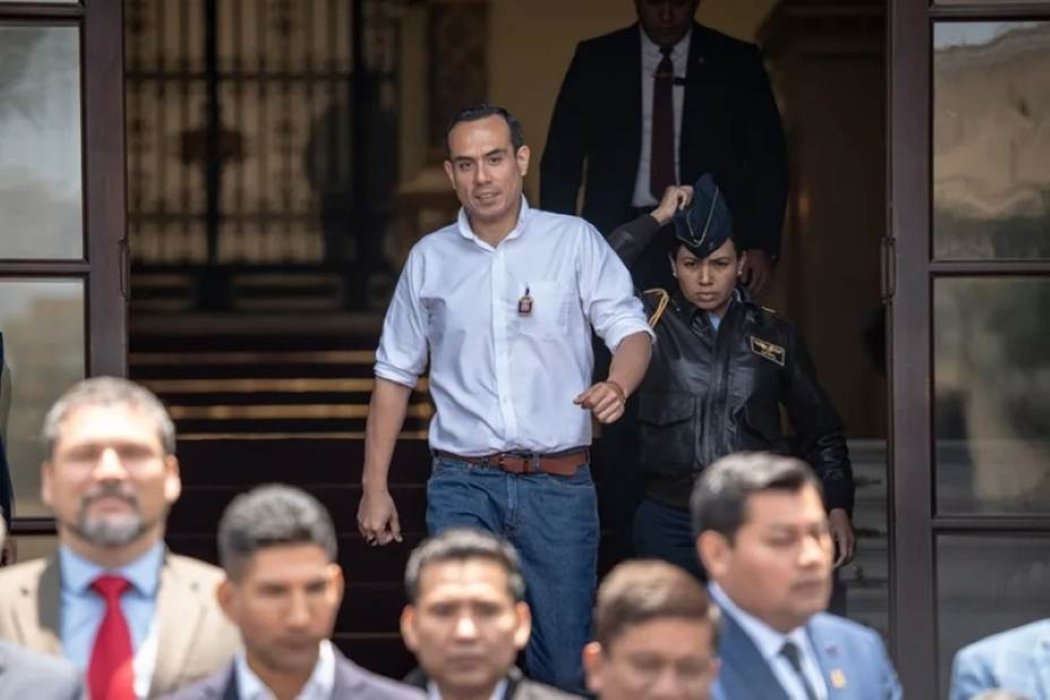
José Jerí showed up with his cabinet, the prime minister leading the way, and for a moment the scene felt stiff and formal. The courtyard’s light wasn’t flattering—it bounced off stone and metal, making faces look paler than usual. Jerí walked to the iron gates, said goodbye to his ministers, acknowledged a small group of citizens outside Lima’s Plaza de Armas, then got into a private pickup truck and left.
This small moment is what people will remember because it captures something larger. The problem is that in Peru, leaving office has become the most predictable part of the job.
Earlier on Tuesday, Congress voted 75 in favor, 24 against, and 3 abstentions to remove Jerí. He had been president for only four months—not elected by voters, but because he was president of Congress when lawmakers removed Dina Boluarte last October. Under Peru’s system, censuring the head of Congress also removes the interim head of state. Since Jerí was censured as Parliament’s leader, his role as acting president ended automatically.
The country now faces another handover—the eighth presidential change in nearly a decade of political instability that started after the 2016 elections. Ollanta Humala, who served from 2011 to 2016, was the last president to finish a full term. Since then, seven presidents have come and gone. Jerí’s exit and the rush to replace him make these changes feel less like numbers and more like routine.
And habits become ingrained.
They change how institutions speak. They change what citizens expect. They change what parties fear most as the calendar inches toward election day.
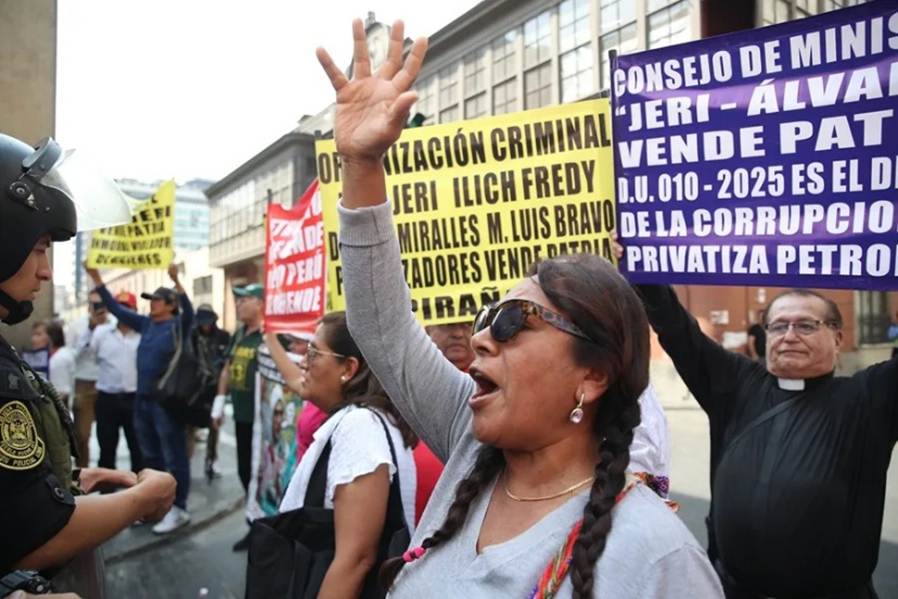
Protest demonstration against interim President José Jerí in front of Congress in Lima, Peru. EFE/ Paolo Aguilar
Investigations, Optics, and the Mechanics of a Fall
Jerí’s downfall on Tuesday was tied directly to the investigations that gathered around him during his short tenure, and to the political math those investigations made possible.
Congress cited the open probes against Jerí, including a series of semi-clandestine meetings with Chinese businessmen who were described as state contractors. The episode that became most controversial was the one that looked, on its face, like an attempt to avoid being seen: Jerí went hooded to a restaurant owned by a Chinese businessman who had state contracts and ties to the presidential office. Later, Jerí also visited one of the businessman’s stores on January 6, after municipal authorities had closed the location hours earlier.
Peru’s politics often depend on appearances as much as laws. Wearing a hood isn’t a policy, but it sends a message. It looks like secrecy, even if explained later. This narrows the gap between investigation and judgment in the public’s mind, especially in a country used to expecting the next scandal at any moment.
The other issue was hiring, which hit differently. Congress highlighted alleged irregularities involving female officials who joined Jerí’s government after meeting him at the palace. Local media reported that at least five young women got state contracts following these meetings, and one reportedly stayed at the government palace all night on Halloween, leaving the next morning.
That detail is not just salacious. It is politically structural. It suggests a pathway to the state that is personal, private, and insulated, the opposite of merit and the opposite of transparency. In Peru, where public employment and contracts are already loaded words, the insinuation matters as much as any signed document.
Jerí’s party, Somos Perú, made a last attempt on Tuesday to delay his removal. They suggested suspending the debate so the process could follow vacancia, a presidential vacancy procedure needing a two-thirds vote. The majority rejected this. Instead, lawmakers chose censure, a quicker method that fit Congress’s urgency to resolve the issue before the campaign season fully kicked in.
These details matter because they show a deeper pattern. Peru’s frequent leadership changes aren’t just about individuals. They reflect how many loopholes exist in the system and how fast they can be used when political alliances change.
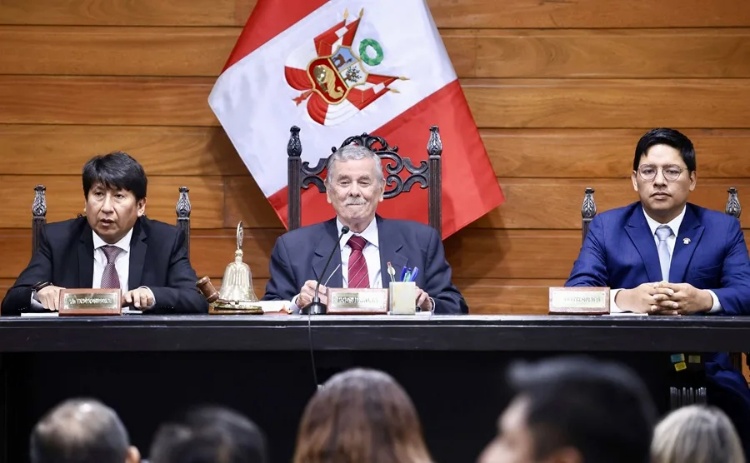
President of Peru’s Congress, Fernando Rospigliosi (center), in Lima, Peru. EFE/ Congreso de Perú
Election Season Turns Distance Into a Survival Skill
At the heart of Tuesday’s vote was a simple election-season instinct: to distance themselves.
The conservative parties that control Congress had initially supported Jerí’s arrival, but withdrew their confidence weeks before the general elections. The text is blunt about why. They wanted to avoid being contaminated at the polls by Jerí’s loss of popularity, especially after the recent revelations that led prosecutors to investigate him for influence peddling.
That’s the gamble. In the final stretch before an election, parties don’t just protect their positions—they protect their reputations. When the leader at the center starts to feel like a burden, the fastest move is to cut ties and step away.
Only one bloc held firm, according to the notes: Fujimorismo. It supported Jerí as a group, even though in the past it has promoted and backed presidential changes against other leaders. This time, it argued that keeping Jerí in place until the new president takes office would give the country stability.
Stability is a powerful word in Peru right now, but it’s also vague. It can mean continuing policies, keeping the police steady, or simply avoiding another leadership change. On Tuesday, Congress basically decided that separation was more important than stability.
Now, after Jerí’s exit from the palace gates, lawmakers have to fill the vacuum they created. Congress is scheduled to choose a new interim president on Wednesday during an extraordinary session beginning at six p.m. local time. Fernando Rospigliosi, the acting head of Congress and a Fujimorista, formally stated that by approving the censure motions, the congressional leadership declared the office of president of Congress vacant, and therefore the presidency of the republic vacant as well. He added that the deadline for parliamentary blocs to present candidates expires Tuesday at six p.m. local time.
In other words, Peru is about to choose a caretaker to lead during this caretaker period, with elections just around the corner. It’s like a relay race where no one wants to hold the baton for too long.
The deeper issue is not that Peru has rules for replacement. It does. The deeper issue is what repeated replacement does to legitimacy. When leadership turns over again and again, the presidency begins to feel less like a mandate and more like a temporary assignment, something inherited by procedure rather than earned by persuasion.
This change affects daily life in ways that are easy to overlook. People start talking about politics like the weather—always changing and always present. They learn officials’ names like new bus routes: quickly and without much connection. They watch the drama because they must, but they don’t put their trust in it the way a democracy needs.
Jerí, for his part, had initially drawn some public approval by prioritizing the fight against crime. That early acceptance now feels like another short chapter in a longer story Peru cannot stop repeating. A new leader arrives. There is a brief window of patience. Then the investigations, the revelations, the vote, the exit.
The palace gates. The private truck. The courtyard light.
One more goodbye, this time in central Lima, with the election clock ticking and Congress already readying the next leader. The problem is that in a system like this, the next leader isn’t really a new chapter. It’s the same chapter, just turned over again.
Rangers have agreed to give Celtic fans the Broomloan Road stand for the upcoming Scottish Cup quarter-final tie on 8 March.
It means about 7,500 away fans will have access to an Old Firm derby at Ibrox or Celtic Park for the first time since 2018.
The decision was taken after consultation between both clubs and the police.
Away supporter allocations have been limited to around 800 tickets in recent derbies following a period of no away fans at the fixture.
It is believed Rangers reached the decision after assurances Celtic would reciprocate for any upcoming cup matches at Celtic Park. Scottish FA rules state away clubs should be entitled to a 20% supporter allocation.
La Embajada de Estados Unidos en La Habana condenó este miércoles la prohibición de salida del país impuesta a un periodista independiente cubano, en lo que calificó como un nuevo intento del gobierno de la isla por “silenciar al periodismo independiente y la libertad de expresión”.
“No se puede entender, pero tampoco sorprende, enterarnos de la última movida del régimen represivo cubano para silenciar al periodismo independiente y la libertad de expresión”, señaló la sede diplomática en un mensaje en redes sociales.
La embajada añadió que el caso resulta “insólito”, al subrayar que la restricción afectó al periodista, quien incluso tiene la “nacionalidad española”.
El periodista Boris González Arenas fue impedido de abordar un vuelo desde La Habana hacia Estados Unidos, donde participaría en el International Visitor Leadership Program (IVLP) 2026, un programa del Departamento de Estado para el intercambio profesional.
González Arenas explicó que su viaje incluía el proyecto “Edward R. Murrow” para periodistas, enfocado en inteligencia artificial y periodismo.
“Yo debía viajar para participar de un taller muy importante, con mucho reconocimiento internacional, sobre la inteligencia artificial y el periodismo. Era algo que me tenía muy entusiasmado”, dijo el comunicador a Martí Noticias.
El incidente ocurrió en la Terminal 3 del Aeropuerto Internacional José Martí, cuando un funcionario de aduanas le notificó que pesaba sobre él un “impedimento de viaje”.
“Como muchas veces antes, me dijeron que no podía viajar”, añadió.
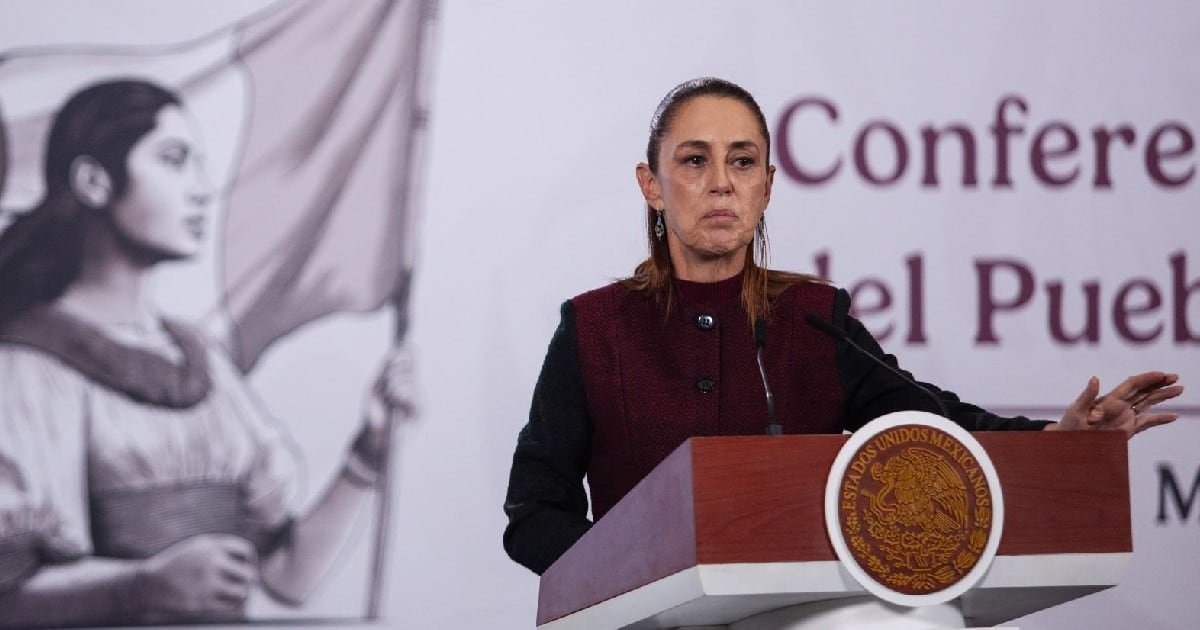
Sheinbaum ‘encarga’ a la SEP revisar plazas que firmó Max Arriaga
La presidenta Claudia Sheinbaum dijo que la nueva directora de Materiales Educativos de la Secretaría de Educación Pública, Nadia López, tendrá que revisar la legalidad de las 105 plazas que autorizó Max Arriaga mientras estaba encerrado en su oficina después de ser destituido del cargo.
“Vamos a ver, ya se revisará por parte de la nueva titular”, dijo en la conferencia de este jueves.
Defendió a Arriaga tras señalamientos de abusos y presunta solicitud de ‘moches’. Negó que haya una investigación contra el exfuncionario, lo describió como una persona honesta y “no hay nada que muestre lo contrario”.
Sheinbaum presentará reforma electoral el 24 de febrero
La presidenta Claudia Sheinbaum anunció que presentará la reforma electoral el próximo martes 24 de febrero, cuando se conmemora el Día de la Bandera.
La mandataria negó que la iniciativa contemple incrementar la cantidad de diputados de 500 a 508, luego que circulara información sobre un supuesto borrador de la propuesta que será presentada hasta la próxima semana.
Hasta el momento se conoce por declaraciones de Sheinbaum que el proyecto busca reducir el presupuesto al INE, Oples y partidos políticos en campañas electorales.
Sheinbaum ‘abre la puerta’ a restablecer relaciones con Perú
La presidenta Claudia Sheinbaum mencionó que esperarán a que José María Balcázar, presidente interino en Perú, tome posesión para conocer cuál será la postura y si buscará restablecer las relaciones diplomáticas.
“Vamos a esperar, el presidente que se eligió ayer es del mismo partido que Pedro Castillo. Vamos a esperar a ver, una vez que tome posesión, si es factible restablecer las relaciones”, aclaró la presidenta.
Mencionó que tendrá que ser Perú quien muestre el interés en restablecer la relación, pues fueron gobiernos anteriores quienes rompieron las relaciones por brindar asilo a Betssy Chávez.
¿Cuándo estará listo el Tren de Buenavista al AIFA?
La presidenta Claudia Sheinbaum adelantó que el tren Ciudad de México – AIFA iniciará operaciones “antes de Semana Santa”.
Aclaró que otras de las rutas CDMX-Querétaro y AIFA-Pachucha estarán en operación en la segunda mitad de 2027, pero no ofreció ninguna fecha estimada sobre estos dos proyectos.
Con espacio para tus bultos: así serán los vagones del Tren México-Laredo
Andrés Lajous, director general de la Agencia de Trenes y Transporte Público Integrado, informó que Alstom México será la empresa encargada de la construcción de 47 trenes que serán utilizados en la ruta México-Nuevo Laredo.
Explicó que se trata de un modelo diésel-eléctrico, con dos configuraciones: una que permitirá el transporte de 632 pasajeros (334 sentados) en itinerarios cortos y otra de 271 pasajeros en itinerarios largos.
Contará con espacio suficiente para que los pasajeros que viajen con cajas o algún bulto puedan colocarlos sin obstruir el tránsito en los trenes. El modelo será similar al del Tren Insurgente, pero con modificaciones.
Según Lajous, el primer tren llegará en junio de 2027.
¿Qué sucedió en la mañanera de Claudia Sheinbaum el 18 de febrero?
En la mañanera del Pueblo anterior, la presidenta Claudia Sheinbaum se refirió a múltiples temas de interés nacional.
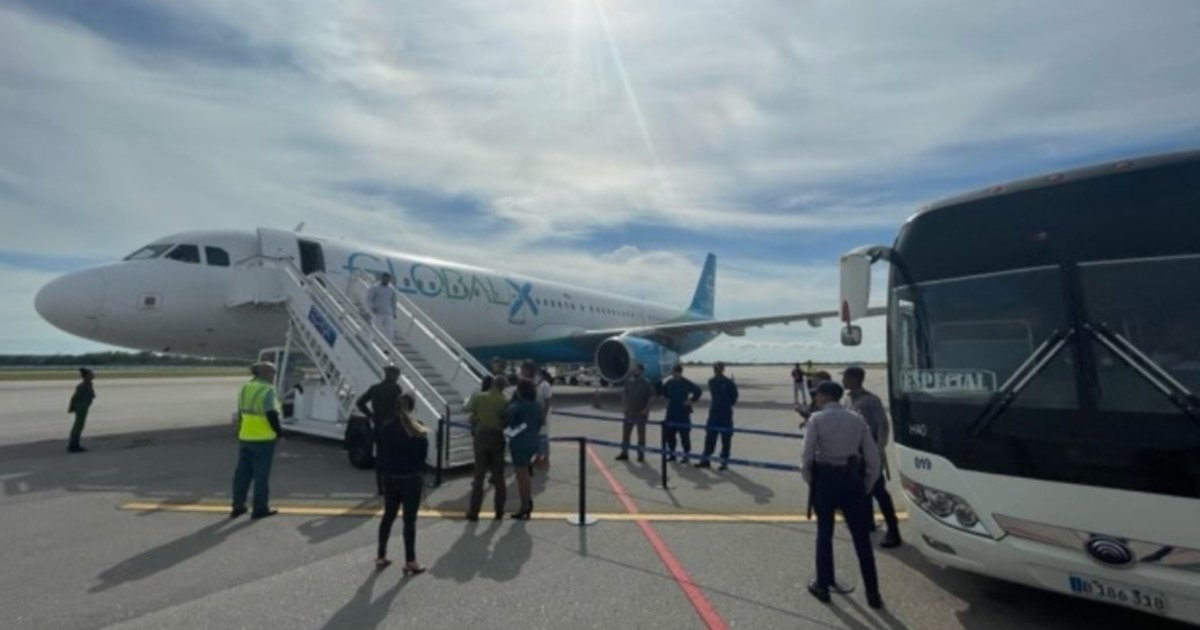
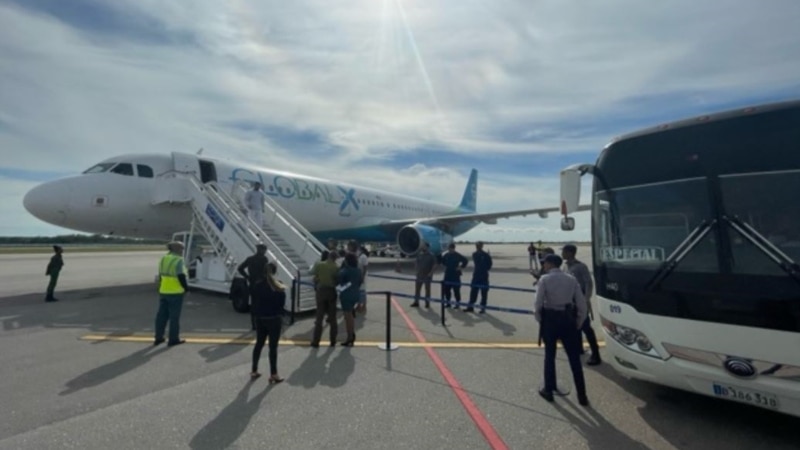
Las deportaciones de nacionales cubanos desde Estados Unidos marcaron un nuevo giro el pasado 9 de febrero, cuando el Servicio de Inmigración y Control de Aduanas (ICE) ejecutó el primer vuelo ICE Air hacia Cuba en 2026, con 170 cubanos, varios de ellos con historial criminal.
Según informó la agencia federal, el grupo incluyó individuos condenados por asesinato, secuestro, violación, narcotráfico y otros delitos graves.
Aunque los vuelos de deportación a Cuba operan desde hace años, ICE subrayó que el gobierno cubano había mostrado resistencia histórica a aceptar deportaciones masivas, especialmente cuando se trataba de exconvictos.
Sin embargo, bajo la actual administración, la agencia afirmó que estos vuelos de repatriación se están produciendo en “cifras récord”.
La aeronave trasladó 170 nacionales cubanos, de los cuales 153 eran hombres y 17 mujeres. Reportes previos estimaron que alrededor de 50 pasajeros tenían antecedentes penales, aunque ICE no ha detallado públicamente el número exacto.
En publicaciones oficiales, la agencia destacó algunos de los casos incluidos en la operación. Entre ellos figura Yondeivis Wong Den-Hernandez, condenado por asesinato en segundo grado en Florida y por ayuda y complicidad en la entrada indebida de un extranjero en Texas.
ICE también mencionó a Raul Duquenzne-Batista, vinculado a la pandilla “Los Habaneros” y condenado en Kansas por asalto agravado, violación, secuestro agravado, allanamiento agravado y delitos con armas. Según la agencia, el detenido admitió además haber cumplido 20 años de prisión en Cuba por robo y allanamiento.
Otro de los nombres señalados fue Alexander Padron-Marten, arrestado en Filadelfia en un operativo dirigido por cargos relacionados con tráfico de sustancias controladas.
La lista difundida por ICE incluyó igualmente a Orlando Sanchez-Sarria, condenado por robo mayor, narcotráfico, conspiración para secuestro, conspiración para distribuir cocaína, posesión ilegal de arma de fuego, recepción de propiedad robada y uso de arma durante un delito de drogas. Tras su condena en Los Ángeles, el individuo se trasladó a Filadelfia, según la agencia.
Entre los detenidos figura además Miguel Ramon Caveda-Perez, condenado por violación y posesión de una licencia de conducir alterada o inválida. ICE informó que fue transferido a custodia migratoria desde una prisión estatal.
Asimismo, ICE reportó el arresto de Gaully Quintana Martínez, acusado de agresión agravada con arma peligrosa, tras cumplir condena en Luisiana.
Según ICE, es la primera vez que el gobierno cubano acepta el retorno de personas consideradas previamente “inelegibles”, incluyendo individuos con antecedentes criminales en Estados Unidos. Durante años, La Habana rechazó la devolución de exconvictos, personas con acusaciones penales y ciertos migrantes sujetos a órdenes finales de deportación.
Aproximadamente 42.000 cubanos con orden final de deportación permanecían pendientes de repatriación debido a la negativa de Cuba a aceptarlos. El reciente movimiento podría indicar ajustes en la cooperación migratoria entre ambos países.
Analistas advierten que este giro podría tener implicaciones diplomáticas y operativas, incluyendo la facilitación de nuevos vuelos de deportación, cambios en la dinámica bilateral y reacciones dentro del exilio cubano.
En su comunicado, ICE enfatizó el papel de las órdenes de detención migratoria, conocidas como detainers, como herramienta clave para la seguridad pública. “Las órdenes de detención migratorias nos brindan mayor seguridad”, indicó la agencia.
El ejército de Estados Unidos está preparado para atacar a Irán este mismo fin de semana, aunque el presidente Donald Trump aún no ha tomado una decisión definitiva sobre si autorizará tales acciones, informaron este jueves 19 de febrero la cadena CNN y el diario The New York Times.
La Casa Blanca informó de que el ejército podría estar listo para un ataque el fin de semana contra Irán, tras un aumento significativo de activos aéreos y navales en Oriente Medio en los últimos días, asegura la CNN, que cita a fuentes familiarizadas con el asunto.
Sin embargo, una fuente advirtió que Trump argumentó en privado tanto a favor como en contra de la acción militar y ha consultado a asesores y aliados sobre cuál es la mejor línea de acción.
Altos funcionarios de seguridad nacional de la administración se reunieron el miércoles en la Casa Blanca para discutir la situación en Irán, según una persona familiarizada con la reunión.
Trump también fue informado el miércoles por el enviado especial Steve Witkoff y Jared Kushner, su yerno, sobre sus conversaciones indirectas con Irán celebradas el día anterior. En ese momento, no estaba claro si el presidente estadounidense tomaría una decisión antes del fin de semana, asegura la cadena.
“Está dedicando mucho tiempo a pensar en esto”, dijo una fuente.
Según The New York Times, las fuerzas armadas israelíes también han aumentado sus preparativos para una posible guerra, y el gabinete de seguridad de Israel planea reunirse el domingo, indicaron al diario dos fuentes de la Defensa israelí.
Israel también se está preparando para un posible ataque conjunto con Estados Unidos, según The New York Times, que cita a dos fuentes de la Defensa israelí.
El gabinete de seguridad de Israel planea reunirse el domingo, de acuerdo con las fuentes, que describen la posible operación en Irán como un ataque de varios días con el objetivo de forzar al país a hacer más concesiones sobre su programa nuclear en las negociaciones.
El portaaviones U.S.S. Gerald R. Ford, que formó parte de la flota del Caribe durante la operación contra el presidente venezolano Nicolás Maduro, se acercaba este miércoles al estrecho de Gibraltar para unirse al U.S.S. Abraham Lincoln, ya estacionado en aguas de Oriente Medio, de acuerdo con el Times.
El refuerzo militar estadounidense incluye además decenas de aviones cisterna de reabastecimiento, más de 50 aviones de combate adicionales y dos grupos de ataque de portaaviones, junto con sus destructores, cruceros y submarinos, informaron funcionarios estadounidenses al diario.
¿Qué sabemos del posible ataque de Trump a Irán?
También la cadena CBS aseguró, citando como fuentes a varios funcionarios, que Trump está evaluando posibles ataques contra Irán en los próximos días.
El Pentágono ha comenzado a trasladar temporalmente parte de su personal fuera de la región de Oriente Medio, principalmente hacia Europa y Estados Unidos, como medida preventiva ante posibles acciones o contraataques iraníes, precisa CBS.
Mientras, la secretaria de prensa de la Casa Blanca, Karoline Leavitt, afirmó en rueda de prensa ayer miércoles que existen “muchas razones y argumentos para un ataque contra Irán”, aunque aseguró que la diplomacia sigue siendo la primera opción del presidente.
La portavoz declinó comentar si un eventual ataque se coordinaría con Israel, país con el que la Administración mantiene estrechas consultas de seguridad.
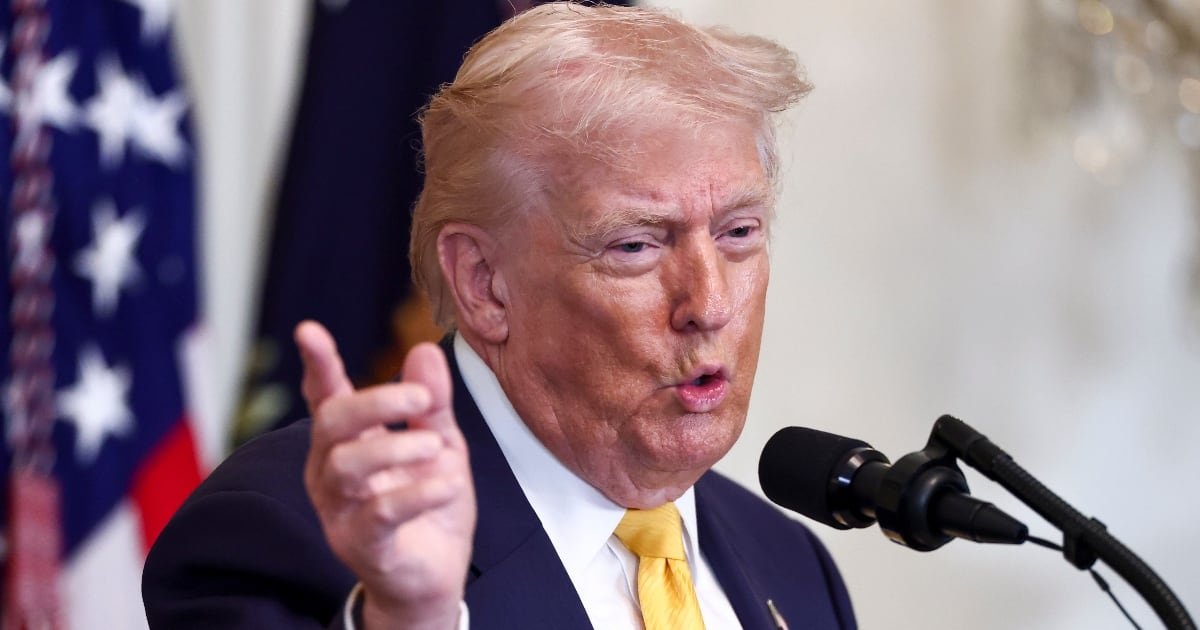
News Americas, WASHINGTON, D.C., Thurs. Feb. 19, 2026: In January 2026, US President Donald Trump declared Cuba to be an “unusual and extraordinary threat” to US security – a designation that allows the United States government to use sweeping economic restrictions traditionally reserved for national security adversaries. The US blockade against Cuba began in the 1960s, right after the Cuban Revolution of 1959, but has tightened over the years. Without any mandate from the United Nations Security Council, which permits sanctions under strict conditions, the United States has operated an illegal, unilateral blockade that tries to force countries from around the world to stop doing basic commerce with Cuba. The new restrictions focus on oil. The United States government has threatened tariffs and sanctions on any country that sells or transports oil to Cuba.
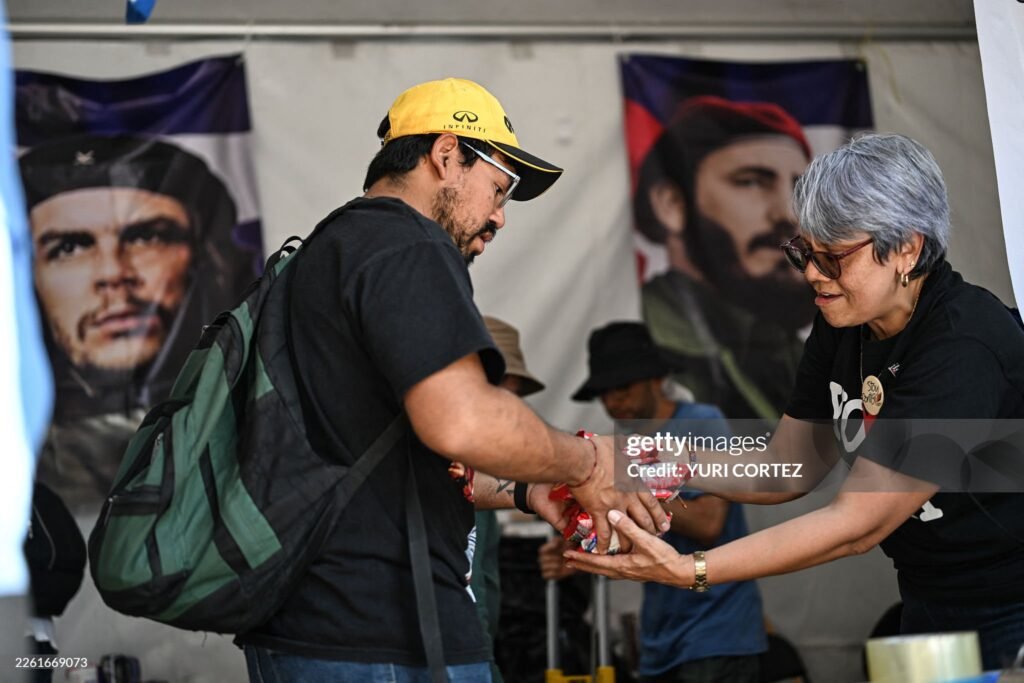
Members of the Association of Cuban Residents in Mexico A.C. “Jose Marti” prepare humanitarian aid in front of posters of Argentineborn Cuban revolutionary Ernesto “Che” Guevara and Cuban leader Fidel Castro at a collection center set up in Plaza El Zocalo in Mexico City on February 17, 2026, as part of a collection campaign in solidarity with Cuba. (Photo by Yuri CORTEZ / AFP via Getty Images)
On 3 January, the United States attacked Venezuela and kidnapped President Nicolás Maduro Moros and National Assembly deputy Cillia Flores. As 150 US military aircraft sat above Caracas, the United States informed the Venezuelan government that if they did not concede to a list of demands, the US would essentially convert downtown Caracas to Gaza City. The remainder of the government, with no leverage in the conversation, had to effectively make a tactical compromise and accept the US demands. One of these demands was that Venezuela cease to export oil to Cuba. In 2025, Venezuela contributed about 34 percent of Cuba’s total oil demand. With Venezuelan oil out of the picture in the short run, Cuba already anticipated a serious problem.
But this was not all. Mexico supplied 44 percent of Cuba’s imported crude oil in 2025. Pressure now mounted from Washington on Mexico City to cease its oil exports to Cuba, which would then mean that almost 80 percent of Cuba’s oil imports would disappear. In a phone call between Mexico’s President Claudia Sheinbaum and Trump, he claimed that he told her to stop selling oil to Cuba, but she denied that, saying that the two presidents only talked in broad terms about US-Mexico relations. Either way, the pressure on Mexico to stop its oil shipments has been considerable. Sheinbaum has stressed that Mexico must be permitted to make sovereign decisions and that the Mexican people will not buckle under US pressure. Cutting fuel to Cuba would cause a humanitarian crisis, so Sheinbaum said her government would not accept the Trump demand.
Trump’s savage policy has effectively cut off much of Cuba’s oil imports, which has created a major energy crisis on the island of eleven million people. There are rolling blackouts, fuel shortages for hospitals, water systems, and transportation, and rationing of electricity. Due to the lack of aviation fuel, several commercial airlines – such as Air Canada – have stopped their flights to Havana.
The United Nations has warned that the US pressure campaign – especially the policy to target fuel – threatens Cuba’s food and water supplies, hospitals, schools, and basic services. UN officials, including the UN Special Rapporteur on human rights in Cuba, have condemned the US tightening of the blockade as a measure that directly harms ordinary citizens. They pointed out that restrictions make it harder for hospitals to obtain essential medicines, dialysis clinics to operate, and medical equipment to reach patients, worsening the health crisis on the island. The Special Rapporteur described the policy as “punitive and disproportionate,” emphasizing that it violates international law and deepens socio-economic hardships. The UN has urged the United States to lift sanctions and prioritize humanitarian exemptions, stressing that dialogue and cooperation—not coercive measures—are necessary to protect Cuban lives and human rights.
A group of United Nations human rights experts condemned Trump’s executive order as a “serious violation of international law” and “a grave threat to a democratic and equitable international order.” They argued that Trump’s order seeks to coerce Cuba and third states by threatening trade sanctions, and that such extraterritorial economic measures risk causing severe humanitarian consequences. Their statement made it clear that no right under international law permits a State to impose economic penalties on third States for lawful trade relations, and they called on the Trump administration to rescind the illegal order. The UN General Assembly has voted overwhelmingly against the blockade every year since 1992, often with only the US and Israel opposed.
The Blockade by the US has had a grave impact on Cuba’s development paradigm. Since the start of the Blockade over sixty years ago, the US has cost Cuba $171 billion or if adjusted for the price of gold, $2.10 trillion. Between March 2024 and February 2025, the Cuban government estimates that the Blockade caused about $7.5 billion in damages, a 49 percent increase since the previous period. If you take the $171 billion number, the Cuban people lose $20.7 million per day or $862,568 per hour. These losses are grievous for a small country that attempts to build a rational society rooted in socialist values.
Response from Havana
Cuba’s President Miguel Díaz-Canel has strongly condemned the tightened US measures as an ‘economic war’ and has argued that the US policy is designed to weaken Cuba’s sovereignty. The government calls this an “energy blockade” and emphasises that the shortages on the island are a direct result of US coercive policies. In reaction, the Cuban Revolution has implemented emergency plans, including fuel rationing to prioritise essential services such as hospitals, water systems, and public transportation. Cuba has also announced state directives to manage diminished energy supplies, including shifts toward alternative and renewable energy sources where feasible. The Chinese government has donated equipment for large-scale solar parks to be built in Artemisa, Granma, Guantánamo, Holguín, Las Tunas, and Pinar del Río. In the long-term, China will assist Cuba to build 92 solar farms to add 2,000 megawatts of solar capacity. To assist households in remote areas, the Chinese government has sent 5,000 solar kits for rooftop energy harvesting. Fuel from Mexico and Russia, as well as other countries is now on the way to Cuba. Trump’s policy of isolation has not fully succeeded.
The Cuban government said it is in touch with Washington but has not yet held direct high-level talks. President Díaz-Canel has said that his government would speak to the United States but only under three important conditions. First, that the dialogue will be respectful, serious, and without pressure or preconditions. Second, the dialogue must respect Cuba’s sovereignty, independence, and political system. And finally, the Cuban government is unwilling to negotiate the Cuban Constitution (recently revised in 2019) or Cuba’s commitment to socialism. If the United States insists on a discussion on any of these three issues, there will be no dialogue. The Cuban Revolution’s defiance on these issues is rooted in its history, since the Revolution itself was an act of defiance against the US claim to control the Western Hemisphere through the 1823 Monroe Doctrine (now renewed by Trump in 2025 with his Corollary). This defiance has been contagious, building a Latin American resistance to US imperialism from the 1960s to the present – including at the heart of the Bolivarian process in Venezuela.
The Angry Tide
Latin America is going through a rapid and dangerous transformation. Country after country – from Argentina to El Salvador – have elected to power political formations from the Far Right of a Special Type. These are leaders who have committed themselves to strong conservative social values (rooted in the growth of reactionary Evangelical Christianity across the Americas), to a ruthless attack on the poor through a war on crime (shaped by a theory that calls for the arrest of any potential criminals and their incarceration, a policy pioneered by El Salvador’s Nabil Bukele), and by a sharply turn toward Western Civilisation that includes an orientation towards the United States and against China (this sentiment oscillates from a celebration of Western culture to a hatred of communism). The emergence of the Far Right of a Special Type appears as if it will be in charge for a generation if it can erase the left from power in Colombia, Cuba, Mexico, Nicaragua, and Venezuela (in Brazil, this Right has already taken charge of the legislature).
The parallel attacks on Venezuela and Cuba are part of the United States’s contribution to this rise of the Angry Tide across the Americas. Trump and his cronies would like to install their kind of leaders – such as Javier Milei – across the Americas as part of the Trump Corollary to the Monroe Doctrine. It is this that revives the idea of sovereignty in the Americas. When the Puerto Rican rapper Bad Bunny ended his performance at the US Super Bowl with a celebration of all the countries in the Americas, and when he named each of them, that gesture was itself part of the battle over the idea of sovereignty.
The Cuban Revolution holds out against US imperialism, but under great pressure. Solidarity with Cuba is for the Cuban people, for the Cuban Revolution, for the reality of sovereignty across the Americas, and for the idea of socialism in the world. This is now the frontline of the fight against imperialism.
EDITOR’S NOTE: Vijay Prashad is an Indian historian and journalist. He is the author of forty books, including Washington Bullets, Red Star Over the Third World, The Darker Nations: A People’s History of the Third World, The Poorer Nations: A Possible History of the Global South, and How the International Monetary Fund Suffocates Africa, written with Grieve Chelwa. He is the executive director of Tricontinental: Institute for Social Research, the chief correspondent for Globetrotter, and the chief editor of LeftWord Books (New Delhi). He also appeared in the films Shadow World (2016) and Two Meetings (2017).
SOURCE: Globetrotter
Like this:
LikeLoading…
Help Sustain Independent Caribbean Diaspora Media.
Support NewsAmericas
News Americas, PORT OF SPAIN, Trinidad, Thurs. Feb. 19, 2026: Trinidad and Tobago, whose prime minister has alienated her CARICOM colleagues to cozy up to the new US administration, is now emerging as one of the most strategically important energy intermediaries in the Western Hemisphere, following the issuance of two new United States General Licenses authorizing certain oil and gas activities involving neighboring Venezuela.
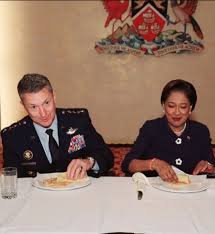
FLASHBACK – Chairman of the US Joint Chiefs of Staff General Dan Caine enjoys doubles with Prime Minister Kamla Persad-Bissessar at a meeting in Trinidad on Nov. 26, 2025. (Facebook image)
The licenses, granted under U.S. Treasury Department authority, now provide a structured legal framework allowing Trinidad and Tobago to pursue energy development projects tied to Venezuelan offshore gas reserves while remaining compliant with U.S. sanctions and financial controls. But beyond their technical scope, the approvals signal a deeper geopolitical and economic shift – one that positions Trinidad & Tobago as a critical bridge between American energy policy and some of the region’s largest untapped gas reserves.
Prime Minister Kamla Persad-Bissessar described the development as a significant opportunity to strengthen Trinidad and Tobago’s role as a hemispheric energy hub.
“As a longstanding close partner of the United States, Trinidad and Tobago views this development as an important opportunity to deepen hemispheric energy cooperation, strengthen regional stability, and reinforce trusted commercial ties,” the Prime Minister said in a statement.
At the center of this strategic shift lies the Dragon gas field, located near the maritime border between Trinidad and Venezuela. The field is estimated to hold approximately four trillion cubic feet of natural gas and has been the subject of ongoing negotiations involving multinational energy companies Shell and BP, along with Trinidad’s state-owned National Gas Company.
The project had previously been stalled after the U.S. revoked licenses in 2025 amid sanctions and political tensions with Venezuela. The new licenses restore a pathway forward, albeit under strict financial oversight. Payments related to oil and gas activities must be routed through designated accounts controlled by the U.S. Treasury, ensuring compliance with sanctions and preventing direct financial benefit to Venezuela’s government.
For Trinidad and Tobago, which allowed the US military to use its shores in its so-called narco-war in the Caribbean, which led to the kidnapping of Venezuelan President Nicholas Maduro and his wife, the implications extend far beyond a single project.
Energy has long been the backbone of Trinidad’s economy, but declining production from mature fields and global energy transitions have put pressure on the country to secure new supply sources. Access to Venezuelan gas – facilitated through U.S.-approved channels – could help stabilize domestic energy production, sustain petrochemical industries, and preserve thousands of jobs tied to the country’s energy sector.
More importantly, the licenses elevate Trinidad’s role from energy producer to strategic energy intermediary.
With existing liquefied natural gas (LNG) infrastructure, refining capacity, and decades of technical expertise, Trinidad is uniquely positioned to process and distribute gas resources within a framework acceptable to global financial markets and Western regulators. This makes the country a vital node in regional energy security, particularly as geopolitical tensions reshape global supply chains.
The timing is also significant. As global energy markets face continued volatility and the US seeks to diversify supply sources closer to home, Trinidad is gaining renewed strategic importance.
Industry analysts say the licenses reflect growing confidence in Trinidad’s regulatory stability and its reliability as a U.S. partner in managing sensitive energy operations near Venezuela. US President Donald Trump is considering a visit to Venezuela, though he did not specify when the trip might take place or what agenda it would entail.
Beyond direct economic gains, the development reinforces Trinidad’s influence with the Trump administration in the Caribbean. A strengthened energy sector enhances the country’s capacity to supply neighboring islands, support regional industrial activity, and anchor broader economic integration efforts.
The move also underscores a broader shift in how the Caribbean and the Americas are perceived by the US. Once viewed primarily as its backyard, the Trump administration has increasingly turned to dominate there as it now controls the oil in Venezuela.
For Trinidad and Tobago, the new licenses represent more than regulatory approvals. They mark a pivotal moment in the country’s evolution — from a regional energy producer to a geopolitical energy bridge linking Caribbean resources, American policy, and global markets.
As energy security becomes central to global economic stability, Trinidad’s role may prove increasingly indispensable.
Like this:
LikeLoading…
Help Sustain Independent Caribbean Diaspora Media.
Support NewsAmericas