Brazilian Public Prosecutor’s Office asks not to renew license of country’s sole uranium mine
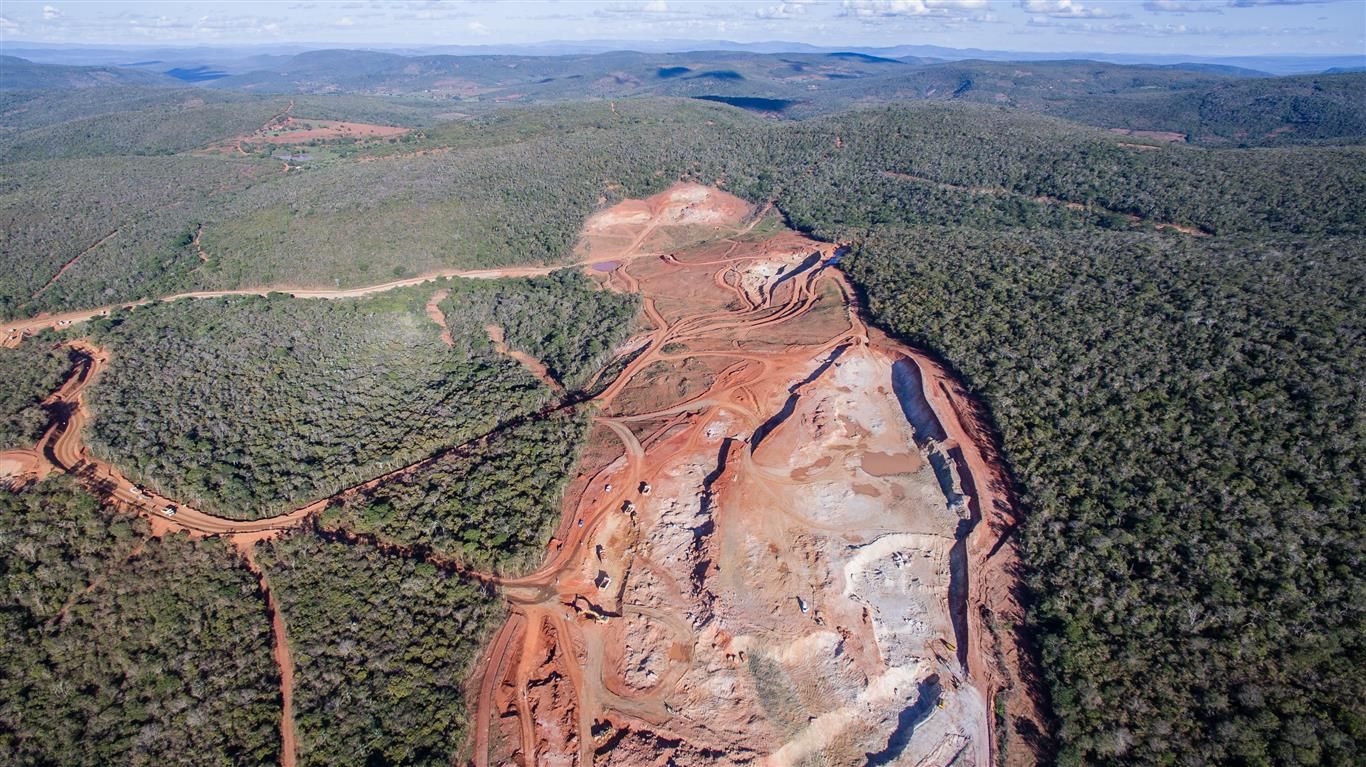
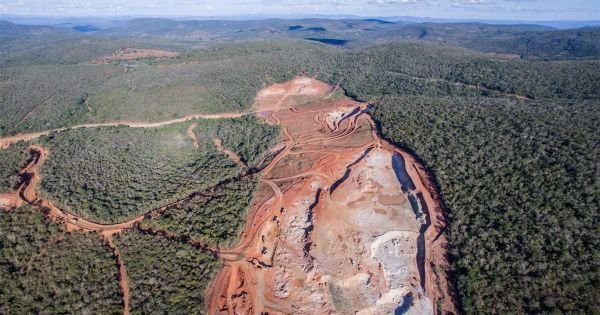
The uranium extraction unit is located in the municipality of Caetité, in the northeastern state of Bahía
Brazil’s Federal Public Prosecutor’s Office on Wednesday recommended that the Brazilian Institute of Environment (Ibama) not renew the environmental license of the country’s only uranium mine, in operation since 1999, until the responsible company duly consults the quilombola communities potentially affected by the activity. The recommendation does not amount to a definitive closure of operations, but it does entail a suspension conditional on compliance with the requirement of prior consultation of the populations affected by the project, in line with the national and international norms in force.
According to the Public Prosecutor’s Office, at least fourteen communities of descendants of fugitive enslaved people —the so-called quilombolas— are located within a radius of up to twenty kilometers of the deposit and were never consulted on the project, as required by Convention 169 of the International Labor Organization (ILO), in force in Brazil since 2004. The norm establishes that traditional peoples must be consulted whenever administrative measures, including the granting of an environmental license for major extractive projects, may directly affect their territories and ways of life.
The uranium extraction unit is located in the municipality of Caetité, in the northeastern state of Bahía, and is operated by the state-owned Industrias Nucleares do Brasil (INB). The facility constitutes the first link in Brazil’s national nuclear fuel cycle: it conducts the initial phases of ore mining and beneficiation, from which the uranium concentrate known as yellowcake is obtained. According to official company data, the mine is located in a mineral province with estimated resources of around 87,000 tons of uranium and produces close to 400 tons of concentrate annually.
Brazil does not enrich the uranium extracted on its territory. After its initial processing in Caetité, the concentrate is sent abroad, mainly to Europe, where it undergoes the subsequent industrial phases of conversion and enrichment, before returning to the country as fuel for the nuclear plants the Brazilian state operates at Angra dos Reis, in the state of Rio de Janeiro. The Caetité facility has operated for nearly three decades in a region that has repeatedly been the subject of protests by social organizations and oversight bodies over the project’s possible effects on water resources and local populations.
The Public Prosecutor’s Office recommendation is not mandatory for Ibama, but it constitutes a formal instrument the prosecution body customarily employs as a warning prior to potential judicial measures should the environmental agency decide to ignore its observations. The controversy is also unfolding amid growing pressure on Brazil over critical minerals and sovereignty over the country’s strategic resources, against the backdrop of geopolitical disputes with the United States and China.