Brazil’s fiscal deficit climbs to 9.41% of GDP amid economic slowdown and election year
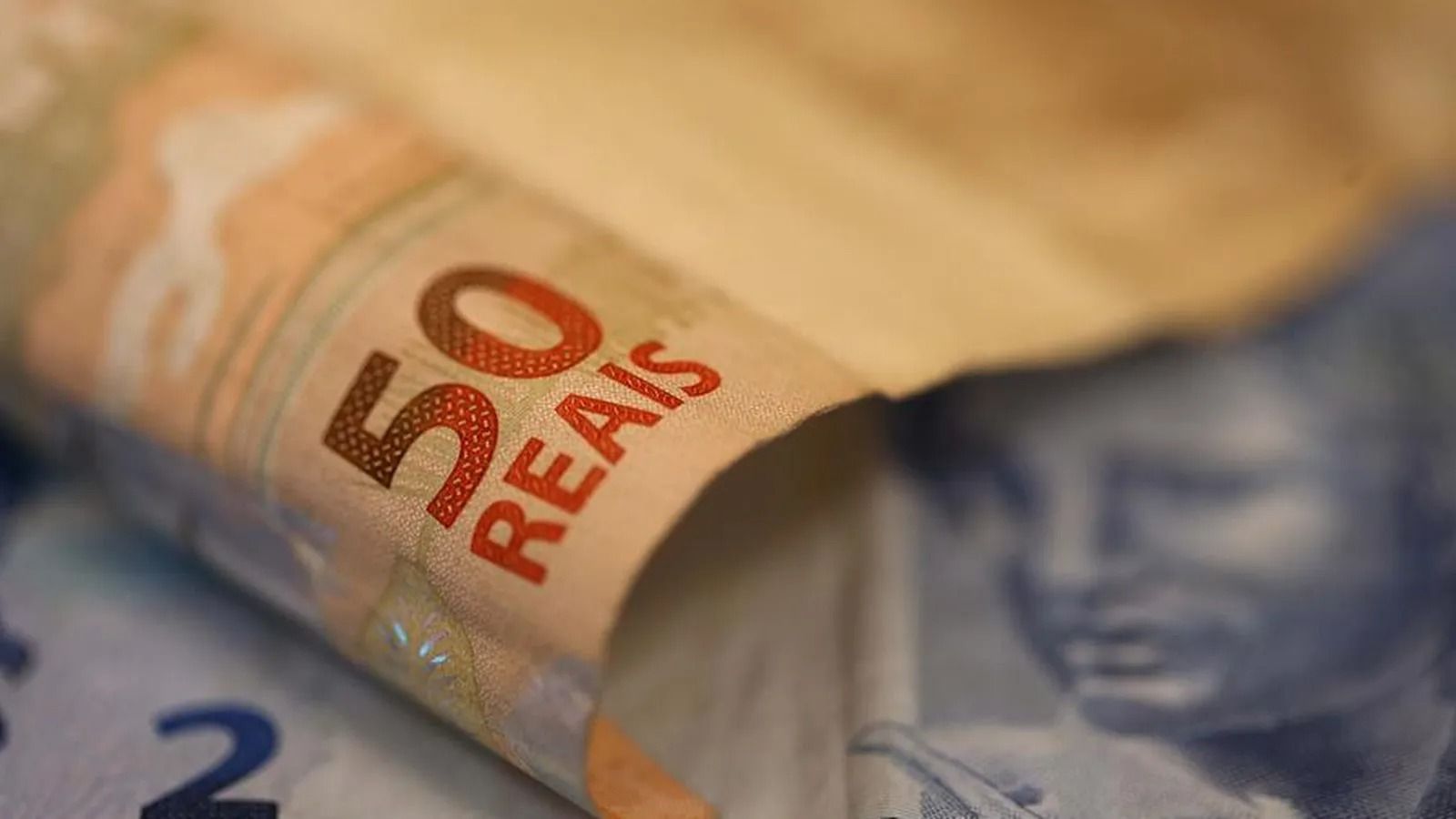
The Brazilian economy grew 2.3% in 2025, below the 3.4% recorded in 2024, and the Central Bank itself projects a further slowdown to 1.6% for the current year
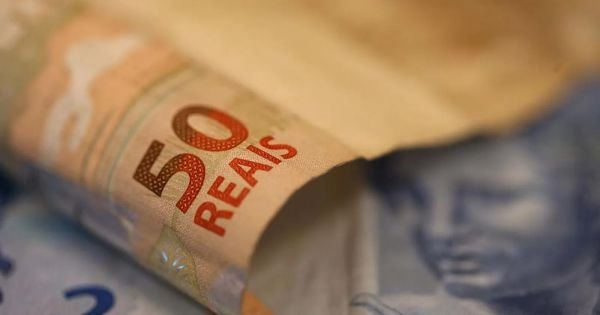
Brazil’s nominal public sector deficit reached 9.41% of gross domestic product in the twelve months to March 2026, nearly one percentage point higher than the previous period, according to data published on Thursday by the Central Bank. The combined shortfall of all public administrations — central government, states, and municipalities — stood at 1.21 trillion reais, equivalent to around $244 billion, in one of the highest readings in recent years for Latin America’s largest economy.
The primary deficit, which excludes interest payments and is the main reference used by markets and multilateral institutions to gauge fiscal effort, reached 137 billion reais (around $27 billion) in the same period, equivalent to 1.06% of GDP and 0.65 percentage points above the February reading. President Luiz Inácio Lula da Silva’s government had committed to the IMF to achieve a zero primary deficit target for 2026, under a medium-term fiscal framework approved in 2023. Meeting that objective looks increasingly unlikely as the election year progresses.
Gross public debt, covering all administrations, also deteriorated in the period, rising 0.9 percentage points from the previous month to 80.1% of GDP. The World Bank projects that Brazil’s debt-to-GDP ratio could climb to 95% in 2026, an exceptionally high level for an emerging economy. The state of public finances has a direct bearing on monetary policy decisions: the Central Bank cut the Selic rate on Wednesday by 0.25 percentage points to 14.50% per year, though the private sector considers that level still excessively high and a barrier to credit expansion and investment.
The Brazilian economy grew 2.3% in 2025, below the 3.4% recorded in 2024, and the Central Bank itself projects a further slowdown to 1.6% for the current year, against a backdrop of elevated interest rates, softer domestic demand, and a more complex external environment shaped by the Middle East war and tariff tensions with the United States.
The deterioration of public accounts takes on significant political dimension six months ahead of the October presidential election, in which Lula will seek re-election against right-wing Senator Flávio Bolsonaro. The government’s economic management has expanded social programs funded by tax increases on the wealthiest, a strategy the opposition criticizes as generating unsustainable fiscal imbalances. Bolsonaro has called for structural fiscal adjustment and has made debt levels and public spending one of the central planks of his campaign.