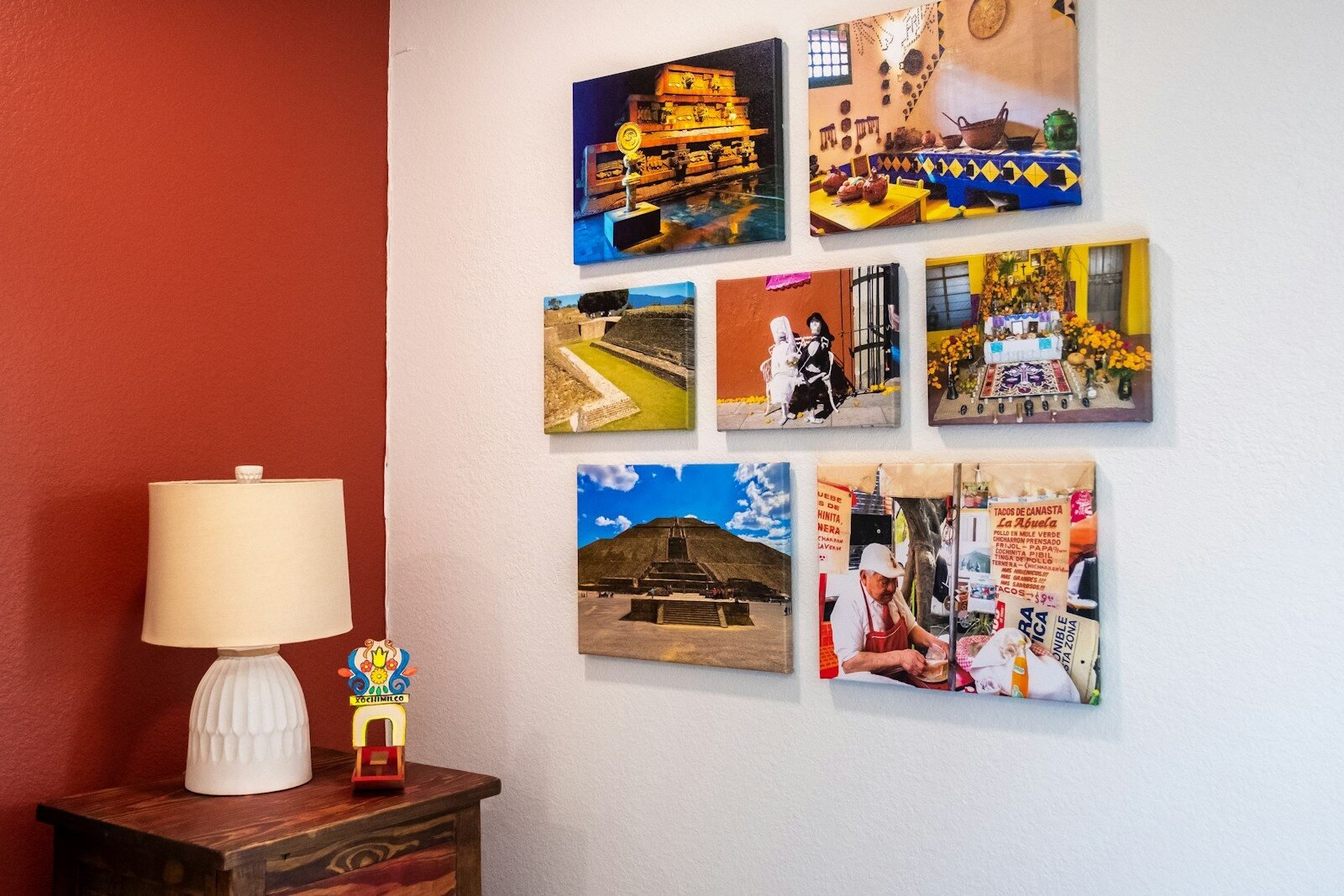
Canvas prints have become one of the most popular and beloved ways to display photographs, digital artwork, and personal memories in homes, offices, and commercial spaces around the world. Whether you want to immortalize a cherished family portrait, showcase a breathtaking landscape photograph, or bring a splash of artistic color to a bare wall, canvas prints offer a timeless and professional solution. They combine the warmth and texture of traditional canvas painting with the precision and convenience of modern digital printing technology, resulting in stunning wall art that can last for decades. In this comprehensive guide, we will explore everything you need to know about canvas prints from how they are made and what types are available, to how to choose the right one for your space and how to care for them properly.
What Are Canvas Prints?
A canvas print is a photograph or digital image that has been printed directly onto a canvas material using high-quality inkjet printing technology. The canvas is typically made from either cotton or polyester, and once printed from Wall Pics, it is stretched over a wooden frame commonly called a stretcher bar to create a taut, gallery-ready piece of art. The result is a rich, textured finish that closely resembles an original painted artwork, giving images depth, character, and visual warmth that flat photo prints simply cannot replicate.
Canvas printing technology has advanced significantly in recent years. Modern canvas prints use fade-resistant, archival-quality inks that are capable of producing vivid colors, sharp details, and stunning tonal range. Whether you are printing a black-and-white portrait or a colorful abstract painting, the results can be truly breathtaking. Canvas prints come in a wide range of sizes, from small accent pieces to large, room-dominating statement works, and they can be customized to suit virtually any aesthetic or decor style.
Types of Canvas Prints
There are several types of canvas prints available, each suited to different tastes and purposes. Understanding the differences can help you make the right choice for your needs.
Stretched Canvas Prints
This is the most common type. The printed canvas is stretched tightly over a solid wooden frame and stapled at the back, making it ready to hang straight out of the box. Stretched canvas prints are available in different frame depths, including standard depth (around 0.75 inches) and gallery depth (around 1.5 inches), with deeper frames giving a more premium, museum-quality appearance.
Rolled Canvas Prints
Rolled canvas prints are printed on canvas and then shipped in a tube without being stretched. These are a cost-effective option and are popular with artists and buyers who prefer to stretch or frame the canvas themselves. They are also easier and cheaper to ship internationally.
Framed Canvas Prints
Some canvas prints are presented within an outer decorative frame, similar to traditional picture frames. This style can add an elegant, refined look and is especially popular for formal settings such as offices, dining rooms, and living areas where a polished, traditional aesthetic is desired.
Split or Multi-Panel Canvas Prints
Multi-panel canvas prints divide a single image across two, three, four, or even five individual canvas panels that are hung together as a cohesive set. This format creates a dramatic, contemporary look and works especially well with panoramic landscapes, cityscapes, and abstract compositions.
Choosing the Right Image for a Canvas Print
Not every photograph translates perfectly to canvas, and choosing the right image is one of the most important steps in getting a great result. First and foremost, image resolution matters enormously. For a high-quality canvas print, you generally need a minimum resolution of 150 to 300 dots per inch (DPI) at the intended print size. Images taken on modern smartphones and digital cameras are usually sufficient for medium-sized prints, but if you plan to create a very large canvas, you need to ensure that your source image has enough pixels to avoid blurring or pixelation.
Subject matter also plays a key role. Portraits, landscape photography, travel images, and abstract digital artwork all look stunning on canvas. Bold colors, strong contrast, and clear focal points tend to produce the most visually impactful results. Very dark or highly detailed images may sometimes lose subtle nuances when printed on textured canvas, so it is worth requesting a proof or sample if you are unsure. Many professional canvas print services offer digital previews that show how your image will look once printed, which is an invaluable tool for ensuring satisfaction with the final product.
Popular Uses for Canvas Prints
Canvas prints are incredibly versatile and are used in a wide variety of settings. In the home, they are commonly used to create gallery walls in living rooms, display family portraits in hallways, or add artistic flair to bedrooms and home offices. A beautifully printed canvas of a family vacation photo or a child’s first birthday can become a treasured heirloom that adorns a wall for years to come.
In commercial environments, canvas prints are widely used in hotels, restaurants, spas, hospitals, and corporate offices to create welcoming, aesthetically pleasing environments. Businesses often commission custom canvas artwork to reinforce their brand identity or to bring life to otherwise sterile interior spaces. Canvas prints also make exceptional gifts for birthdays, weddings, anniversaries, and holidays, offering a personal and thoughtful alternative to conventional gift options. Many online canvas printing services make it easy to upload a photo and order a ready-to-hang canvas print directly to a recipient’s door.
How Canvas Prints Are Made
The production of a canvas print involves several carefully managed steps. The process begins with preparing the digital image file, which is color-corrected and optimized for printing. Professional print labs use sophisticated color management software to ensure that the printed colors match as closely as possible to how they appear on a calibrated monitor.
The prepared image is then printed onto the canvas material using a large-format inkjet printer loaded with archival, pigment-based inks. These inks are specifically formulated to bond with the canvas fibers and resist fading caused by light exposure and environmental factors. After printing, the canvas is allowed to dry and cure before being stretched over a pre-assembled wooden frame. Skilled technicians ensure that the canvas is pulled taut evenly on all sides and that corners are neatly folded and secured. The finished product is then inspected for quality before being packaged for delivery.
Sizing and Placement Tips
Choosing the right size canvas print for your space is crucial to achieving a balanced and visually pleasing result. As a general rule of thumb, a canvas print should occupy approximately two-thirds to three-quarters of the wall space above a piece of furniture such as a sofa or bed. For a standard sofa that is around 84 inches wide, a canvas that is 55 to 60 inches wide would be proportionally ideal.
When hanging a single canvas print, the center of the artwork should ideally be at eye level typically around 57 to 60 inches from the floor. For gallery walls featuring multiple prints, lay out the arrangement on the floor first to experiment with different configurations before committing to holes in the wall. Always use appropriate wall anchors and hardware based on the weight of the canvas, and ensure the print is level using a spirit level or a reliable measuring app.
Caring for Your Canvas Print
Canvas prints are relatively low-maintenance, but a few simple care practices can significantly extend their lifespan and keep them looking vibrant for many years. Avoid hanging canvas prints in areas that receive direct sunlight for prolonged periods, as UV rays can cause colors to fade over time even with archival inks. Similarly, avoid placing canvases in rooms with high humidity or extreme temperature fluctuations, such as bathrooms or unheated garages, as moisture can cause the canvas to warp or the inks to deteriorate.
To clean a canvas print, use a soft, dry cloth or a gentle feather duster to remove surface dust. Never use water, chemical cleaning agents, or abrasive materials directly on the canvas surface, as these can damage the printed inks and the canvas fibers. If the canvas becomes slightly slack over time, many stretched canvas frames can be re-tightened by inserting small canvas keys into the slots at the back corners of the frame.
Frequently Asked Questions (FAQ)
Q: How long do canvas prints last?
A: High-quality canvas prints made with archival pigment inks and UV-resistant coatings can last anywhere from 75 to 100 years or more without significant fading when properly cared for and kept away from direct sunlight. Budget canvas prints using dye-based inks may fade more quickly, particularly if exposed to bright light.
Q: What is the best image resolution for a canvas print?
A: For the best print quality, your image should have a minimum resolution of 150 DPI at the intended print size. For smaller prints (up to 16×20 inches), 300 DPI is ideal. Most photos taken with modern smartphones (12 megapixels or higher) are suitable for medium to large canvas prints.
Q: Can I print any type of image on canvas?
A: Yes, virtually any digital image can be printed on canvas, including photographs, digital artwork, illustrations, and even text-based designs. The key requirement is that the image file must be of sufficient resolution and in a compatible format such as JPEG, PNG, or TIFF.
Q: Are canvas prints waterproof?
A: Most canvas prints are treated with a protective coating that offers some water resistance, but they are not fully waterproof. Avoid hanging canvas prints in areas prone to splashing or high moisture, such as directly above a sink or in a steam-filled bathroom. If minor splashes occur, blot them gently with a dry cloth immediately.
Q: How do I choose between a standard and gallery wrap?
A: Standard wrap canvases have a thinner frame depth (around 0.75 inches) and are a good choice for smaller prints or more casual settings. Gallery wrap canvases are thicker (around 1.5 inches) and give a more substantial, premium appearance that looks excellent without a frame. Gallery wraps are particularly popular for large statement pieces and contemporary interiors.
Q: Can canvas prints be hung outdoors?
A: Standard canvas prints are designed for indoor use only. Exposure to rain, humidity, extreme temperatures, and prolonged direct sunlight outdoors will rapidly degrade the canvas and inks. If you want artwork for an outdoor space such as a covered patio, look for specially designed outdoor canvas prints made with weatherproof materials and UV-resistant inks.
Conclusion
Canvas prints represent one of the most effective and versatile ways to personalize and beautify any space. They bridge the gap between photography and fine art, offering the ability to transform meaningful images into enduring, visually impactful wall decorations. With so many types, sizes, and customization options available, canvas prints are accessible to everyone from homeowners looking to add a personal touch to their living rooms, to businesses wanting to create inspiring work environments, to individuals seeking the perfect heartfelt gift.
By understanding the different types of canvas prints available, selecting high-quality images, choosing the right size for your space, and following simple care guidelines, you can enjoy your canvas prints for decades to come. As printing technology continues to advance, canvas prints are only getting better offering higher color accuracy, greater longevity, and more creative possibilities than ever before. Whether you are ordering your first canvas print or building an extensive gallery wall, the beauty and impact of a well-chosen canvas print is undeniable, and it is sure to bring joy and character to any room it graces.