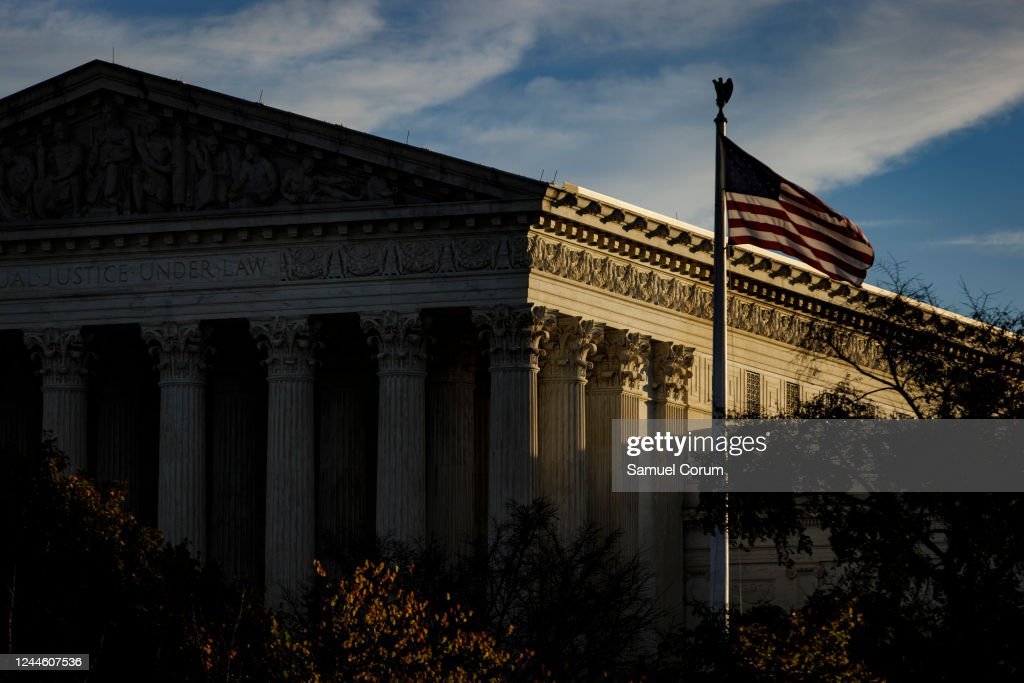
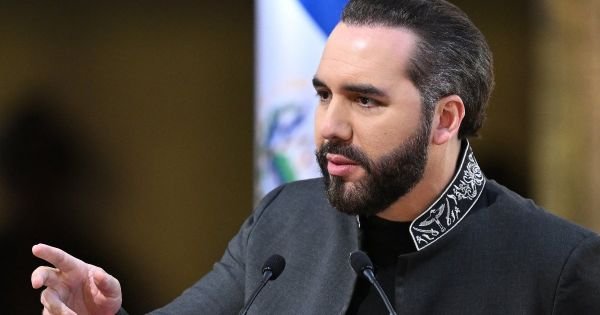
El Salvador’s new life sentences for children expose the brutal moral bargain inside Nayib Bukele’s anti-gang revolution, where security, fear, punishment, and democracy now collide in a nation exhausted by violence and willing to test how far vengeance can go.
When Fear Writes the Law
In El Salvador, the latest constitutional reform does not just change a sentence. It changes the meaning of childhood under the law.
President Nayib Bukele signed reforms allowing life prison sentences for people as young as 12 if they are convicted of crimes including homicide, femicide, rape, and gang membership, or of acting as accomplices. The measure, passed last month by a Legislative Assembly controlled by Bukele’s party and pushed by his cabinet, will take effect on April 26. It creates new criminal courts and requires mandatory reviews of life terms decades later, depending on age and the gravity of the crime.
On paper, supporters can point to a hard moral logic. A country long terrorized by gangs has seen homicide rates fall sharply under Bukele’s crackdown. For families that lived for years with extortion, recruitment, rape, disappearance, and murder hanging over daily life, mercy can sound like a luxury item. In that atmosphere, a reform like this will not look like cruelty to many Salvadorans. It will look serious. It will look like a state finally choosing the frightened over the violent.
That is the ethical force behind Bukele’s project, and it should not be waved away. Governments do have a duty to protect ordinary people. In a nation brutalized by gang power, there is a real argument that traditional limits, softer sentencing, and juvenile distinctions may appear morally disconnected from the scale of the harm. When officials insist detained gang members “will never return” to the streets, they are speaking to a public memory shaped by fear and grief, not just ideology.
But the reform also forces a far more disturbing question. What does it mean when a state decides that a child can be punished as if there is nothing left to save?
Life imprisonment for a 12-year-old carries an idea inside it, whether the law says so openly or not. It says some young lives are already beyond repair. It says the answer to social ruin is permanent disposal. Even with mandatory review decades later, the policy’s moral center is not rehabilitation. It is exclusion. It is the belief that the safest future is built by locking human beings away so early and for so long that society no longer has to imagine their return.
That is not just a legal shift. It is a civilizational one.
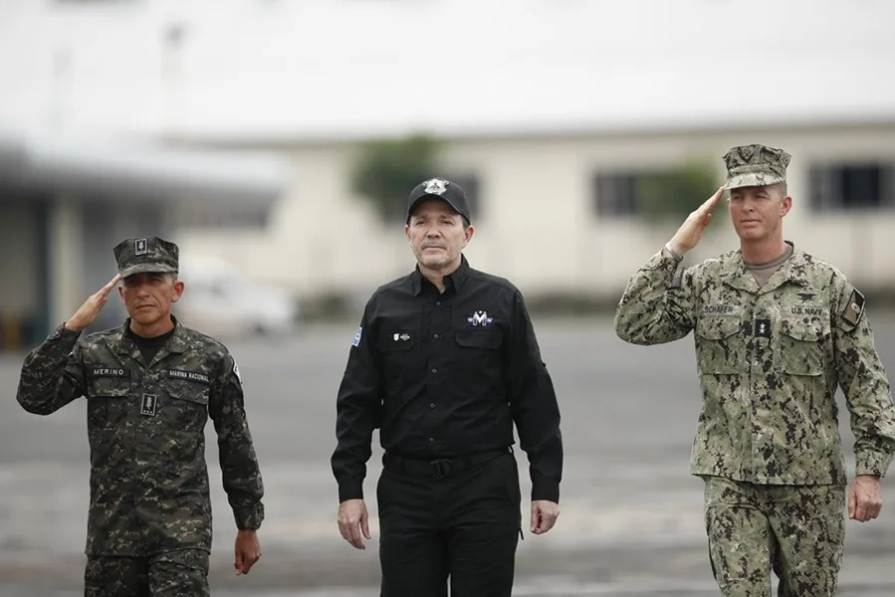
The Seduction of Absolute Security
Bukele’s defenders have political evidence on their side, at least for now. His popularity remains soaring. The crackdown has produced visible results in a country where gangs once dictated the rules of neighborhoods and public life. That matters. It matters deeply.
Still, ethical judgment cannot stop at outcomes alone, because the methods described around this reform are not small details. After a burst of gang violence in 2022, Bukele declared a state of emergency that was presented as temporary and has since become normal, extended for years. Constitutional rights were suspended. More than 1% of the population was locked up, often on vague charges with little evidence. Prisoners have been judged in mass trials. Lawyers regularly lose track of where their clients are. Human rights organizations say arbitrary detention has been widespread. One group even filed a complaint before the Inter-American Commission on Human Rights alleging that the vast majority of those imprisoned under the emergency were detained arbitrarily, a claim Bukele denies.
Under that reality, the argument for harsher punishment becomes morally unstable. A life sentence may be defended, however harshly, when due process is credible, and guilt is clear. It becomes much harder to defend when the system imposing it is accused of sweeping up people on weak evidence, processing them in bulk, and blurring individual responsibility. A state cannot ethically claim maximum certainty in punishment while tolerating minimum certainty in proof.
That contradiction is where Bukele’s model exceeds the bounds of criminal justice. It begins to ask citizens to accept that rights are expendable when fear is high enough. It asks them to trust concentrated power because concentrated power appears to work. And for many, that bargain is tempting. Security is not abstract. It is the difference between walking home and not walking home. Between sending a child to school and keeping them inside. Between living and hiding.
This is why Bukele’s doctrine has such force. It answers a real wound. It does not merely flatter cruelty. It offers relief.
But relief bought through unchecked power rarely stays limited to its first target.
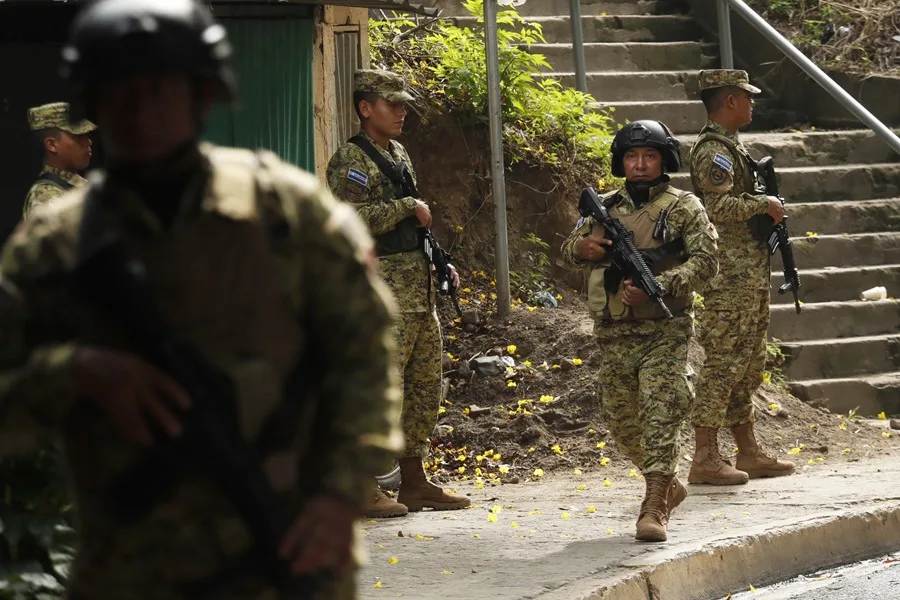
What a Democracy Sacrifices First
The sentencing reform arrives within a broader pattern already visible in El Salvador. Bukele has been fiercely criticized for weakening checks and balances and undermining the country’s fragile democracy. Last year, his government pushed through another contentious constitutional reform, eliminating presidential term limits, opening the path for him to remain in power indefinitely. Emboldened by his alliance with U.S. President Donald Trump, the government has also detained critics and activists. At the same time, journalists and opposition voices increasingly face a choice between exile and prison.
That context changes the ethical reading of the prison reform. This is not simply a country debating punishment in isolation. It is a country watching executive power spread across courts, prisons, legislatures, and public speech simultaneously. Once that happens, the child sentenced to life and the journalist pushed into exile are no longer separate stories. They become products of the same political imagination, one that treats rights as obstacles and permanence as proof of strength.
There is, of course, a hard counterargument. Gang rule was itself a dictatorship of terror imposed on poor communities. A government that crushes it can claim moral legitimacy because it restores ordinary life. That claim should be taken seriously. Too often, comfortable critics speak as though due process exists in a vacuum, untouched by the daily violence that made so many Salvadorans desperate for a state that would act.
And yet a democracy is tested not only by how it defeats monsters, but by what it becomes while doing so. If a government can imprison children for life, normalize emergency rule, process thousands through mass trials, hold people on weak evidence, hollow out constitutional limits, and close the space for dissent, then security has stopped being a shield. It has become a language for remaking the nation around punishment and obedience.
El Salvador’s reform may be popular. It may even feel emotionally justified to many who have buried too much and feared too long. But ethically, it asks the country to accept a terrible proposition: that safety is best secured when childhood, due process, and democratic restraint are all made conditional. History in Latin America has seen this bargain before. It always arrives promising order. It rarely leaves without taking something larger than what crime has ever stolen.
Also Read:
Paraguay Becomes Washington’s Quiet Prize in Latin America’s New Contest