King Charles arrives in the US for a state visit marked by bilateral tensions over the Iran war
The special relationship is going through what various analysts describe as its lowest point since the Suez Crisis of 1956
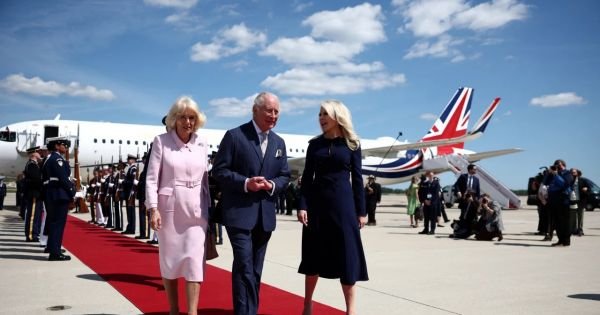
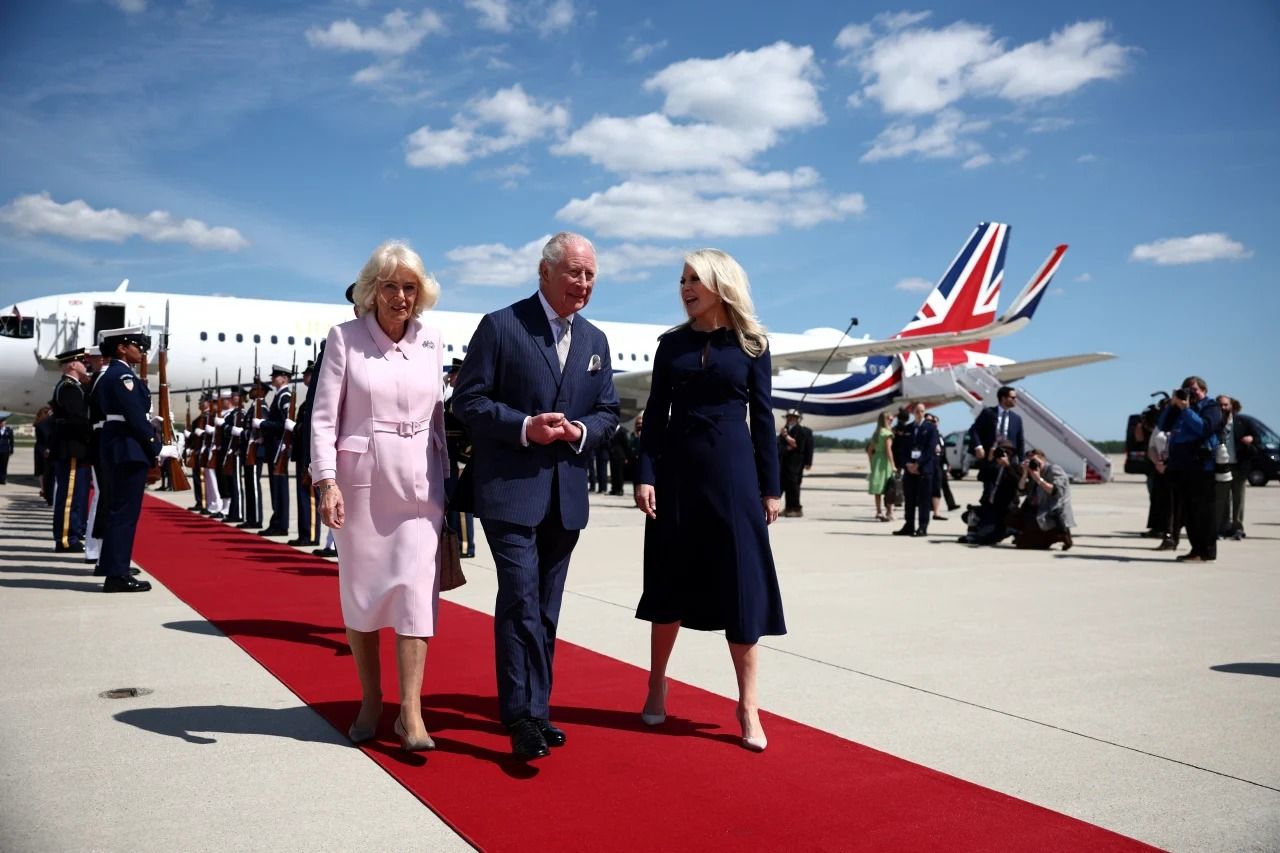
King Charles III and Queen Camilla landed on Monday at Joint Base Andrews in Maryland, beginning a four-day state visit to the United States — the most prominent of the current reign and the first by a British monarch in two decades. The tour coincides with the 250th anniversary of the US Declaration of Independence and unfolds at a particularly delicate moment for the special relationship between London and Washington, sharpened by tensions stemming from the war against Iran and a series of diplomatic disagreements that have accumulated in recent months.
The royal couple was welcomed on the tarmac by diplomatic, state, and federal officials, as well as senior representatives of the British embassy, and accepted bouquets handed over by the children of British military personnel stationed in the United States. They subsequently travelled to the White House, where they were greeted by President Donald Trump and First Lady Melania Trump in a cordial reception that included kisses on the cheek and a brief moment before photographers before a private tea inside the presidential residence.
The week’s agenda includes the King’s address to Congress on Tuesday — only the second time in history that a British monarch will speak before the US legislature — a state dinner at the White House, a stop in New York City with a commemorative act for the victims of the September 11, 2001 attacks ahead of the 25th anniversary, and a closing leg in Virginia centred on environmental conservation projects, an area in which the monarch has been an active campaigner for more than half a century. Charles III, 77, continues to undergo treatment for the cancer diagnosed in February 2024.
The visit unfolds against an unusually tense bilateral backdrop. The special relationship — the strategic, military, and intelligence cooperation bond between London and Washington forged during the Second World War — is going through what various analysts describe as its lowest point since the Suez Crisis of 1956, when British Prime Minister Anthony Eden saw his military intervention in Egypt blocked by pressure from Dwight Eisenhower’s White House. Trump has repeatedly criticised Prime Minister Keir Starmer over Britain’s refusal to join the military offensive against Iran launched on February 28, calling him a coward and stating that he is not Winston Churchill. Starmer, for his part, has on several occasions defended his decision to keep the United Kingdom out of the conflict, arguing that he acts in the British national interest.
That friction was compounded last week by Reuters’ publication of an internal Pentagon memorandum that considered reconsidering US diplomatic support for the United Kingdom over the Falklands as retaliation for the lack of support over Iran, alongside other measures directed at NATO allies, including the potential suspension of Spain from the bloc. The leak prompted a unanimous response from Britain’s ruling and opposition parties, and Downing Street reaffirmed that sovereignty over the islands is not in question. MercoPress previously covered that sequence, including the response from Argentine Foreign Minister Pablo Quirno reaffirming Buenos Aires’ claims over the islands.
British Ambassador to Washington Christian Turner summed up the British strategy with a classic formula: Keep calm and carry on. For its part, White House spokesperson Anna Kelly told the AP that President Trump has always had great respect for King Charles, and their relationship was further strengthened by the president’s historic visit to the United Kingdom last year. Trump told the BBC in an interview last week that the visit could absolutely help repair transatlantic ties.
The backdrop to the trip includes an additional security element. The US capital remains on alert following the shooting on Saturday during the White House Correspondents’ Association dinner, in which US officials identified Trump and members of his administration as likely targets. Following a security review, Buckingham Palace confirmed on Sunday that the King is greatly relieved to hear that the president, first lady and all guests have been unharmed and that the trip would proceed as planned. Another sensitive issue the Royal Household is seeking to avoid during the visit is the scandal surrounding Jeffrey Epstein: royal sources ruled out any meeting between the royals and victims of the late sex offender, given that the King’s brother, Andrew Mountbatten-Windsor, is facing police inquiries over his ties to Epstein and denies any wrongdoing.