Bogotá, Colombia – Mexican authorities have said they will tighten security around tourist sites following a shooting on Monday that killed a Canadian tourist and injured twelve others.
The attack at the Teotihuacan pyramids by a lone gunman has renewed concerns about fan safety ahead of the 2026 World Cup Games, which will be co-hosted by Mexico.
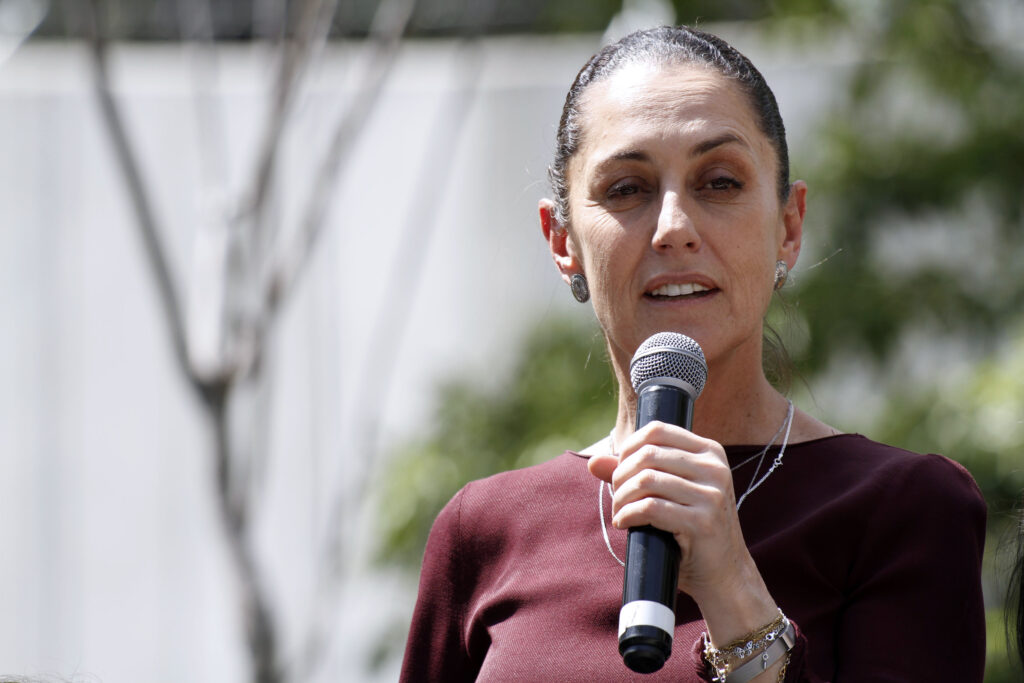
But Mexican President Claudia Sheinbaum sought to re-assure visitors, maintaining that mass shootings are rare in the country and describing the incident as a one-off.
“Our obligation as a government is to take the appropriate measures to ensure that a situation like this does not happen again,” said Sheinbaum on Tuesday morning.
Mexican Security Secretary Omar García Harfuch added that state security forces had been ordered to “immediately strengthen security” at tourist destinations across the country.
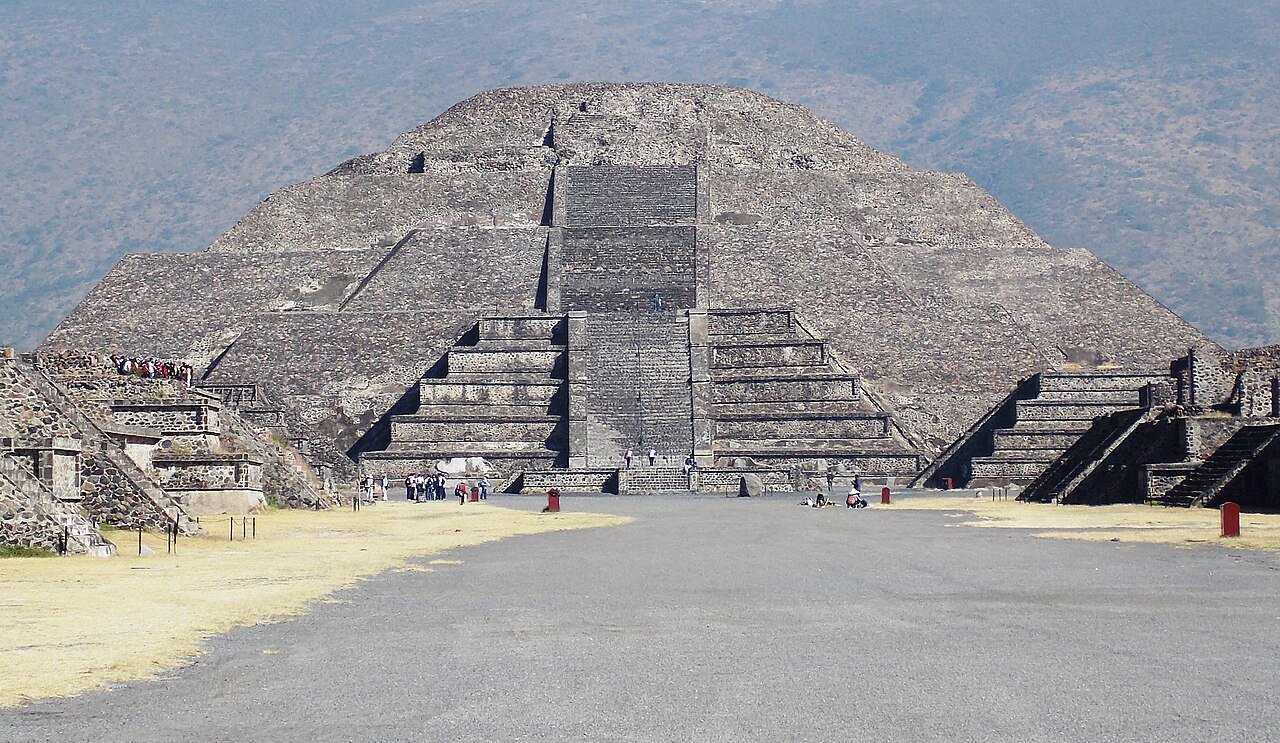
The Teotihuacan pyramids are a UNESCO Heritage Site and one of Mexico’s most visited archaeological complexes.
But Sheinbaum was also careful to stress that attacks like the one on Monday are incredibly rare in Mexico: “Clearly, we all know — Mexicans know — that this is something that had not previously taken place.”
Unlike in the United States, guns are difficult to obtain legally in Mexico and mass shootings targeting members of the public are uncommon.
While Mexico has grappled for years with high homicide rates, shootings tend to happen in specific areas marked by cartel violence and rarely affect tourists.
Ideological motivations
Rather than a sign of broader security struggles, authorities maintain that Monday’s shooting was perpetrated by a ‘lone wolf’ actor driven by extremist views.
Sergio Ortiz Borbolla, head of campaigns and communications at the Global Project Against Hate and Extremism, maintained that Julio César Jasso Ramírez, 27, was a Nazi sympathizer inspired by other mass shootings.
“Although the investigation is still ongoing, several factors point to an ideological motive,” said Ortiz.
He noted that Monday’s shooting happened on Adolf Hitler’s birthday and the anniversary of the 1999 mass shooting at Columbine High School in the U.S., which killed 14.
The perpetrator’s social media included posts where he performed a Nazi salute and a framed AI-generated photo of him side-by-side with the Columbine shooters was found at the scene of the attack, according to authorities.
“The incident… highlights the growing influence of extremist online communities on acts of violence, a trend that transcends national borders,” noted Ortiz.
Mexican Attorney-General Cervantes also described “a psychopathic profile of the attacker, characterized by a tendency to imitate situations that occurred in other places, at other times, and involving other individuals – this tendency can be referred to as copycat behaviour”.
Countdown to the games
Monday’s shooting is the latest headache for the Mexican government ahead of this summer’s soccer competition.
A wave of cartel violence in February, including in World Cup host city Guadalajara, sparked concerns about the threat posed by organized crime in the country.
But the government has been engaged in a push to assure visitors that the country is safe, announcing plans to mobilize 100,000 security forces this summer. It also said it will deploy an additional 2,100 military vehicles, 24 aircraft, and 33 drones.
But, as Ortiz noted, the type of violence seen in Mexico this week is “not common.”
“There is no indication that this type of attack poses a widespread risk to tourists,” he concluded.
Featured image description: The Pyramid of the Moon in Teotihuacan – one of the largest in Mesoamerica, México.
Featured image credit: Marcelosan via WIkimedia Commons