
Blog

  • Falklands, A+ S&P credit rating reaffirmed; strong support for current Legislative Assembly — MercoPress

    Falklands, A+ S&P credit rating reaffirmed; strong support for current Legislative Assembly — MercoPress


    Falklands, A+ S&P credit rating reaffirmed; strong support for current Legislative Assembly

    Friday, March 27th 2026 – 00:12 UTC


     The A+ rating mentioned FIG’s strong reserve balances, the expectation of fiscally prudent policies over the term of the current Legislative Assembly
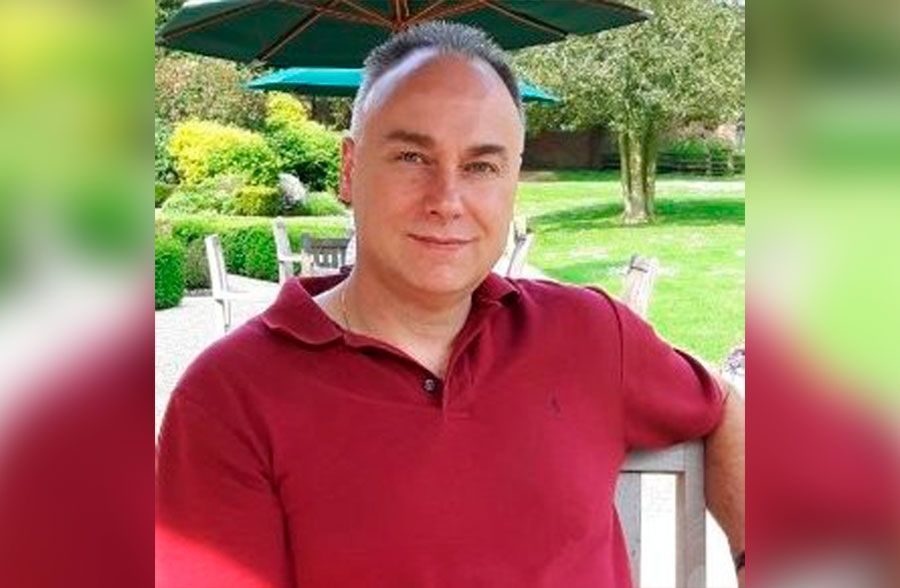
    The A+ rating mentioned FIG’s strong reserve balances, the expectation of fiscally prudent policies over the term of the current Legislative Assembly

    FIG Financial Secretary, Pat Clunie, said: “Retaining our A+ credit rating is an excellent achievement especially when set against the current large capital program and financial pressure”.
    FIG Financial Secretary, Pat Clunie, said: “Retaining our A+ credit rating is an excellent achievement especially when set against the current large capital program and financial pressure”.

    The Falkland Islands Government (FIG) is pleased to report that last Thursday, 19 March, following a detailed review of current fiscal and economic information, as well as confidential interviews with FIG officers and other stakeholders, S&P Global re-affirmed the long-term sovereign credit rating for the Falkland Islands as ‘A+’, with a stable outlook.

    ‘The stable outlook is based on [the] expectation that public finances will remain strong over the next two years,’ S&P said, ‘supported by the government’s high level of assets that more than offset its recent borrowings and will allow it to proceed with its capital plans. It also reflects our expectation that institutional links with the UK will remain strong, anchoring policy stability and security.’

    The A+ rating made additional reference to FIG’s strong reserve balances, the expectation of fiscally prudent policies over the term of the current Legislative Assembly, and growth underpinned by solid results in the fishing industry, as well as continued stability in public services and agriculture. Importantly, it takes into account the planned public expenditure on major capital projects like the new port, power station, wind farm and waste facility along with the general maintenance and development investments that occur each year.

    FIG Financial Secretary, Pat Clunie, said: “Retaining our A+ credit rating is an excellent achievement especially when set against the current large capital program and financial pressure. It reflects the strength of our underlying economy and ongoing prudent financial management which in turn support our stable outlook. It is a team effort across all sectors of the Falklands that allows us to have something which we can all be proud of.”

    The economic and fiscal forecasts do not yet incorporate potential revenue from oil-production. But S&P noted that they ‘could raise the ratings over the next two years if there was an earlier-than-expected and material ramp-up in the territory’s hydrocarbon sector and we believed it would have a significant impact on long-term growth rates or the stability of the economy, and we expected this effect would be sustained over the long term.’




    Source link

  • Uruguay considers with “interest” British offer of three Royal Navy offshore patrol vessels — MercoPress

    Uruguay considers with “interest” British offer of three Royal Navy offshore patrol vessels — MercoPress


    Uruguay considers with “interest” British offer of three Royal Navy offshore patrol vessels

    Friday, March 27th 2026 – 19:50 UTC


    One of the vessels, the HMS Mersey, is a River-class offshore patrol vessel of the British Royal Navy
    One of the vessels, the HMS Mersey, is a River-class offshore patrol vessel of the British Royal Navy

    Uruguay’s government is considering with “interest” a British offer to acquire three Royal Navy offshore patrol vessels (OPVs), according to El Observador, citing sources at the executive offices. The proposal involves first-generation River-class vessels — HMS Tyne, HMS Mersey, and HMS Severn — operational since 2003 and scheduled for decommissioning in 2028 as part of the British fleet renewal under NATO’s defense spending commitments.

    The offer has gained traction in recent weeks following the cancellation of a contract with Spanish shipyard Cardama, which left the Uruguayan Navy without a solution for its oceanic patrol capability gap. President Yamandú Orsi noted last week that the purchase would be conducted “country to country,” which he described as the “most interesting” format, rather than through contracts with private shipyards.

    The three vessels measure 79.5 meters in length and displace 1,700 tons, specifications that meet the Uruguayan Navy’s requirements for open-ocean operations beyond 100 nautical miles. However, according to El Observador, naval sources indicated the Navy will need to request detailed technical documentation on propulsion systems, electrical systems, weaponry, sensors, and spare parts before advancing negotiations.

    Each vessel would cost approximately $20 million, according to El Observador’s reporting. By comparison, Orsi indicated that a new OPV costs around $60 million. The government intends to equip the Navy with at least two offshore patrol vessels before the end of its term.

    Separately, Uruguay confirmed to the United States its interest in acquiring a Reliance-class vessel offered as a donation by the U.S. embassy. The ship, which is not an OPV and lacks the capability for open-ocean navigation, would serve as an “interim solution” for coastal patrol duties, in Orsi’s words. The U.S. embassy confirmed to El Observador that it received Uruguay’s request and expects to continue the process.

    The U.S. offer carries a complicated history. Former Navy Commander Jorge Wilson rejected the same proposal in 2022, noting the platforms were built in 1968 and had exceeded the age the Navy considers acceptable by a wide margin. The Defense Ministry estimates refurbishment costs of between $8 million and $15 million, based on a vessel of the same class transferred to Sri Lanka at an associated cost of $20 million in repairs and upgrades.

    Another alternative considered was Navantia, Spain’s main public shipyard, but sources close to the negotiations noted that the company’s availability to build a vessel before 2030 is an obstacle, as its capacity is already committed.

    Negotiations with the United Kingdom are being conducted under strict confidentiality. In government circles, the acquisition of used OPVs is seen as a short-term solution while progress is made toward incorporating new patrol vessels.


    Source link

  • Defense funding a key issue at Maduro’s pre-trial hearing in New York 

    Defense funding a key issue at Maduro’s pre-trial hearing in New York 


    Nicolás Maduro returned to a New York federal court on Thursday for a pre‑trial hearing, facing U.S. charges of narcoterrorism, cocaine trafficking, and weapons offenses.

    It was the second court appearance of the ousted Venezuelan leader since his capture alongside his wife, Cilia Flores, on January 3, 2026, from a military compound in Caracas. Both pleaded not guilty two days after their capture, with Maduro describing himself as a “prisoner of war.”

    The hearing was a procedural step ahead of any potential trial, where the court will consider pre‑trial motions. Maduro’s defense attorney asked the court to drop the case citing the U.S. blocking payments to the former president’s lawyers. 

    One of the central issues at the moment is legal funding for Maduro and Flores. The couple say they don’t have the personal resources to cover their legal fees. Their lawyers argue that U.S. sanctions are blocking them from accessing Venezuelan government funds to pay for their defense — and that this restriction prevents them from choosing their own attorneys, a right guaranteed by the U.S. Constitution.

    Judge Alvin K. Hellerstein questioned the prosecution over the blockage of funds, which the U.S. argues are related to sanctions on Venezuela’s government. 

    Both Maduro and Flores are on the U.S. sanctions list. Current regulations generally prohibit a sanctioned government from paying the legal fees of sanctioned individuals without a specific license. That means, for now, Caracas cannot cover their legal bills without special permission from Washington.

    While Maduro argues he is Venezuela’s legitimate president, the United States did not recognize his claim to office at the time of his arrest. But it has since recognized Delcy Rodríguez as interim president, a close ally of Maduro’s who had served as vice president.

    Maduro had led Venezuela since 2013, following the death of Hugo Chávez, as head of the socialist, anti‑imperialist chavismo movement. Critics say Maduro’s government became increasingly authoritarian. His claimed victory in the 2024 presidential election was disputed, with voting tallies collected by the opposition indicating their candidate had won.

    He faces four federal counts, including conspiracy to participate in narcoterrorism, conspiracy to import cocaine into the United States, and offenses related to possession and conspiracy to possess machine guns and destructive devices. His wife, Cilia Flores, faces related charges.

    Groups of both pro and anti-Maduro protesters gathered outside on Thursday, some calling for the release of Maduro and Flores. Others however, sang the Venezuelan national anthem and expressed their satisfaction that he was going through a judicial process in the U.S.

    Some Maduro supporters gathered in central Caracas watched the scene outside court on a large screen. Maduro and Flores’ son, Nicolás Maduro Guerra who is also a politician, was also at the rally.

    The case unfolds as Washington balances sanctions enforcement with ongoing engagement with Caracas, including in the energy and mining sectors.

    Featured image: Nicolás Maduro arrives on a New York helipad ahead of his first court appearance on January 5, 2026.


    Source link

  • Hibs losses not sustainable, says chief executive Dan Barlaser

    Hibs losses not sustainable, says chief executive Dan Barlaser


    The club is also exploring ways to increase matchday income, including the potential to allocate more South Stand tickets to away supporters when Celtic and Rangers visit Easter Road.

    Barnett insists no decision will be made without consulting Hibernian supporters.

    Hibs estimate that unfilled seats in the South Stand could cost between £150,000 and £200,000 per year.

    “We’ve been open about the balance between principle and revenue,” he said. “We’re working with fans to decide the best approach.

    “We would always prefer to fill those seats with our own supporters, but we also have to consider the financial impact.”

    Hibs have, however, opted to freeze season ticket prices for next season, despite the potential to generate additional income.

    “We want to keep football accessible and reward loyalty,” Barnett added. “We broke our season ticket record last year and sales are already ahead of that pace again.

    “My preference is to grow revenue in other ways rather than increasing prices for our supporters.”


    Source link

  • Solidaridad del exilio hizo posible cumplir último deseo de expreso político cubano (VIDEO)

    Solidaridad del exilio hizo posible cumplir último deseo de expreso político cubano (VIDEO)


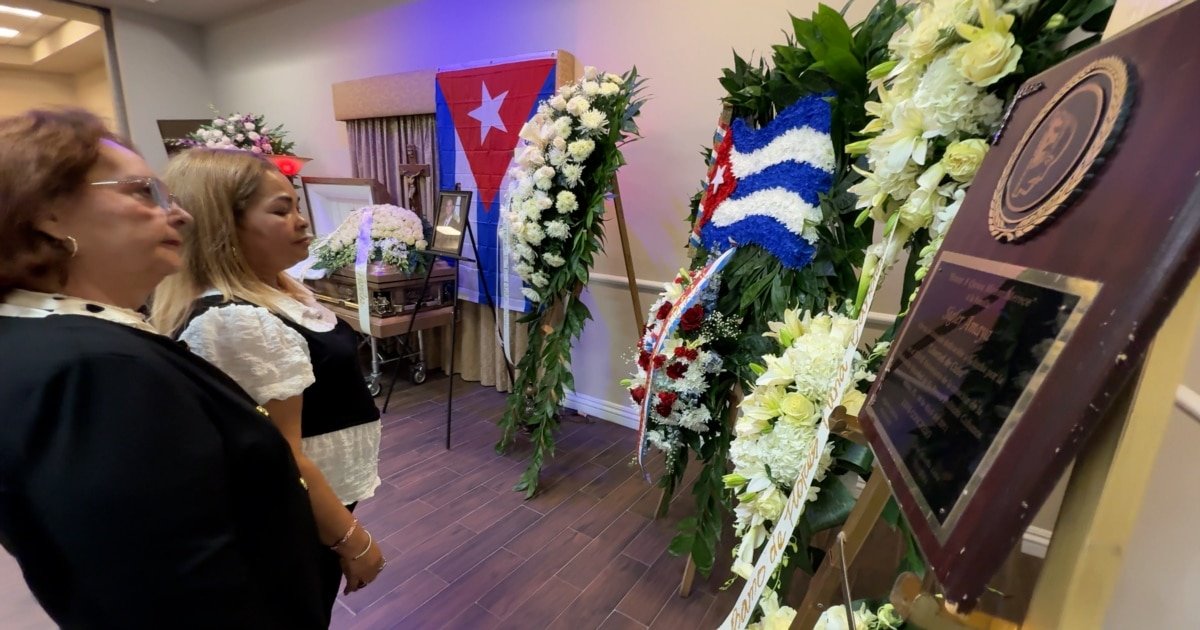
    El apoyo del exilio cubano en Miami hizo posible cumplir uno de los últimos deseos que tuvo antes de morir el expreso político cubano, Miguel Sigler Amaya: un funeral “a lo cubano”.

    El incansable luchador por la democracia en Cuba fue despedido con honores el viernes 27 de marzo en la funeraria Maspon de la calle 8 de Miami.

    José Daniel Ferrer, líder de la Unión Patriótuca de Cuba, explicó a Martí Noticias que ante de morir, Sigler Amaya le pidió que su funeral fuera precisamente “a lo cubano”, en una funeraria de la calle 8 de Miami.

    “En un momento pensé que iba a ser muy difícil. Pero gracias al apoyo de grandes amigos del exilio y de la causa de la libertad de Cuba, se le pudo cumplir este deseo a Miguel”, señaló Ferrer.

    Sigler Amaya falleció el pasado 24 de marzo en Miami, tras una enfermedad que obligó a su hospitalización por 72 días en el Hospital Jackson Memorial. También había sido sometido a “dos operaciones cardiovasculares”.

    Su hermano Ariel Sigler Amaya, expreso político de la Primavera Negra de 2003 en Cuba, también agradeció el respaldo del exilio para cumplir el deseo de Miguel.

    “Quiero agradecer a todas las personas que tuvieron directamente vinculados para que esto se pudiera hacer, a todos los que dieron su aporte desinteresado para ello”, declaró Ariel a Martí Noticias.

    Guido Sigler Amaya, otro de sus hermanos y expreso político del Grupo de los 75, dijo a Martí Noticias que estaba tranquilo porque sabía que Miguel dejó “a la Patria en manos de cubanos que son capaces de continuar la lucha que el llevó por la libertad de Cuba”.

    Miguel Sigler Amaya fue miembro del Movimiento Opción Alternativa. El régimen lo condenó en Cuba a dos años de prisión por resistencia a la autoridad en 2003. Salió de prisión el 12 de enero de 2005 y partió al exilio en Estados Unidos en 2006.


    Source link

  • Inscrições abertas para o curso Estratégias de Detecção Precoce do Câncer e sua Aplicação na Atenção Primária à Saúde

    Inscrições abertas para o curso Estratégias de Detecção Precoce do Câncer e sua Aplicação na Atenção Primária à Saúde


    Trabalhadoras e trabalhadores do Sistema Único de Saúde (SUS) já podem se inscrever na 2ª edição do curso “Estratégias de Detecção Precoce do Câncer e sua Aplicação na Atenção Primária à Saúde”. As inscrições podem ser feitas até as 16h (horário de Brasília) do dia 22 de abril no site do Programa de Apoio ao Desenvolvimento Institucional (Proadi) do SUS.

    O conteúdo aborda o papel estratégico da atenção primária à saúde (APS) no controle do câncer, incluindo a detecção precoce, a organização do rastreamento e das linhas de cuidado na rede. Além disso, contempla temas como promoção do cuidado integral, na tomada de decisão compartilhada e na redução de intervenções desnecessárias com base em evidências científicas.

    Para a diretora do Departamento de Promoção da Saúde (Depros) do Ministério da Saúde, Angela Fernandes Leal da Silva, qualificar as equipes é fortalecer o cuidado na atenção primária e isso faz diferença na vida das pessoas. “Quando nossas trabalhadoras e trabalhadores estão preparados, ampliamos a detecção precoce do câncer e garantimos respostas mais rápidas e resolutivas no território. Esse curso chega exatamente para isso: apoiar o fazer das equipes, organizar os fluxos e dar mais segurança no acompanhamento do cuidado”, explica.

     No total, são 1.200 vagas abertas. O curso é online, gratuito, com tutoria e tem carga horária de 70 horas. As aulas vão ocorrer entre os dias 9 de junho e 10 de novembro de 2026.

     A formação contribuirá para aprimorar a atuação em rastreamento, diagnóstico precoce e monitoramento de casos suspeitos dos cânceres rastreáveis na atenção primária à saúde.

    Conteúdo programático completo

    • O câncer, a integralidade do cuidado e o papel da APS.
    • Quem são e onde estão as pessoas que adoecem e morrem por câncer no Brasil?
    • A saúde, os corpos e a sexualidade.
    • Controle do câncer: o papel estratégico da APS e seus desafios.
    • Conceitos e recomendações da detecção precoce.
    • Detecção precoce: conceitos e evidências.
    • Prevenção quaternária e as recomendações para o diagnóstico do câncer de próstata.
    • Recomendações para a detecção precoce: câncer de mama, câncer do colo do útero, câncer colorretal, câncer de boca, câncer de pulmão, câncer de pele.
    • Práticas profissionais essenciais para a detecção precoce.
    • Práticas de saúde: comunicação e decisão compartilhada.
    • Práticas educativas e participativas na detecção precoce do câncer.
    • Boas práticas e busca de evidências para a detecção precoce.
    • Como organizar a detecção precoce na APS?
    • Organização da detecção precoce: cadastro, sistemas de informação e monitoramento.
    • Organização do rastreamento.
    • A organização do diagnóstico precoce e o encaminhamento seguro.
    • A RAS e as linhas de cuidado para o controle do câncer.

    A iniciativa faz parte do projeto Detecta-APS, uma parceria entre o Ministério da Saúde, o Instituto Nacional de Câncer (Inca) e o Hospital Alemão Oswaldo Cruz.

    Serviço:
    Curso Estratégias de Detecção Precoce do Câncer e sua Aplicação na Atenção Primária à Saúde
    Inscrição até 22 de abril, às 16h (horário de Brasília)
    Período das aulas: de 9/6 a 10/11/2026
    Modalidade: 100% online e gratuito

    Acesse o edital e faça sua inscrição

    Agnez Pietsch
    Ministério da Saúde


    Source link

  • El problema legal que dio origen al nombre del mazapán De La Rosa – El Financiero

    El problema legal que dio origen al nombre del mazapán De La Rosa – El Financiero


    La versión original del mazapán De la Rosa hoy parecería irreconocible: el dulce estaba envuelto en un papel brillante de color dorado, sin ninguna flor impresa, y llevaba el nombre de ‘Conitas’.

    Tendrías que destapar el mazapán —con mucho cuidado para no romperlo— y ‘pegarle’ un mordisco para dejar que el intenso sabor a cacahuate y su textura suave llenaran tu boca; así te darías cuenta de su identidad. Pero, ¿cómo es que adquirió su nombre actual?

    La versión corta afirma que “el pueblo fue el que le puso el nombre”, tal como solía decir Jesús Michel González, la mente detrás del popular dulce; sin embargo, hay una historia más larga: todo cambió a raíz de una amenaza de demanda.

    ¿Cuál es la historia del mazapán De la Rosa? Así nació el dulce

    La historia del mazapán —un dulce originario de España— comenzó con Jesús Michel González, un visionario de los negocios. Antes de dedicarse a la venta de dulces, fue propietario de una panadería, una bonetería y una zapatería.

    “Chiquito, si tú quieres, pero él despachaba y vendía todo”, explicó Enrique Michel, hijo de Jesús y heredero de la empresa De la Rosa, en entrevista con el canal de YouTube de Pavo Gómez Orea.

    Todos sus negocios estaban en San Marcos; sin embargo, decidió cambiar de residencia cuando nacieron sus hijos, ya que deseaba que accedieran a una mejor oferta educativa, por lo que se mudaron a Guadalajara.


    Su llegada a la ciudad coincidió con que el cuñado de Jesús estaba por dejar su negocio como dulcero, lo que aprovechó. Michel le compró las máquinas para hacer pastillas de dulces perfumados.

    alt default
    El mazapán es un dulce de origen español, el cual se hace de almendras. (Shutterstock) (Shutterstock)

    La elaboración de estos fue solo el inicio: “Luego se puso a hacer malvaviscos (…) empezamos a crecer con dulces artesanales”, comentó Enrique Michel, quien explicó que desde pequeños sus padres los involucraron en el negocio.

    “Nos educó a todos para producir (…) hacíamos el trabajo como juego, pero bien hechecito. Nos poníamos a envolver dulces y había una alegría tremenda”, compartió el empresario.

    El negocio iba bien; sin embargo, Jesús Michel pensó que lo mejor era crear dulces atemporales, que se vendieran igual durante todo el año. Fue en ese momento cuando pensó en el mazapán.

    Se da la idea del mazapán en 1950, 1949. Hace una prueba como la de España, de almendra, pero era carísimo. Entonces cambió la almendra por cacahuate”, compartió Enrique.

    Dado que Jesús tenía nociones de química, decidió hacer un cambio en la receta original: utilizar cacahuate tostado y sin piel. Así nació el mazapán que hoy conocemos.

    ¿Cómo se llamaba antes el mazapán De la Rosa?

    El producto original llevaba por nombre ‘Conitas’ y tenía una envoltura sencilla: papel dorado metálico, sin ningún otro elemento. No obstante, una regulación gubernamental los obligó a modificar el empaque.

    “El gobierno empezó a exigir que en la envoltura llevara la marca, el teléfono y el domicilio, y mi papá lo empezó a hacer”, comentó. Para este fin, cambió la etiqueta por una con tres fresas y el nombre de ‘Conitas’.

    Sin saberlo, Jesús había creado un empaque muy similar a la de otra fábrica de dulces llamada El Cerezo, de la Ciudad de México, quienes también ofrecían mazapanes, por lo que solicitaron cambiar el logo.

    “Ellos tenían tres cerecitas (en su etiqueta). Entonces mandan a los abogados: ‘oiga, don Jesús, pues mire, son tres fresas y estos son tres cerezas. Lo vamos a demandar’. Mi papá siempre era constructor, no destructor”, dijo Enrique en entrevista con el canal de YouTube de Rodrigo Moreno Trujillo.

    alt default
    El mazapán llevaba por nombre Conitas y tenía 3 fresas en el logo. (Foto: Wiki Commons)

    Ante la posible demanda, accedieron a cambiar la etiqueta una vez que se terminara la producción existente, e inmediatamente Jesús comenzó a pensar en un nuevo logotipo para sus dulces.

    “Cuando iba en el carro, después de ver a los abogados, escuchó un anuncio en la radio que decía: ‘Guadalajara: la ciudad de las rosas’, y eso se le grabó”, añadió el empresario. Fue así como la flor llegó al logo.

    ¿Por qué el mazapán De la Rosa cambió de nombre?

    Aunque con un empaque diferente, el mazapán seguía llamándose ‘Conitas’; sin embargo, las personas lo identificaban por el logo que aparecía en la etiqueta, y así lo pedían al comprar.

    “Cuando iba la gente a comprar mazapán, había cuatro, cinco o seis marcas en la vitrina. Si el señor (de la tienda) agarraba otra, decían: ‘no, no, el de la Rosa’”, comentó Enrique.

    Dado que Jesús era un hombre visionario, vio en esto la oportunidad de cambiarle el nombre por el que ya todos lo conocían: “Mi papá se puso abusado y dijo: ‘de la Rosa’, pues ahora mi marca va a ser ‘De la Rosa’. El pueblo fue el que le puso el nombre”, comentó.

    Este dulce ha pasado por muchos cambios, pero la receta sigue siendo la misma: “Solo la sabemos tres o cuatro hermanos o hijos, y se hace el sabor cada semana. No se lo dejamos a los trabajadores”, dice Enrique.


    Source link

  • Uruguay raises fuel prices 7% over Middle East war and shifts to monthly price-setting — MercoPress

    Uruguay raises fuel prices 7% over Middle East war and shifts to monthly price-setting — MercoPress


    Uruguay raises fuel prices 7% over Middle East war and shifts to monthly price-setting

    Friday, March 27th 2026 – 23:04 UTC


    Under the adjustment, Super 95 gasoline will rise from 76.88 to 82.27 pesos per liter, while 50S diesel will increase from 47.32 to 50.63 pesos per liter
    Under the adjustment, Super 95 gasoline will rise from 76.88 to 82.27 pesos per liter, while 50S diesel will increase from 47.32 to 50.63 pesos per liter

    Uruguay’s government announced on Friday a 7% fuel price increase effective April 1, as a direct consequence of rising oil prices driven by the U.S.-Israeli war against Iran and the effective closure of the Strait of Hormuz, through which approximately 20% of the world’s crude oil supply transits.

    Oil prices surpassed $110 per barrel in March, up from around $70 in late February — a jump of over 30% in just weeks. Facing the volatility, the government also decided to shift from bimonthly to monthly fuel price adjustments.

    Economy Minister Gabriel Oddone explained that without the 7% adjustment cap, increases would have been significantly higher: 13% for gasoline and 44% for diesel. “This is a mitigation strategy until we fully understand what is happening,” Oddone said at a press conference alongside Industry Minister Fernanda Cardona.

    Under the adjustment, Super 95 gasoline will rise from 76.88 to 82.27 pesos per liter (USD 2.05), while 50S diesel will increase from 47.32 to 50.63 pesos per liter. LPG will go from 88.46 to 94.65 pesos per kilogram. The government noted that fuel increases across the region ranged between 15% and 60% during March.

    Oddone described the situation as “extraordinary” and compared it to Iraq’s invasion of Kuwait in the 1990s. “We have not had oil market disruption events since the 1970s. This bears no comparison even with what happened in 2022 with Russia’s invasion of Ukraine,” he stated. Minister Cardona added that the International Energy Agency classifies the current crisis as the largest crude supply disruption since 1973.

    The adjustment is authorized under an exception clause in decree 130/025, which allows the executive branch to deviate from the standard pricing mechanism during extraordinary market conditions.

    Alongside the increase, the government announced a mitigation package. A soft credit instrument will be created for agricultural sectors with a maximum amount of $30,000 and an interest rate subsidy of up to 50%. Benefits under the SIGA Agro guarantee system will be extended with reduced commissions, and the state bank will allow financing terms to be extended by 12 months. The tax authority will extend the diesel VAT refund period to 12 months for agricultural taxpayers.

    The government clarified that the diesel increase will not affect public transportation fares, as the difference will be absorbed by the Sustainable Mobility Trust Fund. Ancap, the state fuel company, made advance crude purchases to secure supply, and the Economy Ministry authorized new credit lines totaling up to $220 million to cover its financial needs.


    Source link

  • Bolsonaro leaves hospital, gets 90-day house arrest within 27-year prison sentence — MercoPress

    Bolsonaro leaves hospital, gets 90-day house arrest within 27-year prison sentence — MercoPress


    Bolsonaro leaves hospital, gets 90-day house arrest within 27-year prison sentence

    Saturday, March 28th 2026 – 01:01 UTC


    Bolsonaro was admitted to a private hospital in Brasilia on March 13 after experiencing vomiting and chills in his cell in the military wing of Papuda prison
    Bolsonaro was admitted to a private hospital in Brasilia on March 13 after experiencing vomiting and chills in his cell in the military wing of Papuda prison

    Former Brazilian President Jair Bolsonaro returned to his home in Brasilia on Friday after being discharged from hospital following a two-week stay for acute bilateral pneumonia. Bolsonaro, 71, will serve at least 90 days of his 27-year prison sentence under house arrest, following a decision by Supreme Court Justice Alexandre de Moraes.

    The judge authorized “humanitarian house arrest” this week under strict conditions: an electronic ankle monitor, a ban on using social media, mobile phones, and recording videos or audio, along with restricted visits. After the 90-day period, Moraes will assess the inmate’s health to determine whether to extend the arrangement or return him to prison.

    Bolsonaro was admitted to a private hospital in Brasilia on March 13 after experiencing vomiting and chills in his cell in the military wing of Papuda prison, where he had been serving his sentence since January. He was placed in intensive care and treated with intravenous antibiotics and physiotherapy sessions. His physician, Brasil Caiado, said on Friday that the recovery had been “smooth, without any complications” and that the former president would continue treatment at home, including respiratory and motor physiotherapy and cardiopulmonary rehabilitation. In approximately four weeks, he will undergo shoulder arthroscopy.

    Caiado also commented on Bolsonaro’s emotional state: “His mood fluctuates considerably depending on the news and his expectations about his health. Today I found him quieter, more pensive.”

    The retired military officer was sentenced last November to 27 years in prison for leading a coup conspiracy to remain in power after losing the 2022 election to Luiz Inácio Lula da Silva. His lawyers and family had repeatedly requested house arrest since the day of the conviction, citing his health problems and age. Bolsonaro has suffered lasting effects since being stabbed at a campaign rally in 2018 and has undergone multiple surgeries.

    His return home, where he lives with his wife and daughters, was authorized with a limited visitation regime. He may receive three of his four sons, including Senator Flávio Bolsonaro, as well as his lawyers and doctors. His fourth son is barred from visiting due to accusations of obstructing the judicial process. The family has criticized the temporary nature of the house arrest.

    Bolsonaro’s hospital discharge coincides with the pre-campaign of his son Flávio, whom he launched in December into the presidential race for the October elections. Polls show a tie between Flávio Bolsonaro, who presents himself as a moderate version of his father, and President Lula, who is seeking reelection, far ahead of any other candidate. Both blocs are spending these weeks securing alliances for congressional and state government candidacies.

    House arrest is a widely used regime in Brazil, where more than 200,000 inmates serve their sentences at home, including former President Fernando Collor de Mello, who was convicted of corruption.


    Source link

  • Tottenham should not appoint Roberto de Zerbi over Mason Greenwood support – fans’ group

    Tottenham should not appoint Roberto de Zerbi over Mason Greenwood support – fans’ group


    The group, whose aim is to eradicate sexism and misogyny in football, said: “This is not an appointment Tottenham Hotspur should make.”

    Tottenham have won only one point in five Premier League matches under Tudor and are one point and one place above the relegation zone.

    Italian De Zerbi, who left Marseille in February, has been reported as a replacement this season or during the summer.

    He spent two successful seasons at Brighton, leading them into Europe, before leaving for Marseille in 2024.

    In November, De Zerbi said of Greenwood: “It saddens me what happened in his life, because I know a totally different person than the one who was described.”

    Proud Lilywhites, Spurs’ official LGBTQ+ fans’ group, said: “When someone in that position publicly defends a player like Mason Greenwood, and frames it in a way that downplays the seriousness of what happened, it matters, not just in isolation but in what it signals.”

    Spurs Reach, Tottenham‘s official race, ethnicity and cultural heritage fans’ group, said: “Regardless of intent, framing of this nature risks normalising harmful attitudes.”


    Source link

Translate »
Share via
Copy link