Blog

  • Díaz-Canel reconoce que le ponen “epítetos” y niega ser un freno en diálogo con EEUU

    Díaz-Canel reconoce que le ponen “epítetos” y niega ser un freno en diálogo con EEUU


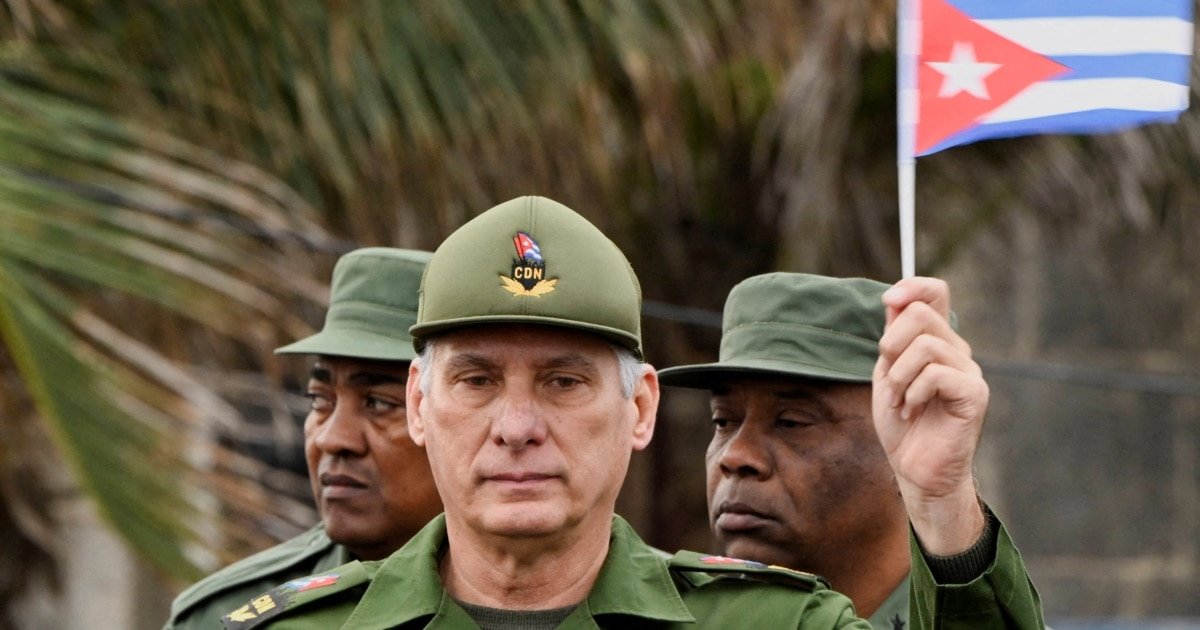
    El gobernante cubano Miguel Díaz-Canel negó que su figura constituya un obstáculo en las recientes conversaciones con funcionarios estadounidenses, confirmadas por el propio régimen cubano a mediados de marzo, tras haberlas negado en múltiples ocasiones.

    “¿El presidente Díaz-Canel es un obstáculo para este proceso de diálogo o es un factor a favor?”, preguntó al sucesor del general Raúl Castro el periódico mexicano La Jornada.

    En su respuesta, el mandatario dijo que en Cuba “no se pueden personalizar procesos como estos y que existe una dirección colegiada, colectiva, que además se debe a su pueblo”.

    “A veces a uno le ponen epítetos”

    Cercano a cumplir los 66 años, este político ha generado desprecio dentro y fuera de la isla donde muchos cubanos lo llaman “dictador”, “puesto a dedo” y “Sing**”. Además cuestionan su verdadero poder al señalarlo como una figura decorativa que pone rostro a los designios de la familia Castro, que gobierna la isla desde 1959.

    “Indudablemente, uno se da cuenta de que hay manipulación mediática alrededor de esto. A veces a uno le ponen epítetos. De si uno es más o menos burócrata, o si es un obstáculo, o si uno no es flexible. Creo que eso forma parte de esta estrategia de intoxicación mediática con que se refuerza la guerra no convencional contra nuestro país, y que tiene un elemento fundamental: el asesinato de la reputación”, apuntó.

    Informes en la prensa internacional se han referido a la salida de Díaz-Canel como un requisito fundamental en el avance de las pláticas con Estados Unidos, también lo dejan fuera de juego todas las propuestas que ha hecho la sociedad civil para una eventual transición.

    “Mi continuidad”

    Sobre esto el gobernante cubano apuntó: “La decisión de dialogar con Estados Unidos es colectiva. En esa decisión no está en juego nuestro sistema político ni ninguna decisión que sea propia de nuestro pueblo y de nuestros órganos de parlamento. Por lo tanto, mi continuidad o la de cualquier otra persona que en determinado momento tenga una responsabilidad de este nivel en nuestro país, depende del pueblo. Y depende también de los representantes de ese pueblo en la Asamblea Nacional del Poder Popular, no de Estados Unidos”.

    El viernes el secretario de Estado estadounidense, Marco Rubio, al ser cuestionado sobre la situación en Cuba, dijo que “es necesario cambiar el sistema que rige el país y cambiar el modelo económico que este sigue”.

    El jefe de la diplomacia estadounidense señaló al régimen cubano como responsable principal de la crisis que atraviesa la isla: “En última instancia, la razón por la que Cuba es un desastre es porque su sistema económico no funciona. Es un sistema absurdo, y el pueblo de Cuba está sufriendo a causa de las decisiones —a causa de la falta de voluntad— de quienes gobiernan ese país para realizar los cambios necesarios que les permitan incorporarse al siglo XXI”.




    Source link

  • Hora, accesos, estaciones de Metro y más – El Financiero

    Hora, accesos, estaciones de Metro y más – El Financiero


    El partido de México vs. Portugal, amistoso de preparación para el Mundial de 2026 no solo se vive en el Estadio Banorte, también tiene una transmisión en vivo en un escenario alternativo que promete reunir a miles de aficionados: el Zócalo de la Ciudad de México.

    La plancha capitalina no solo se utiliza para ferias o para conciertos como el de Shakira, ahora se transforma para una auténtica fiesta futbolera con una megapantalla instalada para ver el juego de la Selección Mexicana.

    El enfrentamiento ante Portugal representa una prueba exigente para el combinado mexicano, que mide su nivel ante una selección europea con talento consolidado y ritmo competitivo a pesar de la ausencia de Cristiano Ronaldo.

    Paulinho, delantero de Toluca, fue convocado por Portugal para el partido vs. México. (Foto: Cuartoscuro)
    Paulinho, delantero de Toluca, fue convocado por Portugal para el partido vs. México. (Foto: Cuartoscuro) (Elizabeth Ruiz)

    ¿A qué hora inicia la transmisión del Portugal vs. México en el Zócalo de la CDMX?

    El Gobierno de la Ciudad de México informó que se va a instalar una pantalla de 25 por 14 metros en el Zócalo para la tranmisión en vivo del Portugal vs. México.

    Ariel Gómez, subsecretario de Cultura, informó que el inicio de la proyección es a las 7:00 p.m., pero recomienda llegar antes para alcanzar un mejor lugar.

    Se confirmó la presencia de Clara Brugada, Jefa de Gobierno, para el evento deportivo que funciona como previa a la transmisión de los partidos del Mundial 2026 para el FIFA Fan Festival.


    La transmisión del Portugal vs. México es gratis.

    ¿Cuáles son los accesos al Zócalo?

    Cuando hay eventos masivos en el Zócalo, regularmente se destinan determinados accesos controlados a la plancha.

    En anteriores casos, como el concierto de Shakira, la entrada fue por las calles 5 de Mayo, 20 de Noviembre, Madero y Pino Suárez.

    ¿Cómo llegar al Zócalo de la CDMX para el Portugal vs. México?

    Para llegar al Zócalo y disfrutar del partido México vs. Portugal cuentas con diferentes opciones para conseguirlo.

    En transporte público puedes utilizar el Metro, descender en las siguientes estaciones (las más cercanas) y caminar un poco:

    • Metro Allende (Línea 2/azul)
    • Metro Pino Suárez (Línea 2/azul – Línea 1/rosa)
    • Metro Bellas Artes (Línea 2/Azul)
    • Metro San Juan de Letrán (Línea 8/verde)

    Es importante mencionar que la estación México/Tenochtitlán regularmente cierra cuando el Zócalo es el escenario de un evento masivo.

    En el caso del Metrobús, puedes usar la Línea 4 (Ruta Sur) y descender en las estaciones Pino Suárez o Mercado de Sonora.

    Raúl Jiménez es uno de los jugadores insignia de la Selección Méxicana para el Mundial 2026. (Foto: Cuartoscuro)
    Raúl Jiménez es uno de los jugadores insignia de la Selección Méxicana para el Mundial 2026. (Foto: Cuartoscuro) (Fernando Carranza García)

    ¿Dónde ver México vs. Portugal en la TV?

    En caso de que no asistas al Estadio Banorte o al Zócalo para ver el partido de México vs. Portugal, puedes seguirlo en vivo en diferentes transmisiones y son las siguientes:

    • TV abierta: Canal 5 y Azteca 7
    • TV de paga: TUDN
    • Plataforma de streaming: ViX
    • Online: Azteca Deportes

    También tienes la opción de seguir la cobertura en tiempo real del juego en El Financiero Deportes.

    ¿Cuáles son los convocados para el partido de México vs. Portugal?

    Esta es la lista de convocados por Javier Aguirre para el encuentro amistoso contra la escuadra lusitana (y la de Bélgica)

    Porteros:

    • Carlos Acevedo (Santos)
    • Guillermo Ochoa (AEL Limassol)
    • Raúl ‘Tala’ Rangel (Guadalajara)

    Defensas:

    • César Montes (Lokomotiv Moscú)
    • Everardo López (Toluca)
    • Israel Reyes (América)
    • Jesús Angulo (Tigres)
    • Jesús Gallardo (Toluca)
    • Johan Vásquez (Genoa)
    • Jorge Sánchez (PAOK)
    • Richard Ledezma (Guadalajara)

    Mediocampistas:

    • Álvaro Fidalgo (Real Betis)
    • Brian Gutiérrez (Guadalajara)
    • Carlos Rodríguez (Cruz Azul)
    • Denzell García (FC Juárez)
    • Érick Sánchez (América)
    • Erik Lira (Cruz Azul)
    • Obed Vargas (Atlético de Madrid)
    • Orbelín Pineda (AEK Atenas)

    Delanteros:

    • Alexis Vega (Toluca)
    • Armando González (Guadalajara)
    • Germán Berterame (Inter Miami)
    • Guillermo Martínez (Pumas)
    • Julián Quiñones (Al-Qadsiah)
    • Raúl Jiménez (Fulham)
    • Roberto Alvarado (Guadalajara)

    Roberto Martínez, DT de Portugal, convocó a los siguientes futbolistas:

    • Porteros:
    • José Sá (Wolverhampton)

    Defensas:

    • António Silva (Benfica)
    • Diogo Dalot (Manchester United)
    • Gonçalo Inácio (Sporting)
    • João Cancelo (Barcelona)
    • Nuno Mendes (PSG)
    • Renato Veiga (Villarreal)
    • Tomás Araújo (Benfica)

    Mediocampistas:

    • Bruno Fernandes (Manchester United)
    • João Neves (PSG)
    • Mateus Fernandes (West Ham)
    • Matheus Nunes (Manchester City)
    • Pedro Gonçalves (Sporting)
    • Rúben Neves (Al-Hilal)
    • Samu Costa (Mallorca)
    • Vitinha (PSG)

    Delanteros:

    • Francisco Conceição (Porto)
    • Gonçalo Guedes (Real Sociedad)
    • Gonçalo Ramos (PSG)
    • João Félix (Al-Nassr)
    • Paulinho (Toluca)
    • Pedro Neto (Wolverhampton)
    • Ricardo Horta (Braga)
    • Trincão (Sporting)
    • Ricardo Velho (Gençlerbirligi)
    • Rui Silva (Sporting)


    Source link

  • “Cuba is next” — MercoPress

    “Cuba is next” — MercoPress


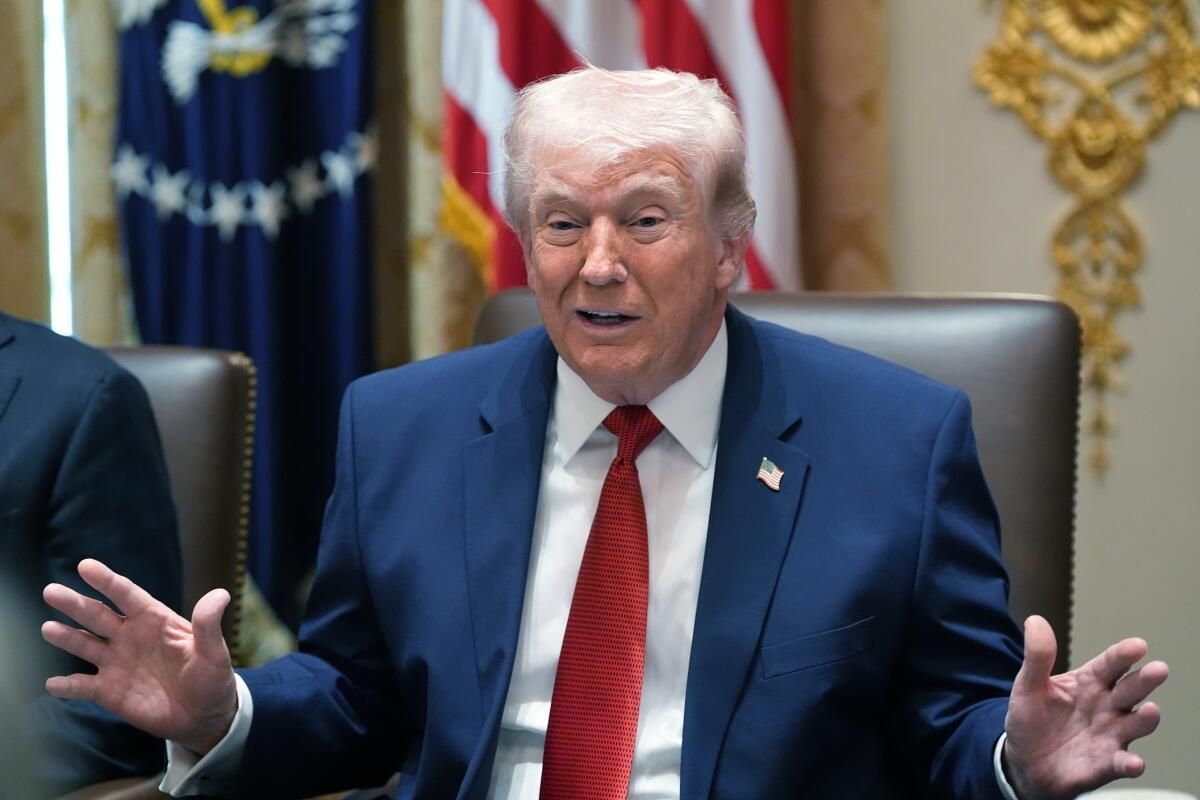
    Trump demands Iran reopen Strait of Hormuz, slams NATO and warns: “Cuba is next”

    Saturday, March 28th 2026 – 01:30 UTC


    Trump extended on Thursday the deadline for Tehran to accept his terms to April 6, “at the request of the Iranian government,” as he announced on social media
    Trump extended on Thursday the deadline for Tehran to accept his terms to April 6, “at the request of the Iranian government,” as he announced on social media

    U.S. President Donald Trump said on Friday that the military operation against Iran is “two weeks ahead” of schedule, demanded the reopening of the Strait of Hormuz, and sharply criticized European NATO allies for refusing to join the campaign. “When these times come, you learn who your real friends are,” he told an audience of a thousand investors at the FII Priority forum in Miami.

    Trump extended on Thursday the deadline for Tehran to accept his terms to April 6, “at the request of the Iranian government,” as he announced on social media. In his speech, he insisted Iran is desperate to negotiate. “They are begging to make a deal. They are 100% finished,” he stated.

    The president described military progress, saying U.S. forces are destroying weapons arsenals, missile and drone factories, and dismantling Iran’s defense industrial base. Regarding the Iranian leadership, he declared: “Their Supreme Leader is no longer supreme; he’s dead. His son is dead or in very bad shape, because nobody has heard from him.” He also jokingly referred to the Strait of Hormuz as “the Strait of Trump” before correcting himself with laughter.

    His special envoy for the Middle East, Steve Witkoff, expressed confidence that a meeting between both countries would take place next week. Secretary of State Marco Rubio said he expects the war to end “in weeks, not months.”

    Trump saved his harshest criticism for European allies. He named France, Germany, and the United Kingdom as countries he asked to help form a coalition to reopen Hormuz and which, according to him, offered excuses instead. “They told me: ‘This is not our war.’ Well, Ukraine is not our war, but we helped them,” he said in what sounded like a direct warning about Washington’s future commitment to European defense.

    In contrast, the president praised Saudi Crown Prince Mohammed bin Salman, calling him a “warrior” and “great friend.” The forum was organized by Saudi sovereign wealth fund PIF, which last year announced $600 billion in U.S. investments.

    In a moment that drew immediate attention, Trump warned: “Cuba is next, by the way.” He then asked the media to ignore the statement, only to repeat it. The threat adds to the military operation that captured former Venezuelan President Nicolás Maduro earlier this year, which Trump also described during his remarks.

    Trump spoke at the same forum where interim Venezuelan President Delcy Rodríguez had participated by videoconference two days earlier, courting investors with promises of legal certainty. The U.S. president chose to attend this event rather than join opposition leader María Corina Machado, who was present this week at the CERAWeek energy conference in Texas.

    The appearance came at a low point in Trump’s approval ratings, six months before midterm elections, and amid controversy over his having voted by mail in Florida despite pushing legislation to restrict that practice.


    Source link

  • New York court overturns $16 billion ruling against Argentina in YPF expropriation case — MercoPress

    New York court overturns $16 billion ruling against Argentina in YPF expropriation case — MercoPress


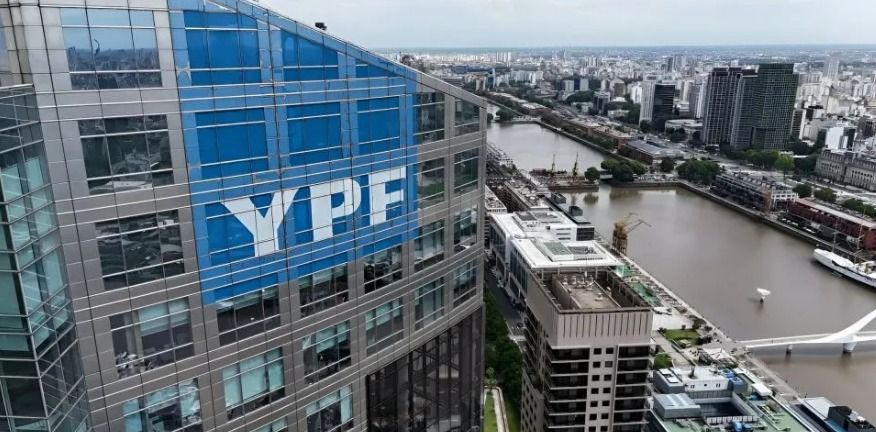
    New York court overturns $16 billion ruling against Argentina in YPF expropriation case

    Saturday, March 28th 2026 – 03:57 UTC


    The court held that trial judge Loretta Preska misinterpreted Argentine law by treating YPF's bylaws as a bilateral contract
    The court held that trial judge Loretta Preska misinterpreted Argentine law by treating YPF’s bylaws as a bilateral contract

    The U.S. Court of Appeals for the Second Circuit in New York overturned on Thursday the ruling that required Argentina to pay over $16 billion in compensation to minority shareholders of YPF for the 2012 expropriation of the oil company. The decision, issued with one dissenting vote, represents Argentina’s largest judicial victory abroad in over a decade of litigation.

    The court held that trial judge Loretta Preska misinterpreted Argentine law by treating YPF’s bylaws as a bilateral contract. “Plaintiffs’ breach-of-contract damages claims against the Republic are not cognizable under Argentina’s civil codes or under the public law governing expropriation,” the ruling states, ordering the case returned to the lower court.

    The plaintiffs — Petersen Energía and Eton Park, backed by British litigation funder Burford Capital — had argued that Argentina failed to offer them the same terms as Spain’s Repsol when the government of Cristina Fernández de Kirchner expropriated 51% of the oil company’s shares. Preska had ruled in their favor in 2023, ordering payment with interest at 5.42% annually.

    Argentina’s lead attorney, Robert J. Giuffra Jr. of Sullivan & Cromwell, said the ruling “fully vindicates Argentina’s position” and noted that Burford had acquired the litigation rights “for a mere 15 million euros and sought to turn U.S. courts into a casino through its own interpretation of Argentine law.” Following the decision, Burford’s shares plunged over 40%, while YPF’s stock rose 5%.

    President Javier Milei celebrated the ruling on social media and in a national broadcast, calling it a “historic decision” and stating that the payment Argentina avoids is equivalent to “70 million minimum pensions.” Milei blamed Fernández de Kirchner and current Buenos Aires Governor Axel Kicillof — who served as economy minister at the time of the expropriation — and announced he would send Congress a bill to reform the expropriation law.

    However, international litigation specialist Sebastián Maril warned that the case “is not legally over.” The plaintiffs can request an en banc review by the full Second Circuit or, as a final recourse, appeal to the U.S. Supreme Court. Maril also pushed back on attributing credit to the current government: “Four governments have come and gone since this case began, and all four maintained the same strategy. The credit belongs to Argentina’s Solicitor General’s office.”

    The analyst noted the ruling could set a complex precedent for international investors, given that YPF’s bylaws predated the expropriation law passed by Argentina’s Congress, potentially opening the door for other governments to follow similar steps.

    The decision arrives at a politically convenient moment for Milei, whose image has been damaged in recent weeks by the judicial investigation into the $Libra crypto scandal, which the president promoted on social media, and questions about the spending of his Cabinet Chief, Manuel Adorni.


    Source link

  • Brazil unveils first supersonic fighter jet manufactured on its soil, a milestone for Latin America — MercoPress

    Brazil unveils first supersonic fighter jet manufactured on its soil, a milestone for Latin America — MercoPress


    Brazil unveils first supersonic fighter jet manufactured on its soil, a milestone for Latin America

    Saturday, March 28th 2026 – 10:21 UTC


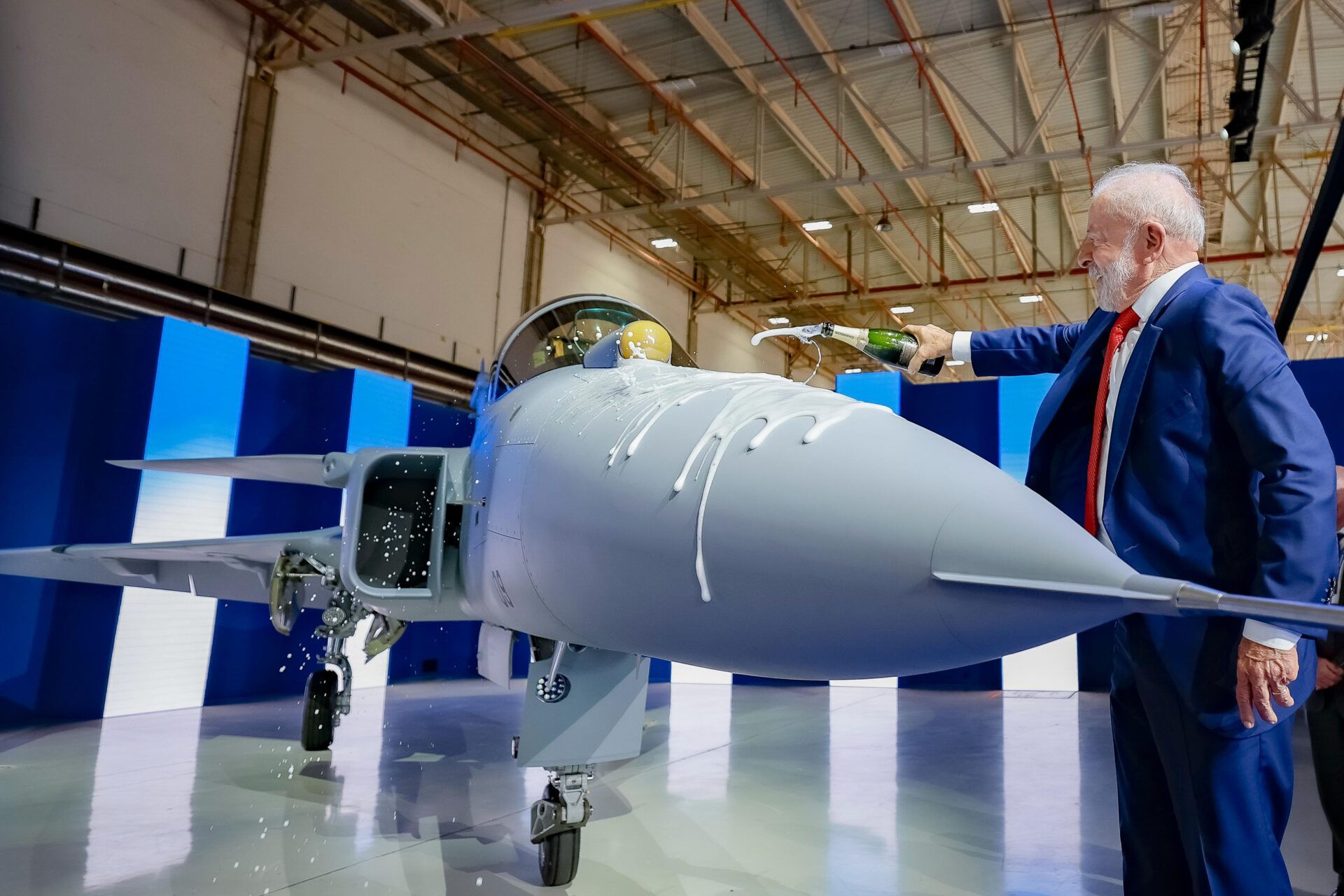
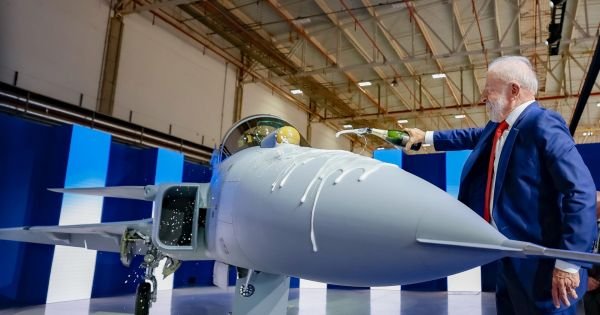
    President Luiz Inácio Lula da Silva led the ceremony and christened the aircraft by spraying a champagne bottle over the fuselage
    President Luiz Inácio Lula da Silva led the ceremony and christened the aircraft by spraying a champagne bottle over the fuselage

    Brazilian aircraft manufacturer Embraer unveiled on Wednesday the first F-39E Gripen fighter jet manufactured in Brazil, a milestone the country’s presidency called “unprecedented in Latin America.” It is the first of 15 supersonic combat aircraft Embraer will produce at its facility in Gavião Peixoto, São Paulo state, under a total contract for 36 jets ordered from Swedish firm Saab.

    President Luiz Inácio Lula da Silva led the ceremony and christened the aircraft by spraying a champagne bottle over the fuselage. “It is a highly symbolic moment, showing a country that believes in itself, invests in technology and reaffirms its sovereignty,” Lula wrote on social media.

    Defense Minister José Múcio stated during the event that “this project consolidates our deterrence capability, increasing our capacity to guarantee national sovereignty and regional security.” Vice President Geraldo Alckmin, also in attendance, noted that “the defense industry is an insurance policy for national sovereignty, while standing at the forefront of industrial development.”

    Brazil awarded the contract to Saab in 2014, choosing the Swedish Gripen over France’s Dassault Rafale and Boeing’s F/A-18 Super Hornet. The decision was the subject of an extensive investigation over corruption allegations linked to the rejection of the Rafale. Lula, who was prosecuted in connection with the case after his first terms in office (2003-2010), was ultimately acquitted for lack of evidence in 2021. The first Gripen manufactured in Sweden was delivered to the Brazilian Air Force in September 2020, with foreign-built units incorporated progressively since then.

    The fighter’s unveiling comes amid growing defense concerns in the region. Brazil, which has historically positioned itself as a peaceful nation, has increasingly focused on military capabilities given the turbulent geopolitical landscape, marked by the U.S.-Israeli war against Iran and the U.S. military intervention in Venezuela that led to the capture of former President Nicolás Maduro in January.

    The Gripen program represents a strategic bet by Brazil on technology transfer and the development of its defense industry. Local manufacturing allows Embraer to access cutting-edge combat aircraft production technology, strengthening the country’s industrial capabilities beyond commercial aviation, a sector in which the Brazilian company is already a global leader.


    Source link

  • Craig McLeish stays as St Mirren boss until end of season

    Craig McLeish stays as St Mirren boss until end of season


    The Paisley side are 10th in the Scottish Premiership, above Kilmarnock on goal difference and three points below the Dons.

    After the league trip to Celtic on 11 April, McLeish’s side will face the same opponents in the Scottish Cup semi-final at Hampden on 19 April.

    “I’m delighted to be given the opportunity to lead the group for the rest of the season,” McLeish told club media.

    “We’ve got a lot of big games to look forward to, including the cup semi-final, and I can’t wait to take part in that opportunity as well.

    “We spoke to a number of different people and Stuart ticked all the boxes with his level of experience. He’s been down in the English Premier League, has managed himself, is very good on the grass and on the coaching pitch, and is ultimately a really good person and good about the place. Everyone I spoke to spoke really highly of him.”


    Source link

  • Salgado Macedonio reconoce impedimento para buscar la gubernatura de Guerrero en 2027 por vínculo familiar – El Financiero

    Salgado Macedonio reconoce impedimento para buscar la gubernatura de Guerrero en 2027 por vínculo familiar – El Financiero


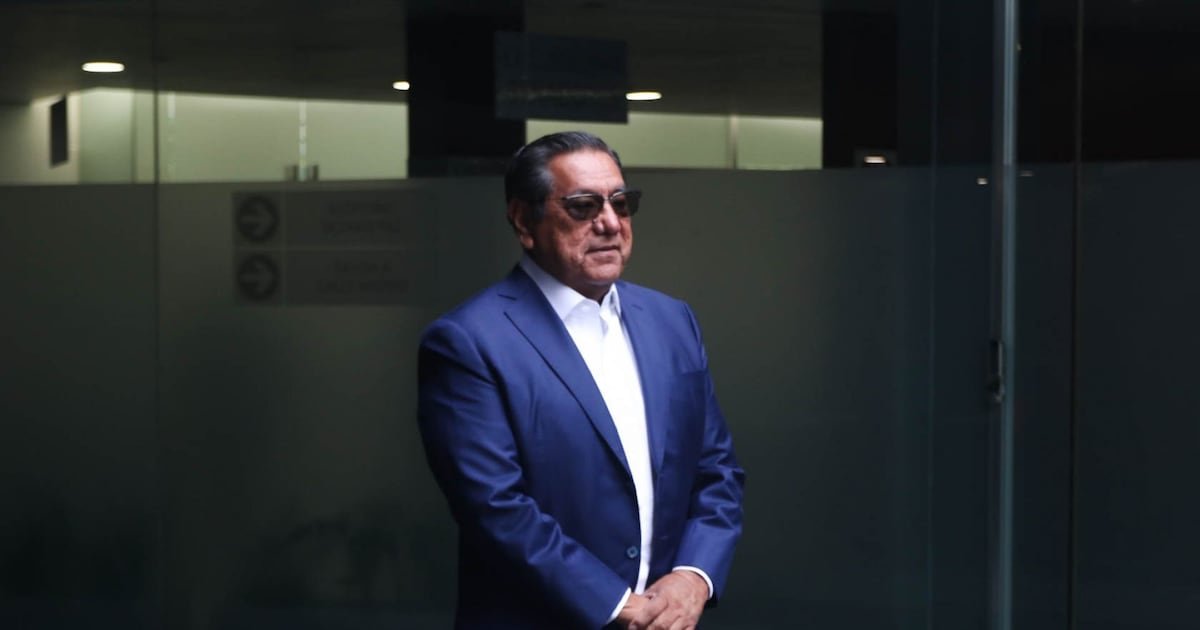
    Durante una de sus acostumbradas transmisiones en Facebook, el senador Félix Salgado Macedonio admitió que enfrenta un impedimento claro para aspirar a la gubernatura de Guerrero en 2027, al señalar que su hija, Evelyn Salgado Pineda, actual mandataria estatal, se encuentra en funciones.

    El legislador abordó las recientes declaraciones de la dirigente nacional de Morena, Luisa María Alcalde Luján, en torno a los lineamientos sobre la no reelección y el nepotismo electoral, y expresó su respaldo a las disposiciones impulsadas por su partido.

    Salgado Macedonio manifestó su satisfacción por lo aprobado en el Senado de la República en materia electoral, al considerar que, aunque no se avaló en su totalidad, se lograron avances relevantes y precisó que temas como la revocación de mandato quedaron pendientes para una etapa posterior.

    En su mensaje en redes sociales, reiteró su postura en contra de la reelección y aseguró que también se opone al nepotismo, aunque hizo una distinción entre este concepto y los cargos de elección popular.

    “Entiendo que el nepotismo implica favorecer a familiares con cargos administrativos, lo cual está tipificado como delito. Pero los puestos de elección popular derivan de la voluntad del pueblo”, explicó.

    Asimismo, recordó que las reformas sobre nepotismo y no reelección aprobadas en el Senado tendrían aplicación constitucional hasta 2030, aunque Morena ha planteado adelantarlas al proceso electoral de 2027.


    En ese contexto, el senador reconoció que los estatutos partidistas podrían impedirle competir: “Tengo un impedimento porque mi hija es gobernadora, pero me siento orgulloso de su desempeño”, expresó, al destacar que la mandataria estatal se mantiene entre los mejores evaluados del país.

    Pese a ello, dejó en claro su permanencia en el partido: “Estoy con Morena y no me voy a ir a otro instituto político, aunque haya quienes lo sugieran”.

    Salgado Macedonio responde a sus detractores

    Durante la misma transmisión, el senador también arremetió contra sus detractores, a quienes acusó de incongruencia al criticar el nepotismo mientras mantienen a familiares en cargos públicos.

    Además, cuestionó a quienes cuentan con seguridad de la Guardia Nacional, señalando que “cuando una persona es limpia, no necesita resguardo”.

    Finalmente, expresó su deseo de que Guerrero sea gobernado por perfiles con cualidades como prudencia, inteligencia y compromiso social.


    Source link

  • Brazil unveils first supersonic fighter jet manufactured on its soil, a milestone for Latin America — MercoPress

    Brazil unveils first supersonic fighter jet manufactured on its soil, a milestone for Latin America — MercoPress


    Brazil unveils first supersonic fighter jet manufactured on its soil, a milestone for Latin America

    Saturday, March 28th 2026 – 10:21 UTC


    President Luiz Inácio Lula da Silva led the ceremony and christened the aircraft by spraying a champagne bottle over the fuselage
    President Luiz Inácio Lula da Silva led the ceremony and christened the aircraft by spraying a champagne bottle over the fuselage

    Brazilian aircraft manufacturer Embraer unveiled on Wednesday the first F-39E Gripen fighter jet manufactured in Brazil, a milestone the country’s presidency called “unprecedented in Latin America.” It is the first of 15 supersonic combat aircraft Embraer will produce at its facility in Gavião Peixoto, São Paulo state, under a total contract for 36 jets ordered from Swedish firm Saab.

    President Luiz Inácio Lula da Silva led the ceremony and christened the aircraft by spraying a champagne bottle over the fuselage. “It is a highly symbolic moment, showing a country that believes in itself, invests in technology and reaffirms its sovereignty,” Lula wrote on social media.

    Defense Minister José Múcio stated during the event that “this project consolidates our deterrence capability, increasing our capacity to guarantee national sovereignty and regional security.” Vice President Geraldo Alckmin, also in attendance, noted that “the defense industry is an insurance policy for national sovereignty, while standing at the forefront of industrial development.”

    Brazil awarded the contract to Saab in 2014, choosing the Swedish Gripen over France’s Dassault Rafale and Boeing’s F/A-18 Super Hornet. The decision was the subject of an extensive investigation over corruption allegations linked to the rejection of the Rafale. Lula, who was prosecuted in connection with the case after his first terms in office (2003-2010), was ultimately acquitted for lack of evidence in 2021. The first Gripen manufactured in Sweden was delivered to the Brazilian Air Force in September 2020, with foreign-built units incorporated progressively since then.

    The fighter’s unveiling comes amid growing defense concerns in the region. Brazil, which has historically positioned itself as a peaceful nation, has increasingly focused on military capabilities given the turbulent geopolitical landscape, marked by the U.S.-Israeli war against Iran and the U.S. military intervention in Venezuela that led to the capture of former President Nicolás Maduro in January.

    The Gripen program represents a strategic bet by Brazil on technology transfer and the development of its defense industry. Local manufacturing allows Embraer to access cutting-edge combat aircraft production technology, strengthening the country’s industrial capabilities beyond commercial aviation, a sector in which the Brazilian company is already a global leader.


    Source link

  • over 10,000 Colombians recruited as mercenaries in the past decade — MercoPress

    over 10,000 Colombians recruited as mercenaries in the past decade — MercoPress


    UN warns: over 10,000 Colombians recruited as mercenaries in the past decade

    Saturday, March 28th 2026 – 10:27 UTC


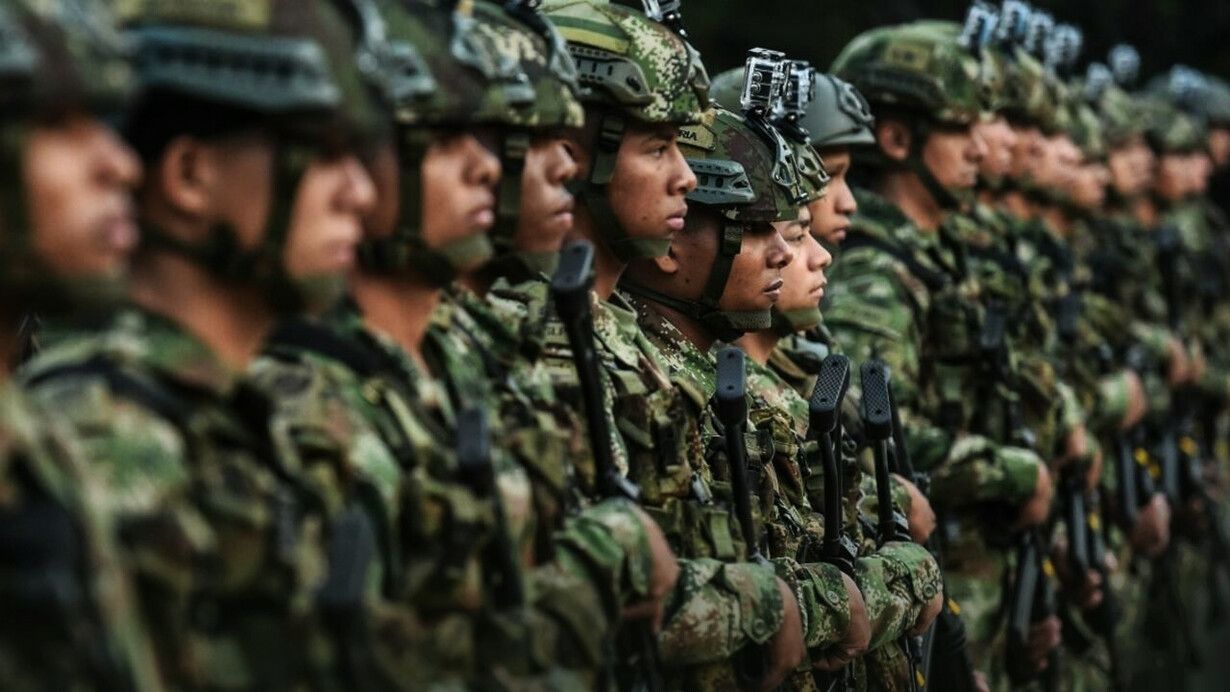
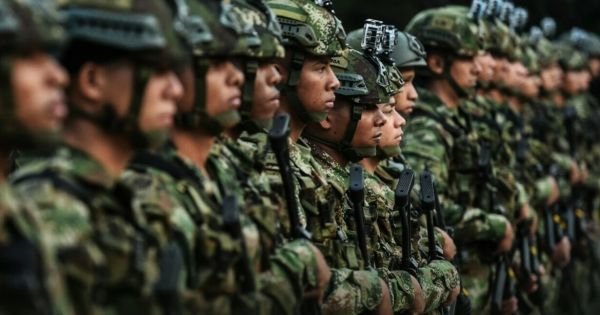
    Soldiers of the Colombian National Army at attention. Photo: AFP
    Soldiers of the Colombian National Army at attention. Photo: AFP

    A UN expert group on mercenaries warned on Friday of a significant increase in the recruitment of Colombian mercenaries, driven by the proliferation of armed conflicts worldwide. After an 11-day visit to Colombia, the body estimated that more than 10,000 citizens — nearly all former military and police personnel — have been recruited abroad over the past decade, with offers ranging from $2,000 to $6,000 per month.

    “The proliferation of conflicts in the world has increased demand and, consequently, supply. There is a very diversified demand, and Colombians are filling it,” said expert Joana de Deus Pereira at a press conference in Bogotá, specifically citing the Middle East escalation, the war in Sudan, and Russia’s invasion of Ukraine.

    Group chair Michelle Small explained that former Colombian military personnel are highly sought after in the global market. “After the demobilization processes of the FARC and paramilitaries, Colombia found itself with a large number of people trained for combat entering civilian life,” she stated. The primary motivation is economic, with salaries far exceeding military pensions in Colombia. Offers come from private security companies, national armies, and paramilitary organizations.

    Much of the recruitment takes place through social media. Platforms such as Facebook, Instagram, Telegram, TikTok, and WhatsApp serve as common channels due to their accessibility and the difficulty of tracking them. The delegation also warned of growing predatory or deceptive recruitment, with companies paying far less than advertised or using fake job contracts. “This type of recruitment can constitute labor exploitation and human trafficking,” Small noted.

    During the group’s visit, which ran from March 16 to 27, the Colombian government signed Law 2569, ratifying the international convention on the use of mercenaries and seeking to prohibit their recruitment and financing. The legislation had been approved by Congress in December and required President Gustavo Petro’s signature to take effect.

    However, the group’s preliminary report identified gaps in state oversight. The experts pointed to “limited financial and human resources, along with weak supervision and a lack of presence in remote areas” within the Superintendency of Private Security and Surveillance. Colombia has approximately 1,300 private security companies with over 400,000 employees, not counting informal firms that evade all oversight. They also flagged more than 60,000 unlicensed weapons in circulation.

    The group expressed concern for over 600 families actively seeking news of relatives recruited as mercenaries or volunteers in foreign wars. Many report deaths, disappearances, or kidnappings, and the Colombian government has faced significant difficulties obtaining information through diplomatic channels. Body repatriation remains exceptional, as most are never located or remain buried in foreign territory.

    The group will present its final conclusions to the UN Human Rights Council in September.


    Source link

  • over 10,000 Colombians recruited as mercenaries in the past decade — MercoPress

    over 10,000 Colombians recruited as mercenaries in the past decade — MercoPress


    UN warns: over 10,000 Colombians recruited as mercenaries in the past decade

    Saturday, March 28th 2026 – 10:27 UTC


    Soldiers of the Colombian National Army at attention. Photo: AFP
    Soldiers of the Colombian National Army at attention. Photo: AFP

    A UN expert group on mercenaries warned on Friday of a significant increase in the recruitment of Colombian mercenaries, driven by the proliferation of armed conflicts worldwide. After an 11-day visit to Colombia, the body estimated that more than 10,000 citizens — nearly all former military and police personnel — have been recruited abroad over the past decade, with offers ranging from $2,000 to $6,000 per month.

    “The proliferation of conflicts in the world has increased demand and, consequently, supply. There is a very diversified demand, and Colombians are filling it,” said expert Joana de Deus Pereira at a press conference in Bogotá, specifically citing the Middle East escalation, the war in Sudan, and Russia’s invasion of Ukraine.

    Group chair Michelle Small explained that former Colombian military personnel are highly sought after in the global market. “After the demobilization processes of the FARC and paramilitaries, Colombia found itself with a large number of people trained for combat entering civilian life,” she stated. The primary motivation is economic, with salaries far exceeding military pensions in Colombia. Offers come from private security companies, national armies, and paramilitary organizations.

    Much of the recruitment takes place through social media. Platforms such as Facebook, Instagram, Telegram, TikTok, and WhatsApp serve as common channels due to their accessibility and the difficulty of tracking them. The delegation also warned of growing predatory or deceptive recruitment, with companies paying far less than advertised or using fake job contracts. “This type of recruitment can constitute labor exploitation and human trafficking,” Small noted.

    During the group’s visit, which ran from March 16 to 27, the Colombian government signed Law 2569, ratifying the international convention on the use of mercenaries and seeking to prohibit their recruitment and financing. The legislation had been approved by Congress in December and required President Gustavo Petro’s signature to take effect.

    However, the group’s preliminary report identified gaps in state oversight. The experts pointed to “limited financial and human resources, along with weak supervision and a lack of presence in remote areas” within the Superintendency of Private Security and Surveillance. Colombia has approximately 1,300 private security companies with over 400,000 employees, not counting informal firms that evade all oversight. They also flagged more than 60,000 unlicensed weapons in circulation.

    The group expressed concern for over 600 families actively seeking news of relatives recruited as mercenaries or volunteers in foreign wars. Many report deaths, disappearances, or kidnappings, and the Colombian government has faced significant difficulties obtaining information through diplomatic channels. Body repatriation remains exceptional, as most are never located or remain buried in foreign territory.

    The group will present its final conclusions to the UN Human Rights Council in September.


    Source link

Translate »
Share via
Copy link