Trump extends Iran truce, demands unified proposal from Tehran to negotiate
The White House said Vice President J. D. Vance would not travel to Pakistan for the time being for a second round of peace talks
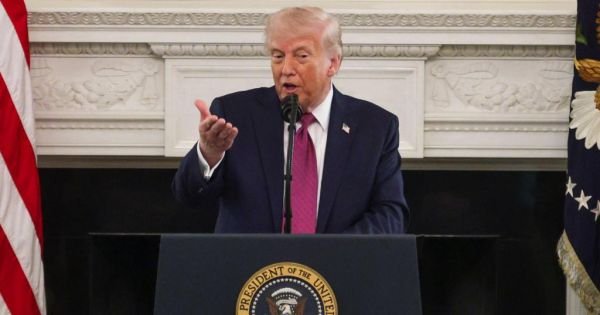
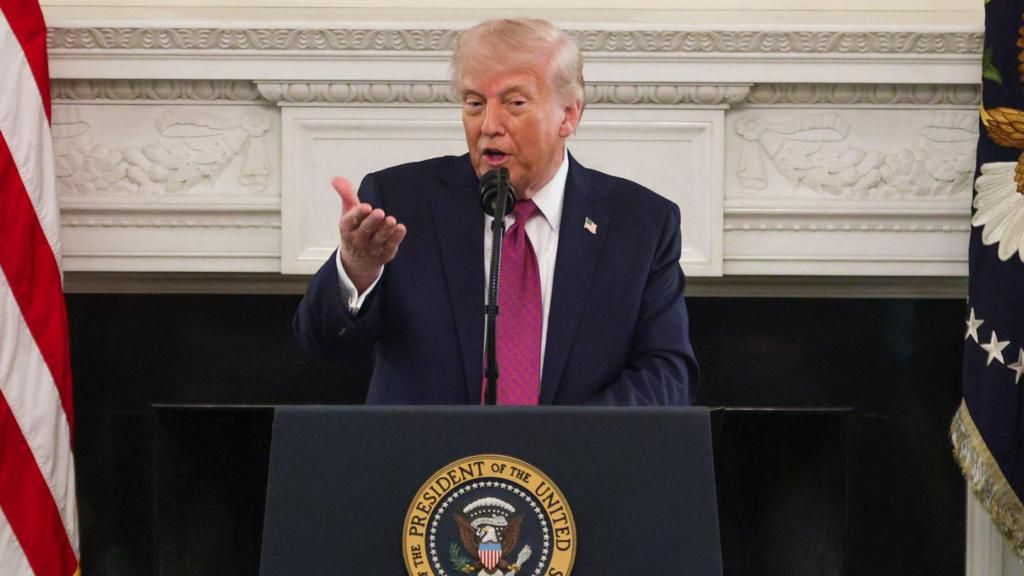
US President Donald Trump on Tuesday announced an indefinite extension of the ceasefire with Iran, hours before the two-week truce was set to expire, but maintained the naval blockade on Iranian ports and conditioned any diplomatic progress on Tehran presenting a unified proposal to resume negotiations.
Based on the fact that the government of Iran is seriously fractured, something not unexpected, and at the request of Field Marshal Asim Munir and Prime Minister Shehbaz Sharif of Pakistan, we have been asked to suspend our attack against the country of Iran until their leaders and representatives can put together a unified proposal, Trump wrote on Truth Social.
I have therefore ordered our military to continue with the blockade and, in all other respects, to remain ready and prepared, and I will accordingly extend the ceasefire until such proposal is presented and talks conclude, one way or another, he added.
The decision marked a reversal from what Trump himself had said hours earlier in a CNBC interview, where he stated he did not intend to extend the truce. I don’t want to do that. We don’t have that much time, he said then. Iran can put itself in a very strong position if they reach a deal, he added, warning that without an agreement he would resume the bombings against the Islamic Republic.
The White House said Vice President J. D. Vance would not travel to Pakistan for the time being for a second round of peace talks. The first round, held in Islamabad on the weekend of April 12 and led by Vance, collapsed after 21 hours of negotiations. The main sticking point was Iran’s nuclear program.
Trump met with his National Security team at the White House before announcing the extension. In addition to Vance, attendees included Secretary of State Marco Rubio, Defense Secretary Pete Hegseth and envoys Steve Witkoff and Jared Kushner.
Iranian parliamentary speaker Mohammad Bagher Ghalibaf, who leads Tehran’s negotiating delegation, responded in the early hours of Tuesday that his country does not accept negotiations under the shadow of threats.
The war, launched on February 28 with US-Israeli airstrikes against Iran, is now 52 days old. The US naval blockade in the Gulf of Oman, in effect since April 13, has forced 25 commercial vessels to change course. On Sunday, the US Navy seized for the first time an Iranian cargo ship, the Touska, after firing on its engine room in the Gulf of Oman. Iran called the act piracy and vowed retaliation.
Iran, for its part, reimposed strict control over the Strait of Hormuz on Saturday — through which a fifth of the world’s oil transits — less than 24 hours after announcing its reopening. No tankers crossed the strait on Sunday, according to maritime tracking data.
Pakistan has intensified its mediating role. Prime Minister Sharif met this week with Saudi Crown Prince Mohammed bin Salman and traveled to Qatar and Turkey, while Pakistan’s army chief visited Tehran.