Argentine VP tells islanders to ‘go back to England’ as US presses UK over F-16 jets
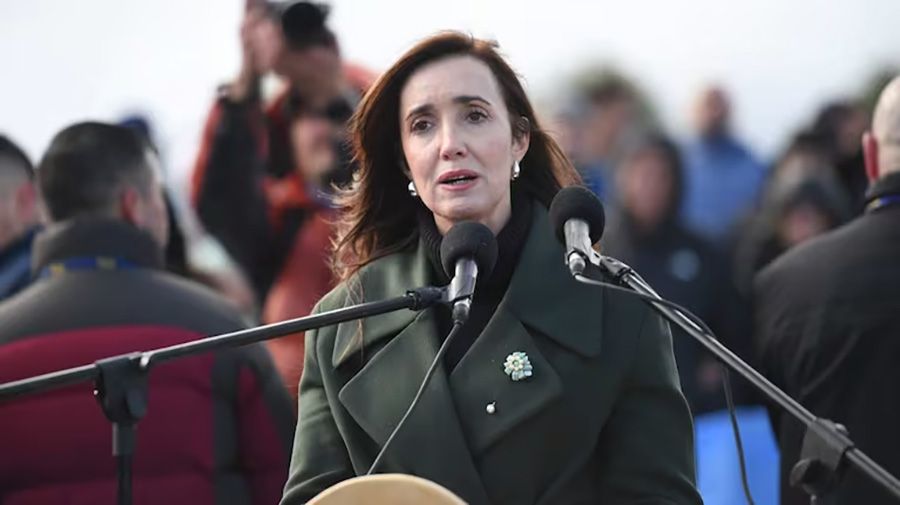
Villarruel made the statement despite despite the fact that in the 2013 referendum islanders voted by a 99.8% majority to remain British
The Falklands sovereignty dispute returned to the centre of the diplomatic agenda this week with two developments of immediate impact: comments by Argentine Vice President Victoria Villarruel demanding that islanders go back to England if they feel English — despite the fact that in the 2013 referendum islanders voted by a 99.8% majority to remain British — and a disclosure published by The Telegraph that the United States had pressured the British government to tolerate the delivery to Argentina of F-16 fighter jets sourced from allied territory.
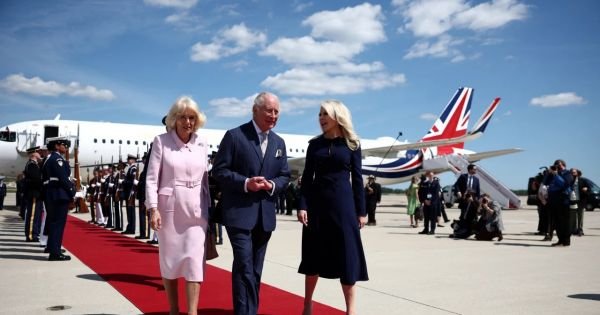
Both events follow the leak of an internal Pentagon memorandum published last Friday by Reuters, which considered reviewing US historic backing for British sovereignty over the islands as retaliation for the United Kingdom’s lack of support in the war against Iran. The coverage coincided with the first day of King Charles III’s state visit to the United States.
The Vice President’s statements came in a series of posts on social media platform X. Today more than ever, the Falklands are Argentine, she wrote in response to the Pentagon memo. In a subsequent message, she argued that the discussion over the sovereignty of our islands is between states, which is why the United Kingdom must discuss bilaterally with Argentina the claim we maintain on legal, historical and geographic grounds. When a user stated that the islanders are Argentine, Villarruel replied: If they feel English, let them return to where their country is, thousands of kilometres away. The remarks fit within a long-standing Argentine diplomatic doctrine that views the current population as a transplanted community installed after 1833 and therefore not a legitimate third party in the dispute.
The British press carried the comments as front-page coverage in major newspapers. The Times, The Independent, Daily Mail, The Telegraph, and The Sun framed the words as a frontal attack or a coordinated diplomatic offensive by the Milei administration, in a political context already strained by the prospect of Washington abandoning its historic backing for Britain’s claim.
London responded through the official spokesperson of Prime Minister Keir Starmer, who said the United Kingdom’s position is clear and will not change, and through Foreign Secretary Yvette Cooper, in remarks reported by Daily Mail: The Falklands are British. Sovereignty rests with the UK and self-determination with the islanders. We could not be clearer. The Falkland Islands government reiterated its complete confidence in Britain’s commitment to defending the right to self-determination. The British position rests on the referendum held in the islands in March 2013, in which 99.8% of inhabitants voted to retain their status as a British Overseas Territory, on a 92% turnout, a consultation that Argentina has never recognized as valid.
The military dimension added a further layer of complexity. According to The Telegraph, three sources consulted by the newspaper said the Foreign Office had been pressed in bilateral meetings to accept an arrangement under which the United States would arm Argentina with F-16 fighter jets. There were meetings in the UK and Britain was told in no uncertain terms that this is what the deal would be, one source said. Argentina received a first delivery of US F-16 jets from Denmark late last year, in an operation the newspaper described as a rare instance of Western allies arming Buenos Aires. The United Kingdom has maintained since 1982 a strict ban on the export of weapons or components to Argentina because of the sovereignty dispute.
Britain’s Conservative opposition closed ranks with the Labour government. Conservative Party leader Kemi Badenoch described the positions attributed to the Trump administration as absolute nonsense and reaffirmed that sovereignty is British sovereignty. Reform UK leader Nigel Farage announced he would travel to Argentina in the autumn to personally tell President Javier Milei that the issue is non-negotiable. Argentine Foreign Minister Pablo Quirno, for his part, reiterated Buenos Aires’s willingness to resume bilateral negotiations with the United Kingdom that will allow finding a peaceful and definitive solution.
The 1982 Falklands War left 649 Argentine soldiers, 255 British personnel, and three civilian islanders dead. In that conflict, the administration of then-US President Ronald Reagan backed British Prime Minister Margaret Thatcher, a precedent of extraordinary relevance amid the possibility that the current White House could reverse that historic position.