Author: americalatinanews.com

  • The United States Attacks Venezuela And Kidnaps Its President

    The United States Attacks Venezuela And Kidnaps Its President


    By Taroa Zúñiga and Vijay Prashad

    News Americas, NEW YORK, NY, Sat. Jan. 3, 2026: A little after 2 a.m. Venezuela time, January 3, 2026, in violation of Article 2 of the United Nations Charter, the United States began attacking several sites in the country, including Caracas, the capital. Residents awoke to loud noises and flashes, as well as large helicopters in the sky. Videos began to appear on social media, but without much context. Confusion and rumor flooded social media.
    venezuela-military-patrol-streets-after-us-attack
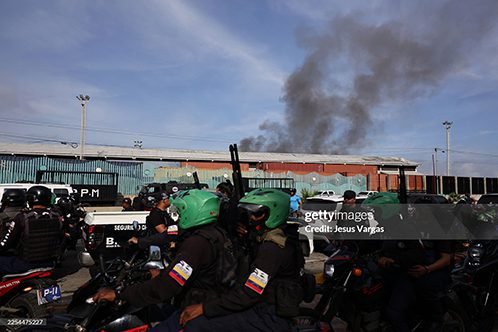
    Members of Cuadrantes De La Paz patrol the surroundings of the Port of La Guaira after explosions and low-flying aircraft were heard on January 03, 2026 in La Guaira, Venezuela. According to some reports, explosions were heard in Caracas and other cities near airports and military bases around 2 am. US President Donald Trump later announce that his country’s military had launched a “large-scale” attack on Venezuela and captured its President Nicolas Maduro and his wife. (Photo by Jesus Vargas/Getty Images)

    Within an hour, the sky was quiet. US President Donald Trump announced that his forces had conducted attacks on Venezuela and had seized President Nicolas Maduro Moro and his wife Cilia Flores. A short while later, Venezuela’s Vice President Delcy Rodriquez confirmed that the whereabouts of Maduro and Flores are unknown. The US Attorney General Pamela Bondi confirmed that Maduro and Flores were in the United States and had been charged with ‘Narco-Terrorism Conspiracy’.
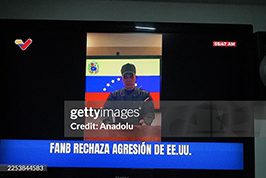
    A woman watches a public television screen broadcasting Venezuelan Defense Minister Vladimir Padrino’s address to the nation as U.S. President Donald Trump said Venezuelan President Nicolas Maduro had been captured and was being removed from the country, in Caracas, Venezuela on January 3, 2026. (Photo by Boris Vergara/Anadolu via Getty Images)

    The outcome of this attack on Venezuela is unclear. The government remains in control, even with the President having been kidnapped and with the people of Venezuela in shock but defiant; it is unclear if the United States will strike again, or if the US government has a clear political plan for the aftermath of this strike.
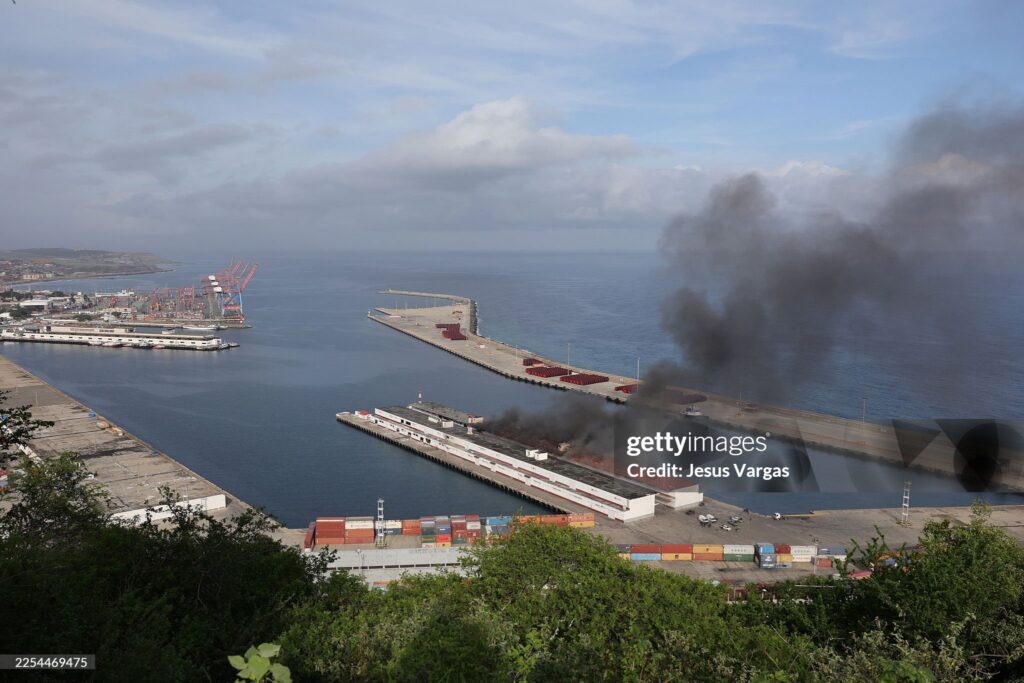
    Smoke rises from Port of La Guaira after explosions and low-flying aircraft were heard on January 3, 2026 in Caracas, Venezuela. (Photo by Jesus Vargas/Getty Images)

    The War Against Venezuela

    The attack on January 3rd is not the first against Venezuela. In fact, the pressure campaign began in 2001 when the government of Hugo Chávez enacted a Hydrocarbons Law in accordance with the sovereignty provisions in the Bolivarian Constitution of 1999. That campaign had the following aspects – this is an illustrative and not a comprehensive list:

    1. (2001) US funding of anti-Bolivarian social and political groups through the National Endowment for Democracy and USAID.
    2. (2002) US role in the attempted coup d’état.
    3. (2002) Creation by USAID’s Office of Transition Initiatives of a Venezuela program.
    4. (2003-2004) Funding and political direction for the work of Súmate (led by Maria Corina Machado) to recall Chávez by referendum.
    5. (2004) Development of a 5-Point Strategy to ‘penetrate’ Chávez’s base, ‘divide’ Chavismo, ‘isolate’ Chávez, build up groups such as Súmate, and ‘protect vital US business interests’.
    6. (2015) US President Barack Obama signs an executive order that declares Venezuela to be an ‘extraordinary threat’, which is the legal basis for the sanctions that follows.
    7. (2017) Venezuela banned from access to US financial markets.
    8. (2018) International banks and shipping companies pressured to over-comply with illegal US sanctions, while Bank of England seized the Venezuelan Central Bank gold reserves.
    9. (2019) Create an ‘interim’ government by ‘appointing’ Juan Guaidó as the US authorized president and organize a (failed) uprising, and freeze Venezuela’s ability to sell oil as well as seize its oil assets overseas.
    10. (2020) Attempt to kidnap Maduro through Operation Gideon (and by placing a bounty for his capture), while the US put a ‘maximum pressure’ campaign on Venezuela during the pandemic (including International Monetary Fund denial of Venezuela’s own reserves).
    11. (2025) Gift of the Nobel Peace Prize to Maria Corina Machado with the Nobel Committee saying that Maduro should leave office.
    12. (2025-2026) The attacks on small boats off the coast of Venezuela, the positioning of an armada to form an embargo of Venezuela, and the seizure of oil tankers from Venezuela.

    The attack on January 3rd is part of this war that began in 2001 and will continue long after the engines of the Chinook helicopters cool down.
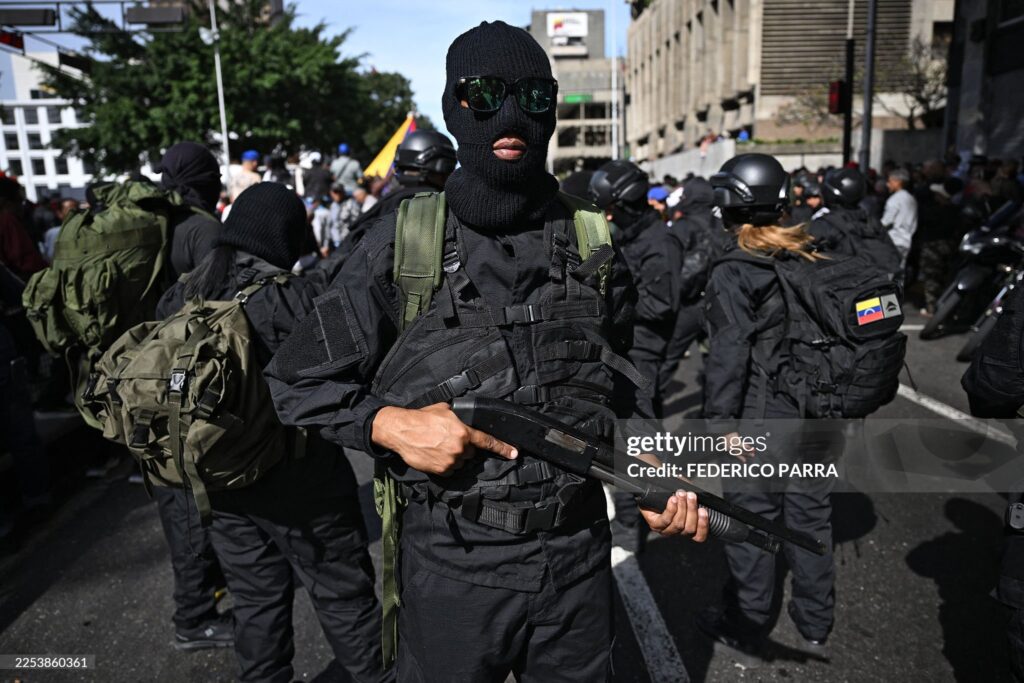
    Armed supporters of Venezuela’s President Nicolas Maduro gather near the Miraflores presidential palace in Caracas on January 3, 2026, after US forces captured him. President Donald Trump said Saturday that US forces had captured Venezuela’s leader Nicolas Maduro after bombing the capital Caracas and other cities in a dramatic climax to a months-long standoff between Trump and his Venezuelan arch-foe. (Photo by Federico PARRA / AFP via Getty Images)

    The Eagle Is Angry

    When the United States government decides to act unilaterally, whether against Iraq in 2003 or Venezuela between 2001 and 2026, no other force has been able to stop it currently. In 2003, millions of people – including in the United States – marched on the streets to demand no war, and most governments in the world cautioned against the war, but the governments of George W. Bush and Tony Blair (of the United Kingdom, acting as his no. 2) went ahead with their illegal war. This time, major powers informed the United States that a war in South America and the Caribbean would be immensely destabilizing: this was the view of leaders who govern countries that neighbor Venezuela, (Brazil and Colombia), and major powers such as China, (whose special envoy – Qiu Xiaoqi – met with Maduro only hours before the US attack). Not only could the world not stop the US in 2003, but it has also been unable to stop the US between 2001 and now in its obsessive war for oil against Venezuela.

    The attack on Venezuela was timed so that Trump could stand before the US houses of Congress this month to give his annual address, and claim that he has scored a major victory. This is not a victory. It is just another example of unilateralism that will not improve the situation in the world. The US illegal war on Iraq ended with the US forced to withdraw after a million civilians had been killed in a ruthless decade; the same transpired in Afghanistan and Libya – two countries ruined by the American Eagle.

    It is impossible to imagine a different future for Venezuela if the United States continues with its bombing and sends ground troops into the country. No good comes from these ‘regime change wars’, and none will come here either. There is a reason why Brazil and Colombia are uneasy with this attack, because they know that the only outcome will be long-term destabilization in the entire northern half of South America, if not in the entire region of Latin America. This is precisely what has transpired in the northern half of Africa – Trump’s bombing of Nigeria is part of the detritus of the 2011 NATO bombing of Libya.

    Trump will get his standing ovation at the US Congress, but the price for that has already been paid by hundreds of dead civilians in Venezuela and millions more who are struggling to survive the long-term hybrid war imposed by the United States on Venezuela for the past two decades.

    EDITOR’S NOTE: This article was written by Globetrotter. Taroa Zúñiga Silva is a writer and Spanish media coordinator for Globetrotter. She is the director of the publishing house La Trocha and a member of the Mecha cooperative, a project of the Liberation Communication Army. She is co-editor, along with Giordana García Sojo, of the book Venezuela, vortex of the 21st-century war (2020).

    Vijay Prashad is an Indian historian, editor, and journalist. He is a member of the editorial board and chief correspondent for Globetrotter. He is editor-in-chief of LeftWord Books and director of the Tricontinental Institute for Social Research. He has written more than 20 books, including Dark Nations and Poor Nations. His most recent books are Fighting Makes Us Human: Learning from Movements for Socialism, The Retreat: Iraq, Libya, Afghanistan, and the Fragility of American Power, and On Cuba: 70 Years of Revolution and Struggle (the latter two co-authored with Noam Chomsky).

    Source: Globetrotter


    Source link

  • Caribbean Airspace Closure Trigger Mass Flight Cancellations As Regional Tensions Rise

    Caribbean Airspace Closure Trigger Mass Flight Cancellations As Regional Tensions Rise


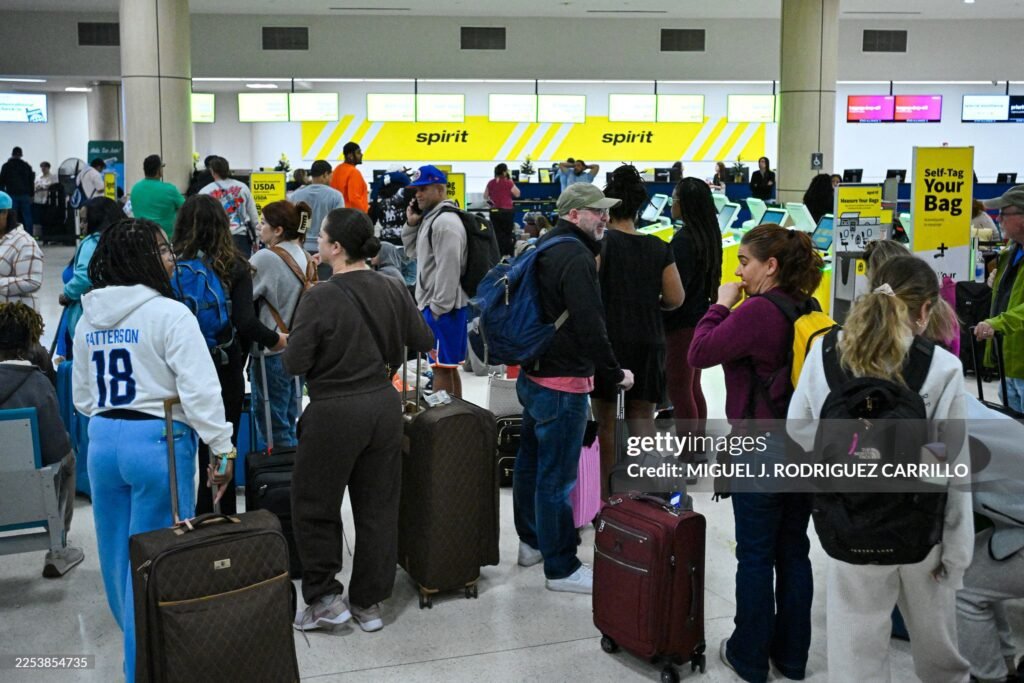
    News Americas, NEW YORK, NY, Jan. 3, 2026: Hundreds of commercial flights across the United States and the Caribbean were cancelled late Friday and into today as escalating security concerns linked to military activity near Venezuela triggered widespread Caribbean airspace closure, disrupting travel across key Caribbean hubs.

    passengers-at-puerto-rico-airport-amid-cancellations-jan-3-2026
    Passengers wait at Luis Munoz Marin International Airport as all flights are cancelled following US military action in Venezuela, on January 3, 2026, in Carolina, Puerto Rico. President Donald Trump said Saturday that US forces had captured Venezuelan leader Nicolas Maduro after launching a “large scale strike” on the South American country. (Photo by Miguel J. Rodriguez Carrillo / AFP via Getty Images).”

    At least 613 flights were cancelled system-wide, according to flight tracking data, with Caribbean-bound routes among the hardest hit. The most severe impact was felt at Luis Muñoz Marín International Airport in San Juan, Puerto Rico, where 267 flights were grounded, stranding thousands of travelers.

    U.S. carriers including American Airlines and JetBlue Airways issued travel waivers for affected passengers. JetBlue confirmed it had cancelled approximately 215 flights systemwide, citing government-mandated Caribbean airspace restrictions related to ongoing military activity.

    “Due to airspace closures across the Caribbean related to military activity, we have canceled approximately 215 flights systemwide,” JetBlue said in a statement, noting that flights to Jamaica and the Dominican Republic were not affected by the restrictions. Impacted customers were offered rebooking options or refunds.

    FAA Expands No-Fly Zones Across Southern Caribbean

    In addition to prohibiting U.S. civil aviation operations over Venezuela, the Federal Aviation Administration (FAA) extended flight restrictions to include portions of the Curaçao, San Juan, and Piarco Flight Information Regions, which cover large swaths of the southern Caribbean airspace.

    The restrictions affect air corridors serving several Caribbean territories though airlines warned disruptions could continue as long as regional security concerns persist.

    European Carriers Also Affected

    European airline KLM also warned of disruptions through Tuesday, Jan. 6, citing the deteriorating security situation surrounding Venezuela. The carrier said flights to, from, or via Aruba, Bonaire, Barbados (Bridgetown), Curaçao, Georgetown (Guyana), Port of Spain (Trinidad), and Sint Maarten could be impacted.

    KLM advised passengers with tickets issued on or before Jan. 3, 2026 to rebook travel by Jan. 11 or request refunds or travel vouchers valid for one year across its partner airlines, including Air France, Delta, and Virgin Atlantic.

    Caribbean Airlines Reports No Disruptions

    Despite the widespread cancellations, Caribbean Airlines reported no operational disruptions to its flight schedule as of today.

    Regional Fallout Continues

    The airspace closures underscore how geopolitical tensions in and around Venezuela are rippling across the Caribbean, affecting tourism, commerce, and diaspora travel during one of the region’s busiest travel periods.

    Travelers are being urged to check directly with their airlines for real-time updates as authorities continue to monitor the evolving security situation.

    CARICOM

    A brief statement issued by the CARICOM Secretariat said that the 15-member regional integration grouping “is actively monitoring the situation which is of grave concern to the Region with possible implications for neighboring countries.

    “CARICOM will continue to update the people of the region as more information is received,” the two paragraph statement added.


    Source link

  • Cuba denounces attack on Venezuela as an act of state terrorism

    Cuba denounces attack on Venezuela as an act of state terrorism


    In the event held at the Anti-Imperialist Tribune in Havana, the Cuban leader stressed that the operation, carried out treacherously in the early hours of Saturday morning, is part of a neo-fascist strategy aimed at imposing regime change and seizing Venezuelan natural resources, particularly its oil. “This is not about fighting narco-terrorism, as they falsely claim, but about destroying a project of integration and resistance that was born with Commander Hugo Chavez,” he asserted.

    The head of state categorically rejected the Monroe Doctrine and any extraterritorial claims over Latin American territory, while demanding that the United States provide immediate proof of life for Nicolas Maduro and his wife.

    He also compared the action to the crimes against humanity committed by Israeli Zionism in Gaza, highlighting its illegal, immoral, and international law violations.

    “This is not just an attack against Venezuela, it is a threat against all of humanity,” he warned, calling on the international community to mobilize unequivocally against the advance of modern fascism disguised as foreign policy.

    Cuba, he reaffirmed, is prepared to defend, “with its own blood if necessary, the independence of Our America.”

    jdt/npg/mks


    Source link

  • Celtic 1-3 Rangers: ‘Haunted Nancy detached from reality as Celtic’s lights go out’

    Celtic 1-3 Rangers: ‘Haunted Nancy detached from reality as Celtic’s lights go out’


    Rangers were far from great, but they were dogged and they hung in there and when their chances came they buried them. Youssef Chermiti, of all people, was the chief tormentor. In nine pulsating minutes he doubled his total for the season and wrote his name into a new kind of Rangers pantheon – from zero to hero.

    Nancy spoke later and in trying to talk his way through the latest submission from his team he only reaffirmed his sense of distance from footballing reality.

    He mentioned that Celtic “deserved more” than a 3-1 loss, when they didn’t. Not taking their chances when they had them was on Celtic, not anybody else. Deserve had nothing to do with it. It was the Celtic board who created a situation where their manager was left with scant options upfront. From meagre rations, he plumped for Johnny Kenny. It didn’t work out.

    The Frenchman made some comments about the loss not being about players and tactics. “It’s about moments, it’s about details,” he said, as if moments and details exist in a parallel universe from players and managers.

    “It’s not about myself,” he said. Well, it is, but to a point. It’s also about the players he has confused and bewildered with his ill-fitting shape and the ideology he refuses to alter no matter how befuddled things become.

    On Friday, he made much of how difficult it’s been to introduce his system without a pre-season to bed-in his ideas. He didn’t have a pre-season to work with his players and he didn’t have a transfer window to bring in more players that could play his system. And yet he pressed on with the system regardless. Stubbornness? Arrogance? Naivety? All three at once?

    Danny Rohl went into Rangers, surveyed what he had and got pragmatic. Like Nancy, he needs new players, too. Many of them. But he’s found a way to drag his team forward when his counterpart has only succeeded in taking his players backwards in the pursuit of something that only he can see.

    The soft progress achieved under Martin O’Neill has been sacrificed on the altar of “process” and some self-regarding notion that Nancy is a visionary who’s building a footballing monument.


    Source link

  • Cuban institutions condemn US aggression against Venezuela

    Cuban institutions condemn US aggression against Venezuela


    Addressing hundreds of Havana residents gathered at Anti-Imperialist Tribune, Gonzalez condemned the attack perpetrated in the early hours of January 3 by the United States government against Venezuela.

    The Hero of the Republic also described the aggression as “cowardly and vile,” and stressed that it is not an isolated incident, but rather an escalation in the prolonged economic, media, diplomatic, and now openly military war that Washington has waged with the aim of subjugating a sovereign people and destroying the Bolivarian Revolution.

    “This military aggression transcends Venezuelan borders. It is a direct attack on the pillars of International Law, the principle of self-determination of peoples, and the historical aspiration of Latin America and the Caribbean to consolidate itself as a Zone of Peace,” he stated.

    The president of ICAP denounced that the bombings against Caracas and other regions of the country demonstrate who promotes terror, while the kidnappings, piracy in the Caribbean, and systematic human rights violations against migrants reveal “the fascist nature” of the administration occupying the White House.

    He pointed out that the armed offensive is a response to the application of the “Trump Corollary” of the Monroe Doctrine, aimed at appropriating the natural resources of Venezuela and the entire region.

    Given this scenario, he reiterated his unwavering solidarity with the “heroic and brave Venezuelan people” and supported the demand made by Venezuelan Executive Vice President Delcy Rodriguez for the United States government to provide “proof of life” of President Nicolas Maduro Moros and his wife, Silvia Flores. jdt/arc/mks


    Source link

  • Sean Dyche wants perspective but Nottingham Forest slump a worry after Aston Villa defeat

    Sean Dyche wants perspective but Nottingham Forest slump a worry after Aston Villa defeat


    On the opening weekend of 2025, Forest beat Wolves 3-0 to consolidate their position in the Premier League’s top three.

    That was a sixth straight win, something the club had not achieved in the top flight in a single season since 1966-67, and they sat five points ahead of Newcastle in fifth.

    Now, it is four straight defeats for the first time since November-December 2023 – a run which ended with Steve Cooper losing his job at the City Ground.

    Dyche is already Forest’s third manager of the season and the SOS went to him in October after Ange Postecoglou’s brief and damaging reign.

    The former Everton and Burnley boss started well, but the drop-off in organisation, focus and form – especially of late – has been drastic.

    At Villa they were undone by simple errors: a collective switch-off to allow Ollie Watkins to open the scoring was followed by John Victor’s ill-advised foray 40 yards from goal which allowed John McGinn to add a killer third goal.

    “You can’t give basic errors away to teams like this in the Premier League,” Dyche told BBC Match of the Day.

    “The mentality is there, but you can’t keep giving yourself a mountain to climb. Players were switching off to the basics. We have worked on it and shown them, but this is the job. I never expected it to be easy when I got here.”

    Until Watkins struck in first-half stoppage time, Forest’s plan was working, even if it was pragmatic in the extreme. Villa had been restricted to one chance – a golden one – when goalkeeper John denied Watkins early.

    But Forest fell apart. McGinn scored the first of his two goals in the 49th minute to give high-flying Villa a handy 2-0 cushion.

    Although Morgan Gibbs-White’s goal made it 2-1 and briefly gave Forest hope, there was little to suggest they would mount an improbable comeback.

    Gibbs-White told Sky Sports: “I feel like we stuck to the gameplan in the first half. There were lots of positives to take. I know we need points, but we showed a work ethic and desire.

    “We always know Villa start with a high press. So the key was to absorb that pressure and silence the fans a bit. We were unfortunate to concede right before half-time.”


    Source link

  • Venezuela calls for urgent Security Council meeting

    Venezuela calls for urgent Security Council meeting


    In a letter sent to the Permanent Representative of Somalia to the United Nations and President of the Security Council, Abukar Dahir Osman, the Venezuelan diplomat denounced the US armed aggression against his country, which he described as a matter “with serious implications for regional and international peace and security.”

    He stated that in the early hours of Saturday, US military forces carried out a series of “brutal, unjustified, and unilateral armed attacks” consisting of the bombing of civilian and military locations in the city of Caracas, and other cities in the states of Miranda, Aragua, and La Guaira.

    Moncada noted that, in addition, “US special forces are carrying out attacks in various parts of the national territory with helicopters and airplanes.”

    He stated that this “flagrant act of aggression, premeditated, acknowledged, and publicized” by the United States government flagrantly violates the provisions of paragraph four of Article 2 of the UN Charter.

    He denounced the deadly and treacherous US military attack against a country at peace.

    He also condemned the US aggression against the Venezuelan people and government; called for an end to armed attacks by Washington against Venezuela; and urged the establishment of appropriate measures to hold the United States accountable for the crimes of aggression committed against the country.

    jdt/arm/arc/jcd


    Source link

  • Forest can't keep making basic errors – Dyche

    Forest can't keep making basic errors – Dyche


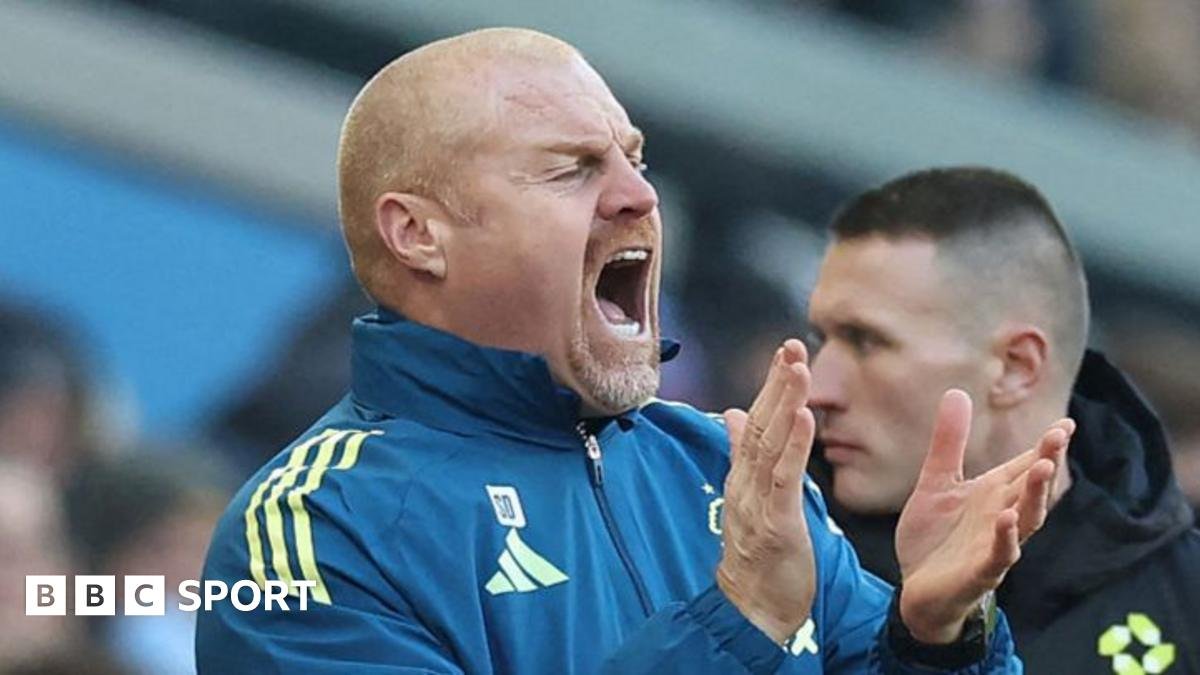
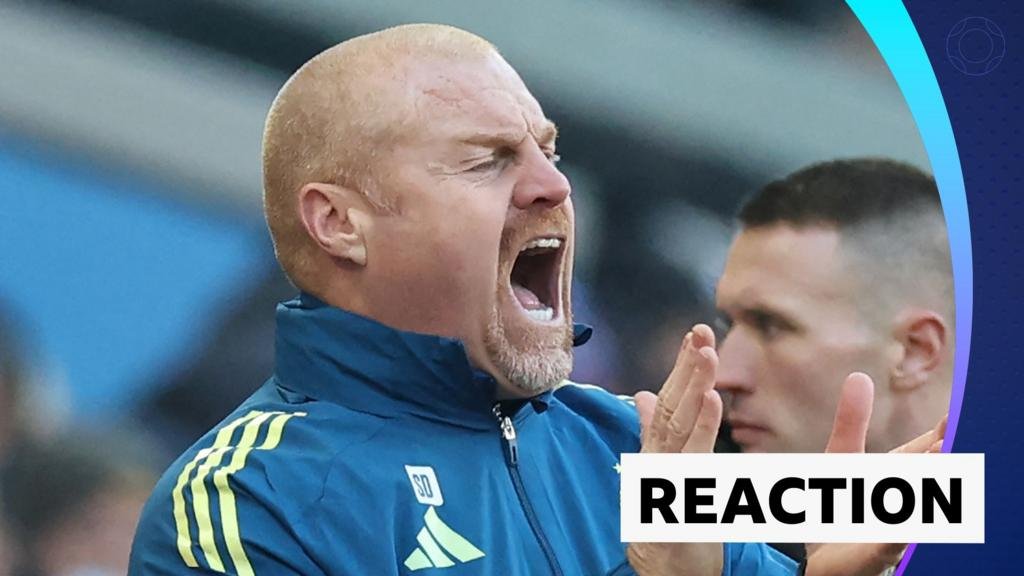
    Nottingham Forest head coach Sean Dyche says he’s “frustrated” with the 3-1 loss at Aston Villa, insisting his side “can’t keep giving themselves a mountain to climb.”


    Source link

  • Two dead after strong quake hits Mexico — MercoPress

    Two dead after strong quake hits Mexico — MercoPress


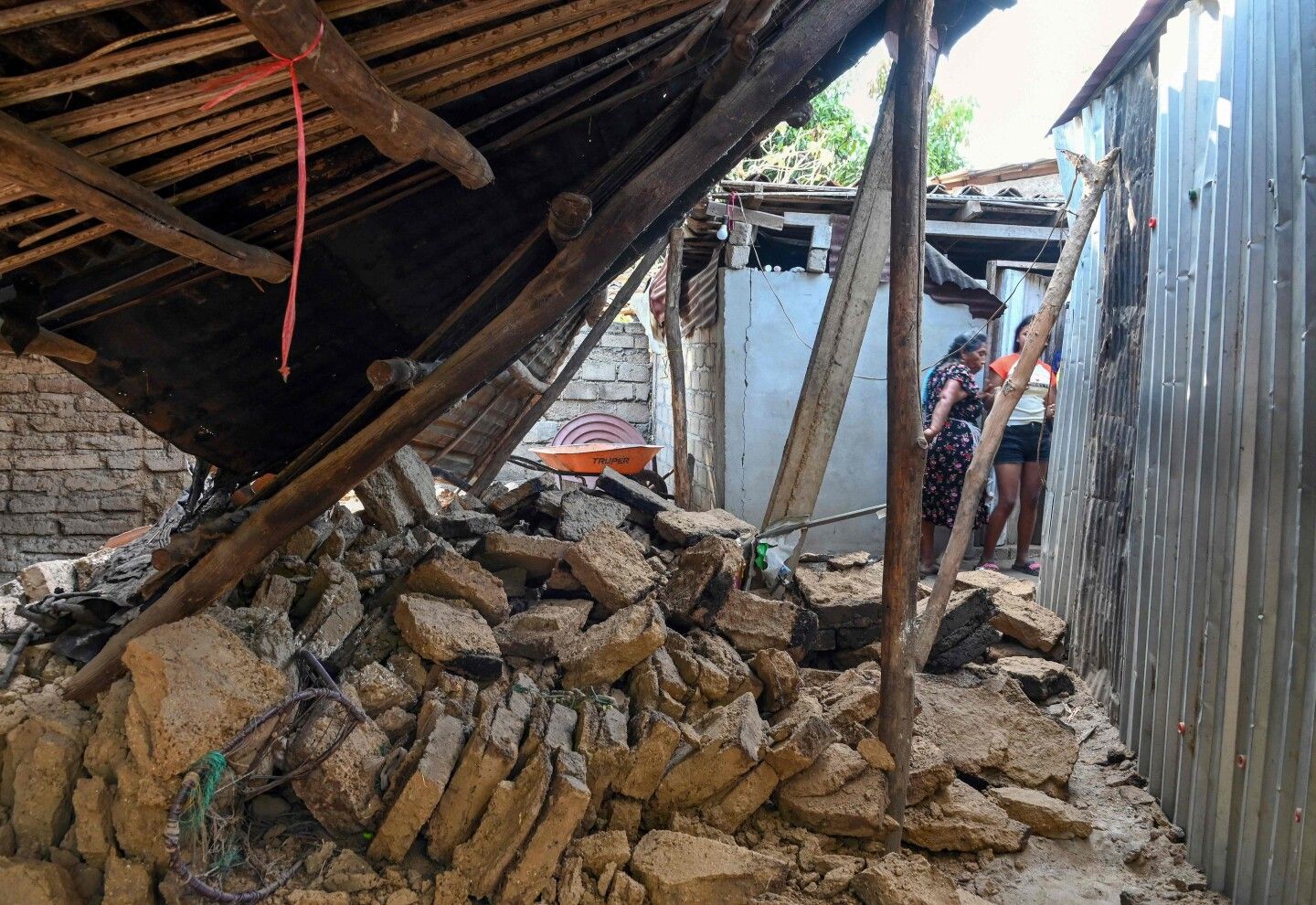
    Two dead after strong quake hits Mexico

    Saturday, January 3rd 2026 – 07:57 UTC


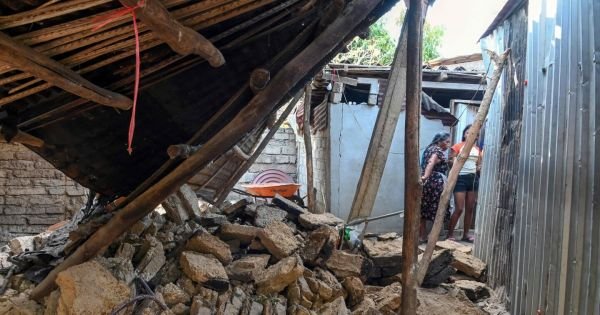
    Mexicans were advised to refrain from entering damaged buildings pending professional assessments
    Mexicans were advised to refrain from entering damaged buildings pending professional assessments

    A powerful 6.5 magnitude earthquake struck central and southern Mexico early Friday morning, leaving at least two people dead and over a dozen injured. The National Seismological Service has recorded over 850 aftershocks since the initial quake.

    The seismic event, which occurred at 7.58 am local time, centered near San Marcos in the state of Guerrero at a shallow depth of 5 kilometers, significantly intensifying the impact across the region. The National Civil Protection Coordination noted that while the intensity was highest in Guerrero and the Federal District (DF), the tremor was felt with varying degrees of strength in Morelos, Jalisco, Oaxaca, Tabasco, and Colima.

    Authorities have confirmed two fatalities linked to the tremor. In San Marcos, Guerrero, Governor Evelyn Salgado reported that a woman in her 50s died when her home collapsed. Family members stated the victim was in her kitchen when the structure gave way.

    In Mexico City, the Secretariat of Citizen Security confirmed the death of a 60-year-old man in the Benito Juárez municipality. The victim reportedly suffered a cardiac arrest and a fatal fall while attempting to evacuate his second-floor apartment. Additionally, Mayor Clara Brugada announced that emergency crews were inspecting 34 buildings and five houses for structural integrity.

    While the city’s seismic alert system functioned with 98% effectiveness—broadcasting via loudspeakers and mobile devices—the tremor caused temporary panic, halting traffic and even interrupting President Claudia Sheinbaum’s customary press briefing.

    Mexico’s Federal Electricity Commission (CFE) reported that while power outages initially affected several neighborhoods, service has been fully restored across the impacted zones.

    Authorities remain on high alert, advising citizens to avoid entering buildings with visible damage as technical teams continue their assessments.


    Source link

  • Europeans are all Peronists now, where are the leaders willing to make hard choices? — MercoPress

    Europeans are all Peronists now, where are the leaders willing to make hard choices? — MercoPress


    Europeans are all Peronists now, where are the leaders willing to make hard choices?

    Saturday, January 3rd 2026 – 08:24 UTC


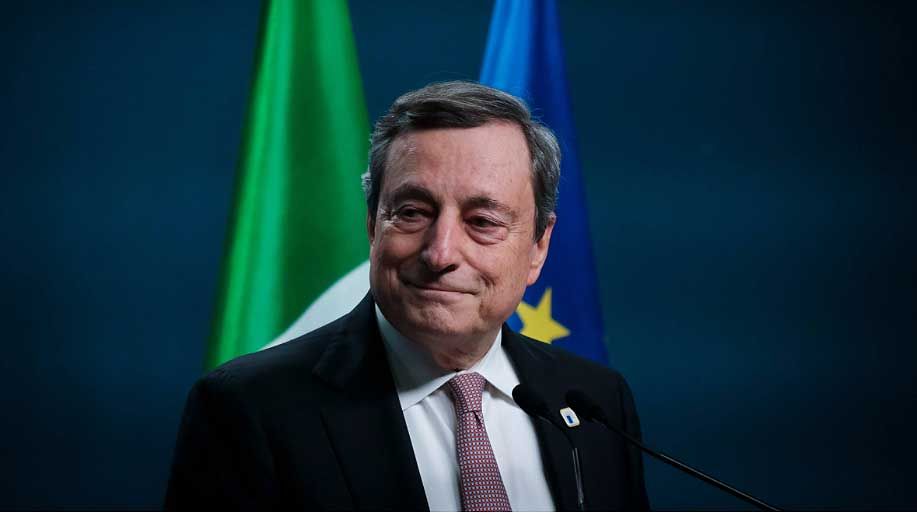
    Mario Dragui, ex Italian PM, warned Europe is at risk of becoming a museum: beautiful, historic, and irrelevant, with tourism its only competitive industry
    Mario Dragui, ex Italian PM, warned Europe is at risk of becoming a museum: beautiful, historic, and irrelevant, with tourism its only competitive industry

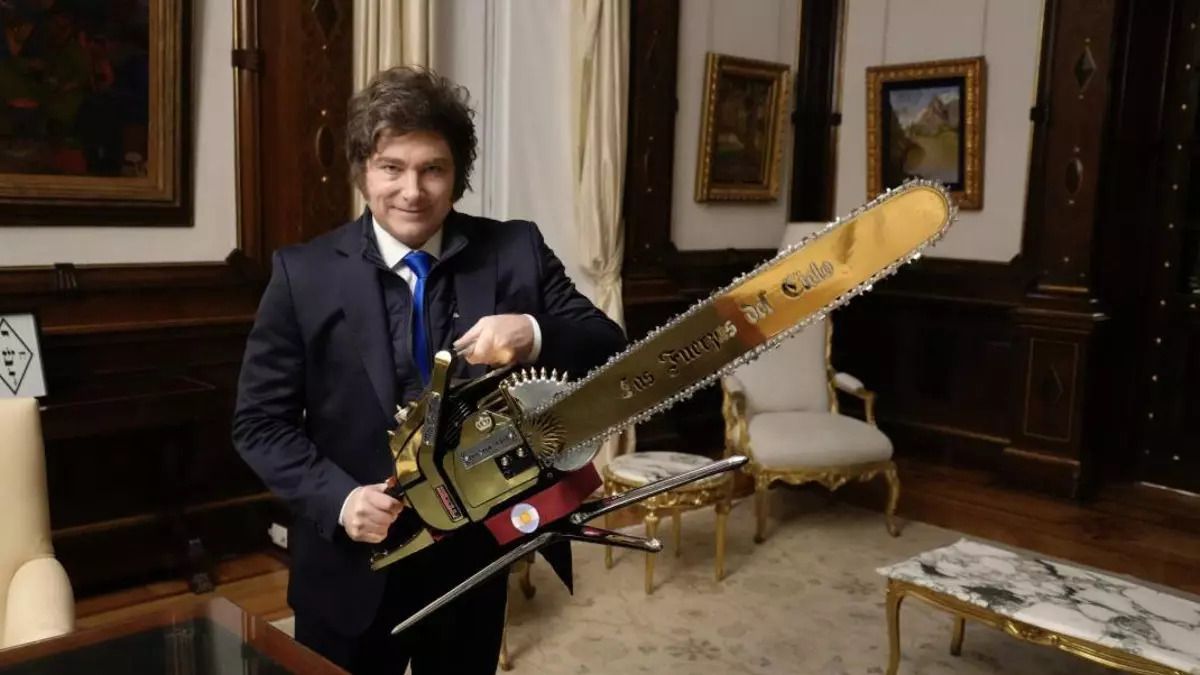
    Milei’s “chainsaw” cuts – the most intense reduction in public spending in modern history, with the possible exception of Greece after its 2009 debt crisis 
    Milei’s “chainsaw” cuts – the most intense reduction in public spending in modern history, with the possible exception of Greece after its 2009 debt crisis 

    By Cristina Martinez (*) – European voters increasingly resemble their Argentinian counterparts, who, until recently, believed the unsustainable promises offered by Peronist politicians. To avoid the economic shock therapy that has befallen Argentina, Europe’s leaders must be willing to make hard choices, and electorates must be willing to reward them for it.

    Jean-Claude Junker, the former European Commission President and former Luxembourg Prime Minister, once said “We all know what to do, but we don’t know how to get re-elected once we’ve done it.” This observation encapsulates Europe’s current dilemma. Most European leaders know what reforms and budget cuts are needed to boost productivity, promote innovation, streamline regulation, rein in public spending, and shore up their defenses. But after decades of welfare expansion, voters are reluctant to give up their social benefits.

    The European electorate has become risk-averse, protective of living standards that no longer reflect underlying economic fundamentals. Yielding to short-term incentives, parties on both the left and the right now vie to outdo one another in making unsustainable promises, feeding a populist cycle that deepens polarization.

    In his seminal 2024 report on European competitiveness, Mario Dragui, the former President of the European Central Bank and former Italian Prime Minister, warned that the continent is at risk of becoming a museum: beautiful, historic, and irrelevant, with tourism its only competitive industry. While most European leaders have championed Draghi’s work, they seemingly lack the political will to implement his recommendations.

    France’s attempt at pension reform is illustrative. French President Emmanuel Macron sought to raise the retirement age in a country where people over 65 have higher average incomes than the working-age population, triggering months of protests and political turmoil.

    Populists on the left and the right attacked the idea, arguing that the fiscal deficit can be reduced only by raising taxes on the wealthy – despite the fact that France already has one of the highest tax burdens among rich countries. The proposed pension reform eventually became so toxic that the government shelved it. As newly appointed Finance Minister Roland Lescure explained, “It’s the price of compromise and it’s the price of political stability.”

    Principio del formulario

    Final del formulario

    The pressing need to strengthen Europe’s defense posture in response to an increasingly hostile geopolitical environment provides another telling example. Many European leaders, aware of voters’ priorities, are loath to increase defense spending. Spain, for example, continues to fall far short of its NATO defense-spending obligation of 2% of GDP, despite repeated warnings from allies and the growing threat on Europe’s eastern flank.

    Italy, for its part, announced that it will increase its defense outlays, only to use accounting maneuvers to disguise infrastructure projects as military spending. As the Spanish political scientist Pol Morillas points out, Europe wants a seat at the table of global powers but refuses to pay the price of admission.

    These examples are symptomatic of a wider European malaise. Across the continent, politicians face electorates unwilling to accept the reality that the combination of demographic decline, sluggish productivity, and debt accumulation is unsustainable.

    To be sure, Europe is not Argentina. But European voters increasingly resemble their Argentinian counterparts, who, despite runaway inflation and repeated debt defaults, continued until recently to fall for the easy “solutions” of subsidies, clientelism, and an ever-expanding public sector offered by left-wing Peronism/Kirchnerism.

    As in Europe, politicians in Argentina knew what needed to be done. Between 2015 and 2019, then-President Mauricio Macri tried to address the economy’s chronic mismanagement with a cautious and gradual reform agenda, highly unpopular and exacerbated the electorate’s frustration. After his tenure, Kirchnerism returned, and the crisis deepened.

    Following decades of irresponsible spending and falling living standards, voters turned in 2023 to the libertarian firebrand Javier Milei. As president, Milei has railed against “political elites,” while also implementing economic policies largely designed by Luis Caputo, his finance minister and a former JP Morgan banker who previously attempted to pursue reforms as head of the central bank during the Macri administration.

    Milei’s “chainsaw” cuts – the most rapid and intense reduction in public spending in modern history, with the possible exception of Greece after its 2009 debt crisis – have helped stabilize public finances and created a budget surplus  for the first time in more than a decade. But these fiscal improvements have come with social costs, including a substantial increase in poverty (from just over 40% in the first half of 2023 to nearly 53% in the first half of 2024), ballooning income inequality, a rise in unemployment, and deepening political polarization.

    No one knows how Milei’s experiment will play out, but his mandate, reaffirmed in October’s midterm elections, should not be viewed as a full-throated endorsement of libertarian orthodoxy. Rather, it reflects an electorate that, having historically been averse to sensible reforms despite continuous economic and financial crises, reached a breaking point and embraced an outsider – an “anti-populist populist” whose promise of shock therapy meant implementing a conservative economic agenda at a high social cost.

    Empirical research shows that democracies, on average, outperform populist regimes in terms of long-run economic growth, innovation, and social welfare. But democracy also incentivizes short-term electoral success over long-term responsibility. When political short-termism takes over, populism is more likely to thrive, offering simple answers to complex problems, deferring hard choices, and stoking resentment. To avoid this trap, leaders must be willing to tell voters what they do not want to hear, and voters must be willing to reward them for it.

    Europe’s current trajectory suggests that neither leaders nor voters are doing their part. But reality, as always, will reassert itself. The question is whether Europe will confront it on its own terms or whether, like Argentina, it will wait until a crisis forces its hand, at which point the untouchable entitlements of today may be lost entirely.

    Juncker’s cynical joke increasingly reads like prophecy. Europe’s leaders know what to do. They just need the courage – and the backing of voters – to do it.


    (*) Cristina Ramirez is an international political analyst for Panamá en Directo and a PhD candidate in the Department of Political Economy at King’s College London


    Source link

Translate »