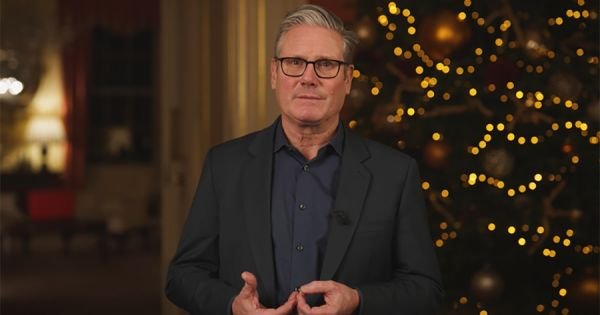
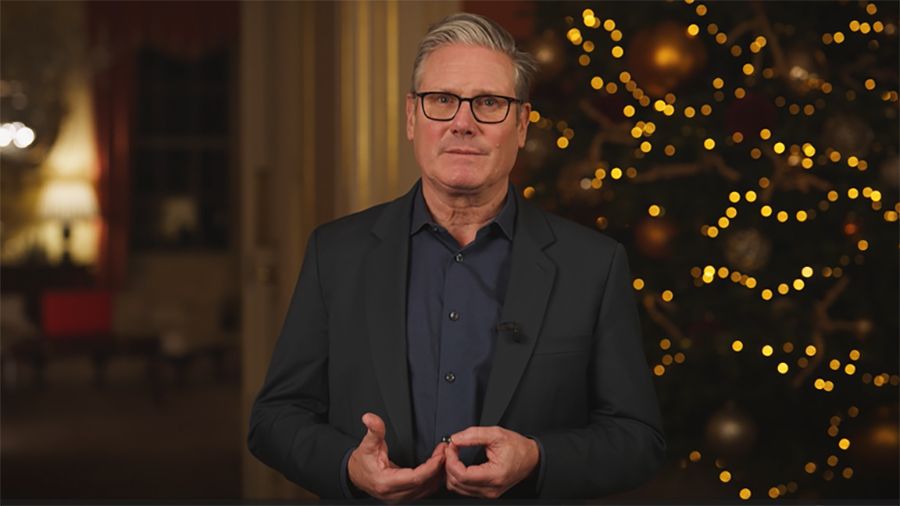
Prime Minister Keir Starmer also mentioned the British forces stationed on the islands in his message, MPC.
British Prime Minister Keir Starmer has sent a Christmas message to the people of the Falkland Islands, as well as to the British forces stationed in the territory. In his message, he also referred to the presence of British troops on the Islands.
“Let me wish everyone in the Falkland Islands a very Happy Christmas.
This is a special time of year, one that brings together the whole of the wide British Family in a shared celebration.
I am extremely grateful for the warm welcome you extended to the new Governor, Colin Martin-Reynolds.
I am proud of the bond we share as part of a great British Family.
And I am very proud of the strong sense of community that unites us all. I know how important that is to everyone in the Falkland Islands.
I have heard about those among you who took part in the Island Games held in Orkney this year; in the Falklands Games in November; in the first tri-nations shearing and wool-handling competition involving teams from Wales, Chile and the Falkland Islands; and about the launch of the new Falkland Islands banknotes, which raised thousands of pounds for local charities.
Beyond that, I know there are thousands of acts of generosity, kindness and community spirit that define life in the Falklands.
So this Christmas, allow me to raise a glass to all the community champions of the Falkland Islands, as I reaffirm my deep and lasting commitment to your right to self-determination and to your democratic rights, as exercised in this year’s general election.
These are rights for which my own uncle fought while serving aboard HMS Antelope in 1982.
So to all the people of the Falkland Islands, and to the British forces stationed there, I wish you all a very Happy Christmas and a peaceful and prosperous New Year.”
In a letter sent to the Cuban ambassador in Cairo, CEFA President Kamal Gaballa welcomed the declaration of 2026 as the centennial year of the leader of the Cuban Revolution, Fidel Castro, an event he considered “an incentive to strengthen national unity and continue defending independence and sovereignty.”
He also reiterated the organization’s full support for the defense of the achievements attained by the Caribbean nation since January 1, 1959.
In the letter, the Association criticized the US blockade and the continued inclusion of Cuba on a US State Department list of alleged state sponsors of terrorism.
These measures, unfortunately, created a very complex economic and social situation in the Caribbean nation, which is reflected in the daily lives of Cuban citizens, the statement emphasized.
CEFA endorsed Havana’s position condemning Washington’s activation of the so-called Monroe Doctrine due to its hegemonic tendencies toward the peoples of Latin America.
Furthermore, it warned of the dangerous international repercussions of US policy, which is based on imposing peace by force.
The event will bring together professionals from the sciences, arts, and politics, as well as representatives from government, social movements, and non-governmental organizations in Havana and the western province of Artemisa, from October 11 to 13, to foster a multidisciplinary debate on issues related to racism and discrimination.
Indigenous Resistance Day (October 12) and Cuban Culture Week will provide a fitting backdrop for the event, which will also commemorate the centenary of the birth of Commander-in-Chief Fidel Castro and the first decade since his death.
Cuba is hosting guests from the scientific community to discuss the transition from the fight against racial discrimination and for racial equality to deracialization, according to an expanded invitation.
The event will address the historical origins of theories of racism, political manipulation and the sociocultural reconstruction of the biological concept of race, the intersectionality of racism, the struggles for equality, and other related topics, the event organizers stated.
In addition to the lectures, the program will include a visit to the San Pedro Memorial in commemoration of Major General Antonio Maceo, the Moncada Memorial, the laying of floral offerings at the sculptures of Benito Juárez and Simon Bolivar, among other activities.
League One strugglers Port Vale have sacked manager Darren Moore after Friday’s thrashing by Huddersfield Town left them seven points adrift at the bottom of the table.
Vale’s 5-0 defeat by the Terriers was their seventh in their past nine league games and left them 10 points from safety after 21 matches.
The Valiants have not won a league game since beating Barnsley at Oakwell on 27 September – 12 matches ago.
“This has been a difficult decision and one we haven’t taken lightly, but we believe now is the right moment to make a change,” a club statement, external said.
“We have given the situation time and support to ensure we were doing everything to give this project the best possible chance of success, and while we truly hoped it would turn, we must act in what we believe is the best long-term interest of Port Vale.”
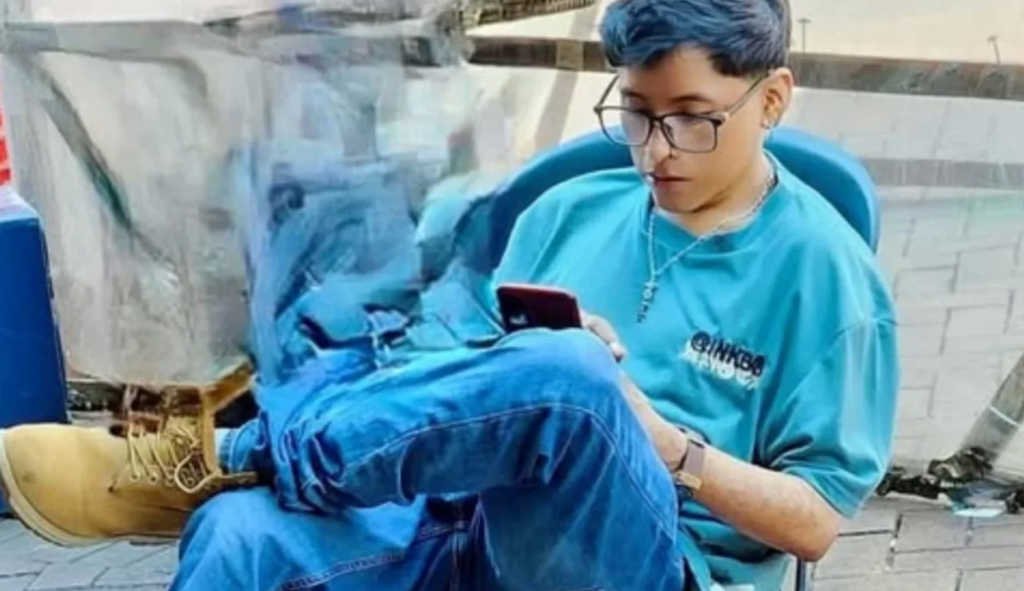
The young man was seriously injured during the demonstrations of the uprising led by the indigenous movement following Noboa’s decision to eliminate the diesel fuel subsidy.
According to local press reports, Farinango was hit twice by tear gas canisters, once in the leg and once in the back, near his kidneys, which severely compromised his kidney function and aggravated pre-existing liver problems. Despite medical treatment, his organs could not withstand the injuries caused by the explosions.
With his death, the number of people who have died from actions attributed to the excessive use of force by police and military forces during the anti-government protests of September and October 2025 rises to four, according to human rights organizations.
The uprising was called by the Confederation of Indigenous Nationalities of Ecuador (CONAIE) and supported by other social sectors, in rejection of the increase in diesel prices and, in general, the government’s economic policies.
BAccording to the Alliance of Organizations for Human Rights, 391 human rights violations committed by police and military forces were documented during the uprising.
The organizations also noted that, prior to Farinango’s death, three other deaths were recorded: Efrain Fuerez, Jose Guaman, and Rosa Paqui, who died from tear gas inhalation, while the two young Indigenous people died from gunshot wounds, according to reports.
Rangers head coach Danny Rohl has admitted he has held conversations with players who could move on from the club in January. (The Herald), external
Head coach Danny Rohl has urged Rangers to be “brave and bold” in the January transfer window to ensure they stay in the Scottish Premiership title race. (Daily Record), external
Findlay Curtis could leave Rangers on loan unless the 19-year-old winger wins more game time in January, while the Ibrox club are seeking a new right wing-back. (Rangers Review), external
Aberdeen manager Jimmy Thelin cannot guarantee that Sweden midfielder Jesper Karlsson will not be recalled from his loan by Bologna in January. (Daily Record), external
Ross Graham and Ryan Strain are expected to be available for Dundee United’s derby showdown against Dundee (Courier), external.
Aberdeen manager Jimmy Thelin has confirmed he will “add some qualities that are missing” from his squad during the January transfer window. (Press & Journal), external
Aberdeen manager Jimmy Thelin is remaining tight-lipped about the future of captain Graeme Shinnie, who is out of contract in the summer, and revealed that Vicente Besuijen is back at Pittodrie after HJK Helsinki opted not to take up their option to make the forward’s loan move permanent. (Press & Journal), external
Real Madrid and Brazil cenre-half Eder Militao faces a race against time to be fit to play in the World Cup against Scotland. (The National), external
The annual reports varied, although on average around 120,000 new cases were added, with significant peaks such as in the first year analyzed (154,079), Emisoras Unidas highlighted, based on information from the agency.
In 2022, the SIT received 125,738 reports, of which more than 36,000 corresponded to complaints filed with the Public Prosecutor’s Office, the media outlet added.
The following year, it noted, there were 131,443 new reports, with the highest number of formal complaints (68,301). Then, 135,905 reports were filed, 26,124 of which were for theft.
From January to May of this year, 51,749 reports were collected, exceeding one-third of the total registered in 2024.
According to authorities, the growing volume of reports reflects both greater public awareness of the importance of reporting these incidents and a more proactive response from authorities to the problem.
“The increase in reports underscores the key role the database plays in strengthening digital security in Guatemala and hindering the illegal trade of mobile phones,” the SIT (Superintendency of Telecommunications) emphasized.
Former Celtic goalkeeper Pat Bonner: Everything is attacking, everything is get the ball down and let’s get players bombing forward. If that’s the case and he gets the same success as Ange Postecoglou then we’re in for a treat.
Celtic are still vulnerable but they got away with it. They didn’t allow Livingston back in to the game, then Nancy made the right changes and allowed Celtic to manage the game out.
Former Livingston manager Allan Preston: Celtic aren’t going to be having any dull games at the moment.
Former Scotland striker Billy Dodds: I’ve never seen a Celtic team give away so many opportunities but if you’re playing that way, strap yourself in. It’s entertaining but you have to win and they’ve won again.
The problem for Celtic will come if they give up chances, lose games and the fans will start to ask questions again. You can’t keep offering teams up as many chances as they are getting at this point.
BBC Scotland chief sports writer Tom English: Celtic were offensively very good, very sharp, very hungry. At the back, they were just wide open. It is wildly entertaining but can Celtic realistically play like this for the rest of the season?
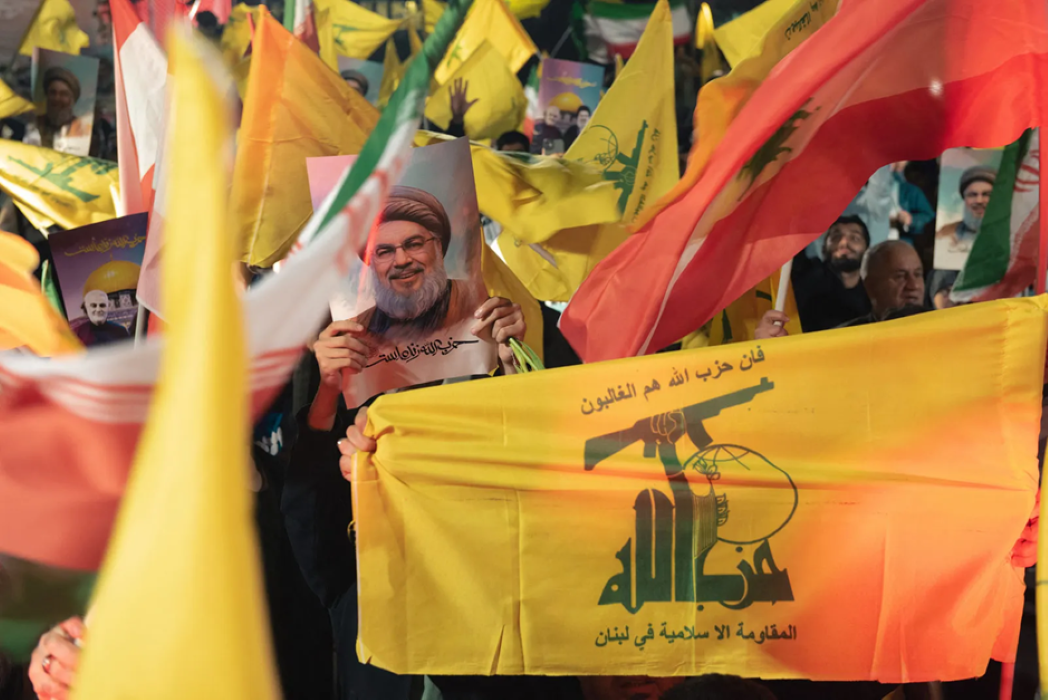
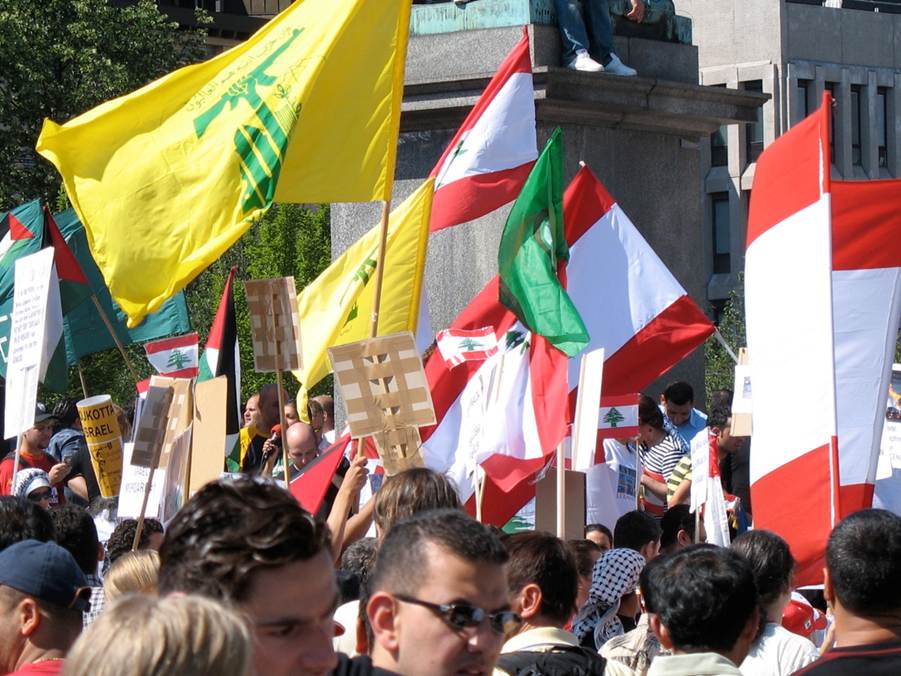
Reporting by The New York Sun and journalist Hollie McKay traces how Hezbollah survives sanctions by leaning on Latin America’s cocaine routes, Venezuela’s passports, and quiet money transfers, after December 2024 shattered Syria’s Captagon economy, from Lebanon to Brazil storefronts.
Deniability as a Business Model
At a remittance counter in São Paulo, the conversation is about rent, school fees, and the next grocery bill. Cash moves with urgency. That ordinariness is camouflage: the same channels that keep families standing can carry money meant to keep wars going.
In reporting and interviews gathered by Hollie McKay for The New York Sun, Hezbollah is cast as a hybrid criminal‑terrorist enterprise built on income that travels. Cocaine linked to Latin America, Captagon once mass‑produced in Syria, and laundering routes spanning four continents are described as generating billions of dollars annually. The proceeds bankroll precision‑guided missiles, pay fighters, sustain a social‑welfare empire inside Lebanon, and keep overseas cells active from Buenos Aires to Bangkok.
The urgency now is scarcity. With Iran battered by sanctions, the Assad regime collapsed, and Lebanese authorities cracking down on smuggling clans that once operated under protection, narco‑dollars shift from useful to existential. David Daoud, a senior fellow at the Foundation for Defense of Democracies, told The New York Sun that the group is strapped for cash and will go wherever the money is easiest. He stressed that open sources rarely show a clean, direct link because the group stays insulated, letting others touch the product while it collects cash and plausible deniability.
Researchers in Terrorism and Political Violence and Studies in Conflict & Terrorism describe this outsourcing as a shield that blurs accountability for investigators.
Diaspora Networks, Repurposed
The hemisphere’s role begins with migration, not trafficking. Decades ago, Lebanese Shiites fleeing civil war built trading houses, charities, and remittance routes—legitimate bridges between the Americas and Lebanon. According to the report, by the early 2000s those same diaspora channels were being leveraged to facilitate cocaine trafficking and launder proceeds. The intimacy that makes a community resilient can also make it vulnerable, because trust is the first infrastructure criminal networks exploit.
The mechanics are brutally pragmatic. Cartels cultivate, cut, and move cocaine; Hezbollah supplies protection, forged documents, or secure transit corridors in exchange for a percentage, usually paid in cash meant to be hard to trace. Laundering becomes a performance of normality—money disguised as trade, family support, or routine business. Research discussed in the Journal of Money Laundering Control notes how ordinary‑looking transactions and “clean” intermediaries can keep beneficiaries blurred, even when the transfer itself looks innocent.
Robotpolisher from Brooklyn, NY, USA / CC BY-SA 2.0
Venezuela After Captagon, the Trail Bends West
No country sits more uneasily at the center of this account than Venezuela. The Maduro regime is accused of issuing genuine Venezuelan passports to operatives, granting landing rights to Mahan Air—described as an IRGC front—and disregarding “narco‑flights” departing Simón Bolívar International Airport. A disrupted attempt in January 2025, involving several tons of Colombian cocaine allegedly meant to be traded for illicit arms, is presented as a rare moment when a largely hidden system briefly surfaced.
Caroline Rose, director of military and national security priorities at the New Lines Institute, told The New York Sun that Hezbollah‑linked networks are seeking to ramp up illicit operations to reduce dependence on Iran and generate alternative revenue streams. She pointed to likely hubs in Latin America and West Africa, where ties to Iran through countries like Venezuela, diaspora strength in Brazil, Argentina, and Côte d’Ivoire, and conditions conducive to criminality enable collaboration.
The other hinge broke in Syria, where Captagon once functioned as a state‑protected money machine. Under Bashar al‑Assad, the country became the world’s largest producer of the amphetamine pill, churning out tens of millions monthly. Rose said Hezbollah coordinated with the regime’s Fourth Armored Division, commanded by Maher al‑Assad, shaping routes, ports, and laboratories along the Lebanese–Syrian border. After the regime fell in December 2024, new authorities demolished labs, arrested producers, and sealed routes, squeezing the revenue that once seemed untouchable. Rose said regime figures such as Wassim Badia Al-Assad were given safe harbor in Hezbollah‑controlled areas, even as the trade shrank.
Inside Lebanon, Rose described raids against Hezbollah‑protected syndicates and smuggling clans like the Zeaiters, with arrests and killings that signal a shift in impunity. She warned that Western countermeasures often fixate on the Middle East, rather than mapping partnerships linking Hezbollah to cartel and mafia partners in Europe, Latin America, and West Africa.
For Latin America, the caution is not that every remittance is suspect. It is that cash‑heavy marketplaces—from the coca economy of Colombia to the bazaars around the Triple Frontier, where Ciudad del Este sits in the shadow of borders—can become someone else’s quiet treasury. The task is to follow networks without turning diaspora life into collateral damage, and to protect the everyday economies that keep families breathing.