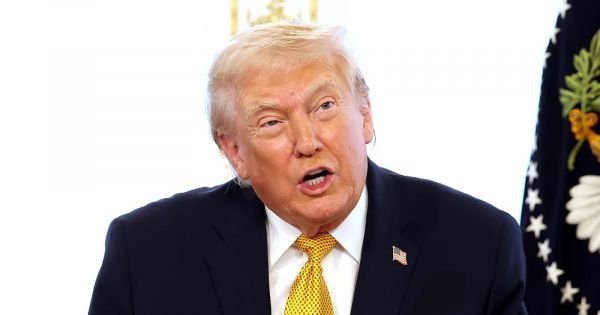
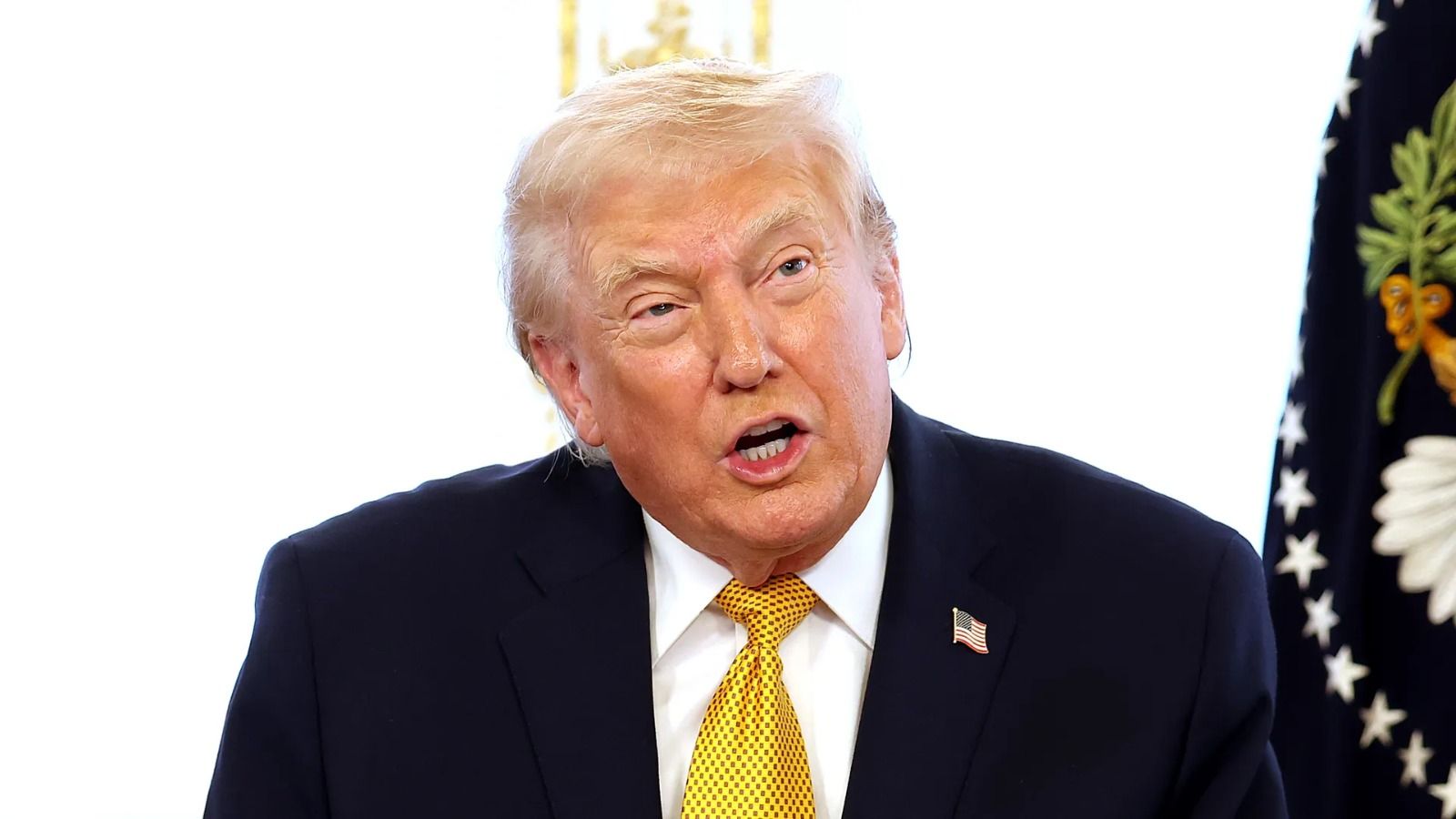
More terrorists will be killed if violence persists, Trump warned
US President Donald Trump said Thursday that his country had conducted deadly precision airstrikes against ISIS (Islamic State) targets in northwestern Nigeria, which was later corroborated by local authorities. The operation marked a significant escalation in Washington’s involvement in Africa to stop what the Republican leader acknowledged was a massacre of Christians. The second major US offensive against the terror group this month followed a massive strike on 70 targets in Syria on December 20.
Trump announced the attacks via Truth Social and warned that more terrorists would be killed if the slaughter of Christians continued. Meanwhile, the Pentagon released video footage appearing to show a missile launch from a US warship directed at Nigerian targets.
The strikes came amid a period of severe friction between Washington and Abuja. In November, the US officially designated Nigeria as a country with severe violations of religious freedom, placing it on a list alongside China and Russia.
In response, Nigerian President Bola Ahmed Tinubu has consistently denied allegations of religious intolerance, arguing that his government protects the freedom of all citizens in a scenario where Christian communities feel in danger, and Muslim citizens in the north are equally targeted by bandit violence.
The US intervention was also a consequence of a wave of mass kidnappings in late November, including the abduction of hundreds of students and teachers from St. Mary’s Catholic School in northwestern Nigeria. These victims (218 students and 12 staff) were reportedly rescued shortly before the strikes, the Diocese of Kontagora confirmed on Thursday.
The school was attacked in November by over 60 armed individuals. Initially, 315 people were reported missing; some escaped early on, and the remainder were recovered in this latest operation.
US Secretary of War Pete Hegseth reiterated his government’s stance on social media, declaring that the killing of innocent Christians must end. Despite the political friction regarding religious freedom, Hegseth explicitly thanked the Nigerian government for their support and cooperation in executing these specific military strikes.
Additionally, the Pentagon and the US Africa Command (Africom) also explained that the strikes were carried out in Sokoto State at the formal request of the Nigerian government.
Nigeria’s Foreign Ministry confirmed the precision airstrikes, describing them as part of a strategic security partnership involving intelligence sharing and coordinated logistics. The Nigerian government further stressed that its priority remained protecting all citizens regardless of faith or ethnicity, noting that terrorist violence is an affront to Nigerian values whether it targets Christians or Muslims.
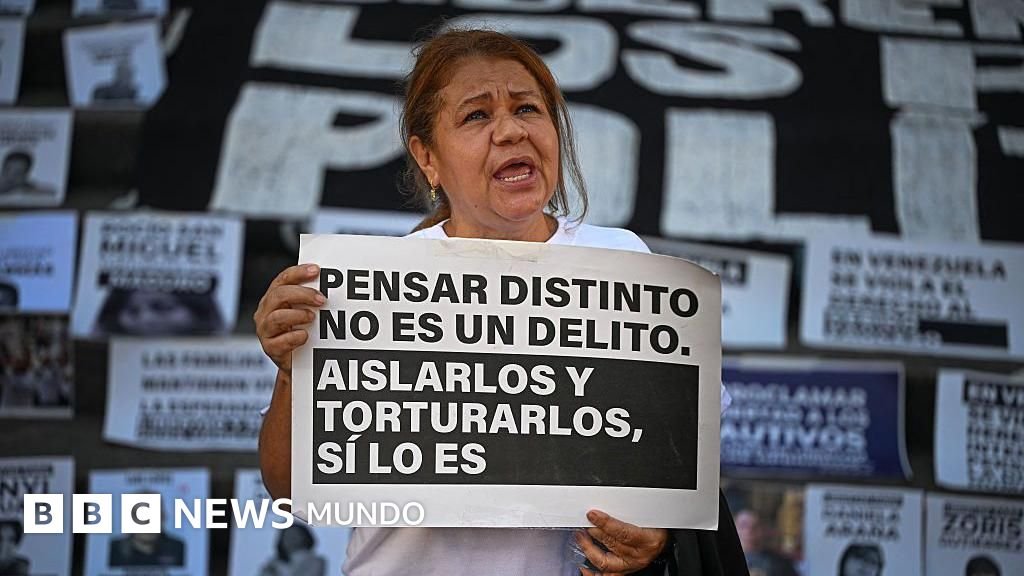
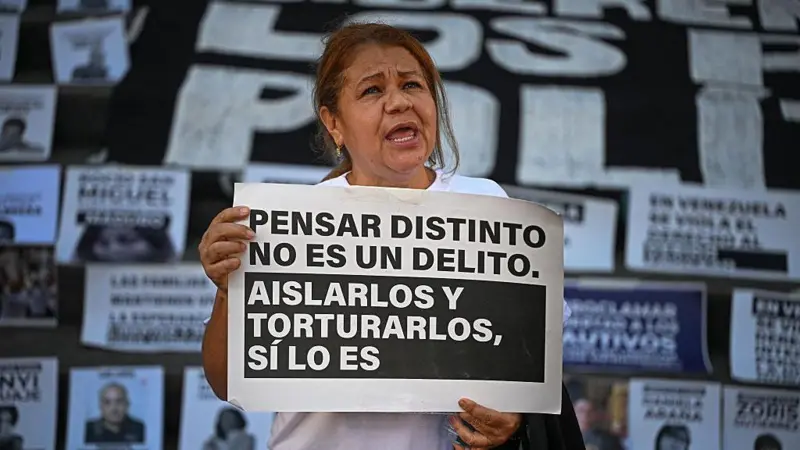
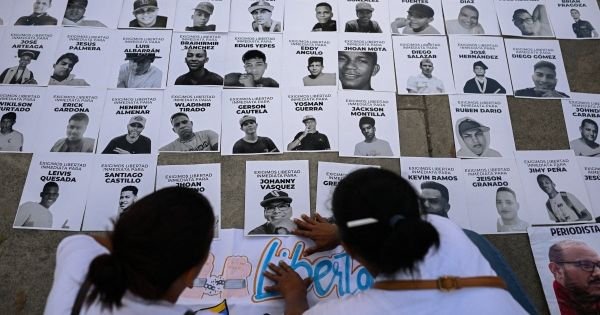
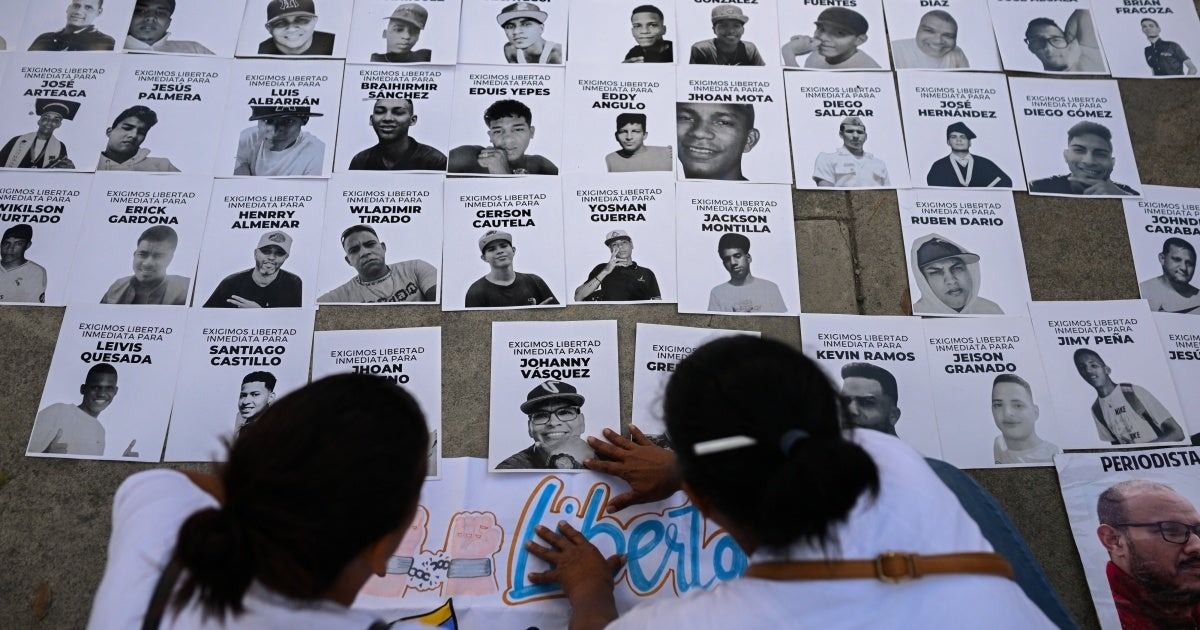
Pie de foto, Una mujer exige la liberación de los presos el pasado 14 de diciembre en Caracas.Información del artículo
Autor, Redacción
Título del autor, BBC News Mundo
Tiempo de lectura: 4 min
Las autoridades venezolanas han excarcelado a 71 personas que estaban presas desde las protestas que siguieron a las elecciones presidenciales de 2024.
Los detenidos fueron puestos en libertad en la madrugada de este jueves 25 de diciembre, informaron dos organizaciones integradas por familiares de personas arrestadas por motivos políticos.
“Madres, familiares y amigos han reportado la excarcelación de al menos 60 personas desde la cárcel de Tocorón (estado Aragua), así como de 9 mujeres presas políticas detenidas en Las Crisálidas, y 3 adolescentes provenientes de La Guaira”, expresó en un comunicado el Comité por la Libertad de los Presos Políticos.
La organización agregó que “cada nombre que sale de las listas de reclusión injusta representa una victoria para la verdad y la esperanza”.
Por su parte, el Comité de Madres en Defensa de la Verdad mencionó “65 hombres que estaban recluidos en Tocorón, 3 mujeres en Las Crisálidas y 3 adolescentes en La Guaira”.
“Es un logro importante, pero insuficiente, por ello exigimos la libertad plena de todos a través de una Amnistía General”, indicó en su comunicado, en el que remarcó que “la injusticia sigue afectando a centenares de familias en todo el país”.
La identidad de todos los excarcelados se desconoce. Sin embargo, organizaciones como el Foro Penal Venezolano aseguraron que entre los beneficiados figura la doctora Marggie Xiomara Orozco Tapias, quien a principios de noviembre fue condenada a 30 años de prisión por un tribunal del estado andino de Táchira por enviar un mensaje de audio por WhatsApp crítico con Nicolás Maduro previo a las elecciones presidenciales del 28 de julio de 2024.
Familiares de Orozco confirmaron su salida de la cárcel a BBC Mundo.
Medios venezolanos también han reportado la excarcelación de tres adolescentes detenidos tras los comicios.
Entre estos últimos destaca Abraham Rivero, a quien las autoridades señalan de haber participado en el derribo de una estatua del fallecido presidente Hugo Chávez en el estado La Guaira, al norte de Caracas, durante las protestas espontáneas que sacudieron al país luego de que el Consejo Nacional Electoral (CNE) declarara a Nicolás Maduro ganador de las votaciones sin presentar las evidencias que respaldaran dicho anuncio.
Fuente de la imagen, FEDERICO PARRA/AFP via Getty Images
Pie de foto, Desde hace meses los familiares de los detenidos tras las cuestionadas elecciones presidenciales vienen exigiendo su liberación.
Libertad condicionada
Desde el Comité por la Libertad de los Presos Políticos aclararon que estos casos no se pueden considerar liberaciones, por cuanto a “la mayoría de los excarcelados mantienen medidas cautelares” como prohibición de salida del país, tener que presentarse regularmente ante un juez o prohibición de hablar sobre su caso en los medios de comunicación.
“Están en libertad condicionada”, afirmó la organización a través de su cuenta de X, donde también puso en duda las versiones de algunos voceros oficiales de que el número de excarcelados casi llega al centenar.
Este tipo de medidas se habían paralizado en los últimos meses, lo que motivó a los familiares de los detenidos a formular reiterados llamamientos públicos para que se revisaran sus expedientes.
Las madres de algunos de los arrestados habían advertido que no se registraban nuevas liberaciones desde marzo.
Las detenciones se produjeron en el contexto de la crisis política desatada tras las elecciones presidenciales del 28 de julio de 2024, cuando el órgano electoral proclamó la reelección de Maduro, en medio de denuncias de fraude por parte de la oposición, que reclamó la victoria de Edmundo González Urrutia y presentó las pruebas de su triunfo al publicar las actas de votación.
Tras los comicios más de 2.400 personas fueron detenidas y acusadas por la Fiscalía de delitos graves como terrorismo. En los últimos meses, cientos han sido devueltos a sus hogares, pero sus procesos penales siguen abiertos.
Organizaciones no gubernamentales nacionales e internacionales y opositores, por su parte, las consideran presos políticos, algo que el ejecutivo de Maduro niega.
La excarcelación de 71 presos se produce en un contexto de intensa presión de Estados Unidos sobre el gobierno de Maduro.
En las últimas semanas la administración de Donald Trump ha endurecido su estrategia contra Caracas con nuevas medidas de aislamiento, entre ellas el refuerzo de acciones para bloquear la exportación de petróleo venezolano y la intensificación del despliegue militar en el mar Caribe.
Suscríbete aquí a nuestro nuevo newsletter para recibir cada viernes una selección de nuestro mejor contenido de la semana.
Y recuerda que puedes recibir notificaciones en nuestra app. Descarga la última versión y actívalas.
Forward Martin Boyle is a veteran of 22 Edinburgh derbies and while he acknowledged Hearts’ impressive form, he fully believes Hibs have what it takes to inflict just a second league defeat of the season on McInnes’ men.
“They’re playing really well, so hats off to them, but it’s up to us to focus on ourselves,” Boyle said. “And obviously we’ll be looking to upset them and get the win.
“Consistency is key in this league, so they’re obviously maintaining that. When it’s a derby, [there’s] the famous old saying ‘form goes out the window’, so hopefully we can play our best and get the result.”
McInnes expects a similarly charged affair and for it to be decided by fine margins.
“For Hearts and Hibs, it’s always the main deal,” McInnes said. “It’s always a big occasion.
“In the context of our season, we just want to win three points and keep the whole thing going.
“Hibs are a good side and going to Easter Road is always a tricky game. I expect it will be similar to the game at Tynecastle – there was nothing in it really and we scored in the dying embers of the game, which caused huge elation.”
Boyle was on the other end of those emotions at Tynecastle and is determined to put things right in front of a packed Easter Road crowd.
“Yeah, obviously it hurts, it’s never nice losing a derby,” he said. “The celebrations in our faces at the end of the game, it’s obviously things that you remember.
“The chances that we missed, I thought we didn’t deserve to lose the game. Probably a draw would have been a fair result, we didn’t defend our box as best as we could and we got punished.”
Hibs have been plagued by inconsistency this season, but are only five points behind Motherwell in third.
“We can definitely relight the season,” Boyle added. “It’s a tough game, it doesn’t come any tougher and obviously the way they’re playing at the moment, but it comes down to us on the day.
“We need to be at it, we need to take our chances and we need to defend the box and we need to fight for our lives.
“We know it’ll be a tough game. It’s an exciting fixture at this time of year. It’s always special and it’s always a nice one to win.”
Asfura was declared the winner, albeit by a very narrow margin, allowing for legal challenges in the coming days
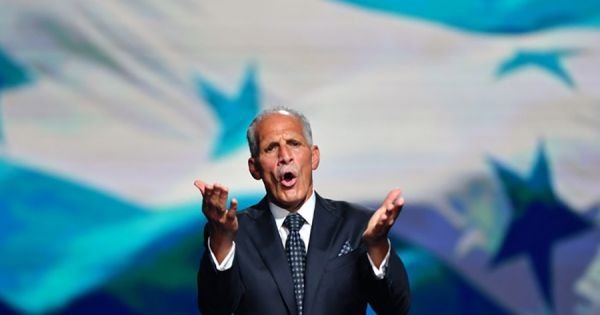
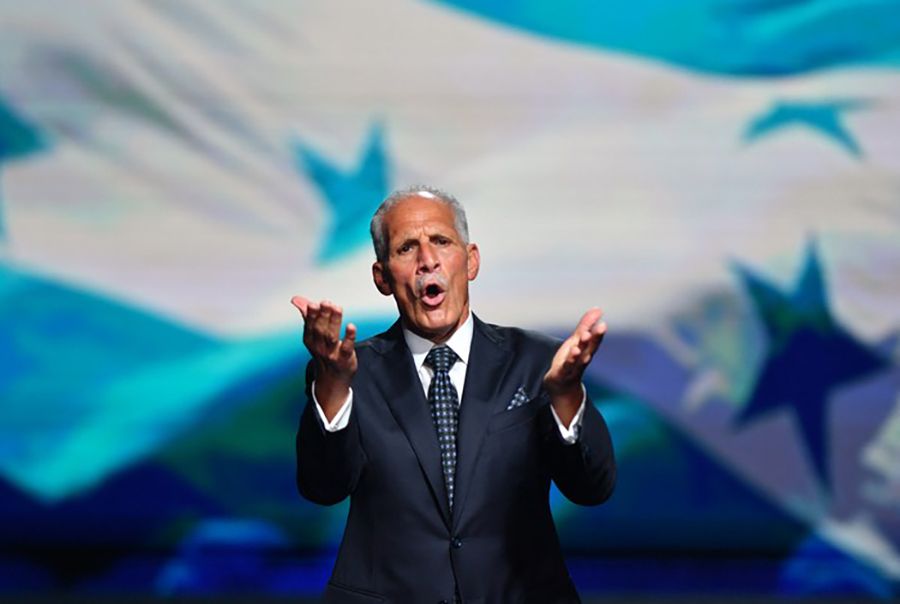
Honduras’ National Electoral Council (CNE) declared conservative businessman Nasry “Tito” Asfura as the president-elect after 24 days of political deadlock and a contentious vote count, with opposition leaders vowing to challenge the outcome.
The proclamation, issued on Christmas Eve, consolidated a narrow victory for the National Party but has plunged the nation into a fresh cycle of protests and diplomatic friction.
The CNE confirmed the results of the November 30 general election, revealing a razor-thin margin: Nasry Asfura (National Party) – 40.27%; Salvador Nasralla (Liberal Party) – 39.53%; Rixi Moncada (the ruling LIBRE Party) – 19.19%
With a difference of just approximately 28,000 votes, the CNE’s plenary session determined it was mathematically impossible for the remaining uncounted ballots to alter the outcome. Asfura is scheduled to take office on January 27, 2026, for a four-year term.
Asfura, a 67-year-old construction magnate and former mayor of Tegucigalpa, campaigned on a pragmatic platform of infrastructure development and economic reactivation. Known by the nickname Papi a la orden (Daddy at your service), his victory is seen as a significant win for the regional right wing.
A defining feature of the race was the vocal support of US President Donald Trump, who endorsed Asfura days before the election. Trump’s administration reportedly warned of potential aid cuts if Asfura did not win, a move outgoing President Xiomara Castro condemned as external interference.
Within minutes of the CNE’s announcement, US Secretary of State Marco Rubio congratulated Asfura, calling on all parties to respect the confirmed results.
However, Nasralla categorically rejected the announcement after leading in early preliminary counts. He contends that the electoral system was manipulated by a pro-government algorithm and cited thousands of violated tally sheets.
The problem is solved by counting the votes in the urns. Stop deceiving the people, Nasralla posted on social media. The Organization of American States (OAS), which monitored the election, expressed concern that the declaration was made before a full review of all inconsistent ballots was completed.
Argentine President Javier Milei celebrated the results on X, describing them as a crushing defeat for narco-socialism and a triumph for liberty in the Americas. Also recognizing Asfura’s win was El Salvador.
On the other hand, former Honduran President Manuel Zelaya, an advisor to Xiomara Castro, accused the CNE of open illegality and completing an electoral coup.
Nasralla is expected to file an Extraordinary Appeal for Annulment before the CNE within the next 72 hours. The candidate claims to have evidence of ballot stuffing in rural departments and a systematic failure in the biometric verification system. If the CNE rejects the appeal, the case will move to the Supreme Court’s Constitutional Chamber. However, the opposition remains skeptical, claiming the court is packed with National Party sympathizers.
The former president spent Christmas Eve at the clinic, and there is no date set for her discharge yet
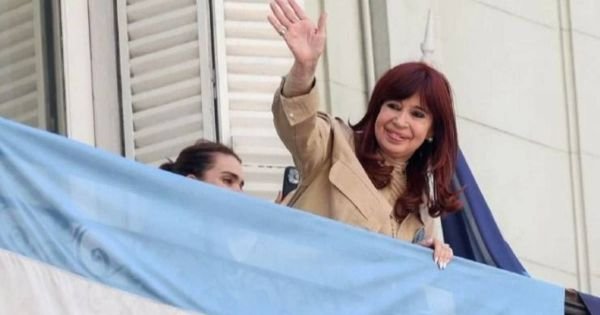
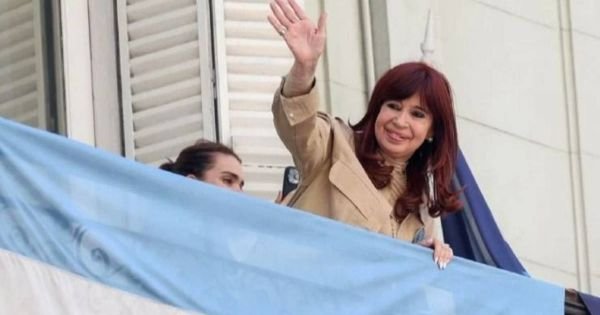
Former Argentine President Cristina Fernández de Kirchner remains hospitalized at the Otamendi Sanatorium in Buenos Aires after developing postoperative ileus, a functional intestinal complication following emergency surgery for appendicitis earlier this week. She had been allowed to leave her house arrest for the procedure.
The former head of state was admitted last weekend after presenting with severe abdominal pain. Doctors diagnosed her with acute appendicitis complicated by localized peritonitis, a condition that required immediate surgery.
While the operation itself was successful, the latest medical report on Christmas Eve confirmed that CFK was experiencing postoperative ileus, a temporary cessation of bowel function common after major abdominal procedures. A CT scan confirmed the diagnosis and helped rule out mechanical obstructions.
Medical specialists describe postoperative ileus as a functional paralysis of the gastrointestinal tract. While benign and often considered a physiological response to the manipulation of internal organs, it prevents the patient from tolerating oral intake, resulting in abdominal distension (bloating), nausea, and an inability to pass gas or stool.
Factors causing it include the physical handling of the intestines during surgery, the inflammatory response to peritonitis, and the use of certain anesthetic or analgesic medications. In most cases, bowel motility returns within 72 hours. Since CFK’s symptoms have persisted beyond this window, the condition is being monitored as pathological, though it remains reversible.
The patient is currently undergoing conservative treatment aimed at encouraging the return of natural intestinal movement. Her care plan includes strict fasting with no oral intake, continuous intravenous fluids and electrolyte correction, and preventive antibiotic treatment due to the initial peritonitis. She currently has no fever or signs of active infection. Additionally, she is undergoing supervised walking to stimulate the digestive system.
The hospitalization forced the former president to spend Christmas Eve in the clinic rather than at her residence, where she is serving a six-year term under house arrest for corruption.
Argentina’s Federal Police (PFA) maintains a presence at the sanatorium to ensure compliance with judicial protocols during her medical stay. Her detention conditions allow for a restricted number of visitors, which is even smaller during hospitalization. However, some high-profile political figures have requested humanitarian visits.
Once the ileus resolves, her defense team is expected to petition for intensified home health care, which would require additional nursing arrangements at her apartment.
The primary concerns for the medical team at this stage are pulmonary embolism (due to immobility) and secondary infections, it was explained.
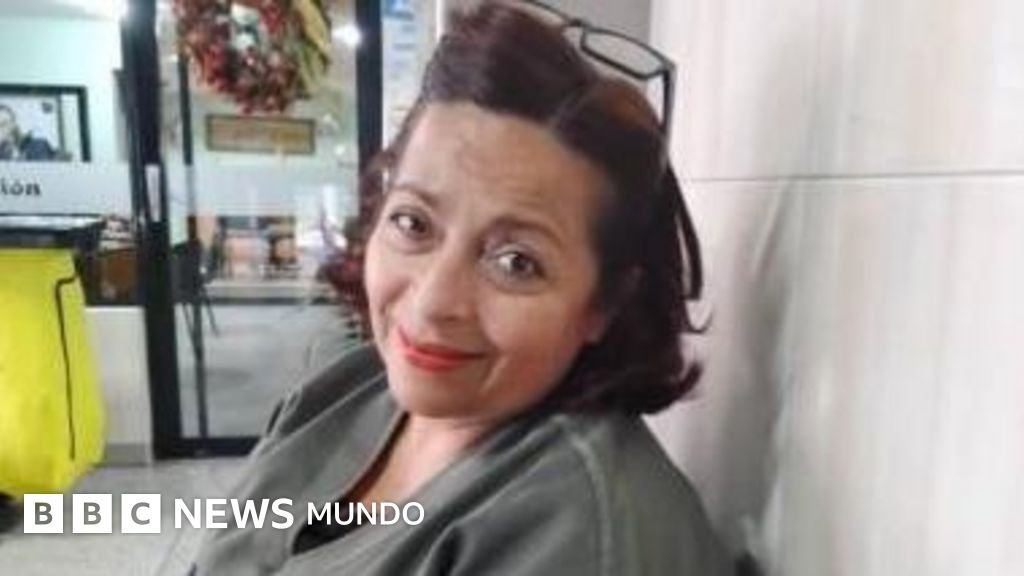
Pie de foto, La familia de la doctora Orozco asegura que ella no participa en actividades políticas y simplemente expresó una opinión.Información del artículo
Tiempo de lectura: 8 min
30 años de cárcel. La pena máxima de cárcel que la legislación venezolana reserva para delitos como homicidio, secuestro y violación le fue impuesta a Marggie Xiomara Orozco Tapias, una médica de 65 años.
Sin embargo, la profesional de la salud no mató ni secuestró a nadie. Su delito fue que, en medio del fragor de la campaña para las elecciones presidenciales del 28 de julio de 2024, envió un mensaje de audio por WhatsApp a un grupo de vecinos de la localidad de San Juan de Colón, en el estado andino de Táchira (fronterizo con Colombia), en el que llamaba a votar en contra de Nicolás Maduro y lo responsabilizaba de la crisis económica que atraviesa el país.
Ocho días después de los comicios, que según el Consejo Nacional Electoral (CNE) ganó Maduro aunque hasta ahora no ha presentado pruebas que respalden dicha declaración, la policía arrestó a Orozco.
“Unos policías llegaron en la noche del 5 de agosto a la casa y le dijeron a mi mamá: ‘Acompáñenos’. Ella no quería ir, pero los policías le dijeron que no estaba detenida, sino que la querían entrevistar y por eso los acompañó. Pasamos tres días sin saber de ella”, le contó a BBC Mundo el hijo de la doctora, Paul Ruiz.
La grabación de la doctora llegó a manos de unos simpatizantes del gobierno, quienes la denunciaron ante la Fiscalía tras amenazarla con retirarle beneficios como la caja de alimentos o la bombona de gas para cocinar subsidiados.
El caso de Orozco forma parte de los procesos judiciales contra ciudadanos que han ejercido su derecho a la libertad de expresión a través de las redes sociales. Un derecho que las autoridades venezolanas advierten que “no es absoluto”.
Pero en la madrugada del día de Navidad la médica fue una de las 71 personas detenidas desde las elecciones presidenciales que fueron excarceladas, reportaron el Comité por la Libertad de los Luchadores Sociales y el Foro Penal Venezolano.
Fuente de la imagen, Cortesía Paul Ruiz
Pie de foto, La doctora Orozco fue detenida en agosto de 2024 y desde entonces permanece privada de libertad, pese a que ha sufrido un infarto.
La excusa para la invasión
“Esos llamamientos ponen en riesgo la paz de Venezuela y son la razón por la cual el gobierno de Estados Unidos nos quiere invadir”.
Esto habría dicho la jueza Luz Dary Moreno Acosta al condenar, el pasado 16 de noviembre, a Orozco por la comisión de los delitos de traición a la patria, conspiración e incitación al odio, relataron quienes presenciaron el acto donde se leyó la condena.
¿Pero qué dijo la doctora para ser sentenciada a la pena máxima? “Ella le pidió a la comunidad que saliera a votar (contra Maduro) y (que los vecinos) dejaran la sinvergüenzura de apoyar al gobierno, mientras sus hijos están fuera trabajando y el país se está cayendo a pedazos”, narró Ruiz.
El hijo de la doctora negó que su madre cometiera un delito.
“Ella no salió a las calles a tirar piedras o quemar cauchos (neumáticos). Ni tampoco pidió una invasión extranjera”, aseguró.
En las últimas semanas, EE.UU. ha reunido en las aguas del Caribe una flota de naves de guerra -entre las que está su portaaviones más moderno y grande, el USS Gerald R. Ford-, con el propósito declarado de combatir el narcotráfico.
Sin embargo, desde Caracas sostienen que este despliegue militar en realidad persigue “un cambio de régimen” en Venezuela.
“Así como usted sufre, las personas que están en el Gobierno también sufren”, le dijo la jueza a Orozco, de acuerdo con el relato del hijo, quien dijo que obtuvo los detalles de unos abogados que estuvieron presentes cuando la titular del Tribunal 4 de Juicio de Táchira leyó su veredicto.
Aunque el fallo no ha sido publicado, desde la Fiscalía venezolana confirmaron a BBC Mundo que se produjo, pero rechazaron las peticiones para que hicieran comentarios sobre el mismo.
Fuente de la imagen, Gladjimi Balisage/US Navy via Getty Images
Pie de foto, La jueza aseguró que audios como los de la doctora Orozco han contribuido a las actuales tensiones entre EE.UU. y Venezuela.
Ni siquiera el hecho de que Orozco sufriera un infarto durante el año que ha permanecido detenida sirvió de atenuante para la justicia.
En marzo pasado, la jueza Moreno rechazó permitirle a la doctora seguir el juicio en libertad condicional, por considerar que “existe peligro de fuga” y porque “pudiera influir en los testigos para que informen falsamente al tribunal, y ponga en peligro la verdad de los hechos y la realización de la justicia”.
La dureza de la condena y el momento en que se produjo daban pocos motivos para creer que la doctora recibiría alguna medida de libertad condicional.
El dictamen se produjo semanas después de que el ministro del Interior, Diosdado Cabello, advirtiera que “buscarían” a todo aquel que respaldara una intervención militar extranjera.
“Si alguien decide pedir invasiones contra nuestro país, inmediatamente está asumiendo que se autoexcluye de sus obligaciones como venezolano, y el Estado se reserva las acciones que tenga a bien ejercer”, alertó semanas atrás.
Fuente de la imagen, YURI CORTEZ/AFP via Getty Images
Pie de foto, Entre 2021 y 2023, más de una veintena de personas fueron detenidas en Venezuela por compartir opiniones o informaciones a través de plataformas digitales.
Cuidado con lo que dices
Otras personas que escucharon el audio de Orozco aseguraron a BBC Mundo que “era una grabación de 17 minutos bastante agresiva en algunas partes”. Esto, explicaría porque a la doctora le aplicaron el artículo 20 de la polémica Ley Constitucional contra el Odio, por la Convivencia Pacífica y la Tolerancia, según los registros judiciales.
“Quien públicamente o mediante cualquier medio apto para su difusión pública fomente, promueva o incite al odio, la discriminación o la violencia contra una persona o conjunto de personas, en razón de su pertenencia real o presunta a determinado grupo social, étnico, religioso, político, de orientación sexual, de identidad de género, de expresión de género o cualquier otro motivo discriminatorio será sancionado con prisión de diez a veinte años, sin perjuicio de la responsabilidad civil y disciplinaria por los daños causados”, establece la norma.
La vaguedad y amplitud de la disposición le ha valido la crítica de organismos internacionales de derechos humanos, los cuales sostienen que puede ser empleado para silenciar a las voces críticas.
Entre 2021 y 2023, al menos 22 venezolanos fueron detenidos por ejercer la libertad de expresión. Varias de las aprehensiones están vinculadas a contenidos difundidos en plataformas digitales, reportó la organización Espacio Público.
Fuente de la imagen, Harun Ozalp/Anadolu via Getty Images
Pie de foto, Una doctora fue condenada por la justicia venezolana a la pena máxima de prisión por enviar un audio a un grupo de WhatsApp en el que criticaba a Nicolás Maduro.
Antes de que se conociera la condena contra Orozco se produjeron otros dos fallos similares. El primero fue el de Marcos Palma, de 50 años, quien fue sentenciado a 15 años de cárcel por un audio que envió a un grupo de WhatsApp en el que se quejaba porque no le entregaron la bombona de gas que pagó e invitaba a sus vecinos a una protesta.
Semanas después, Randal Telles, una estudiante de enfermería de 22 años del llanero estado Barinas, fue condenada también a 15 años de prisión por un video de TikTok en el que criticaba a Maduro y a Cabello. No obstante, su familia sostiene que la grabación no fue hecha por Telles sino que es un montaje realizado con inteligencia artificial.
Estos casos explican porque muchos en el país han optado por evitar discutir sobre determinados temas a través de plataformas digitales o constantemente borran los historiales de sus teléfonos.
En 2017, el fiscal general de Venezuela, Tarek William Saab, admitió que la polémica legislación contra el odio tenía “un carácter preventivo educativo y disuasivo”.
“La libertad de expresión no es un derecho absoluto, tiene límites. Y en Venezuela hay una legislación que lo regula”, advirtió un funcionario judicial en ejercicio bajo condición del anonimato.
Fuente de la imagen, Pedro MATTEY / AFP via Getty Images
Pie de foto, El ministro Cabello ha advertido que el Estado actuará contra aquellos que llaman a invasiones extranjeras.
Sin sustento
La condena contra la médica ha sido criticada tanto dentro como fuera del país.
“Este caso evidencia que la falta de independencia del sistema de justicia venezolano está profundamente arraigada y que continúa funcionando como parte del aparato represivo del Estado”, denunció a BBC Mundo la relatora para Venezuela de la Comisión Interamericana de Derechos Humanos (CIDH), Gloria De Mees.
Tras afirmar que la Ley contra el Odio “restringe severamente el derecho a la libertad de expresión en Venezuela y genera un fuerte efecto inhibidor, incompatible con una sociedad democrática”, De Mees aseguró a BBC Mundo que “la aplicación de esta ley en casos como el descrito confirma el clima de miedo y autocensura” reinante en el país y “desalienta cualquier forma de disidencia, incluso más allá de las fronteras de Venezuela”.
Por su parte, juristas venezolanos han puesto en duda el fundamento jurídico de la sentencia contra la doctora Orozco.
“Para que se dé el delito de incitación al odio el mensaje ha debido provocar una expresión de odio por parte de un individuo contra otro. ¿A quién incitó ella? La doctora lo que hizo fue expresar su propio sufrimiento”, explicó a BBC Mundo el penalista Zair Mundaray.
El exdirector de Actuación Procesal de la Fiscalía venezolana tampoco consideró correcto la aplicación de los delitos de traición y conspiración.
“La conspiración implica intentar modificar la forma republicana, pero ¿qué acción concreta llevó a cabo la doctora para acabar con la democracia y las instituciones? Y el delito de traición habla de unirse con naciones o enemigos extranjeros, pero aquí no se ha informado que ella se haya aliado con nadie”, agregó.
“Con este tipo de sentencias el gobierno quiere quitarnos el derecho a pataleo (protesta), afirmó el hijo de la condenada, quien reiteró que su mamá jamás ha participado en actividades políticas de ninguna naturaleza.
Suscríbete aquí a nuestro nuevo newsletter para recibir cada viernes una selección de nuestro mejor contenido de la semana.
Y recuerda que puedes recibir notificaciones en nuestra app. Descarga la última versión y actívalas.
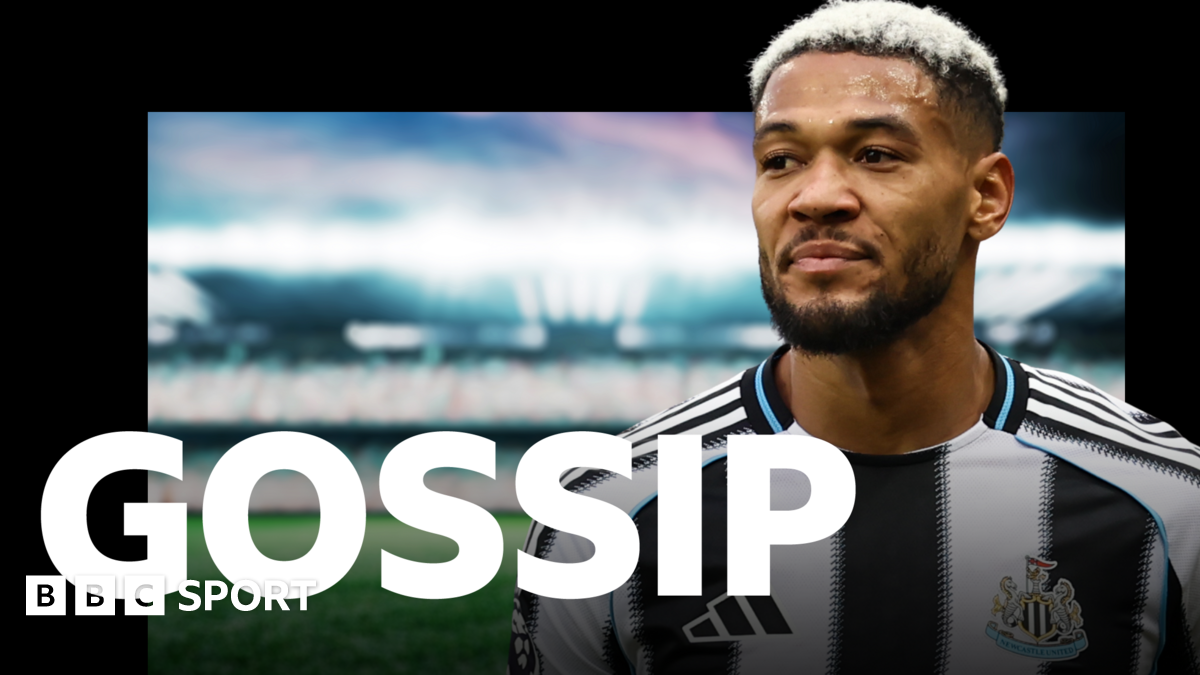
Newcastle United‘s Joelinton is a target for Saudi Pro League clubs, Oscar Bobb could leave Manchester City if they sign Antoine Semenyo, and Crystal Palace boss Oliver Glasner is not intending to sign a new deal with the club.
Newcastle Unitedmidfielder Joelinton, 29, is a target for Saudi Pro League clubs and the Magpies could be open to letting the Brazil international leave depending on the conditions of any deal. (Teamtalk), external
Barcelona striker Robert Lewandowski, 37, could be tempted by a move to Saudi Arabia as there is uncertainty over the Poland international’s future at the Nou Camp. (AS – in Spanish), external
Crystal Palace manager Oliver Glasner does not intend to extend his contract with the Eagles beyond his current deal, which runs out in the summer. (Fabrizio Romano), external
Manchester Unitedmanager Ruben Amorim is unsure if the club will keep Brazil midfielder Casemiro, 33, and 32-year-old England defender Harry Maguire, with the pair set to be out of contract in the summer. (Manchester Evening News) , external
Real Madrid do not intend to extend 33-year-old Austria centre-back David Alaba’s deal beyond this summer, while Germany defender Antonio Rudiger, 32, could also leave the Spanish club. (ESPN) , external
The Premier League and English Football League (EFL) are to look into allowing games that kick-off at 15:00 on a Saturday to be broadcast live for the first time when they negotiate their next rights deals. (Guardian), external
The former president spent Christmas Eve at the clinic, and there is no date set for her discharge yet
Former Argentine President Cristina Fernández de Kirchner remains hospitalized at the Otamendi Sanatorium in Buenos Aires after developing postoperative ileus, a functional intestinal complication following emergency surgery for appendicitis earlier this week. She had been allowed to leave her house arrest for the procedure.
The former head of state was admitted last weekend after presenting with severe abdominal pain. Doctors diagnosed her with acute appendicitis complicated by localized peritonitis, a condition that required immediate surgery.
While the operation itself was successful, the latest medical report on Christmas Eve confirmed that CFK was experiencing postoperative ileus, a temporary cessation of bowel function common after major abdominal procedures. A CT scan confirmed the diagnosis and helped rule out mechanical obstructions.
Medical specialists describe postoperative ileus as a functional paralysis of the gastrointestinal tract. While benign and often considered a physiological response to the manipulation of internal organs, it prevents the patient from tolerating oral intake, resulting in abdominal distension (bloating), nausea, and an inability to pass gas or stool.
Factors causing it include the physical handling of the intestines during surgery, the inflammatory response to peritonitis, and the use of certain anesthetic or analgesic medications. In most cases, bowel motility returns within 72 hours. Since CFK’s symptoms have persisted beyond this window, the condition is being monitored as pathological, though it remains reversible.
The patient is currently undergoing conservative treatment aimed at encouraging the return of natural intestinal movement. Her care plan includes strict fasting with no oral intake, continuous intravenous fluids and electrolyte correction, and preventive antibiotic treatment due to the initial peritonitis. She currently has no fever or signs of active infection. Additionally, she is undergoing supervised walking to stimulate the digestive system.
The hospitalization forced the former president to spend Christmas Eve in the clinic rather than at her residence, where she is serving a six-year term under house arrest for corruption.
Argentina’s Federal Police (PFA) maintains a presence at the sanatorium to ensure compliance with judicial protocols during her medical stay. Her detention conditions allow for a restricted number of visitors, which is even smaller during hospitalization. However, some high-profile political figures have requested humanitarian visits.
Once the ileus resolves, her defense team is expected to petition for intensified home health care, which would require additional nursing arrangements at her apartment.
The primary concerns for the medical team at this stage are pulmonary embolism (due to immobility) and secondary infections, it was explained.
Sixty-five men were released from the Tocorón prison
Venezuela’s Bolivarian regime released on Thursday 71 political prisoners who had been detained during the wave of protests following the controversial July 2024 presidential elections, which Nicolás Maduro claimed to have won despite producing no supporting evidence.
Thursday’s move, confirmed by human rights organizations and family committees, is regarded as a strategic gesture aimed at mitigating international condemnation.
The Committee of Mothers in Defense of the Truth and Foro Penal confirmed that the releases took place at the Tocorón high-security facility southwest of Caracas, from where 65 men were released, in addition to three women from the Las Crisálidas Prison for female offenders, plus three teenagers from a juvenile detention center in La Guaira.
This news fills our hearts with joy, but it is an important yet insufficient achievement, the Committee of Mothers stated, emphasizing that hundreds of protesters remain behind bars.
Human rights groups, including the Committee for the Freedom of Political Prisoners (CLIPPVE), characterized the releases as a symbolic drop in the ocean. According to the latest data from the NGO Foro Penal, as of December 15, 2025, there were still 902 confirmed political prisoners in Venezuela.
The opposition maintains that these detainees are hostages used by the government as bargaining chips in negotiations with the international community. Rights advocates are calling for a General Amnesty Law to immediately vacate the sentences of all citizens detained during the post-election crisis.
The National Electoral Council (CNE) declared Maduro the winner of the July 28, 2024, election with 6.4 million votes. However, the opposition, led by Edmundo González Urrutia, published tally sheets suggesting a landslide victory for the opposition with over 7 million votes.
The United States, the European Union, and the OAS have recognized González as the president-elect, citing credible evidence of fraud.
The releases coincide with a heightened US naval presence in the Caribbean and a blockade aimed at curbing Venezuelan oil exports, leading some to interpret the move as an attempt to appease Washington.
The Maduro administration has not officially commented on the latest round of releases. The Attorney General’s Office continues to maintain its official narrative, denying the existence of political prisoners. Authorities insist that those detained were prosecuted for serious punishable acts, including terrorism and street violence, rather than their political ideology.
Sixty-five men were released from the Tocorón prison
Venezuela’s Bolivarian regime released on Thursday 71 political prisoners who had been detained during the wave of protests following the controversial July 2024 presidential elections, which Nicolás Maduro claimed to have won despite producing no supporting evidence.
Thursday’s move, confirmed by human rights organizations and family committees, is regarded as a strategic gesture aimed at mitigating international condemnation.
The Committee of Mothers in Defense of the Truth and Foro Penal confirmed that the releases took place at the Tocorón high-security facility southwest of Caracas, from where 65 men were released, in addition to three women from the Las Crisálidas Prison for female offenders, plus three teenagers from a juvenile detention center in La Guaira.
This news fills our hearts with joy, but it is an important yet insufficient achievement, the Committee of Mothers stated, emphasizing that hundreds of protesters remain behind bars.
Human rights groups, including the Committee for the Freedom of Political Prisoners (CLIPPVE), characterized the releases as a symbolic drop in the ocean. According to the latest data from the NGO Foro Penal, as of December 15, 2025, there were still 902 confirmed political prisoners in Venezuela.
The opposition maintains that these detainees are hostages used by the government as bargaining chips in negotiations with the international community. Rights advocates are calling for a General Amnesty Law to immediately vacate the sentences of all citizens detained during the post-election crisis.
The National Electoral Council (CNE) declared Maduro the winner of the July 28, 2024, election with 6.4 million votes. However, the opposition, led by Edmundo González Urrutia, published tally sheets suggesting a landslide victory for the opposition with over 7 million votes.
The United States, the European Union, and the OAS have recognized González as the president-elect, citing credible evidence of fraud.
The releases coincide with a heightened US naval presence in the Caribbean and a blockade aimed at curbing Venezuelan oil exports, leading some to interpret the move as an attempt to appease Washington.
The Maduro administration has not officially commented on the latest round of releases. The Attorney General’s Office continues to maintain its official narrative, denying the existence of political prisoners. Authorities insist that those detained were prosecuted for serious punishable acts, including terrorism and street violence, rather than their political ideology.